

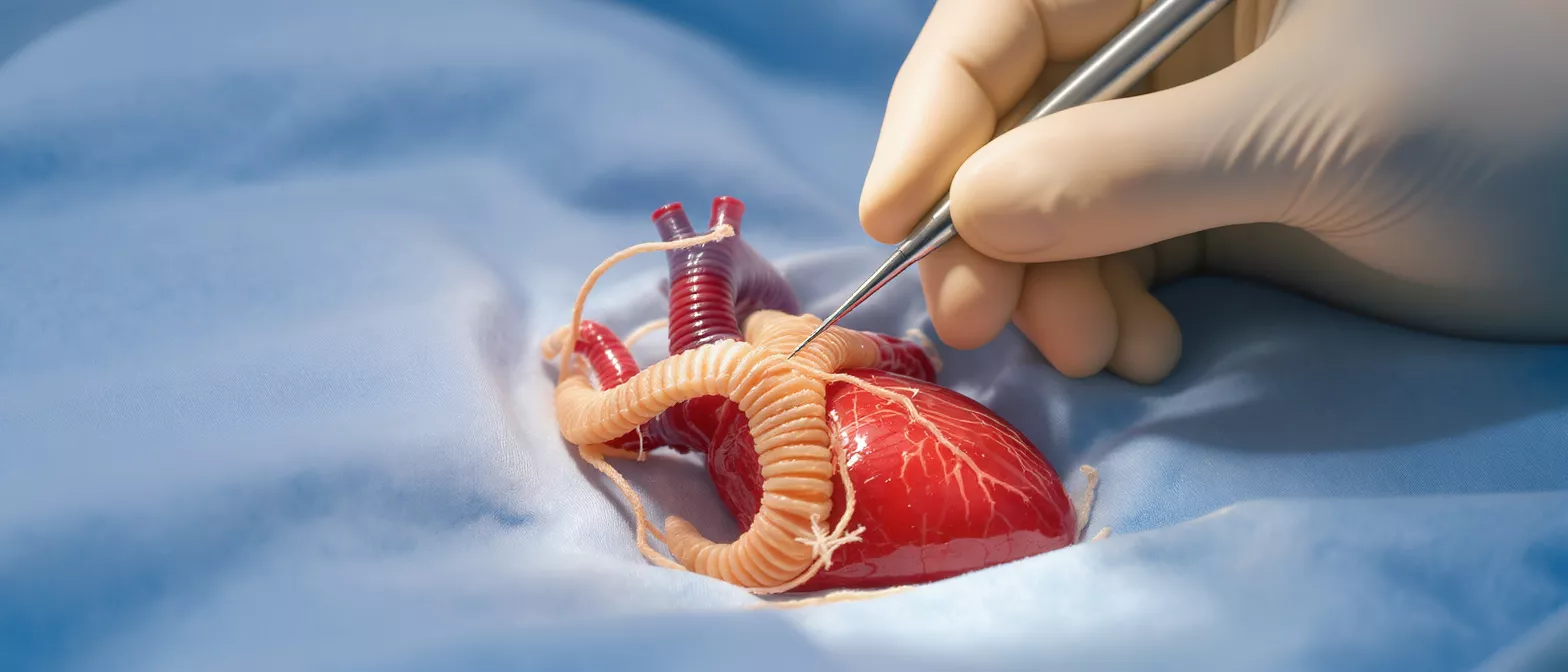
Yacoub Procedure
The Yacoub procedure repairs aortic root aneurysms while preserving your natural valve.
What is the Yacoub procedure?
The Yacoub procedure is a specialized heart operation designed to repair the aortic root while preserving the patient's natural aortic valve. Named after Sir Magdi Yacoub, this surgical technique addresses aneurysms in the section of the aorta closest to the heart without replacing the valve itself. For a frightened patient or family, understanding this procedure starts with knowing its goal: fixing the damaged vessel while keeping the heart's own working parts intact.
Why keeping your natural valve matters: Your natural aortic valve opens and closes seamlessly to move blood forward. When surgeons can save it, you avoid the lifelong challenges that come with artificial valves, such as daily blood thinners or the eventual wear of a mechanical substitute. The Yacoub remodeling technique rebuilds the surrounding architecture so your existing valve can continue functioning normally.
Unlike complete valve replacement surgeries, this operation focuses purely on the structure supporting the valve. The surgeon reshapes the enlarged aortic root using a durable synthetic tube, recreating the correct geometry. This approach provides a highly tailored solution for complex aortic conditions, prioritizing long-term cardiac health.
Why aortic root aneurysms need surgery
An aortic root aneurysm is a bulging or enlargement in the very beginning of the aorta, right where it attaches to the heart. This area stretches over time due to weak connective tissues, causing the aorta to dilate. If left untreated, the stretching can eventually cause the aorta to tear or rupture, which is a life-threatening emergency.
How aneurysms affect the aortic valve: As the root expands, it pulls the valve leaflets apart, preventing them from closing tightly. This leads to aortic regurgitation, where blood leaks backward into the heart. By addressing the aneurysm early with aortic root reconstruction, surgeons relieve the strain on the valve, often stopping the leak before the valve sustains permanent damage.
Timely surgical intervention is vital because an enlarged aorta rarely shrinks on its own. Monitoring the size of the aneurysm through regular imaging allows your medical team to determine the safest moment to intervene. Repairing the root before it reaches a critical diameter ensures the best possible outcome and preserves the heart's natural mechanics.
How the Yacoub technique works
The Yacoub technique works by remodelling the enlarged aortic root to restore its natural size and shape. During the operation, the surgeon removes the stretched, damaged sections of the aortic wall while carefully leaving the valve leaflets and the small attachments connecting them to the heart untouched. This precise dissection requires immense skill.
The role of the synthetic graft: A tailored graft made of durable fabric is sutured directly to the patient's remaining tissue, matching the natural scalloped shape of the valve attachments. This creates a new, strong outer wall for the aortic root. The surgeon effectively builds a secure, properly sized home for the native valve to operate within.
Once the graft is secured, the patient's own valve leaflets are tested to ensure they open smoothly and close completely without leaking. This aortic root remodeling approach maintains the physiological dynamics of the heart, allowing the valve to function just as it did before the aneurysm formed. It is a meticulous process that blends surgical craftsmanship with deep cardiac anatomy knowledge.
David procedure vs Yacoub remodeling
When discussing valve-sparing aortic root replacement, surgeons primarily compare the Yacoub procedure to the David procedure. Both operations aim to preserve the natural aortic valve, but they achieve this through different mechanical approaches. Understanding this difference helps patients grasp why a surgeon might recommend one technique over the other for their specific anatomy.
Remodeling versus reimplantation: The Yacoub procedure uses a remodeling technique, where the graft is shaped to replace only the damaged outer wall, allowing the valve to maintain some natural flexibility. The David procedure uses a reimplantation technique, placing the entire valve mechanism securely inside a synthetic tube for maximum external support. Both methods are highly effective, and the choice depends heavily on the specific tissue quality.
Patients with very fragile connective tissue might benefit from the total support of a reimplantation approach, while others with robust valve tissue are excellent candidates for the Yacoub remodeling technique. Your cardiac surgeon will evaluate your echocardiograms and physical condition to determine the safest, most durable method for your heart.
Benefits of aortic valve preservation surgery
Aortic valve preservation surgery offers significant long-term advantages over mechanical or biological valve replacement. The most notable benefit is the elimination of lifelong blood-thinning medications. Patients who receive mechanical valves must take anticoagulants daily, requiring frequent blood tests and dietary restrictions, which sparing aortic valve surgery entirely avoids.
Avoiding future repeat surgeries: By keeping your native valve, the risk of structural deterioration is significantly lower compared to biological replacements, which wear out over a decade or two. The synthetic graft used in the Yacoub aortic repair is highly durable, meaning the rebuilt root will likely last a lifetime, protecting you from subsequent open-heart operations.
Because the natural valve is preserved, the heart maintains its optimal blood flow dynamics. This leads to a faster return to normal activities and a higher overall quality of life. Preserving your own tissue means your body recognizes the valve as its own, reducing inflammation and promoting better long-term cardiac function.
Who is a candidate for valve-sparing root replacement?
Ideal candidates for the Yacoub procedure are patients with an aortic root aneurysm whose native aortic valve is still fundamentally healthy. If the valve leaflets are thin, flexible, and free of severe calcium buildup, the surgeon can successfully preserve them. Age, overall health, and the presence of connective tissue disorders also play a role in determining candidacy.
When valve preservation is not possible: If the aneurysm has severely damaged the valve leaflets, or if the patient suffers from advanced rheumatic heart disease, preservation may not be viable. In these cases, the surgeon will plan for a biological aortic valve replacement instead. Preoperative imaging helps your surgical team make this decision well before entering the operating room.
Patients with conditions like Marfan syndrome often develop these aneurysms early in life. The Yacoub technique is particularly valuable for younger, active patients who want to avoid the lifestyle limitations associated with mechanical valves. A thorough diagnostic workup will reveal if your valve anatomy is suitable for this advanced repair.
Preparing for Yacoub aortic repair
Preparation for aortic root reconstruction involves a comprehensive evaluation of your cardiovascular system. Your surgical team will order detailed imaging, such as CT scans or echocardiograms, to map the exact dimensions of your aneurysm and the structure of your valve. This roadmap is critical for planning the intricate steps of the Yacoub technique.
Medical clearance and lifestyle adjustments: Before surgery, you will undergo blood tests and physical exams to ensure your body is ready for the heart-lung machine. Your doctor may ask you to stop certain medications or adjust your diet in the weeks leading up to the operation. If you smoke, quitting is absolutely essential to ensure proper healing of your heart tissues.
Patients often find comfort in understanding the logistical steps before arriving at the hospital. Knowing exactly what to expect helps alleviate anxiety for both the patient and their family. The surgical team will walk you through every phase, from the preoperative fasting guidelines to the timeline of the operation itself.
Recovery after aortic root reconstruction
Recovery from valve-sparing root replacement follows a path similar to other major heart surgeries. Patients typically spend one or two days in the intensive care unit for close monitoring, followed by a few days in a standard hospital ward. Early mobilization, including sitting up and walking with assistance, begins quickly to promote lung function and circulation.
Cardiac rehabilitation and follow-up: Once discharged, a structured cardiac rehabilitation program is essential for building strength safely. You will have follow-up appointments to check your incision and undergo echocardiograms to monitor the repaired valve.
Full recovery takes several weeks to a few months, depending on your physical condition prior to surgery. Most patients can return to normal, non-strenuous daily activities within six to eight weeks. Your surgeon will provide clear guidelines on when it is safe to resume exercise, heavy lifting, and driving.
Are valve-sparing aortic operations safe?
Valve-sparing aortic operations are highly advanced but carry the standard risks associated with open-heart surgery. Because the Yacoub procedure involves intricate suturing on very small structures near the heart, it requires an experienced, highly specialized surgical team. However, in expert hands, the success rates are excellent and the long-term durability is outstanding.
Understanding potential complications: As with any major cardiac operation, risks include bleeding, infection, or adverse reactions to anesthesia. There is also a small chance that the repaired valve might leak over time, requiring close observation. If future intervention is needed, exploring transcatheter aortic valve repair options might become a viable route.
The safety of the procedure is directly tied to the expertise of the institution and the surgeon performing it. High-volume heart centers that specialize in aortic root aneurysms have dedicated teams equipped to handle the nuances of this surgery. Open communication with your surgical team about their specific outcomes is completely appropriate.
Finding a cardiac surgeon for aortic repair
Finding the right cardiac surgeon for aortic repair is the most critical step in your treatment journey. You need a specialist who is not only skilled in general cardiac surgery but specifically experienced in complex aortic root reconstruction. Look for a surgeon who regularly performs valve-sparing techniques and can explain their approach in terms you easily understand.
Questions to ask your surgeon: When consulting with a specialist, ask about their experience with the Yacoub procedure specifically. Inquire about how many valve-sparing operations they perform annually and what their outcomes are. A confident surgeon will welcome these questions and provide clear, reassuring answers tailored to your specific diagnosis.
Seeking care from a dedicated professional ensures you receive a personalized surgical plan rather than a one-size-fits-all approach. An expert in aortic repair will evaluate your unique anatomy and recommend the best strategy, whether that is the Yacoub remodeling technique or another method. Trusting your heart to an experienced team provides immense peace of mind.
Conclusion and key takeaways
Navigating a diagnosis of an aortic root aneurysm is understandably frightening, but modern surgical advancements offer incredible hope. The Yacoub procedure represents a remarkable fusion of engineering and medical skill, allowing patients to fix a dangerous aneurysm while keeping their natural valve intact.
By preserving your native valve, this technique offers a durable solution that restores heart function without the burdens of lifelong blood thinners or future replacement surgeries. It is a testament to how far cardiac care has advanced, focusing on maintaining the body's natural mechanics whenever possible.
If you or a loved one are facing an aortic aneurysm, seeking out an expert in valve-sparing root replacement is the best first step. With the right surgical team, this procedure provides a safe, effective path back to a long, healthy life. Here is a quick summary of the most important points to remember:
- Preservation focus: The Yacoub procedure rebuilds the aortic root while keeping your natural valve intact.
- Remodeling technique: Surgeons use a tailored graft to recreate the natural shape of the aortic root.
- Expert care: Success depends heavily on choosing a surgeon experienced in complex aortic repairs.
Taking the time to understand your surgical options empowers you to make informed decisions about your cardiac health. Reach out to a specialized center to discuss whether this valve-preserving approach is the right choice for your future.






