Biological Valve Replacement: Lifespan and Benefits
Biological valve replacement explained by Guadalajara heart specialists.
What Is a Biological Valve Replacement?
A biological valve replacement is a heart valve operation in which a surgeon replaces a diseased valve with one made from animal or human tissue. The heart has four valves that keep blood moving in one direction, and the two most often replaced are the aortic and mitral valves. When one of these valves becomes too narrow or too leaky, the heart has to work harder, and symptoms such as breathlessness, fatigue, chest discomfort or fainting begin to appear. A biological valve restores normal flow without requiring lifelong blood-thinning medication in most cases.
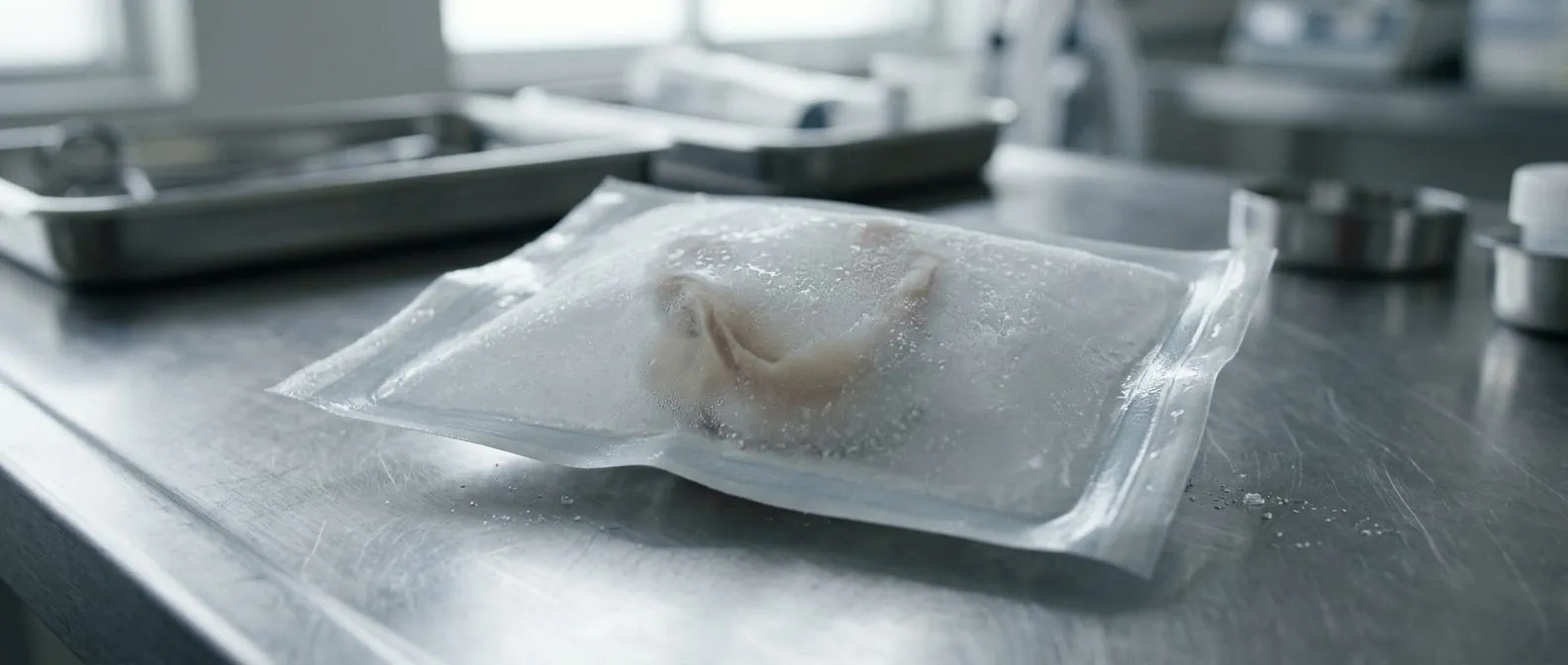
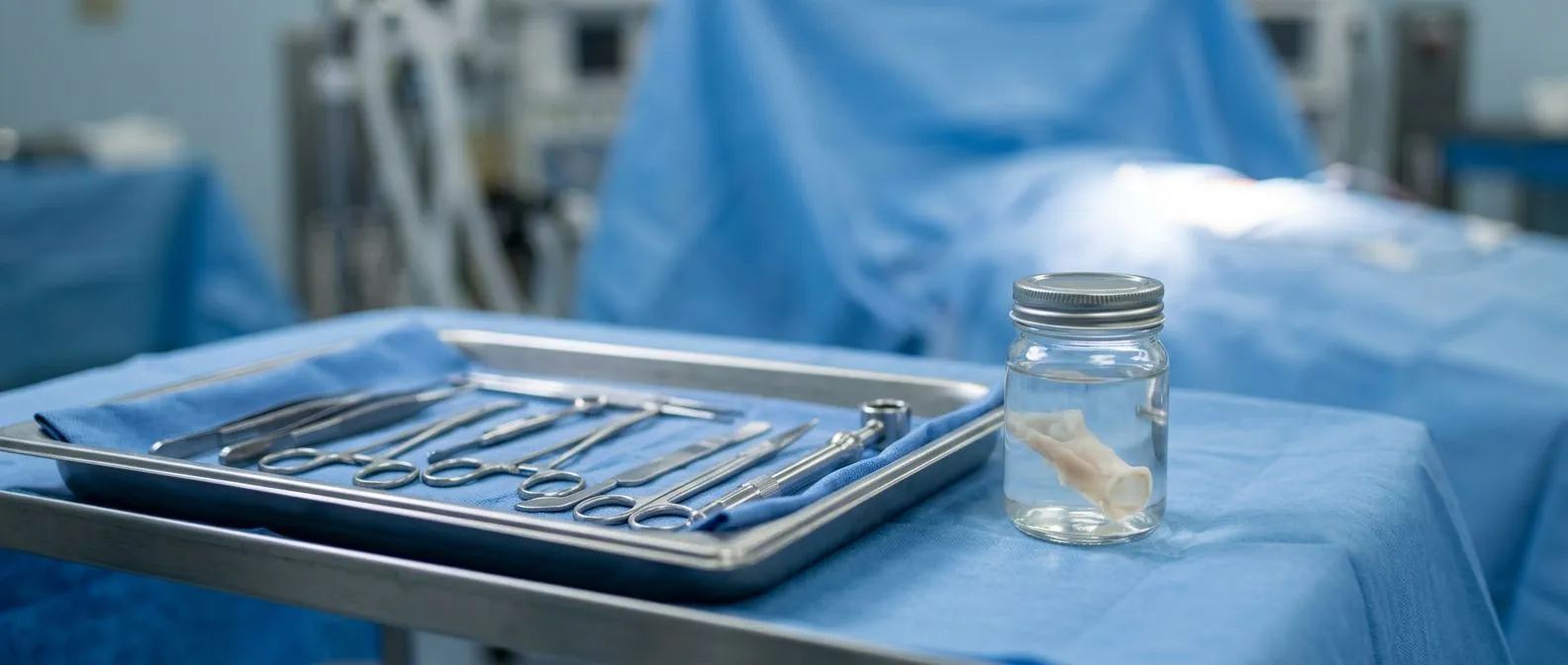
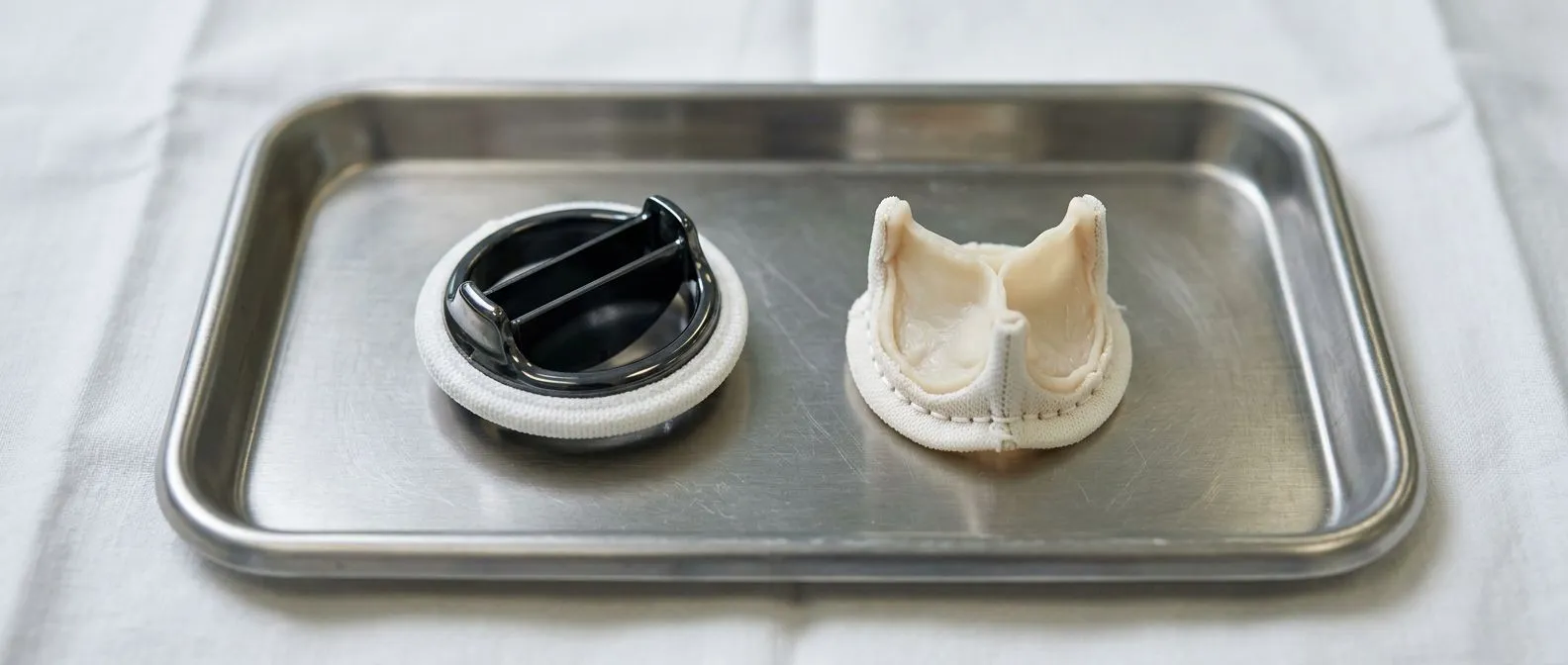
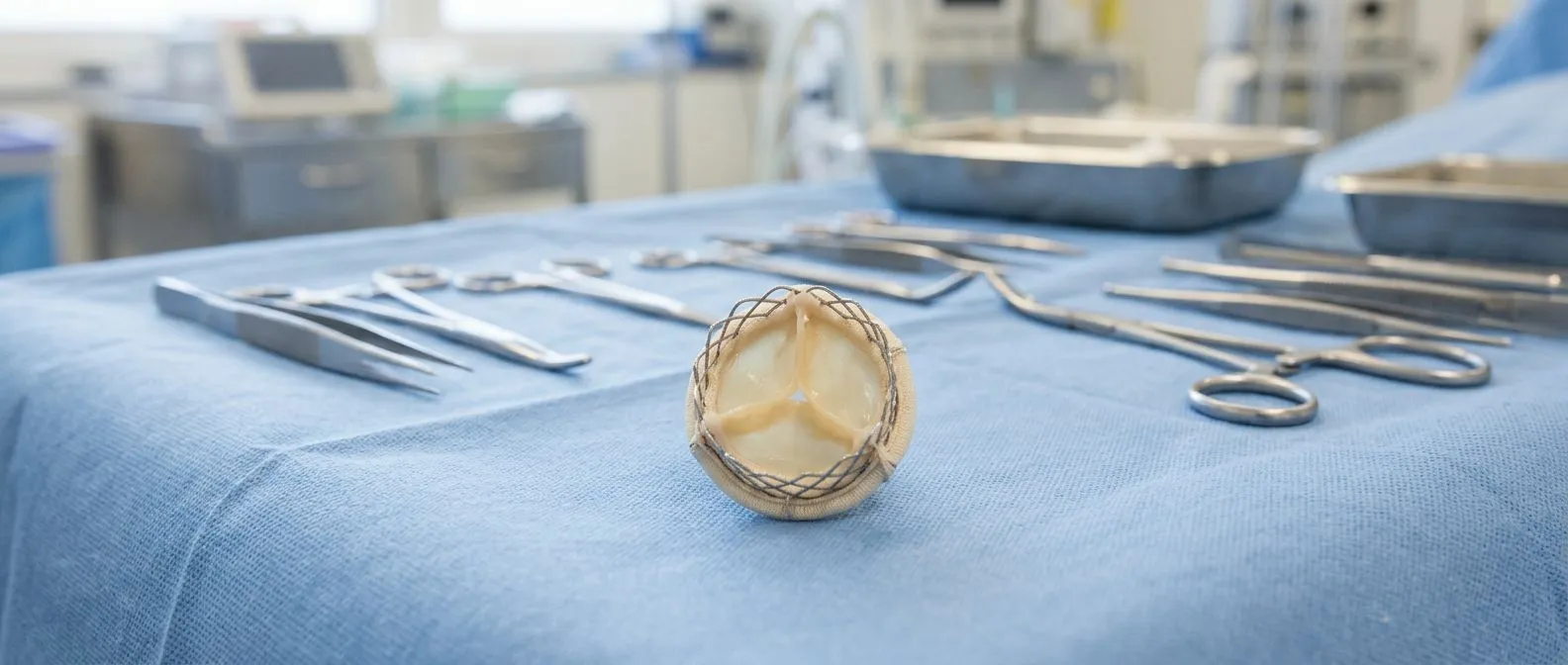
Tissue valves are built from carefully treated animal pericardium — the smooth sac around a cow's heart — or from a pig's aortic valve. The tissue is preserved so the body accepts it, then mounted on a small frame or sewn directly into the valve ring. Because the material is biological, it behaves much more like a natural valve than metal does, opening and closing quietly and flexibly. This is why many surgeons describe a biological valve replacement as the closest thing to giving the patient back their own valve.
Our team reviews every valve case together against international practice guidelines before recommending an approach, and the patient always receives a clear proposal with the alternatives laid out plainly. The final decision on which type of valve to use always rests with the patient, informed by their age, lifestyle, other conditions and personal preferences about medication.
How Long Does a Biological Heart Valve Last?
How long does a biological heart valve last is one of the first questions patients ask, and the honest answer is: it depends mainly on your age at the time of surgery. Tissue valves are living material that slowly calcifies over the years, just as natural valves do, though far more slowly in younger people's bodies than in older ones. Modern bioprosthetic valves generally perform well for a decade or more, and durability has improved steadily with each generation of valve design.
Age matters most. In patients over 65 or 70, a tissue valve frequently outlasts the patient's need for it, which is one reason surgeons favour it for older adults. In patients under 50, the valve tends to wear faster, and a second procedure later in life becomes more likely. This trade-off — freedom from blood thinners now, versus a possible reoperation later — is the central decision in biological valve replacement.
Other factors that shorten valve life. Uncontrolled high blood pressure, kidney disease, ongoing inflammation and calcium metabolism disorders all accelerate tissue valve wear. The mitral position is also more demanding than the aortic position because pressures there are higher, so mitral tissue valves may degenerate somewhat sooner. When we plan a biological valve replacement, we check kidney function, blood pressure control and calcium levels as part of the work-up, because these factors directly shape how long the valve will serve the patient.
What Is Bioprosthesis and Why Do Surgeons Use It?
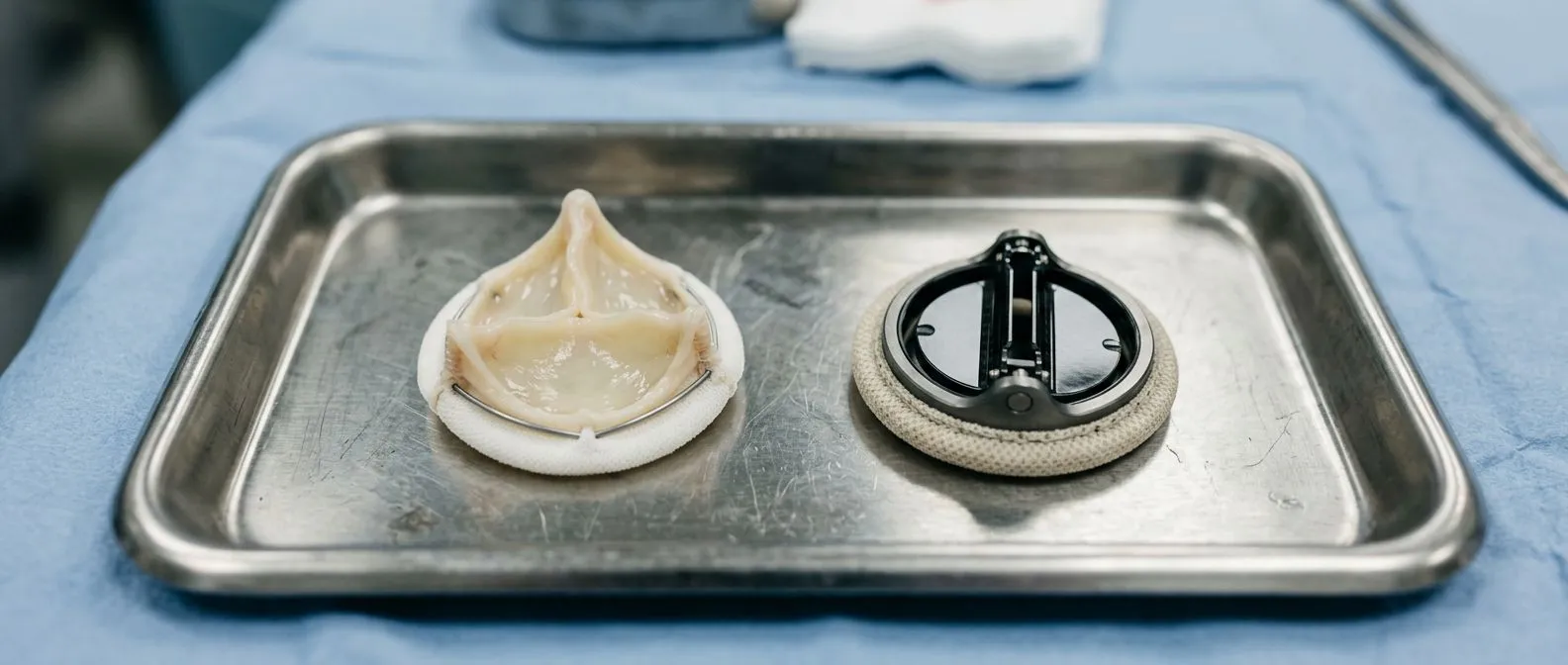
What is bioprosthesis in simple terms? It is any replacement body part made from biological material rather than synthetic metal or plastic. In heart surgery, a bioprosthetic valve is one built from treated animal tissue — usually bovine pericardium or porcine valve — or, less commonly, from human donor tissue. The word simply distinguishes it from a mechanical valve, which is manufactured from carbon and metal alloys and lasts indefinitely.
Surgeons use bioprostheses because they solve the main problem with mechanical valves: blood clots. Metal valve surfaces attract clot, so patients must take warfarin, a strong blood thinner, every day for life, with regular blood tests and dietary restrictions. A biological valve replacement avoids this for most patients, needing only a short period of antiplatelet or mild anticoagulation after surgery. For people who travel, play contact sports, are women planning pregnancy, or simply cannot tolerate warfarin, this difference changes daily life profoundly.
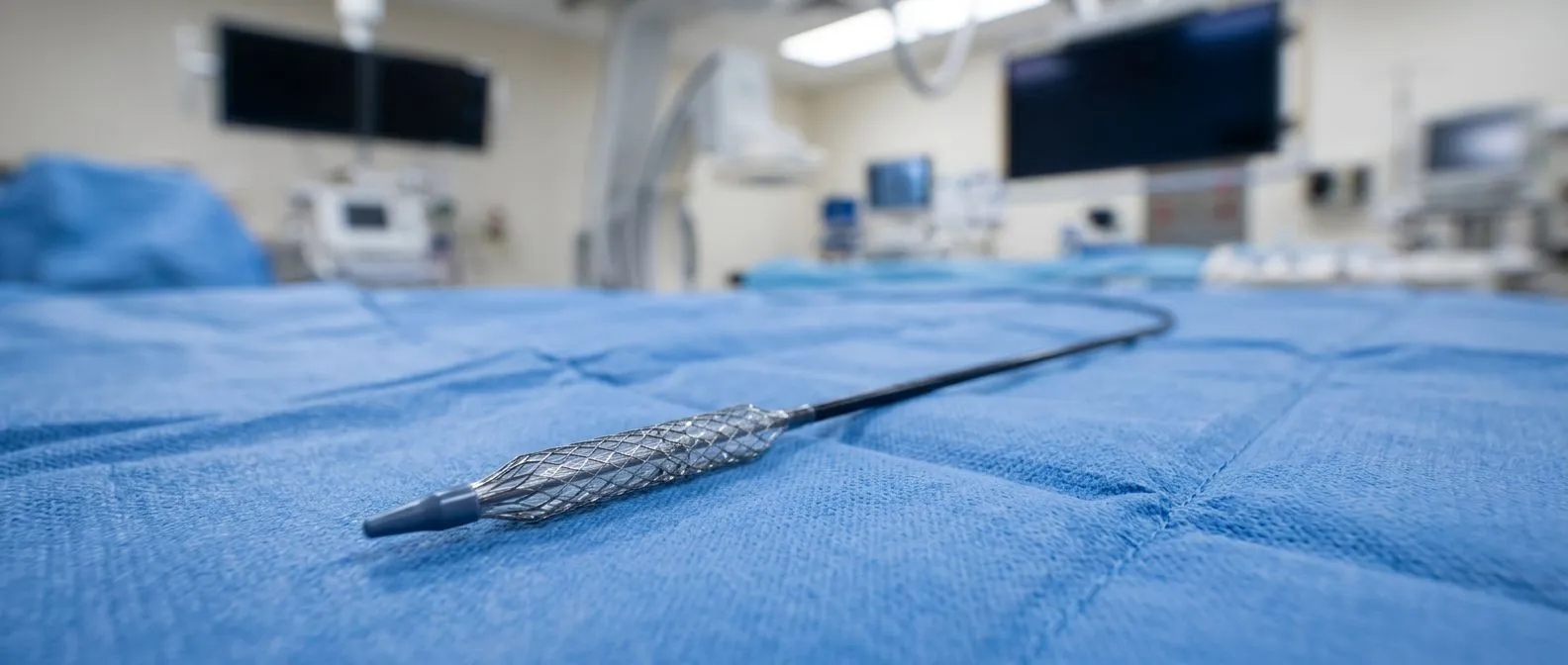
Bioprosthetic valves also allow certain less invasive techniques that mechanical valves do not. Because tissue valves behave like natural valves, a failing one can often later be treated from inside the heart through a catheter, without opening the chest again — a technique known as valve-in-valve. We perform transcatheter procedures alongside conventional surgery, and we recommend the less invasive route only where the evidence supports it for that specific patient.
Cow Valve Replacement Heart and Pig Valve Options
When patients search "cow valve replacement heart" or "pig valve replacement heart", they are asking about the two main sources of biological valve tissue. Both have long, well-established safety records, and neither behaves better than the other in every situation. Understanding the difference helps patients ask better questions at their consultation.
- Bovine pericardial valves: made from the tough, smooth tissue sac around a cow's heart, cut and mounted into three leaflets. These are the most widely used biological valves today and are known for consistent durability and ease of handling.
- Porcine aortic valves: a pig's own aortic valve, preserved whole and sewn into place. These were the first generation of biological valves and remain a proven option, particularly in certain mitral and aortic positions.
- Human donor valves (homografts): tissue from human donors, used in special situations such as active infection of the native valve or young patients needing a complete aortic root replacement.
None of these options involves live animal tissue, and the preservation process removes all cells, leaving only the structural framework that the body accepts. The choice between them is a technical decision made by the surgical team based on the patient's anatomy, age and the valve being replaced. In our consultations, we take the time to explain in plain words what the studies actually show for each valve type, so the patient can decide with real information rather than guesswork.
Biological Valve Replacement vs Mechanical Valve: Which Should You Choose?
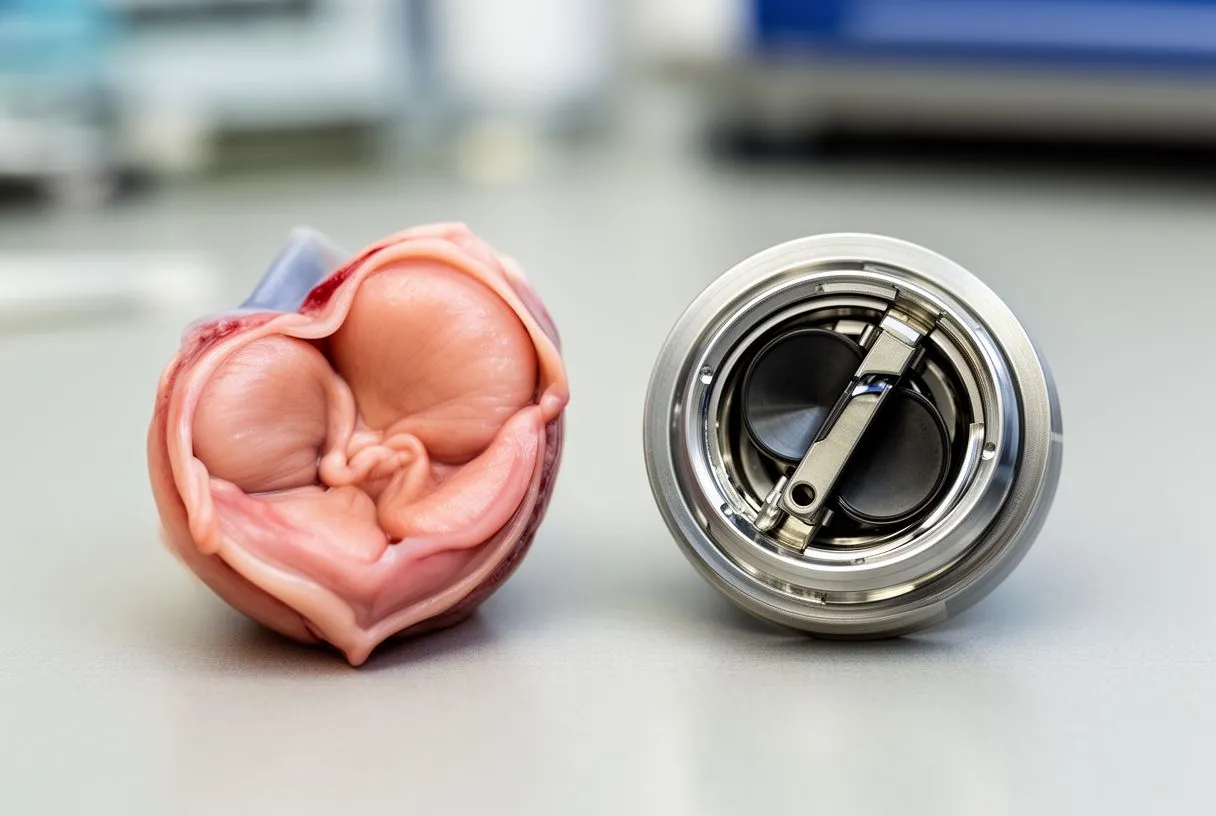
Biological valve replacement vs mechanical valve is the single most important decision in planned valve surgery, and there is no universally correct answer. The right choice depends on age, other conditions, medication tolerance and what matters most to the patient. Guidelines generally steer younger patients toward mechanical valves and older patients toward tissue, but the lines are blurring as valve-in-valve techniques improve.
Where biological valves win. Freedom from lifelong warfarin is the headline benefit. Blood thinners carry a real bleeding risk, especially in older adults who fall, and they complicate travel, surgery and dental work. A tissue valve also avoids the audible clicking that some mechanical valve patients notice, and it opens the door to future catheter-based re-treatment instead of open surgery.
Where mechanical valves win. A mechanical valve essentially never wears out, so a 45-year-old who receives one may avoid a second operation entirely. For younger patients at low bleeding risk who manage anticoagulation well, this longevity is decisive. Reoperation carries its own risks, and avoiding it is a legitimate goal.
Choosing is personal, and it should be a conversation. We encourage every patient considering a biological valve replacement to seek a second opinion, and we treat that as a normal, healthy part of deciding about heart surgery rather than a rejection of our advice. The patient should leave the consultation knowing exactly what each option asks of them for the next twenty years.
Biological Valve Replacement Anticoagulation After Surgery
Biological valve replacement anticoagulation is one of the reasons patients choose tissue in the first place, so it deserves a clear explanation. Unlike mechanical valves, which require lifelong warfarin, biological valves need only a limited period of blood thinning after surgery. This is because the valve's healing surfaces are covered with the patient's own tissue during the first weeks, after which the clot risk falls sharply.
Typical regimen. Most patients receive a short course of anticoagulation or antiplatelet medication — commonly three to six months — followed by low-dose aspirin, or in some cases no medication at all beyond the drugs needed for their other conditions. The exact schedule depends on the valve position, the patient's rhythm and other risk factors.
A special note on irregular rhythm. If the patient has atrial fibrillation — an irregular, fast heart rhythm common in older adults — blood thinning continues for life regardless of valve type, because the clot risk comes from the rhythm itself, not the valve. This is an important point that many patients miss: a biological valve does not automatically mean no blood thinners, if the heart rhythm is irregular. Patients should ask their cardiologist directly whether they carry this additional risk.
Biological Valve Replacement Recovery Time: What to Expect
Biological valve replacement recovery time follows the same pattern as any open-heart valve operation, because the valve material itself does not change the recovery — the incision and the heart manipulation do. The honest timeline helps patients plan work, family support and travel rather than guessing. Recovery is gradual and measurable, and most patients are surprised by how quickly the first milestones arrive.
- Days 1 to 5: hospital stay, often in intensive care for the first day or two, then a cardiac ward. Chest tubes and monitoring lines are removed progressively.
- Weeks 2 to 6: walking daily, increasing distance each week; driving typically resumes around week 4 to 6; sternum precautions apply — no lifting over 4 or 5 kilograms for six weeks.
- Weeks 6 to 12: cardiac rehabilitation, gradual return to desk work, then light physical work. Full recovery of stamina often takes three to six months.
Recovery also depends on the surgical approach. A minimally invasive biological valve replacement — through a smaller incision between the ribs rather than a full breastbone division — may shorten hospital stay and speed up the return to daily activities. Not every patient is a candidate for this, and in our team, the choice between conventional and minimally invasive surgery is made after the whole multidisciplinary group has reviewed the patient's anatomy, age and overall health.
Biological Valve Replacement for Elderly Patients: Is It the Right Choice?
Biological valve replacement for elderly patients is now the default recommendation in most guidelines, and for good reason. Tissue valves avoid lifelong warfarin, which is precisely the medication most likely to cause serious bleeding in older adults — particularly those who live alone, are prone to falls, or take multiple other medicines. A biological valve replacement in this age group usually means: no warfarin, no monthly blood tests, and a valve that will likely outlast any meaningful need for reoperation.
When open surgery is too much. For patients in their eighties or those with significant frailty, lung disease or kidney disease, full open-heart surgery may carry too much risk. This is where transcatheter aortic valve replacement — TAVR — enters the picture. TAVR delivers a biological valve through a catheter inserted in the groin, without opening the chest and without needing the heart stopped. It is a genuine biological valve replacement, just delivered through a different route. Our team performs both surgical and transcatheter procedures, and Dr Molina trained specifically in structural cardiology and TAVR at CHU Bordeaux, so the choice between routes is made with real experience of both.
Quality of life is the goal. For elderly patients, the question is rarely whether they will live ten more years — it is whether those years will be spent breathing comfortably, walking and staying independent. The Harvard Medical School publishing group has reviewed how valve treatment choices shift with age and frailty, and the consistent message is that symptom relief and quality of life, not longevity alone, drive the decision. (Harvard Health)
Biological valve replacement surgery cost varies widely, and patients travelling internationally for care need to understand the moving parts. The valve itself is a significant component — bioprosthetic valves cost more than mechanical ones — and total cost depends on the hospital, the surgical approach, the length of stay, and whether complications occur. Patients should always ask for a written, itemised estimate covering the hospital stay, surgeon and anaesthesia fees, the valve, imaging and post-operative visits.
Insurance and international patients. Many international patients travelling to Mexico for cardiac surgery pay out of pocket, and some private insurers cover planned procedures abroad. Before committing to surgery, patients should confirm with their insurer whether pre-authorisation is required, whether the hospital is in their network, and what documentation they will need for reimbursement. A transparent practice will provide this in writing before any deposit.
How we structure the first conversation. The first contact with our team is a free video consultation, where we get to know the patient, talk through the condition, and say which studies are still needed — so no unnecessary tests are ordered and no money is spent before the patient has a clear picture. Only when the patient decides to go ahead does a face-to-face visit at the consulting rooms follow.
Biological Valve Replacement Surgery Cost and Insurance
Biological valve replacement surgery cost varies widely, and patients travelling internationally for care need to understand the moving parts. The valve itself is a significant component — bioprosthetic valves cost more than mechanical ones — and total cost depends on the hospital, the surgical approach, the length of stay, and whether complications occur. Patients should always ask for a written, itemised estimate covering the hospital stay, surgeon and anaesthesia fees, the valve, imaging and post-operative visits.
Insurance and international patients. Many international patients travelling to Mexico for cardiac surgery pay out of pocket, and some private insurers cover planned procedures abroad. Before committing to surgery, patients should confirm with their insurer whether pre-authorisation is required, whether the hospital is in their network, and what documentation they will need for reimbursement. A transparent practice will provide this in writing before any deposit.
How we structure the first conversation. The first contact with our team is a free video consultation, where we get to know the patient, talk through the condition, and say which studies are still needed — so no unnecessary tests are ordered and no money is spent before the patient has a clear picture. Only when the patient decides to go ahead does a face-to-face visit at the consulting rooms follow, and a detailed cost proposal is provided at that point.
Biological Valve Replacement Second Surgery: What Happens if the Valve Wears Out?
Biological valve replacement second surgery is the question patients under 60 worry about most, and it deserves an honest answer. Yes, tissue valves wear out. Yes, some patients will eventually need a reoperation. But the options available today have transformed this scenario from a dreaded open-heart redo into something far more manageable — and in several cases, avoidable through a catheter.
Valve-in-valve: the catheter option. When a biological valve fails and begins to leak or narrow, a new biological valve can often be placed inside the old one through a catheter, in a procedure called valve-in-valve, without removing the original valve or reopening the chest. This technique is well established for aortic valves and increasingly used for failing mitral biological valves. For a patient who had their biological valve replacement at 60 and faces degeneration at 75, a catheter procedure can spare them a major open operation entirely.
When open redo surgery is still needed. Some cases — particularly infected valves, or valves that have become structurally unsuitable for a valve-in-valve — still require open surgery, and a second sternotomy is more complex than the first because of scar tissue. This is why the choice of valve at the first operation matters so much: it should leave the patient with the best possible future options. When our team plans a biological valve replacement, we think about what the patient's options will look like at 70 and 80, not just at the moment of surgery.
Monitoring the valve over time. A biological valve needs periodic checkups with echocardiography — an ultrasound of the heart — usually annually after the first few years. The valve degenerates gradually, so there is almost always warning time before intervention becomes necessary. Patients who notice returning breathlessness, new fatigue or ankle swelling should report these symptoms promptly rather than waiting for the next scheduled scan. For readers who want to understand how their own valve works before deciding, we suggest starting with the aortic valve and mitral valve anatomy guides on this site.
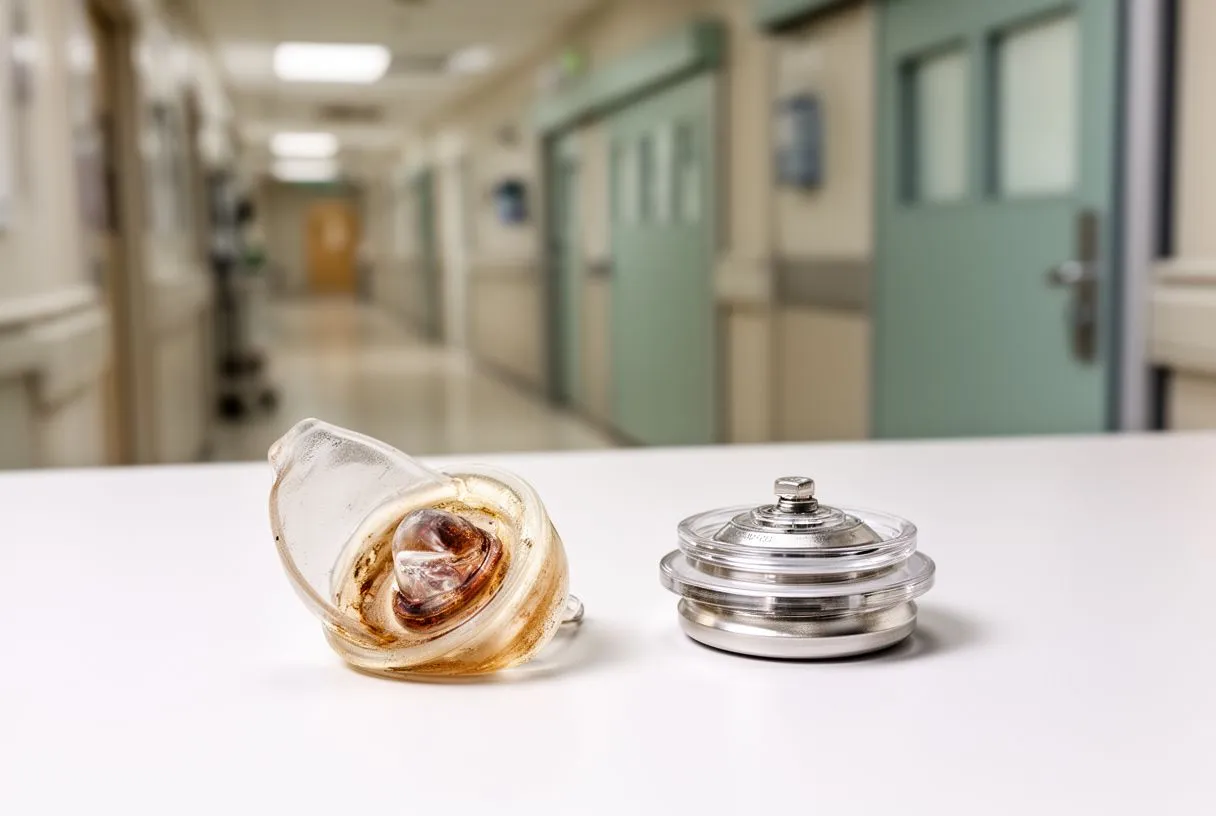
Choosing a biological valve replacement is a decision about the kind of life you want after surgery: freedom from daily blood thinners and a quieter heart, weighed against the possibility of a second procedure decades later. For most patients over 65, and for many younger ones who cannot tolerate warfarin, the tissue valve is the right answer; for others, a mechanical valve serves better. The key is to make this decision with a cardiac team that explains both options plainly and lets you decide. If you are facing valve surgery, our team led by Dr Alejandro Molina is here to review your case, answer every question in plain words, and help you choose with confidence — the first video consultation is free, and we encourage you to seek a second opinion wherever you go.