Homograft Valves: Donor Tissue in Heart Surgery
Homograft valve surgery uses donor heart tissue for valve replacement.
If your heart team has mentioned the word homograft valve surgery, you are probably facing a decision about replacing one of your heart valves, and you want to understand exactly what donor tissue means before you agree to anything. A homograft is a valve taken from a donated human heart, carefully preserved, and implanted in place of a valve that no longer works. It is one of the oldest forms of valve replacement in modern cardiac surgery and remains the preferred choice in specific situations, particularly for infections, for young patients, and for children whose valves must grow with them. This guide walks you through what a homograft is, when surgeons recommend it, how it compares with other options, what recovery actually involves, and the practical questions of cost and travel that matter to patients coming to Mexico for care.
What Is a Homograft Valve?
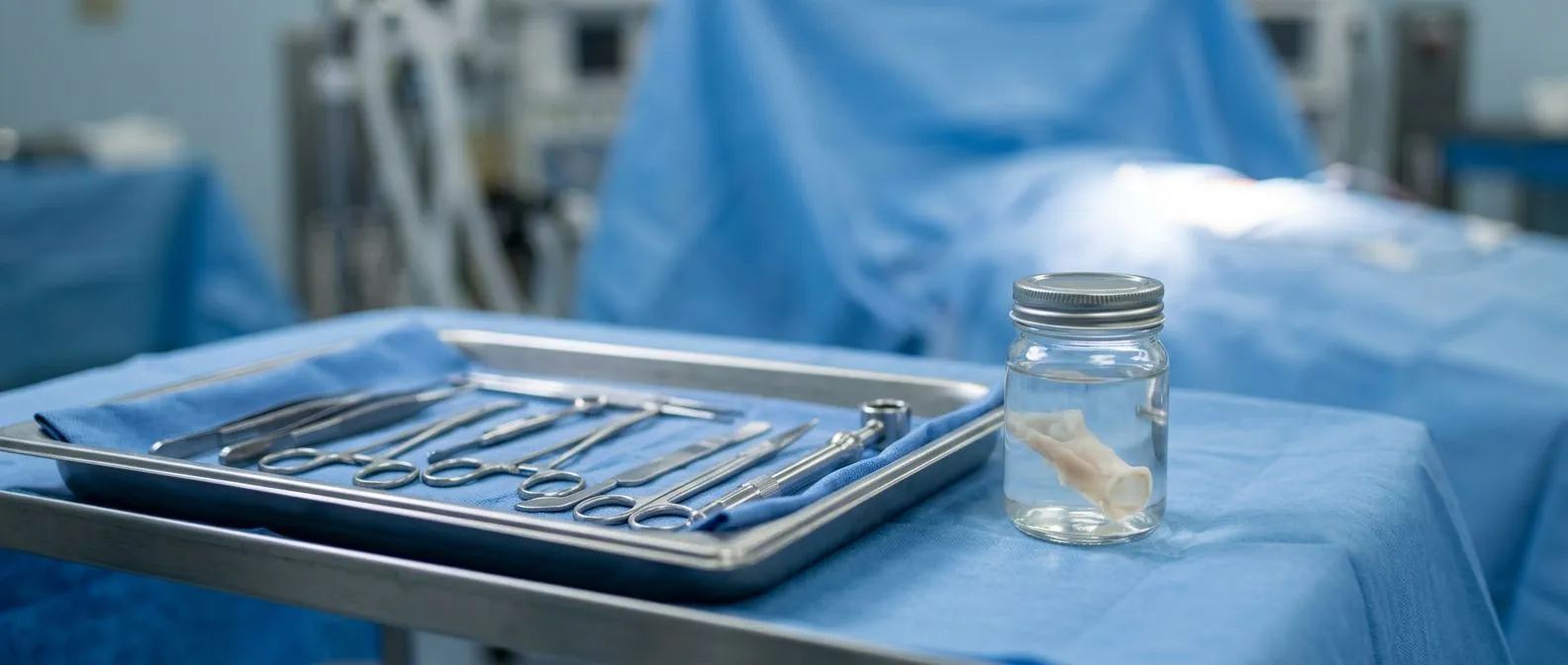
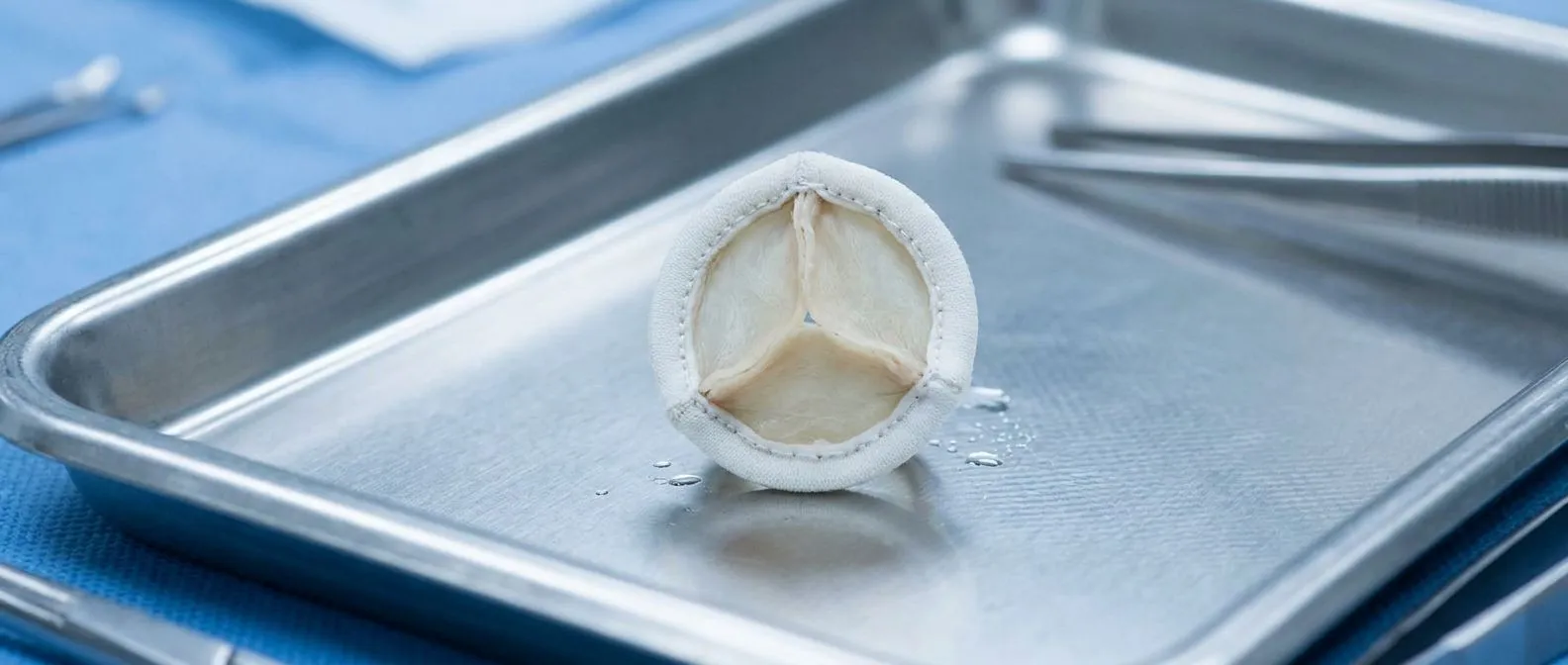
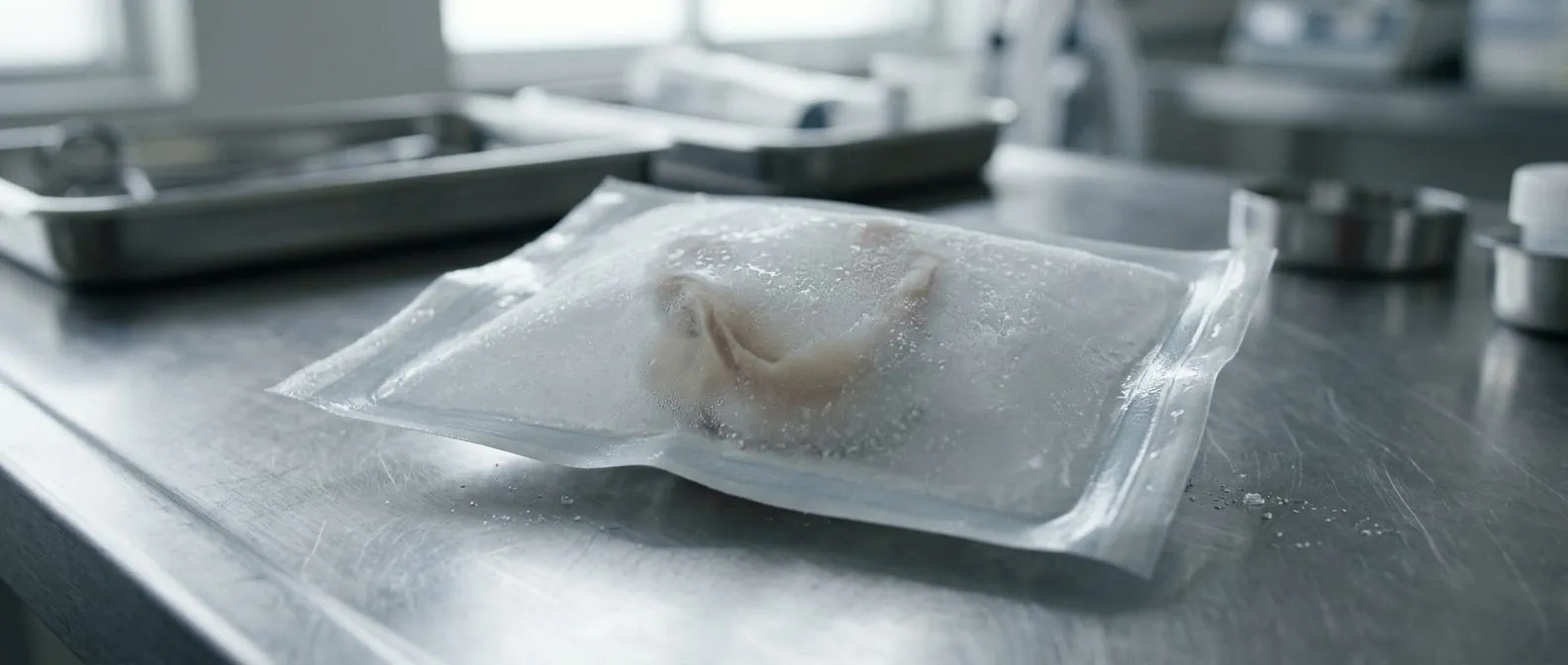
A homograft — also called an allograft — is a human heart valve with its attached tissue, removed from a donor after death, frozen in a tissue bank, and later thawed for implantation. So when someone asks what is a homograft valve, the simplest answer is this: it is a real human valve, not artificial, not animal, and not mechanical. The donor's aortic or pulmonary valve is harvested under sterile conditions, treated with antibiotics, cryopreserved in liquid nitrogen, and stored until a surgical team needs it. Because it is human tissue, the body does not reject it the way it would a transplanted organ; the valve has no living cells that trigger an immune attack, and most patients need no anti-rejection medication.
Is it the same as a skin graft? The word homograft is used in other parts of medicine too. A homograft skin graft is donor human skin used temporarily to cover large burns while the patient's own skin heals. The principle is the same — human donor tissue — but a heart valve homograft is designed to stay permanently and perform the mechanical work of a valve for years. Knowing your heart: the aortic valve sits between the left pumping chamber and the main artery to the body, and it is the valve most often replaced with a homograft.
Where does the tissue come from? Donors are people who registered as organ and tissue donors or whose families gave permission. Each valve has three delicate leaflets — the valve cusp — that open and close with every heartbeat. Because tissue banks screen for infection and quality, availability can be limited, which is one reason your surgeon plans this choice well in advance rather than during an emergency.
How Does Homograft Valve Implantation Technique Work?
Homograft valve surgery is open-heart surgery performed under general anesthesia, usually taking three to five hours. The surgeon stops the heart temporarily with a heart-lung machine keeping the body supplied with blood, then removes the diseased valve and sews the donor valve into place. The donor tissue behaves like living tissue during implantation — it is soft, pliable, and can be trimmed and shaped to fit the patient's anatomy precisely, which is one of its greatest technical advantages.
Subcoronary versus root replacement. There are two main homograft valve implantation techniques for the aortic position. In the subcoronary technique, the donor valve is implanted inside the patient's own aortic root, just below the coronary arteries that feed the heart muscle. In a full root replacement, the surgeon replaces the entire aortic root — valve and vessel together — and reattaches the coronary arteries to the donor tissue. The choice depends on the patient's anatomy, the amount of disease, and whether infection has destroyed surrounding tissue.
Stented or stentless. Homografts are stentless valves — they carry no artificial frame. A Stented Valve, by contrast, mounts the valve on a rigid or semi-rigid ring, while a Stentless Valve like a homograft preserves the natural flexibility of the aortic root, which many surgeons believe improves blood flow patterns. Whether the implant is an Intra-annular Valve seated within the natural annulus or a Supra-annular Valve positioned above it, the goal is the same: a competent, quiet valve that opens widely. Planning the implantation technique before the operation — with full imaging of the root, the coronary origins, and the annulus — often makes the difference between a straightforward implant and a difficult one.
Who Is a Candidate for Homograft Aortic Valve Replacement?
Homograft aortic valve replacement is not the default choice for every patient — surgeons reserve it for situations where its specific advantages matter most. The clearest indication is active infection of a Prosthetic Valve or a native valve, known as infective endocarditis. When bacteria have destroyed the valve and the surrounding tissue, a homograft is often preferred because human tissue resists infection better than artificial materials and gives the surgeon healthy tissue to rebuild what the infection has destroyed.
Young adults and growing children. Another strong indication is age. Mechanical valves last a lifetime but require lifelong blood thinners, and tissue valves calcify faster in younger bodies. A homograft, being human tissue, offers young and middle-aged adults a valve that functions well without anticoagulation — though it will eventually need replacement. Patients with a Connective Tissue Disorder such as Marfan syndrome, where the aortic root itself is diseased, may benefit from a Valve-sparing Root Replacement or, when sparing is impossible, a homograft root.
How the decision is actually made. Candidacy depends on the valve that is failing, the anatomy of the aortic root, age, activity level, and willingness to accept a future reoperation. Every case at our practice is reviewed by the multidisciplinary team against international practice guidelines before a recommendation is given, and you receive a clear proposal with the alternatives — the final decision is always yours. Homograft valve surgery candidacy is therefore a conversation, not a checklist.
Homograft Versus Bioprosthetic Valve and Mechanical Valves: Which Is Better?
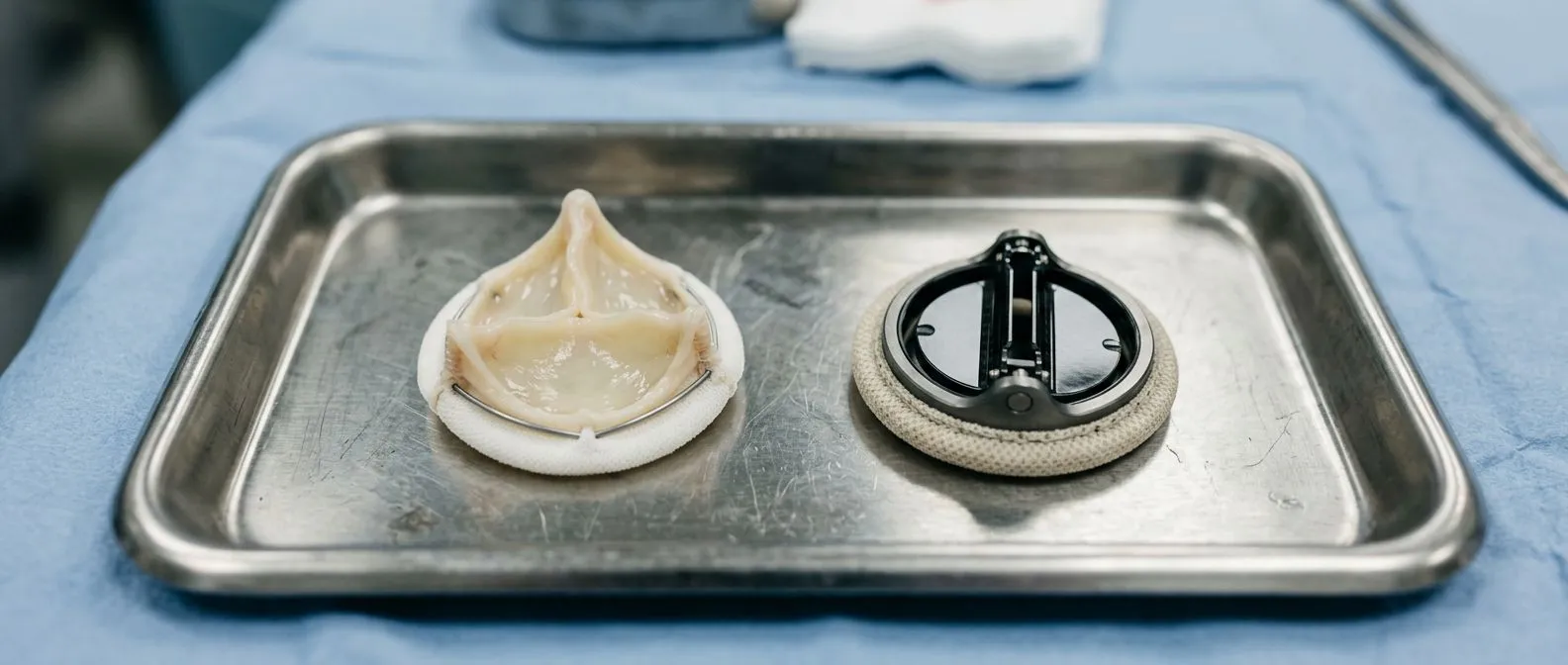
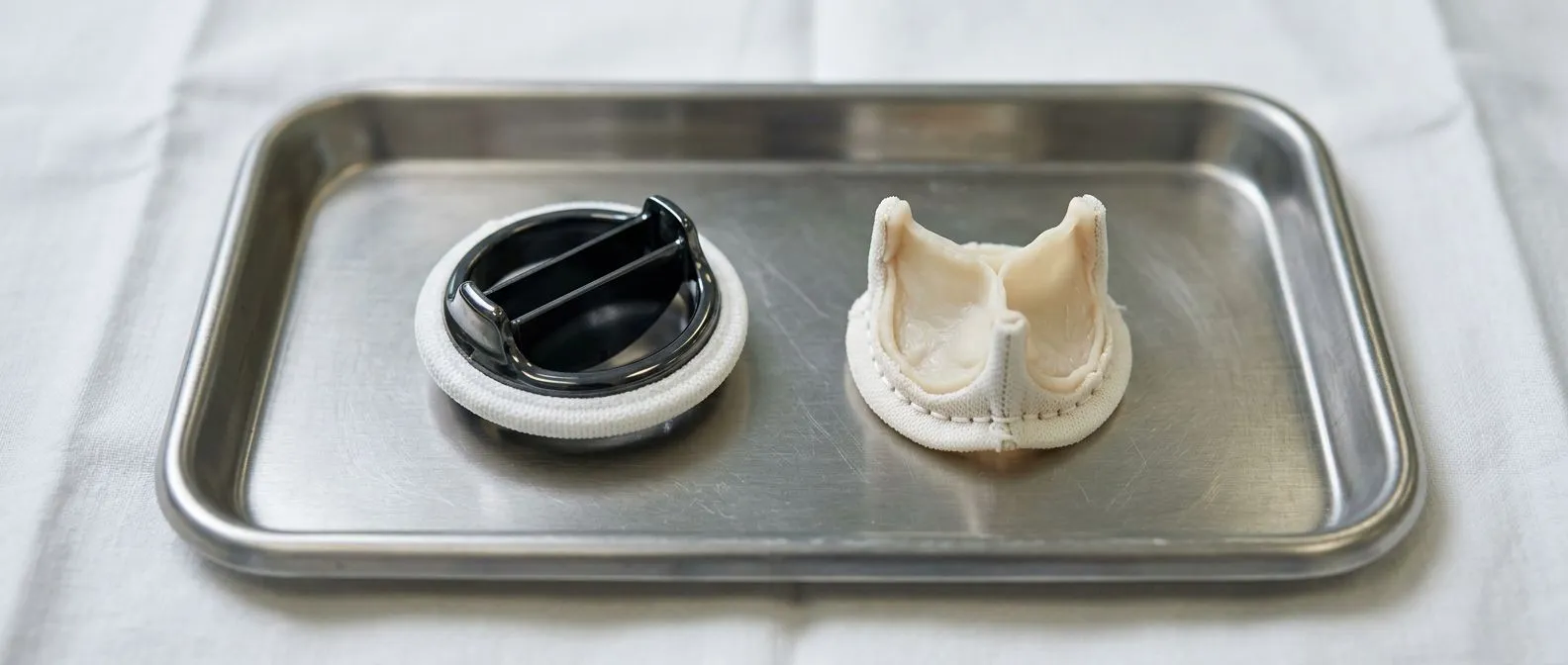
When comparing a homograft versus bioprosthetic valve options, it helps to understand the full landscape of Prosthetic Valve choices. A bioprosthetic valve is usually a Porcine Valve or a bovine pericardial valve — animal tissue mounted on a frame. It behaves much like a homograft in that it needs no lifelong blood thinners, but it is more likely to calcify, and it is more vulnerable to infection than human tissue. A mechanical valve lasts decades but commits the patient to warfarin and regular blood testing for life.
Patients often ask which is the most difficult heart valve to replace. In surgical practice, the mitral valve — on the left side between the collecting and pumping chambers — is generally considered the most technically demanding because of its delicate supporting structures, while the aortic valve is the most frequently replaced. Homografts are used almost exclusively on the aortic side and on the pulmonary valve in children.
- Homograft: human tissue, excellent resistance to infection, no blood thinners, limited availability, will eventually need reoperation.
- Bioprosthetic (tissue valve): animal tissue, widely available, no blood thinners, calcifies faster than homograft in younger patients.
- Mechanical valve: extremely durable, requires lifelong anticoagulation, best for younger patients who can manage blood testing reliably.
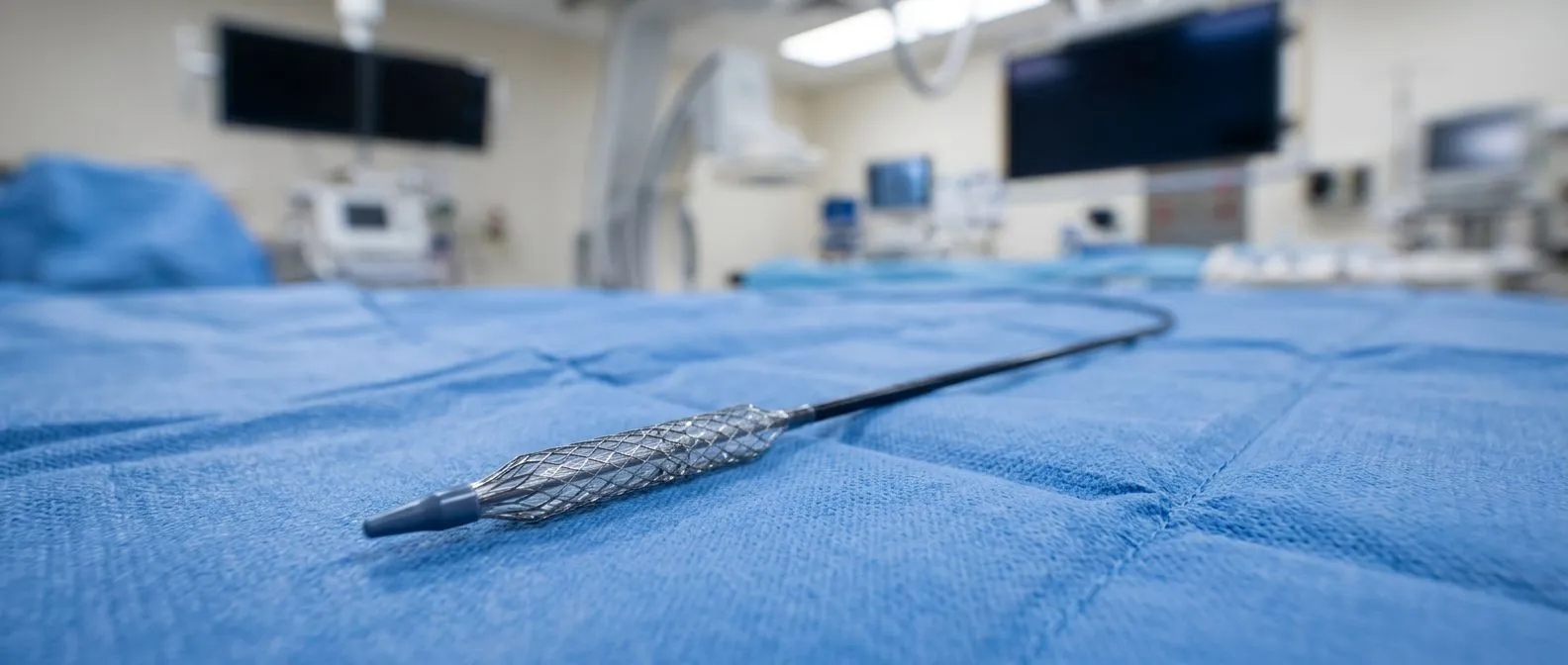
What about catheter-based options? Transcatheter Aortic Valve Implantation — now usually called TAVR — delivers a Self-expanding Valve or a Balloon-expandable Valve through a catheter in the groin, without opening the chest. TAVR is a major advance for older or higher-risk patients, but it is not a substitute for a homograft in infection cases or in young patients, and a catheter-based Valve-in-valve procedure is sometimes used later to place a new valve inside a failing tissue valve. Our team performs conventional, minimally invasive, robotic and transcatheter procedures, and we recommend the less invasive route only where the evidence supports it for that specific patient.
How Durable Is a Homograft? Long-Term Outcomes Explained
No tissue valve lasts forever, and homografts are no exception. Over the years, the donor leaflets gradually stiffen as calcium deposits build up — a process called homograft valve calcification that leads to Structural Valve Deterioration, the same gradual failure seen in tissue valves of all kinds. The published evidence on cryopreserved aortic homografts shows good midterm function, but the rate of deterioration is higher in younger patients, whose metabolism processes calcium faster. Midterm Results of Aortic Valve Replacement with Cryopreserved Homografts reported reassuring valve function over the follow-up period, with the expected pattern of gradual degeneration rather than sudden failure.
Freeze-dried and decellularized variants. Techniques keep evolving. Decellularized homografts — donor valves stripped of all donor cells so only the tissue scaffold remains — aim to reduce both immune reaction and calcification. A decade-long clinical experience with decellularized fresh homografts for pulmonary valve replacement showed that this approach can maintain valve function over many years, particularly in the pulmonary position. Tissue-engineered valves grown in laboratories are the next frontier, but they remain experimental.
What this means for you. Homograft valve durability depends most on your age at implantation: a homograft placed at age 60 may well last the rest of your life, while one placed at age 25 is likely to need replacement in 10 to 20 years. The key reassurance is that deterioration is gradual and detectable on routine echocardiograms — the valve does not fail without warning, which is why lifelong follow-up with a cardiac imaging schedule matters.
What Is the Infection Risk of a Homograft Valve?
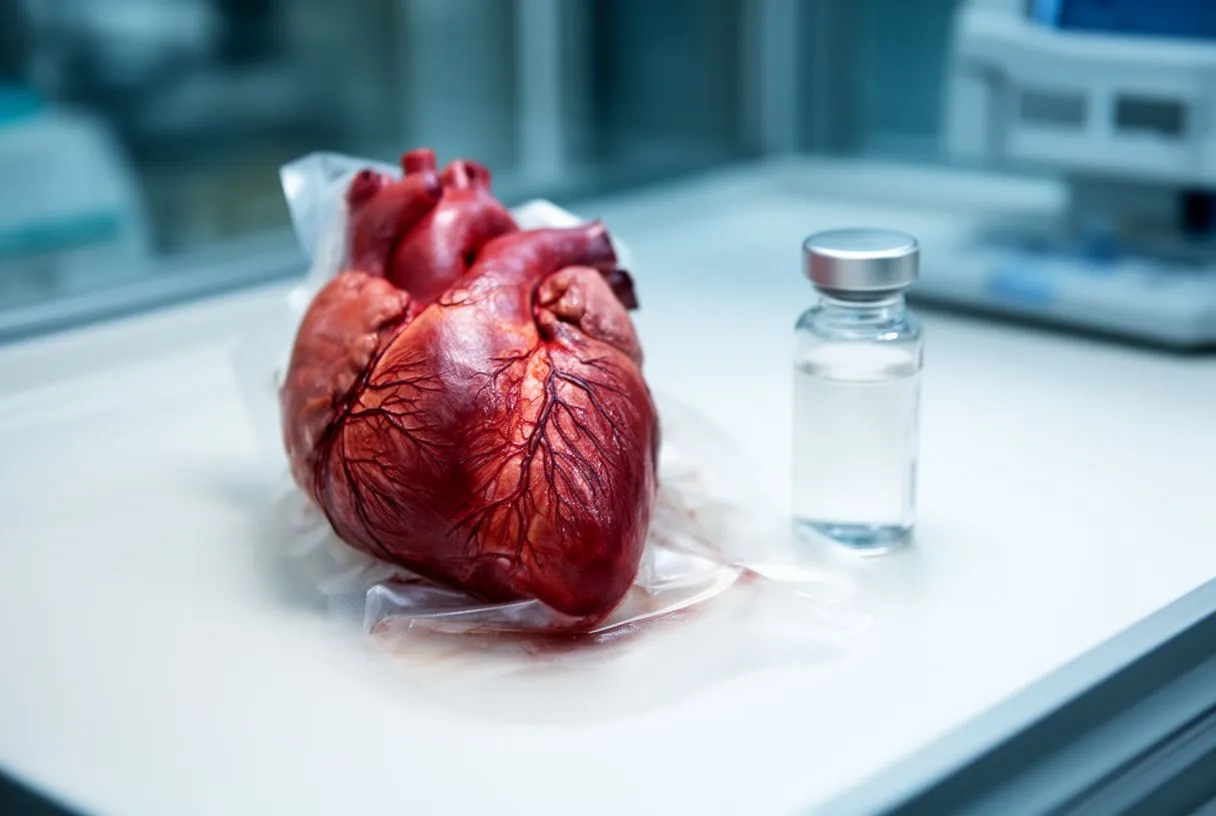
Infection of any replaced valve — Prosthetic Valve Endocarditis — is one of the most feared complications in cardiac surgery. It can occur days after surgery or years later, when bacteria enter the bloodstream through dental work, skin infections, or medical procedures. The encouraging news specific to homografts is that human tissue resists infection more effectively than any synthetic material. This is precisely why homografts are the first choice for surgeons rebuilding a heart after active endocarditis.
Why homografts handle infection better. When a mechanical valve or an animal-tissue valve becomes infected, the infection often burrows into the surrounding tissue and forms abscesses that are extremely difficult to eradicate. A homograft, being human tissue, integrates with the patient's own tissues and is less likely to harbor bacteria. When a surgeon must operate during active infection, implanting a homograft gives the best chance of curing the infection in a single operation.
Protecting your valve afterward. Every patient with a replaced valve needs antibiotic prophylaxis before certain dental procedures, excellent dental hygiene, and prompt treatment of any skin or urinary infections. If you develop fever, chills, or unexplained fatigue in the weeks or months after surgery, you must contact your cardiac team immediately — early treatment of a bloodstream infection can save the valve itself. When we counsel patients in the consultation, we take the time to explain these warning signs in plain words and answer every question before any decision is made.
Why Use a Pediatric Homograft Valve? The Ross Procedure Explained
Children with damaged aortic valves present a unique problem: no artificial valve grows with the child. A pediatric homograft valve solves part of this puzzle — it is soft, trimmable, and available in small sizes, and it performs well in the pulmonary position, where blood pressure is lower and tissue valves last longer. Congenital heart surgeons use homografts routinely to rebuild the right side of the heart in children with complex defects.
The Ross procedure — using your own valve. In the Ross procedure, the surgeon removes the child's diseased aortic valve, moves the patient's own healthy pulmonary valve into the aortic position, and places a homograft pulmonary valve where the pulmonary valve used to be. The moved valve — the autograft — is living tissue from the patient's own body and can actually grow with the child, which is why the Ross procedure is prized for infants and young children with aortic valve disease.
How long does recovery from the Ross procedure take? Hospital stay is typically five to seven days, with the child back to normal childhood activity within six to eight weeks and full recovery, including cardiac rehabilitation, over three to four months. The trade-off is that the child carries two tissue valves — the autograft in the aortic position and the homograft below — and both may need revision as the child grows. Homograft pulmonary valve surgery is therefore often planned as a staged process across childhood.
What Does Homograft Valve Replacement Recovery Look Like?
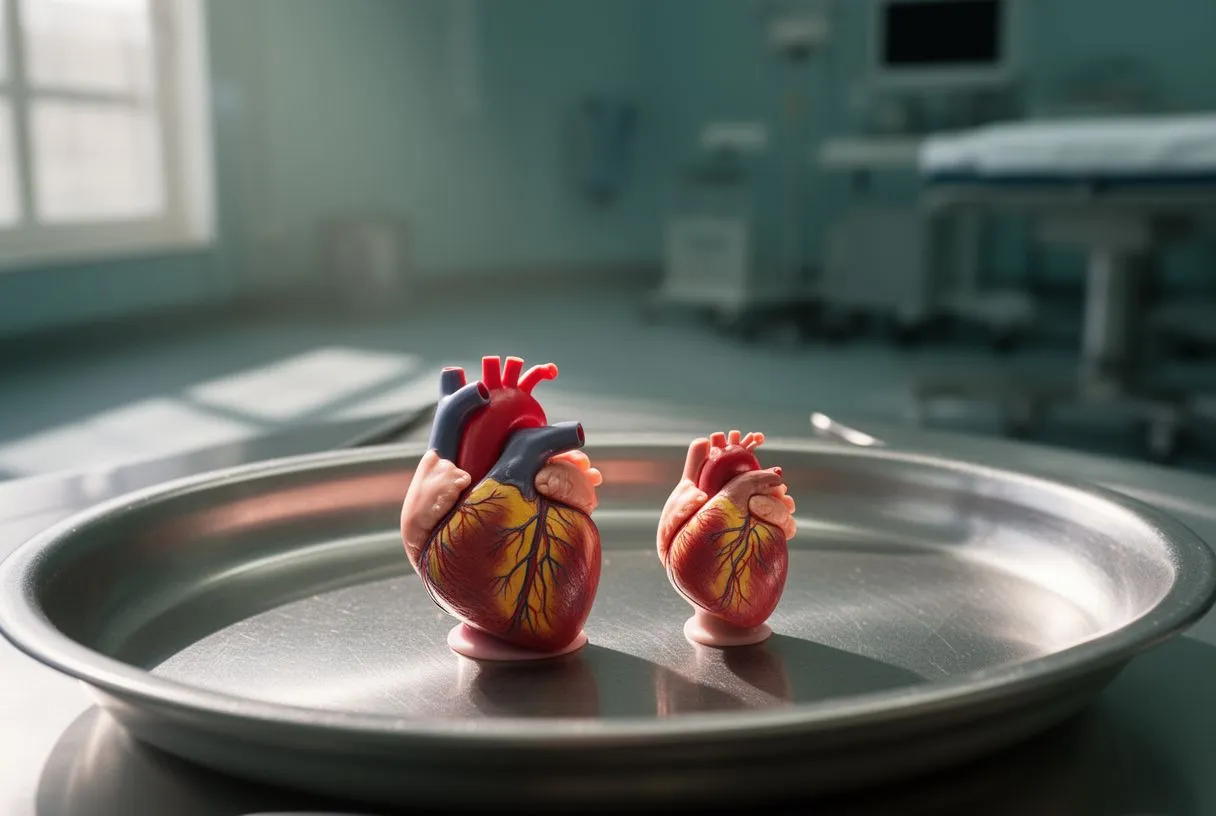
Homograft valve replacement recovery follows the same arc as other open-heart valve operations. You will spend your first night in intensive care, where nurses monitor heart rhythm and drainage, and most patients are sitting in a chair by the next day. You will move to a regular ward for three to five more days, then go home — often with a chest bone that takes six to eight weeks to knit back together.
Week by week. The first two weeks are about walking daily and letting the breastbone heal — no lifting, no driving. Weeks three through six bring gradual return to desk work and light household activity. By week eight, most patients are cleared for fuller activity, and formal cardiac rehabilitation, which many programs offer, helps rebuild strength safely. Anticoagulation is short: because homografts need no lifelong blood thinners, most patients take aspirin or a brief course of an anticoagulant rather than permanent warfarin — a genuine quality-of-life advantage over mechanical valves.
What we watch for. Warning signs during recovery include fever, wound drainage, leg swelling, irregular heartbeat, or breathlessness out of proportion to effort. Follow-up reviews typically check the wound, valve function and the echocardiogram measurements — including the Valve Area, the size of the opening the blood flows through — before each recovery stage is cleared. Lifelong yearly echocardiography follows, because the valve's condition must be tracked even when you feel perfectly well.
How Much Does Homograft Valve Surgery Cost in Mexico?
For international patients, homograft valve surgery cost in Mexico is often substantially lower than in the United States or Canada, typically by a wide margin, while surgical quality at established centers matches international standards. Costs include the surgeon's fee, hospital and intensive care charges, anesthesia, the cryopreserved homograft itself, and preoperative imaging. Because a homograft must be sourced from a tissue bank, availability and logistics can affect timing — your team should confirm tissue availability before scheduling.
Patients traveling from abroad should budget for preoperative tests, the hospital stay, a recovery period near the hospital of roughly one to two weeks, and a follow-up echocardiogram before flying home. Air travel is usually safe after the first few weeks once the surgical team clears you. Insurance coverage varies: some international policies reimburse care in Mexico with prior authorization, so verify this before booking anything.
Getting a clear picture before you travel. A responsible center will tell you exactly which studies are needed before an operation and will not order unnecessary ones. Our first contact is a free video consultation: we get to know the patient, talk through the condition together, and identify only the studies still needed — so no unnecessary tests are ordered — and a face-to-face visit at the consulting rooms follows when the patient decides to go ahead. We have consulting rooms in Guadalajara, Querétaro and Hermosillo, which lets patients choose the location most convenient for them.
Homograft Valve Surgery in Guadalajara: How Do You Decide?
If you are considering homograft valve surgery in Guadalajara or anywhere else, the decision should rest on three pillars: whether a homograft is genuinely the right material for your specific valve problem, whether the surgical team has real experience with homograft implantation, and whether you understand the commitment to eventual follow-up and possible reoperation. Homograft valve reoperation — replacing a worn homograft years later — is technically more demanding than a first operation because of scarring, so it should be planned with a team experienced in reoperative surgery.
Patients asking about life expectancy after TAVR should understand that TAVR outcomes depend heavily on age, other health conditions, and valve anatomy — and that TAVR and homograft surgery serve largely different patients. For a younger or middle-aged patient with infection or root disease, a homograft or a root-sparing repair usually offers the better long-term answer. The most useful thing you can bring to any consultation is a list of your questions and your own imaging studies.
Questions worth asking any team. Before you commit, make sure these are answered clearly:
- Why is a homograft the right choice for my valve, and what alternatives were considered?
- How many homograft implants does this surgeon and this hospital perform each year?
- What follow-up schedule will I need, and who will read my echocardiograms?
- If the valve fails years from now, what are my reoperation options?
We encourage second opinions and treat seeking one as a normal part of deciding about heart surgery — no good decision about your heart should be made under pressure. Dr Molina trained in cardiothoracic surgery at the Universidad de Guadalajara, in cardiac, minimally invasive, robotic and structural surgery at the University of Montreal, and in structural cardiology and TAVR at CHU Bordeaux, and the team trained further at Jena, Bad Berka and Buffalo; he performed the first robotic mitral valve repair in the Ángeles Health System and the first robotic heart surgery in Guadalajara.
A homograft is a human donor valve — infection-resistant, free of lifelong blood thinners, and especially valuable in endocarditis, in young patients, and in the Ross procedure for children. Its main trade-off is eventual calcification and possible reoperation, which follow-up echocardiography tracks well before trouble arises. Homograft valve surgery is one option among several, and the right one depends entirely on your anatomy, your age, and your priorities. The most important step you can take now is to sit down with a qualified cardiac team — you can start with a free video consultation with our team, where we review your studies, explain your options in plain words, and help you reach a decision you are confident in — rather than trying to self-diagnose or choose a procedure from a website.