

Homograft
Learn how a homograft works for heart valve replacement in Guadalajara.
What Is a Homograft in Cardiac Surgery?
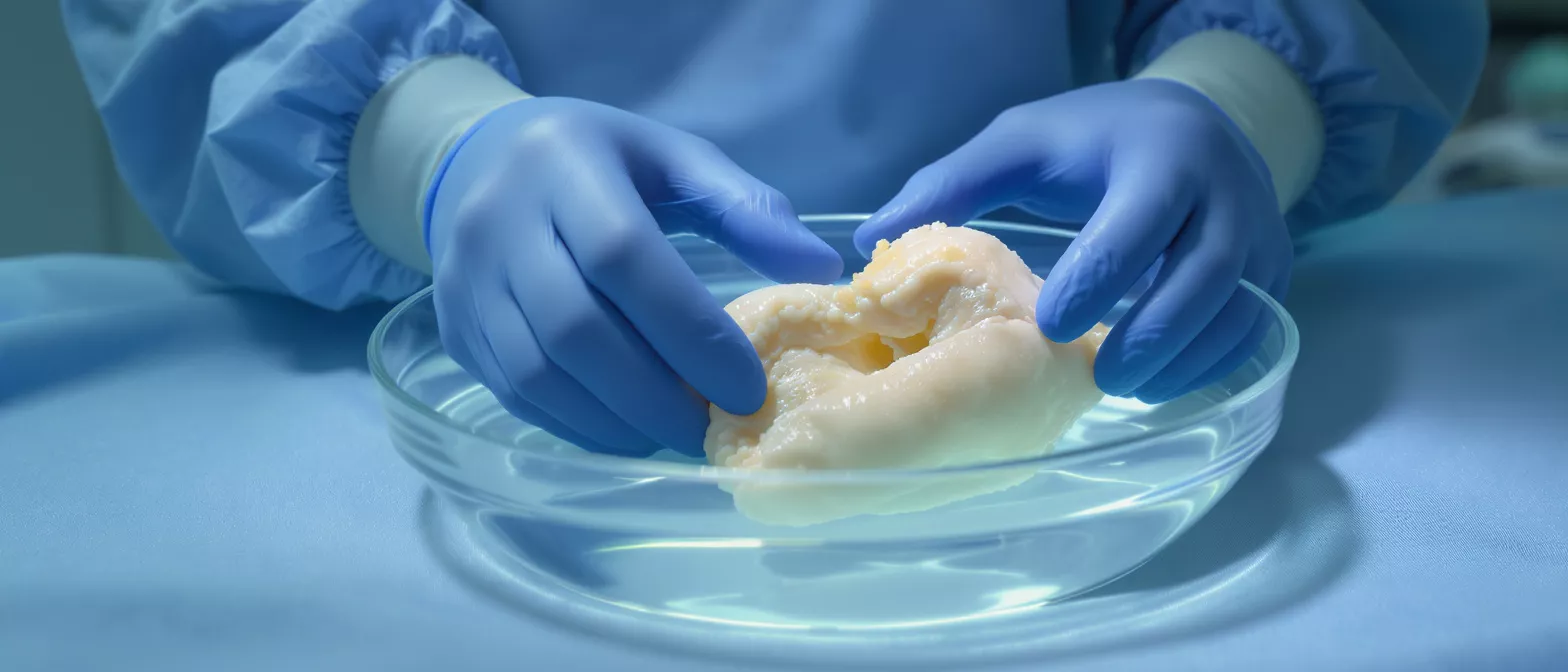
A homograft, also known as an allograft, is a biological valve or blood vessel obtained from a human donor. In heart surgery, this living or cryopreserved tissue serves as a vital replacement for a patient's damaged aortic or pulmonary valve. Surgeons rely on this specialized tissue to restore normal blood flow when a native valve can no longer function properly, providing a natural alternative to synthetic devices.
When patients first hear about using human donor tissue, they often have questions about where it comes from. Donor tissue is recovered under stringent ethical and medical protocols. It is then meticulously screened, processed, and stored to ensure safety before being placed in a recipient. This process ensures that the tissue is structurally sound and ready to function immediately upon implantation.
Homograft meaning in cardiology: In the context of cardiovascular medicine, the term refers specifically to a valve or vascular conduit sourced from a deceased human donor. Because the tissue originates from a human, it closely matches the body's natural anatomy. This biological compatibility is a primary reason why surgeons choose it for complex valve replacements and reconstruction tasks.
How Homograft Valves Work
Once implanted, a homograft functions just like a healthy, native heart valve. Its thin, flexible leaflets open and close with each heartbeat, allowing blood to flow forward efficiently while preventing dangerous backflow. Because the tissue is highly compatible with the human body, it integrates naturally into the patient's circulatory system without requiring complex mechanical adjustments.
The hemodynamic performance of this tissue is exceptional. Blood flows through the valve smoothly without the turbulence often seen in mechanical alternatives. This smooth flow reduces the stress on the heart muscle, helping the organ pump more efficiently and potentially preserving its overall function over a longer period of time.
Mechanics of blood flow through a homograft: The physiological design of the donor valve ensures optimal flow dynamics. The leaflets are naturally engineered to handle the high-pressure environment of the heart. By mimicking the exact opening and closing mechanics of a native valve, the homograft minimizes energy loss and supports robust cardiovascular health.
Types of Homograft Cardiac Implants
Surgeons categorize these biological implants based on their anatomical origin. The two primary types used in heart surgery are the aortic homograft and the pulmonary homograft. Each type serves a specific purpose depending on the patient's underlying condition and the structural integrity of their own heart chambers and vessels.
- Aortic homograft: Used to replace a failing aortic valve or reconstruct the aortic root, offering a robust solution for high-pressure areas of the heart.
- Pulmonary homograft: Utilized primarily in right-sided heart reconstructions, such as the Ross procedure, where it replaces the pulmonary valve.
- Valved conduit: A combination of a valve and an attached length of blood vessel, used when both the valve and the connected artery need replacement.
Homograft vs Mechanical Prosthesis Benefits
Biological compatibility and lifestyle advantages: One of the most significant benefits of a homograft is that patients generally do not require lifelong blood-thinning medication. Mechanical valves necessitate strict daily use of anticoagulants, which requires routine blood testing and dietary restrictions. Avoiding these medications dramatically reduces the risk of bleeding complications, allowing patients to return to a more normal lifestyle.
Another advantage is the absence of mechanical clicking sounds. Synthetic valves produce an audible ticking noise that some patients find distracting. Donor tissue operates silently, providing both physiological and psychological comfort. Patients often appreciate the natural feel of the tissue, as it closely mimics their original anatomy without foreign mechanical sounds.
When comparing a biological aortic valve replacement to mechanical options, the durability profile shifts. Mechanical valves can last a lifetime, whereas biological tissue eventually degenerates. However, the freedom from blood thinners and the superior blood flow characteristics make donor tissue a highly attractive option for specific patient populations.
When Is a Homograft Used in Heart Surgery?
Surgeons select this approach for specific clinical scenarios. It is frequently the preferred choice for treating complex aortic valve infections, known as endocarditis. The infection often destroys native tissue, leaving the surrounding area fragile. Donor tissue is highly resistant to bacterial adherence, making it an excellent tool for eradicating infection and rebuilding the damaged structures.
It is also the cornerstone of the Ross procedure, a specialized surgery where the patient's own pulmonary valve is moved to the aortic position, and a donor pulmonary valve is placed in the vacated spot. This complex operation is typically reserved for younger, active patients who want to avoid long-term anticoagulation while achieving durable, natural heart function.
For certain congenital heart defects, a pulmonary valve conduit may be necessary to correct malformed or absent structures. Surgeons utilize this donor tissue to establish a functional pathway from the right ventricle to the lungs. The versatility of the tissue allows for creative surgical solutions tailored to each patient's unique anatomical challenges.
Are Homografts Safe for Valve Replacement?
Safety is a primary concern for any patient facing heart surgery. The use of donor tissue is considered highly safe, backed by decades of clinical success in cardiac operating rooms worldwide. Tissue banks follow rigorous screening protocols to ensure the tissue is free from infectious diseases before it ever reaches a patient. Every implant undergoes extensive testing for viability and structural integrity.
Because the tissue is biological, the body accepts it readily, significantly reducing the risk of rejection seen with solid organ transplants. Patients do not need to take immunosuppressive drugs, which preserves their immune system's ability to fight off everyday illnesses. The natural healing process allows the patient's own cells to gradually line the donor tissue, securing it in place permanently.
Infection resistance and structural integrity: Biological tissue demonstrates a remarkable ability to resist infection. When a patient suffers from aggressive endocarditis, synthetic materials can harbor bacteria, making eradication difficult. Human tissue is naturally resilient to bacterial colonization, providing a safer environment for healing and reducing the likelihood of recurrent infections.
How Is a Homograft Preserved and Prepared?
The journey from donor to patient involves advanced preservation techniques. Immediately after recovery, the tissue is placed in a specialized nutrient bath and gradually cooled. This process, known as cryopreservation, utilizes a controlled rate of freezing to prevent ice crystals from forming inside the delicate cellular structures. This careful freezing keeps the tissue viable for years.
Once cryopreserved, the implant is stored in liquid nitrogen vapor at extremely low temperatures. This deep freeze effectively pauses the biological clock, maintaining the tissue's structural and cellular properties until a matching recipient requires it. When surgery is scheduled, the tissue is thawed and washed according to precise protocols to ensure it is ready for implantation.
Understanding the cryopreserved human tissue graft process helps patients appreciate the meticulous care involved. The preparation requires a highly trained surgical team to size and trim the donor valve to match the recipient's anatomy perfectly. This custom fitting is essential for ensuring optimal blood flow and long-term surgical success.
Durability of the Homograft Long-Term Outcomes
Expected lifespan of a biological homograft: Unlike mechanical valves made of carbon and titanium, biological tissue has a finite lifespan. A human donor valve typically lasts between 15 and 20 years, though this varies based on the patient's age and metabolism. Younger patients experience faster calcium turnover, which can accelerate tissue degeneration over time.
Despite the eventual need for replacement, the intermediate durability is excellent. For many patients, this timeline provides a significant portion of their active life without the burden of blood thinners. When the tissue eventually wears out, surgeons can often perform a specialized, minimally invasive procedure called a valve-in-valve insertion, rather than repeating a full open operation.
The longevity of the implant is influenced by several factors, including the patient's overall cardiovascular health, blood pressure control, and the specific surgical technique used. Regular follow-up with a cardiologist ensures that the valve's function is monitored closely. Echocardiograms allow doctors to track the structural integrity and intervene promptly if necessary.
What to Expect After Homograft Surgery
Recovery from any heart surgery, including a procedure utilizing donor tissue, requires time and dedication. In the immediate days following the operation, patients remain in the intensive care unit for close monitoring. Once stabilized, they transition to a cardiac rehabilitation program designed to slowly rebuild physical strength and cardiovascular endurance safely.
Because blood thinners are generally not required, the post-operative lifestyle adjustments are usually less intensive. Patients still need to monitor their heart health, maintain a balanced diet, and attend regular check-ups. The surgical team will provide specific guidelines regarding physical activity, wound care, and warning signs to watch for during the healing process.
Long-term success depends heavily on partnership between the patient and their medical team. Adopting heart-healthy habits, such as regular exercise and blood pressure management, protects the new valve and extends its functional life. With proper care, patients return to their daily routines enjoying improved energy levels and a restored quality of life.
Summary on Homograft Cardiac Surgery
Choosing the right valve replacement is a significant medical decision. A homograft offers a natural, highly effective solution for patients requiring aortic or pulmonary valve replacement. The biological compatibility eliminates the need for lifelong blood thinners, while the exceptional hemodynamics support robust heart function, making it a preferred choice for complex anatomical reconstruction and severe infections.
- Key Takeaway: Donor tissue provides a safe, natural alternative to mechanical valves, particularly for younger patients or those fighting active infections.
- Quality of Life: Freedom from anticoagulants allows for an unrestricted lifestyle and reduces bleeding risks.
- Medical Partnership: Regular echocardiograms and communication with your surgeon are vital for monitoring durability and planning future care.
Understanding your surgical options empowers you to make informed decisions about your heart health. If you or a loved one is facing valve surgery, discussing the suitability of donor tissue with a qualified surgeon is a critical step. It is a proven, reliable method that continues to offer hope and healing to cardiac patients worldwide.






