

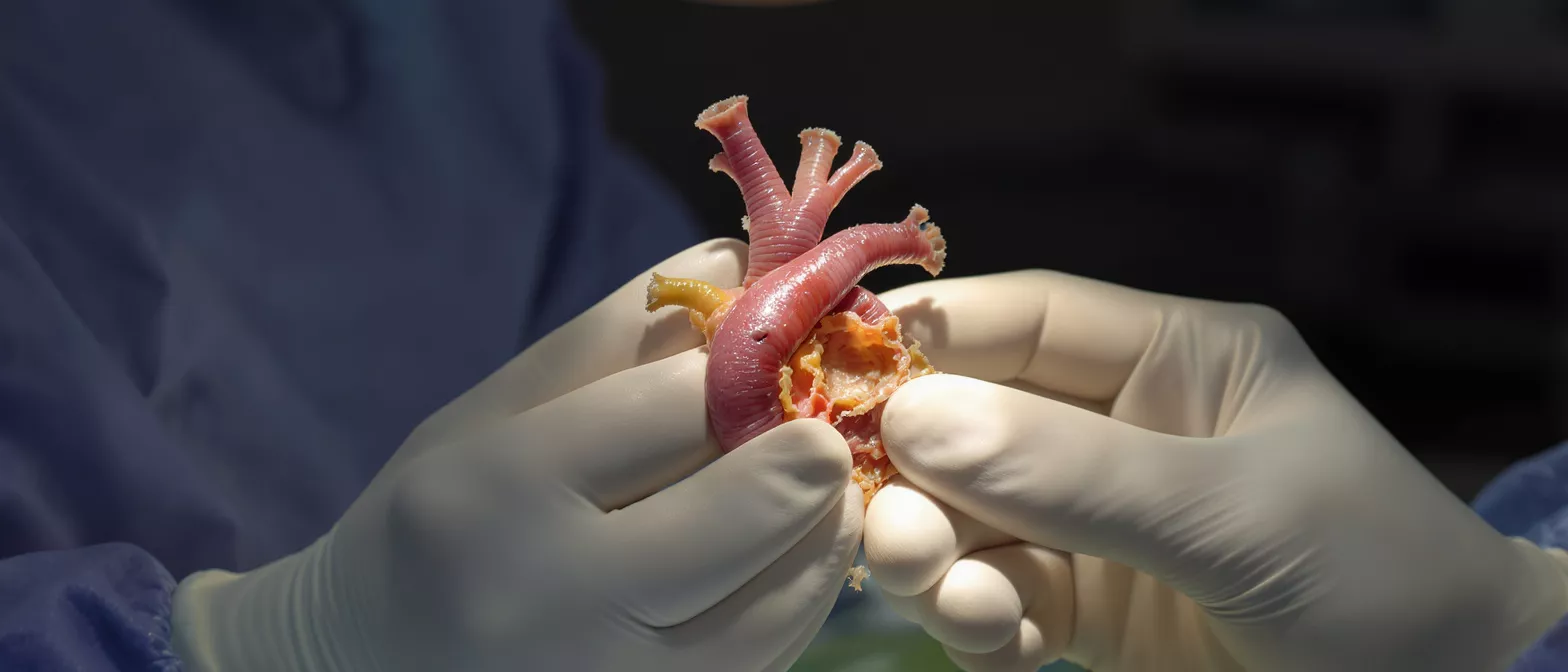
Ross Procedure
The Ross procedure replaces a diseased aortic valve with your own pulmonary tissue.
What is the Ross Procedure
The Ross procedure is a specialized heart valve surgery designed to replace a diseased aortic valve. When the aortic valve cannot function properly, it struggles to keep blood flowing in the correct direction from the heart to the body. This surgical technique offers a unique solution by using the patient's own healthy pulmonary valve to replace the damaged aortic valve. It is a complex but highly effective operation that requires an experienced cardiac surgeon.
Why the aortic valve matters: The aortic valve is essential for maintaining unidirectional blood flow from the left ventricle to the rest of the body. If it becomes narrowed (stenosis) or leaky (regurgitation), the heart must work significantly harder to pump blood. Over time, this extra strain can lead to severe cardiac complications, making surgical intervention necessary to restore normal circulation.
A living valve replacement: Unlike mechanical valves or animal tissue replacements, the Ross procedure utilizes a living valve from the patient's own body. This means the new aortic valve can grow and adapt naturally with the patient, making it an especially valuable option for younger individuals who need a durable, long-term solution.
How the Ross Procedure Works
The pulmonary autograft: The core mechanism of the Ross procedure involves transferring the patient's pulmonary valve—known as the autograft—from the right ventricle to the aortic position. The pulmonary valve is normally responsible for sending blood to the lungs, but it is structurally very similar to the aortic valve. Once transplanted, it takes over the heavy workload of pumping blood throughout the entire body.
Replacing the pulmonary valve: After the surgeon removes the pulmonary valve to use in the aortic position, they must replace it to restore normal heart function. A human donor valve, called a homograft, is typically placed in the pulmonary position. This donor valve handles lower pressure, which makes it highly durable in its new role.
Because the autograft is a living tissue, it integrates seamlessly into the heart's structure. It avoids the need for sharp metal components or stiff artificial leaflets, allowing the heart to pump in a more natural, efficient manner. This biological harmony is what makes the operation so appealing to both surgeons and patients.
Ross Procedure in Children vs Adults
The Ross procedure is frequently recommended for children and young adults because their bodies are still growing. Artificial valves do not grow with a child, which would necessitate multiple open-heart surgeries as the child matures. By using the patient's own living tissue, the transplanted valve can grow alongside the child, dramatically reducing the need for future operations and ensuring proper cardiovascular development.
Use in adults: While traditionally seen as a pediatric solution, the Ross procedure in adults has gained significant traction. Active adults often prefer this surgery because it does not restrict physical activity and eliminates the need for lifelong blood thinner medication. For young, otherwise healthy adults facing aortic valve disease, this operation provides a permanent, high-quality solution.
Choosing this operation requires careful evaluation by a multidisciplinary heart team. The surgeon must assess the patient's overall anatomy, the function of both the aortic and pulmonary valves, and any underlying heart conditions. When performed on the right candidate, the results are excellent, giving patients a normal, unrestricted quality of life.
Benefits of the Ross Procedure
Patients choose the Ross procedure because it offers distinct biological advantages over traditional mechanical replacements. The transplanted valve behaves exactly like a native aortic valve, opening and closing naturally with each heartbeat. This natural function reduces stress on the heart muscle and provides excellent blood flow dynamics.
Avoiding blood thinners: One of the most significant benefits is the elimination of lifelong anticoagulant therapy. Mechanical valves require patients to take daily blood thinners, which come with dietary restrictions and a risk of bleeding complications. The Ross procedure relies on living tissue, meaning patients can live freely without the burden of daily medication management.
Another major advantage is the durability of the autograft. Because it is the patient's own tissue, the body will not reject it. The autograft is highly resistant to infection and degeneration, offering a low-maintenance, long-term solution for aortic valve disease. For patients seeking a biological heart valve replacement, this surgery stands out as a premier option.
Who is a Good Candidate for the Ross Procedure
Determining Ross procedure eligibility involves a thorough diagnostic process. Surgeons evaluate the patient's aortic valve disease, the health of their pulmonary valve, and the overall function of the heart muscle. A good candidate is typically a younger patient whose pulmonary valve is perfectly healthy and structurally normal.
Evaluating the pulmonary valve: The success of the operation depends entirely on the quality of the pulmonary autograft. If a patient has a connective tissue disorder or a diseased pulmonary valve, they may not be eligible for this specific surgery. The cardiac surgeon will use advanced imaging to ensure the valve is robust enough to handle the systemic pressure of the aortic position.
Patients considering their surgical options should consult a specialist to review their specific anatomy. Those looking to avoid mechanical valves and the associated anticoagulation therapy often ask about a pulmonary autograft valve surgery to see if their unique anatomy supports this approach.
Ross Procedure vs Mechanical Valve
When comparing the Ross procedure vs mechanical valve options, the primary differences lie in lifestyle, medication, and longevity. Mechanical valves are highly durable but require strict, lifelong use of blood thinners and regular blood testing. They are sometimes audible, and patients must be cautious about contact sports due to bleeding risks.
- Ross Procedure: No blood thinners required, valve grows with the patient, natural blood flow, but a more complex surgery.
- Mechanical Valve: Extremely durable, less complex to implant, but requires lifelong anticoagulation therapy and regular monitoring.
The decision depends heavily on the patient's age, lifestyle, and ability to manage strict medication routines. Younger, active patients tend to favor the Ross procedure to maintain an unrestrictive lifestyle. Those who need a simpler surgical approach might instead choose a aortic valve replacement device that does not require complex harvesting of their own heart tissue.
Understanding Ross Procedure Recovery
Ross procedure recovery follows a similar timeline to standard open-heart surgery. Patients typically spend several days in the intensive care unit for close monitoring before transferring to a regular hospital room. The total hospital stay usually lasts about a week, depending on how quickly the patient regains strength.
Returning to normal activities: Once discharged, patients are encouraged to engage in light physical activity and gradually increase their walking. Complete recovery takes about six to eight weeks, during which the breastbone heals. Cardiac rehabilitation is highly recommended to safely rebuild cardiovascular endurance and ensure a safe return to exercise and daily routines.
Regular follow-up appointments are crucial to monitor both the new aortic autograft and the pulmonary homograft. Echocardiograms are used to track valve function over time. Patients who follow their surgeon's guidelines closely experience smooth recoveries and excellent long-term results.
Potential Ross Procedure Complications
Like any major cardiac operation, there are potential Ross procedure complications. Because the surgery involves two separate valve regions—removing the pulmonary valve and placing it in the aortic position—the operative time is longer than a standard single valve replacement. This increases the time spent on the heart-lung machine.
Long-term structural changes: Over decades, the pulmonary autograft in the aortic position can sometimes dilate, causing the root of the aorta to enlarge. Additionally, the donor homograft in the pulmonary position may eventually wear out. If either of these events occurs, a subsequent procedure may be necessary later in life to repair or replace the affected valve.
Despite these risks, the overall safety profile of the operation is excellent when performed by experienced surgeons. The immediate risks of infection, bleeding, or stroke are similar to other open-heart surgeries. Careful patient selection and meticulous surgical technique minimize these risks and ensure the best possible outcomes.
Long-Term Outcomes of the Ross Procedure
The Ross procedure long-term outcomes are among the most favorable in cardiac surgery. Studies show that the autograft remains functional for decades, with survival rates matching those of the general population. The transplanted pulmonary valve adapts perfectly to the high-pressure aortic environment, providing efficient, durable blood flow.
Quality of life: Patients report a remarkably high quality of life post-surgery. Without the need for blood thinners, individuals can participate fully in sports, travel, and family activities without the constant worry of medication levels. The psychological benefit of having a "living" repair rather than a mechanical device is a significant factor in patient satisfaction.
Long-term survival is heavily influenced by the surgeon's experience. Centers experienced in this specific operation generally report lower complication rates and better durability over time. Expertise in both the autograft harvesting and the homograft placement is vital for ensuring the valve lasts a lifetime.
Find Ross Procedure Care in Mexico
Finding an experienced cardiac surgeon is the most critical step for a successful outcome. The Ross procedure requires advanced technical skill and a deep understanding of valve dynamics. Patients seeking this specialized operation often look beyond their local area to find surgical teams with extensive, proven expertise in pulmonary autograft techniques.
World-class cardiac care in Guadalajara: Patients can access state-of-the-art cardiac care at Cirugía de Corazón, where Dr Alejandro Molina leads a dedicated surgical team. The facility offers comprehensive evaluations, advanced imaging, and expert surgical intervention for complex aortic valve disease. Choosing heart valve surgery in Guadalajara provides access to high-quality medical care with a compassionate, patient-centered approach.
If you or a loved one is facing aortic valve disease, exploring the Ross procedure could be the key to a long, active, and unrestricted life. Reach out to a qualified cardiac center to discuss your eligibility and take the first step toward comprehensive heart health.






