

Cardiac Surgeon
Learn what a cardiac surgeon does, their training, and how they treat heart conditions.
What is a cardiac surgeon?
Understanding the role of a cardiac surgeon begins with recognizing the immense dedication required to repair the human heart. A cardiac surgeon is a highly trained medical doctor who specializes in surgical procedures to treat diseases, injuries, and structural defects of the heart, arteries, and valves. When medications or less invasive treatments are not enough to manage a heart condition, this specialist steps in to perform life-saving physical corrections. For patients facing heart disease, the decision to undergo surgery can be overwhelming, but knowing that a dedicated expert is guiding the process provides profound reassurance.
Why a heart surgery doctor matters to your care: This specialist is the definitive authority on operative heart repair. They interpret complex diagnostic images, assess the physical state of the heart muscle, and determine whether a surgical approach is the safest and most effective path forward. Their expertise bridges the gap between chronic heart disease management and definitive physical correction.
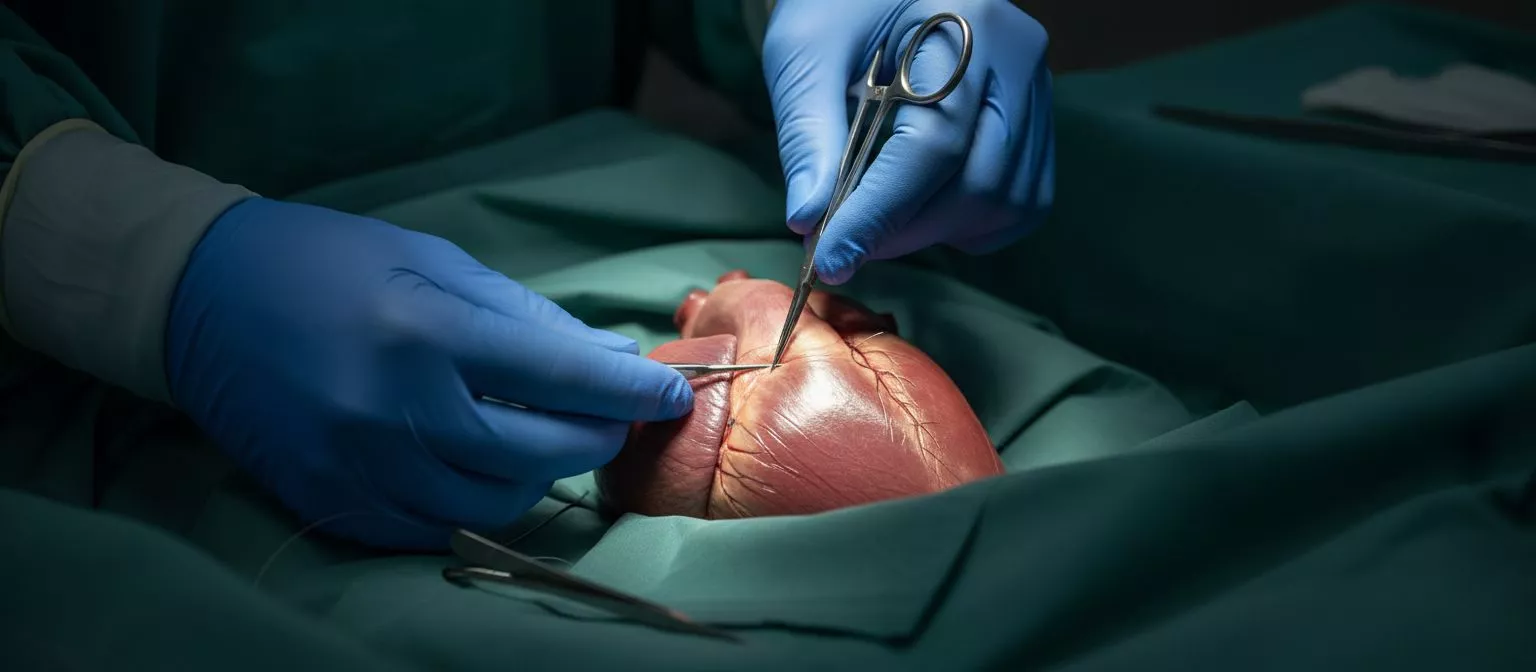
Heart surgery requires absolute precision. The procedures often involve stopping the heart and using a heart-lung bypass machine to maintain blood circulation while the surgical team repairs damaged vessels or replaces faulty valves. It is a meticulous discipline that combines deep anatomical knowledge with advanced technical skill, all aimed at restoring healthy blood flow and improving the patient's quality of life.
What does a cardiac surgeon do?
The day-to-day responsibilities of a cardiac surgeon extend far beyond the operating room. While the surgical procedure itself is the most visible part of their work, the actual surgery is just one phase of a comprehensive care journey. A heart surgery doctor spends significant time evaluating patients before ever scheduling a procedure, ensuring that surgery is truly the most appropriate option for the individual's specific condition.
Pre-operative assessment and planning: Before any incision is made, the surgeon reviews echocardiograms, cardiac catheterization results, and CT scans to map out the exact anatomy of the patient's heart. They assess the strength of the heart muscle, the severity of blockages, and the functionality of the valves. This planning phase is critical for anticipating challenges and ensuring the surgical team is fully prepared.
Post-operative critical care: The surgeon remains actively involved in the immediate recovery process, working in intensive care units to monitor the patient's heart function as they wake from anesthesia. They manage complications, adjust medications, and oversee the transition from critical care to standard recovery. A cardiovascular surgery expert stays engaged until the patient is stable and ready to begin cardiac rehabilitation.
How to become a cardiac surgeon?
The path to becoming a cardiac surgeon is one of the longest and most demanding in all of medicine. It requires over a decade of rigorous education and hands-on training after completing an undergraduate degree. This extensive preparation ensures that when a surgeon finally operates independently, they have encountered a vast array of anatomical variations and clinical scenarios.
The training timeline begins with four years of medical school, followed by a five-year residency in general surgery. During this residency, the doctor learns fundamental surgical skills, trauma management, and patient care. Only after mastering these foundational techniques do they apply for a specialized cardiothoracic surgery fellowship. This fellowship adds two to three more years of focused training specifically in heart and lung surgeries. Exploring specialized educational resources can be helpful, similar to seeking out comprehensive anatomy study guides to understand the complexity of the human body.
Throughout this decade of training, the future surgeon assists in hundreds of operations, gradually taking on more responsibility until they can lead complex procedures. By the time they complete their training, they have dedicated their entire professional life to mastering the mechanics of the heart. This commitment ensures patients are placing their trust in one of the most rigorously tested professionals in healthcare.
Cardiac surgeon vs cardiologist?
Many patients are confused about the difference between a cardiologist and a cardiac surgeon, often using the terms interchangeably. While both specialties treat the heart, their approaches, training, and daily practices are fundamentally different. Understanding this distinction helps patients know exactly who to turn to at different stages of their heart health journey.
Cardiologists manage internal medicine: A cardiologist diagnoses heart conditions using tests like ECGs, stress tests, and echocardiograms. They treat patients using medications, lifestyle modifications, and minimally invasive catheter-based procedures like stents or ablations. They rarely perform open surgical interventions.
Cardiac surgeons perform physical repairs: When a condition cannot be fixed with medication or a catheter, a cardiac surgeon steps in. If a blocked artery requires a bypass, or a severely damaged valve needs replacement, the surgeon physically opens the chest to repair or replace the damaged structures. The cardiologist typically refers the patient to the surgeon when surgical intervention becomes necessary, and the two often work closely together to coordinate care.
What conditions does a cardiac surgeon treat?
A cardiac surgeon treats a wide spectrum of structural and vascular conditions of the heart. These are physical problems that require operative repair rather than pharmaceutical management. The goal of surgical intervention is always to restore normal blood flow, repair damaged tissues, or correct congenital defects that compromise heart function.
Coronary artery disease: When plaque builds up inside the coronary arteries, it restricts blood flow to the heart muscle, leading to chest pain and increasing the risk of heart attacks. A bypass surgery specialist performs coronary artery bypass grafting, taking a healthy blood vessel from the leg or chest to reroute blood around the blockage.
Heart valve disease: The heart has four valves that open and close to keep blood flowing in the correct direction. When valves become narrow (stenosis) or leaky (regurgitation), a heart valve surgeon repairs or replaces them with mechanical or biological prostheses to restore efficient circulation.
Types of heart surgery a cardiac surgeon performs?
Heart surgery is not a single procedure but a field of highly specialized operations. A cardiovascular surgery expert tailors the surgical approach to the exact anatomical problem and the overall health of the patient. Understanding the primary types of procedures helps demystify what happens in the operating room.
- Coronary Artery Bypass Grafting (CABG): The most common open-heart procedure, used to bypass blocked arteries and restore blood flow to the heart muscle.
- Heart Valve Repair or Replacement: Fixing or replacing diseased mitral, aortic, tricuspid, or pulmonary valves to ensure unidirectional blood flow.
- Aneurysm Repair: Surgically removing or reinforcing a weakened, bulging area of the aorta or heart wall to prevent a life-threatening rupture.
Beyond these common procedures, surgeons also perform heart transplants for end-stage heart failure and surgically correct congenital heart defects in both infants and adults. Each procedure requires a unique set of tools, techniques, and perioperative protocols to ensure the best possible outcome for the patient. Surgeons often utilize advanced imaging similar to the clarity found in a high-resolution anatomical display model to plan these intricate repairs with precision.
How to find the best cardiac surgeon in Mexico?
Finding the right surgeon is a critical step in ensuring a successful surgical outcome and a smooth recovery. Patients seeking a cardiac surgeon in Mexico or the broader Jalisco region have access to highly qualified, internationally trained specialists. The search should focus on credentials, experience, and the quality of the hospital where the surgery will be performed.
Experience with specific procedures: Not all heart surgeons specialize in every procedure. If a patient needs a mitral valve repair, they should look for a surgeon who performs a high volume of that specific operation. Volume and repetition are strongly linked to better surgical outcomes, as the surgical team is highly familiar with the nuances of that particular anatomy.
Hospital infrastructure and support: A cardiac surgeon is only as good as the team and facility supporting them. The best cardiac surgeon in Mexico will operate in a hospital equipped with advanced cardiac intensive care units, specialized perfusion teams for the heart-lung machine, and rapid-response protocols for any complications. Reviewing hospital accreditations and the availability of on-site cardiac rehabilitation programs is an essential part of the selection process.
What to ask a cardiac surgeon near me?
Meeting a heart surgeon for the first time can be an intimidating experience, but it is a crucial opportunity to gather information and build trust. Patients should arrive prepared with specific questions to help them understand the proposed procedure, the risks involved, and the expected recovery timeline. Open communication is the foundation of a successful patient-surgeon relationship.
- Procedure specifics: What exactly will happen during my surgery, and why is this specific procedure the best option for my diagnosis?
- Risks and outcomes: What are the potential complications of this surgery, and how frequently do you encounter them in your practice?
- Recovery timeline: How long will I stay in the hospital, and what will my physical limitations be during the first few months of healing?
Asking these questions not only provides essential clinical information but also reveals the surgeon's communication style. A compassionate, patient-focused surgeon will take the time to answer thoroughly without rushing, ensuring the patient feels confident and informed before making the decision to proceed with surgery.
Cardiac surgeon qualifications and certifications?
Verifying the qualifications of a cardiac surgeon provides an objective measure of their expertise and commitment to the highest standards of care. Board certifications indicate that a surgeon has completed the necessary training and passed rigorous examinations administered by recognized medical boards. Patients should never hesitate to ask about their surgeon's credentials.
Board certification in thoracic surgery: After completing their residency and fellowship, a surgeon must pass comprehensive exams to become board-certified in cardiothoracic surgery. This certification requires periodic renewal, ensuring the surgeon stays current with evolving surgical techniques and safety protocols.
Membership in professional societies: Active membership in organizations like the Society of Thoracic Surgeons or local equivalents demonstrates a commitment to the global surgical community. These memberships require peer sponsorship and provide the surgeon with access to the latest research and continuing education. Understanding these qualifications can be as vital as having a reliable patient education handbook during the surgical journey.
Recovery after open heart surgeon procedures?
Recovery from open-heart surgery is a gradual process that requires patience, dedication, and careful adherence to medical guidelines. The first phase of recovery happens in the hospital, followed by several weeks of healing at home and eventual enrollment in a cardiac rehabilitation program. The journey is demanding, but each week brings noticeable improvements in strength and breathing.
Immediately following surgery, the patient spends one or two days in the intensive care unit. Here, the medical team closely monitors heart rhythm, blood pressure, and drainage. Once stable, the patient is moved to a standard hospital room and encouraged to sit up, walk, and begin gentle breathing exercises. Early mobilization is critical to prevent complications like blood clots and pneumonia.
After discharge, the focus shifts to home recovery and cardiac rehabilitation. The breastbone takes approximately six to eight weeks to heal completely, so patients must avoid heavy lifting and strenuous activity during this period. Attending a supervised rehabilitation program helps safely rebuild cardiovascular endurance through monitored exercise. With proper care and follow-up, patients often return to their normal routines with significantly improved heart function and a renewed lease on life.






