Bovine Pericardial Valve Versus Pig Valve
Compare bovine pericardial valve vs porcine for heart valve replacement.
If you or a family member has been told you need a heart valve replacement, one of the first decisions your surgical team will discuss is the type of valve to use. Two of the most common biological options are the bovine pericardial valve — made from tissue surrounding a cow's heart — and the porcine valve, made from pig heart tissue. Both are called bioprosthetic or tissue valves, and both avoid the need for lifelong blood thinners that a Mechanical Valve requires. But they differ in how they are built, how blood flows through them, and how they hold up over the years. This guide walks you through the comparison in plain language, so you can ask better questions and feel more confident in your decision with your cardiac team.
What Is a Bovine Pericardial Valve?
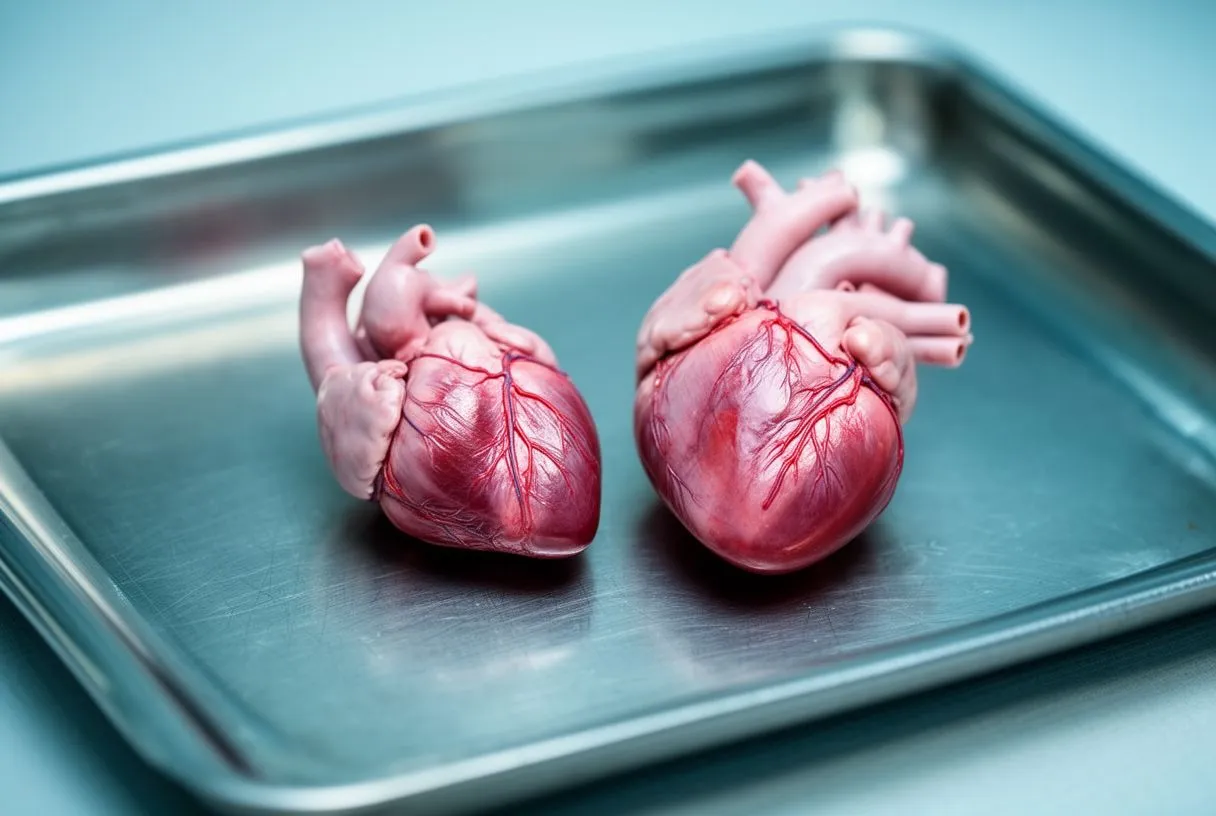
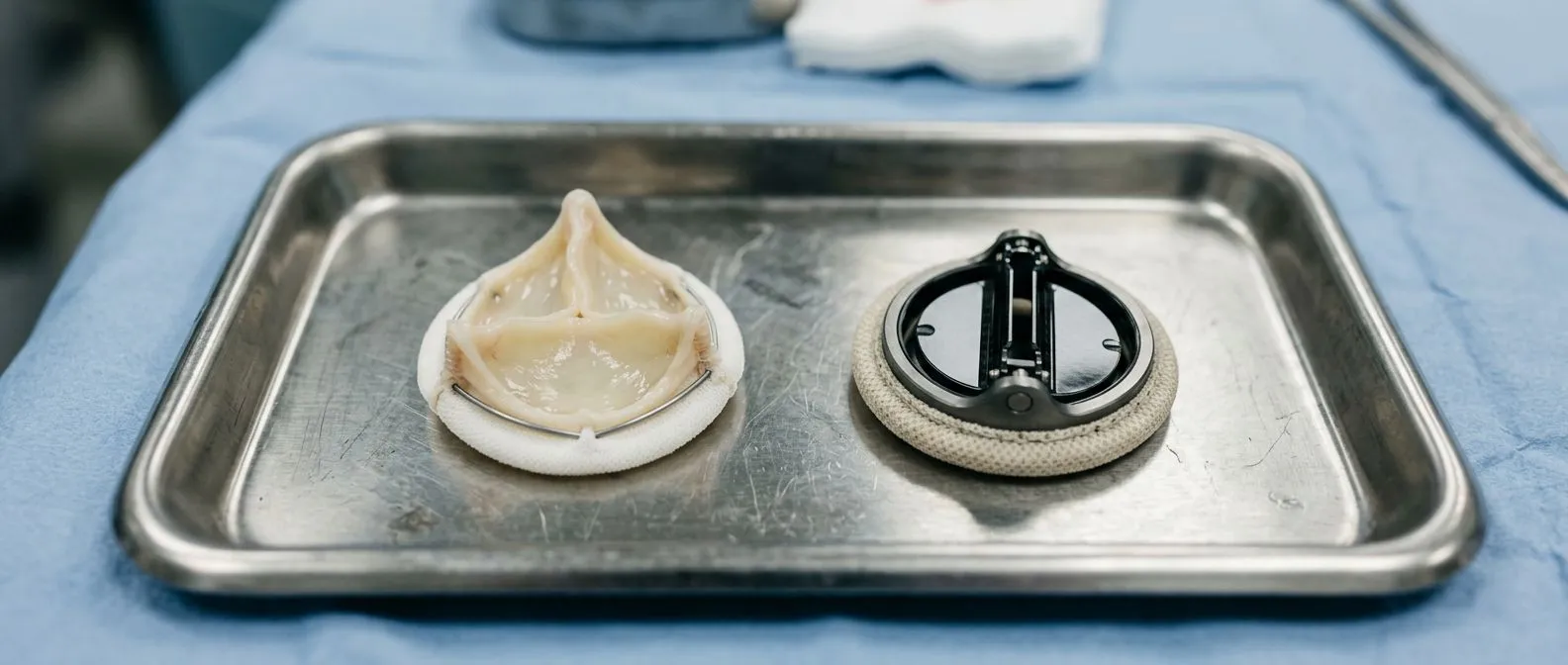
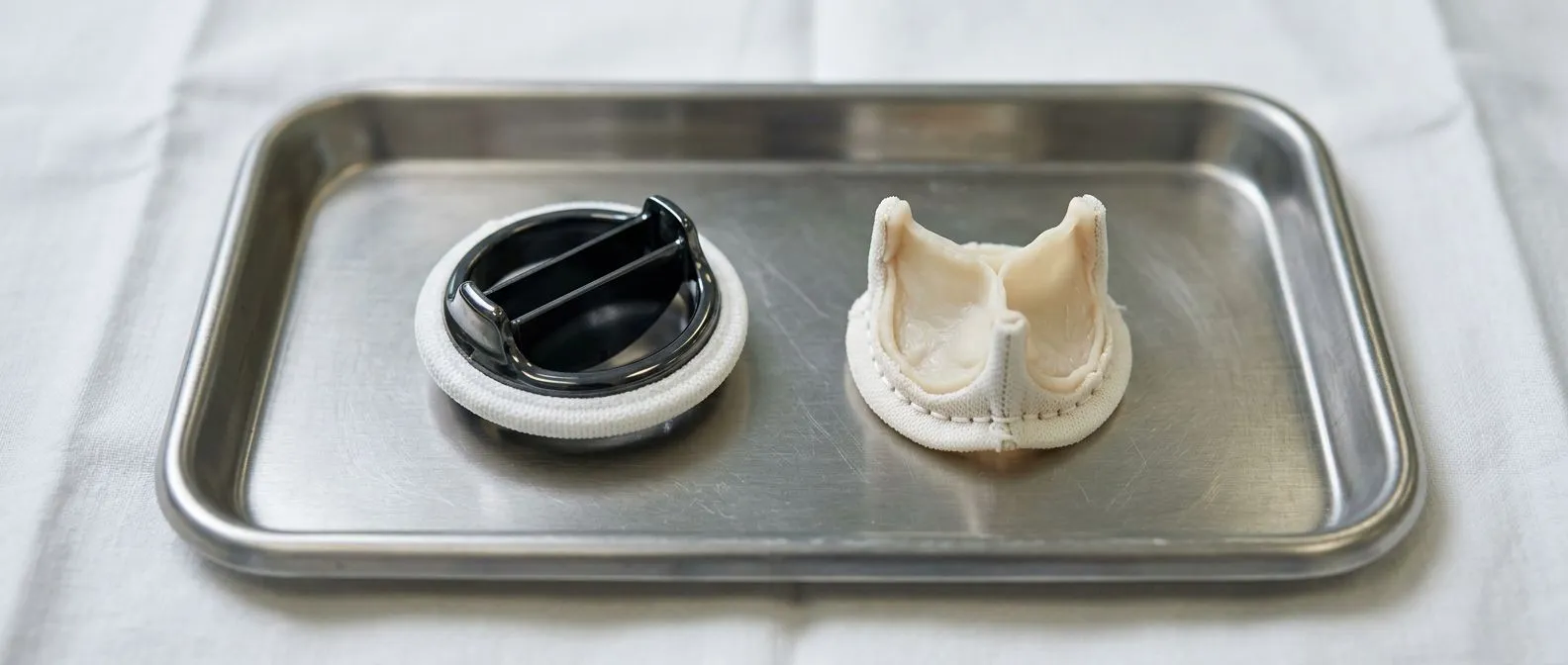
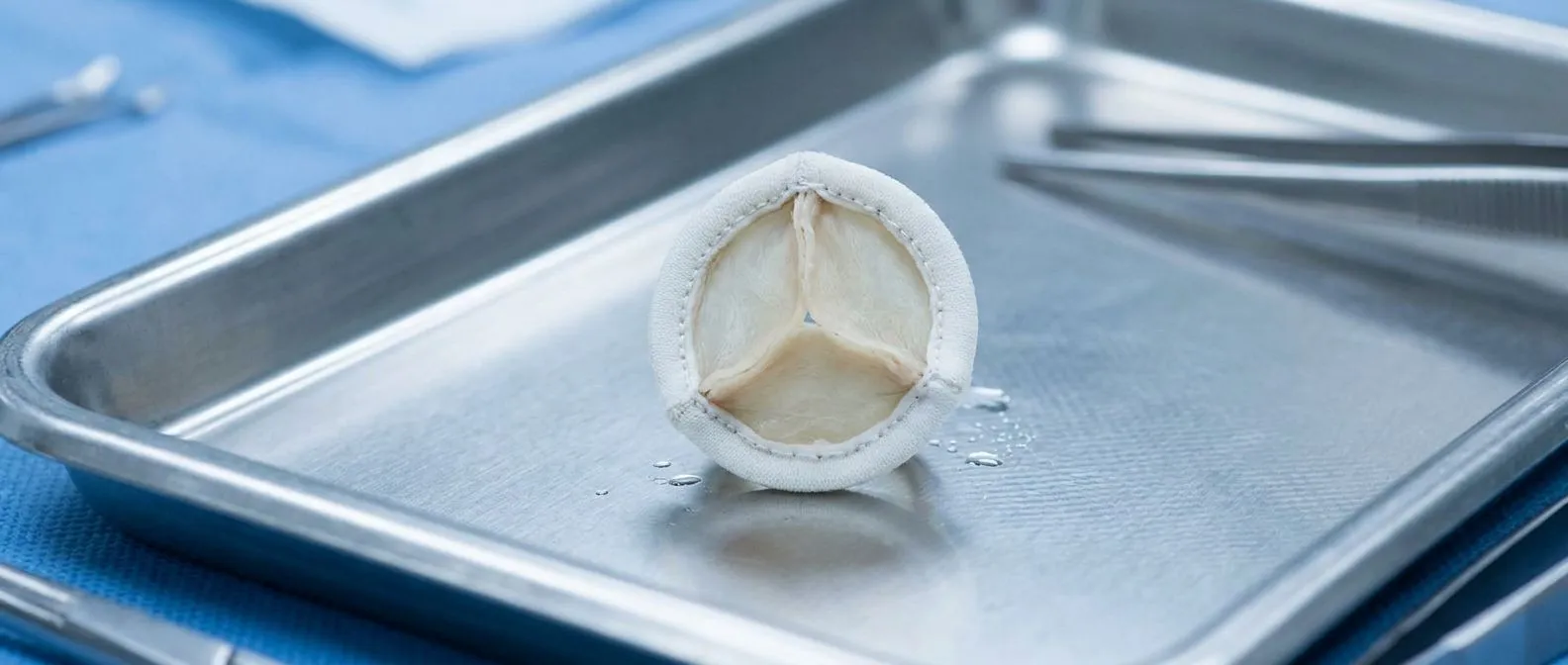
Understanding the material. A bovine pericardial valve is crafted from the pericardial sac — the tough, smooth membrane that naturally surrounds a cow's heart. Surgeons and engineers take thin sheets of this tissue, treat them with a preservative solution (usually glutaraldehyde) to make them non-reactive to your immune system, and sew them onto a flexible frame to create three leaflets that open and close with every heartbeat. The result behaves much like a natural human valve.
Why manufacturers favor it. Pericardial tissue is remarkably strong and uniform, which allows valve makers to design leaflets with excellent durability characteristics. Many modern tissue valves on the market today — from several major manufacturers — use bovine pericardium as their base material. Some designs include an anti-calcification treatment or a Pericardial Skirt around the sewing ring to reduce leakage at the implant site.
Where it fits anatomically. These valves are classified by where they sit relative to your natural valve annulus (the ring of tissue where your original valve was attached). An Intra-annular Valve sits within that ring, while a Supra-annular Valve sits slightly above it, which can allow a larger effective opening. Your surgeon will select the position and size that best matches your anatomy.
What Is a Pig Valve Replacement?
The porcine design. A pig valve replacement uses the aortic valve taken directly from a pig's heart. Because the pig's natural valve already has three leaflets shaped much like a human's, less engineering is needed — the valve is preserved, treated, and mounted, often on a Stented Valve frame that provides support and makes implantation straightforward. Some models are Stentless Valve designs, which preserve more of the natural tissue and can offer slightly better blood flow but take longer to implant.
A long track record. Porcine valves were the first widely used biological heart valves, implanted in patients since the late 1960s. That history means there is an enormous amount of long-term data on how they perform. Interestingly, pig heart tissue is also central to medical research more broadly — studies published in the Journal of the American Heart Association have used porcine valvular cells to understand how valve tissue behaves, and Trends in Microbiology has examined why pigs are such a close biological model for human disease.
Practical differences. Because a porcine valve keeps its original three-dimensional shape, its openings can be slightly less symmetrical than the engineered leaflets of a bovine pericardial valve. That does not make one "better" universally — it means the flow characteristics and sizing options differ, and your surgeon weighs those details against your specific anatomy.
Bovine Pericardial Valve vs Porcine: How Do They Differ?
Construction is the core difference. In a bovine pericardial valve vs porcine comparison, the biggest distinction is that bovine valves are engineered from flat sheets of tissue shaped into leaflets, while porcine valves use an intact natural valve. This affects how the leaflets open, how much room blood has to pass through, and how the valve ages over time.
Both valves are treated with similar preservative chemicals, and both are biological — meaning your body does not see them as foreign in the way it would a fully synthetic material. Both also degenerate gradually over years, unlike a mechanical valve which can last decades but requires lifelong anticoagulation medication.
- Source tissue: cow pericardial membrane vs. intact pig aortic valve — both treated to be safe for implantation.
- Design: bovine leaflets are cut and assembled for symmetry; porcine valves keep their natural shape.
- Blood flow: modern bovine designs often achieve slightly larger effective openings for the same labeled size, though individual results vary by model and patient anatomy.
Neither option is objectively superior for everyone. Registry data published by JAMA and other journals has shown that long-term survival with either tissue type is comparable in most patient groups, which is why the decision often comes down to your anatomy, your age, and your surgeon's experience with specific devices.
How Long Do Tissue Valves Last?
Bovine pericardial valve durability. Modern pericardial valves have shown excellent structural longevity, particularly in older patients. Many remain functional for 10 to 15 years or longer, and deterioration rates are lowest in patients over 65. Younger patients put more mechanical stress on the valve simply through more heartbeats and more active lives, so tissue wear accelerates.
Porcine valve reoperation rate. Older-generation porcine valves tended to deteriorate somewhat faster than modern pericardial designs, and this is reflected in published reoperation rates over long follow-up periods. However, newer porcine models with anti-calcification treatments have narrowed this gap considerably. The honest answer is that valve longevity now depends more on the specific device model and the patient's age than on whether the tissue came from a cow or a pig.
What affects longevity. Age at implantation is the single strongest factor. Other contributors include kidney function (calcium metabolism affects valve calcification), uncontrolled high blood pressure, smoking, and whether calcium balance is disturbed by medications. Good follow-up with echocardiograms — usually once a year — lets your cardiologist track valve function long before problems become emergencies.
Which Valve Has Better Blood Flow?
Bovine pericardial valve hemodynamics. Hemodynamics simply means how blood flows through the valve. Engineered pericardial leaflets can be designed to open wide and symmetrically, and many modern bovine pericardial valves achieve excellent flow characteristics with low pressure gradients — meaning the heart does not have to work hard to push blood through them. This is one of the pericardial valve advantages frequently cited in device literature.
The stentless option. A Stentless Valve — available in both porcine and pericardial designs — removes the rigid supporting frame, which frees up more space for blood flow. These are implanted more often in the aortic position and can produce flow profiles closer to a natural healthy valve. The trade-off is a longer, more complex surgical procedure.
Does it matter for you? For most patients, the differences in blood flow between a well-sized porcine valve and a well-sized bovine valve are modest and clinically meaningful mainly in people with small aortic roots, where every millimeter of opening counts. Your surgeon will measure your annulus and choose the valve model that gives the best flow for your specific measurements — that matters more than the animal of origin.
What Is Valve Calcification Risk?
The main way tissue valves fail. Every biological valve slowly accumulates calcium deposits on its leaflets — the same process that hardens arteries. Over years, deposits stiffen the leaflets or cause small tears, leading to narrowing or leakage. This is called structural valve deterioration, and it is the reason tissue valves eventually need replacement. Porcine valve calcification risk was historically a concern with early models; modern treatments that bind or shield calcium-binding sites have reduced this substantially in both tissue types.
Who is at higher risk. Calcification happens faster in younger patients (the valve is exposed to more heartbeats and a more reactive calcium metabolism), in people with chronic kidney disease, and in those with abnormal calcium-phosphate levels. If you fall into one of these groups, your team may steer toward a mechanical valve or toward newer tissue technologies designed to resist calcification.
What it feels like when it starts. Deterioration is usually gradual. Warning signs can include returning shortness of breath, new murmurs heard on examination, decreasing exercise tolerance, or fluid retention. Annual echocardiograms catch most of these changes before symptoms appear — another reason consistent follow-up after valve surgery is not optional.
Bovine Valve vs Mechanical Valve: Which Should I Choose?
The central trade-off. In the bovine valve vs mechanical discussion, the fundamental exchange is this: a mechanical valve lasts much longer but requires warfarin (a blood thinner) for life, while a biological valve usually avoids long-term blood thinners but is more likely to need a second operation down the road. Neither is universally "better" — the right answer depends on your age, other medical conditions, lifestyle, and tolerance for medication versus reoperation.
Warfarin requires regular blood testing and carries real bleeding risks, but for younger patients, the math often favors avoiding a third valve operation at age 75. Conversely, an active 78-year-old may prefer a tissue valve and never face reoperation at all. Guidelines from major cardiology societies explicitly support both choices at intermediate ages based on patient preference.
- Mechanical valve: longest lifespan, lifelong anticoagulation, regular INR blood monitoring, higher bleeding and clotting management burden.
- Tissue valve (bovine or porcine): no long-term blood thinner required (usually just a few months of anticoagulation after surgery), gradual deterioration over years, possible future reoperation.
A middle path is emerging. Valve-in-valve procedures — placing a new transcatheter valve inside a worn-out tissue valve — have changed the calculus for many patients. If a bioprosthetic valve deteriorates, it can sometimes be replaced without open-heart surgery, using a catheter through the groin. This makes choosing a tissue valve at a younger age less daunting than it was twenty years ago.
Best Tissue Valve for Elderly Patients
Why tissue dominates after 65–70. For patients in their seventies and beyond, a biological valve is usually recommended because the expected valve lifespan exceeds or closely matches life expectancy, and avoiding lifelong warfarin meaningfully reduces bleeding risk, falls-related complications, and dietary restrictions. When discussing the best tissue valve for elderly patients, both modern bovine pericardial and contemporary porcine valves perform well; durability differences between them are small in this age group.
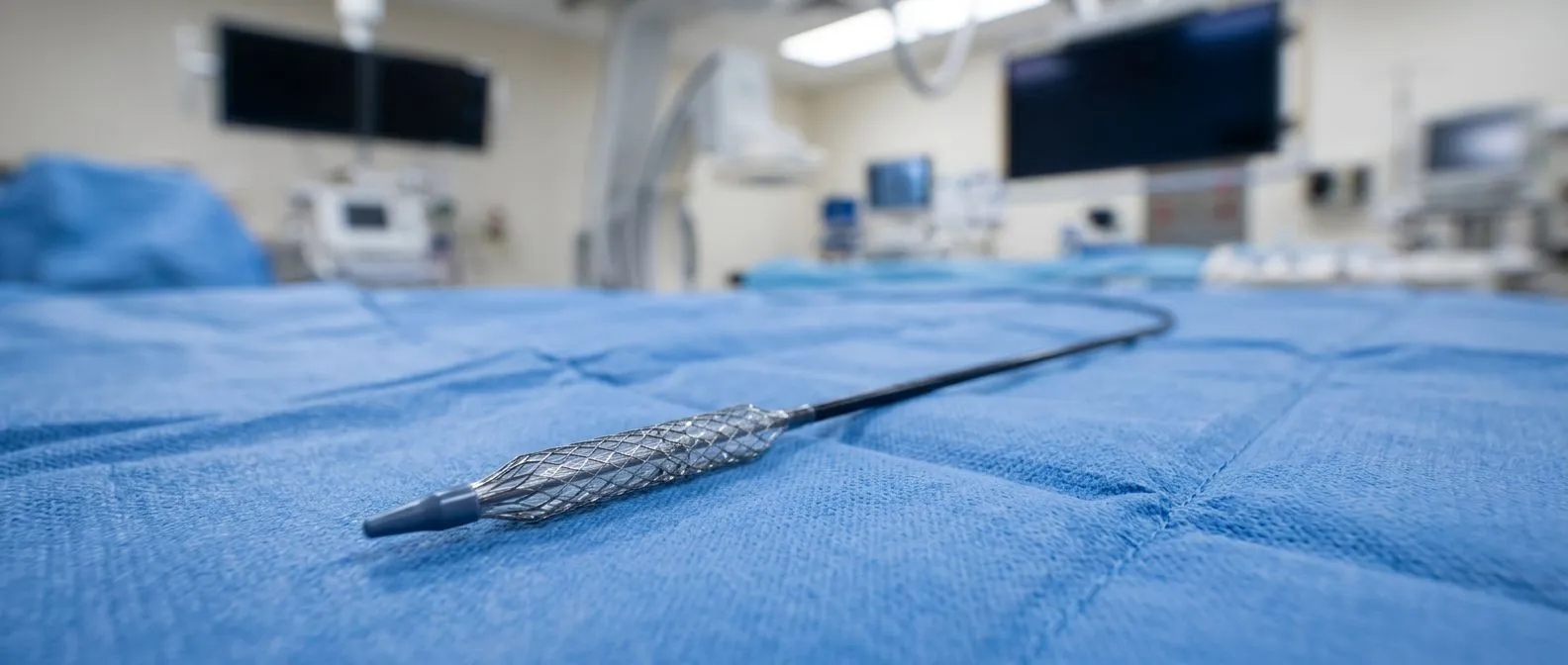
TAVR as an alternative. Transcatheter aortic valve replacement — called TAVR — delivers a tissue valve on a catheter without opening the chest. For older patients or those at higher surgical risk, TAVR has become a standard option, and it uses tissue valves (frequently bovine pericardial leaflets) as well. Your heart team will weigh surgical replacement versus TAVR based on your overall health, not just your age.
Quality of life matters most. For elderly patients, the goals are typically independence, energy, and avoiding hospitalizations. Both valve types deliver excellent symptom relief. The question to bring your team is less "cow or pig?" and more "which option gives me the years I want with the fewest interventions and medications?"
What Happens During Valve Surgery and Recovery?
The operation itself. Traditional valve replacement is done through a sternotomy — opening the breastbone — with the heart temporarily stopped and a heart-lung machine circulating your blood. Increasingly, minimally invasive approaches through smaller incisions are used, depending on the valve involved and your anatomy. Whether bovine or porcine, the implantation technique is similar: your diseased valve is removed and the new valve is sewn into place.
Recovery timeline. Most patients spend one to two days in intensive care, roughly a week in hospital, and several weeks to three months regaining full strength. Cardiac rehabilitation — supervised, gradually increasing exercise — is strongly recommended and genuinely accelerates recovery. You will typically take anticoagulation medication for around three months while the valve's sewing ring heals into your tissue, even if you will not need it long-term.
Follow-up is lifelong. After surgery, plan on an echocardiogram before hospital discharge, another within a few months, then annually. Your cardiologist listens for murmurs and measures valve function. If you travel — as many international patients in Mexico do — establish follow-up with a cardiologist near home and carry a document describing your valve type, model, and implantation date. Knowing your heart: the mitral valve, aortic, pulmonary Valve, or tricuspid — whichever was replaced — deserves that ongoing attention.
How Do You Choose the Right Valve for You?
Bring your questions to the consultation. The bovine pericardial valve vs porcine decision is genuinely shared between you and your surgical team, and you deserve clear answers. Useful questions include: which specific valve model do you recommend and why; how many of these have you implanted; what does the expected lifespan look like at my age; would TAVR or surgical replacement suit me better; and if my tissue valve wears out, am I a candidate for a valve-in-valve procedure?
Factors your team will weigh. Your age, the valve that is affected (aortic, mitral, or another), the presence of conditions such as Mitral Valve Prolapse or prior infections like Prosthetic Valve Endocarditis, your kidney function, your lifestyle, and whether you can reliably take and monitor blood-thinning medication. Mitral Valve Repair is often preferred over replacement when the mitral valve is the problem, because a repaired natural valve avoids prosthesis issues entirely.
Every situation is different, and no article — including this one — can substitute for an individualized evaluation. If you are weighing valve options for yourself or a loved one, the most valuable next step is a conversation with a qualified cardiac team. Dr Alejandro Molina's practice in Guadalajara, Querétaro and Hermosillo welcomes patients and families for consultation, where your anatomy, imaging, and personal priorities can be reviewed together. Book a consultation rather than self-diagnosing — the right valve, chosen deliberately, is one of the most effective things cardiac surgery can offer.