Choosing a Heart Valve: Mechanical or Tissue at Your Age
Choosing a heart valve means weighing mechanical durability against tissue valve benefits by age.
If your cardiologist has told you that one of your heart valves needs to be replaced, you are now facing one of the most personal decisions in heart care. Choosing a heart valve is not a single right answer for everyone; it is a choice between a mechanical valve, which lasts a lifetime but requires blood thinners, and a tissue valve, which avoids long-term blood thinners but may need replacing later. The right answer depends on your age, your other health conditions, your lifestyle, and how you feel about lifelong medication. This guide walks through both options in plain language so you can ask sharper questions at your next consultation.
What Are Your Heart Valve Replacement Choices?
Your heart has four valves, and the two most often replaced are the aortic valve, which controls blood leaving the heart to the body, and the mitral valve, which controls blood flowing between the two left chambers. When a valve becomes too narrowed (stenosis) or leaks too much (regurgitation), the heart has to work harder, and over time that leads to symptoms like breathlessness, fatigue, and fainting.
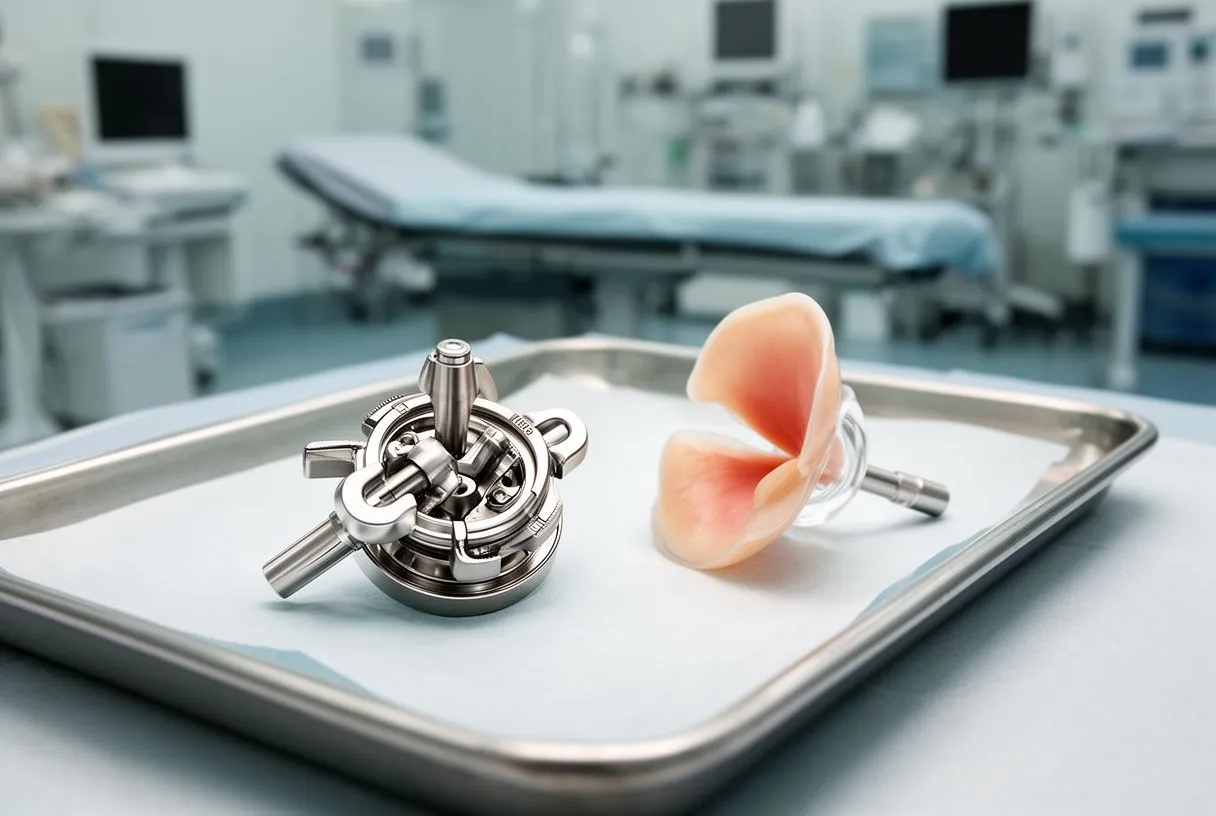
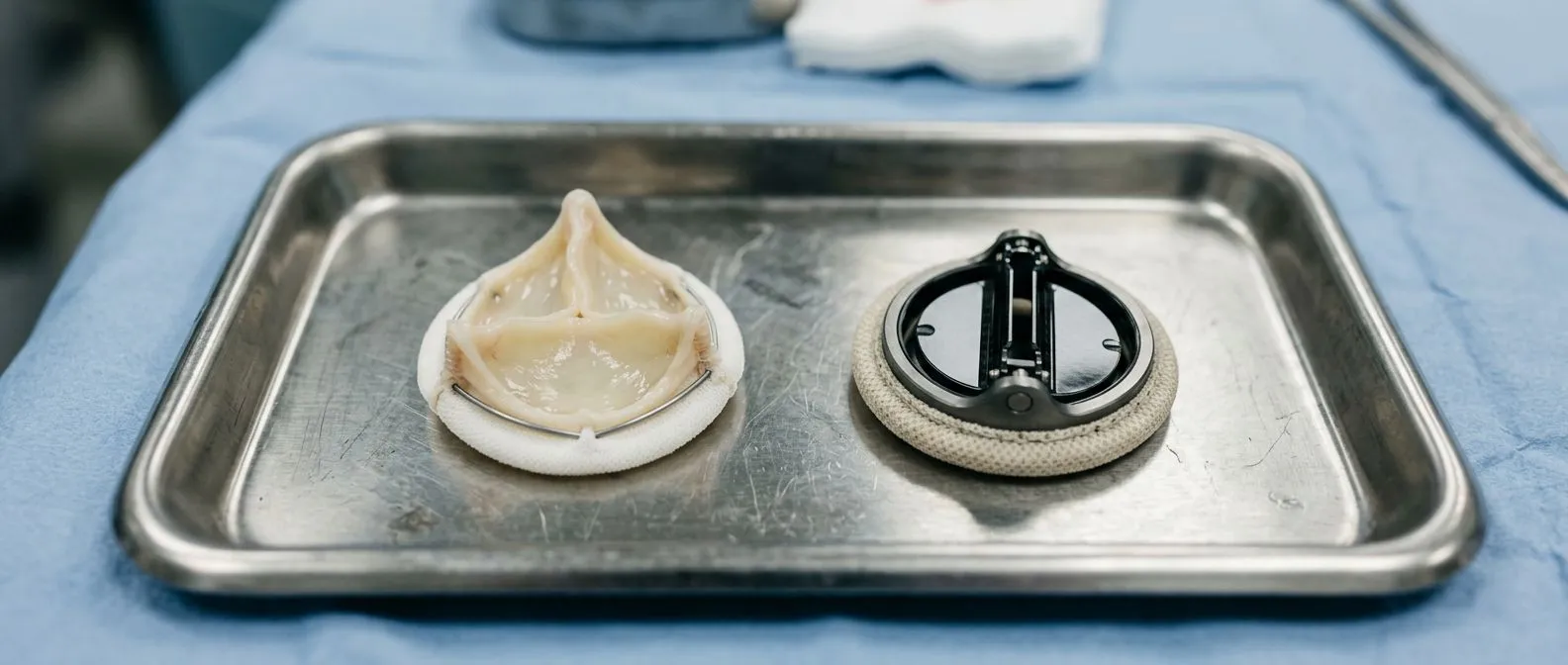
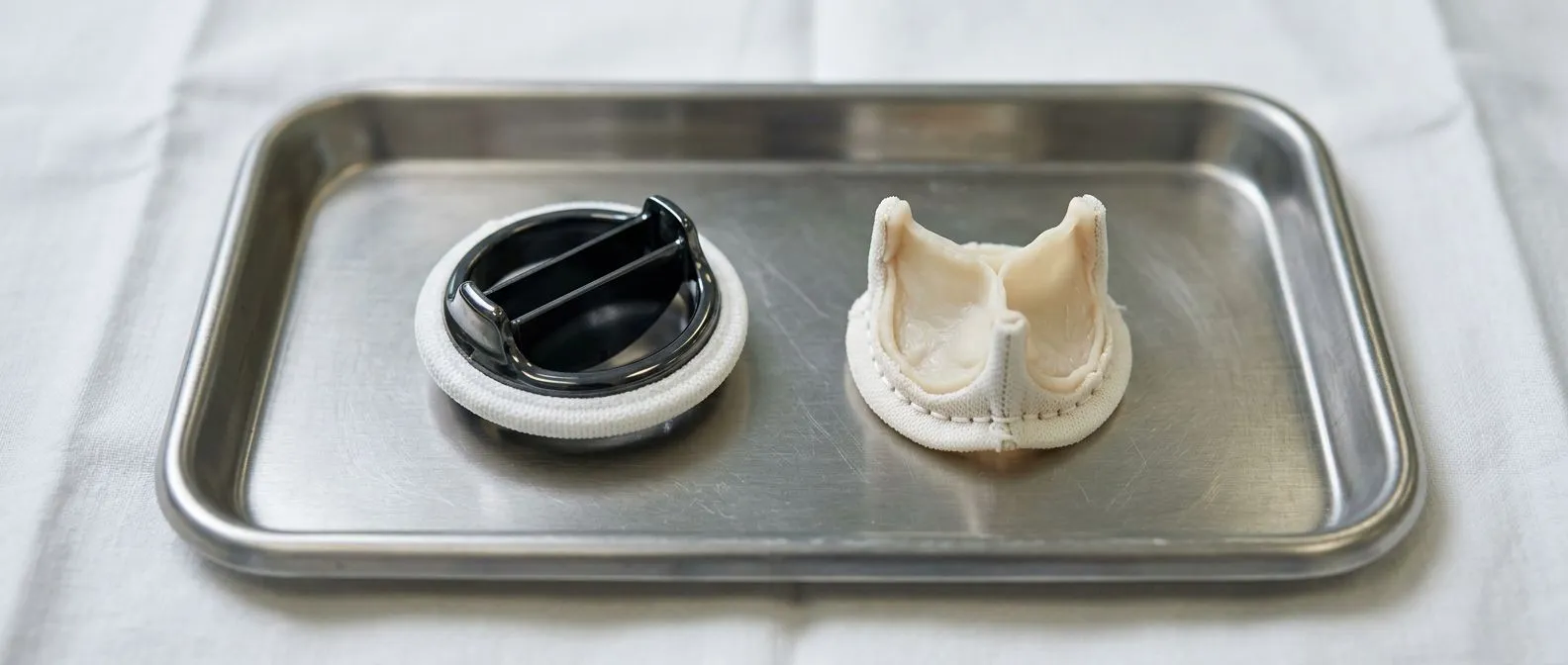
When it comes to Valve Replacement, you have two broad material choices. A Mechanical Valve is made of durable artificial materials, usually carbon, and can last for decades. A Tissue Valve, also called a bioprosthetic valve, is made from animal or human tissue and behaves more like your own valve, but it gradually wears out.
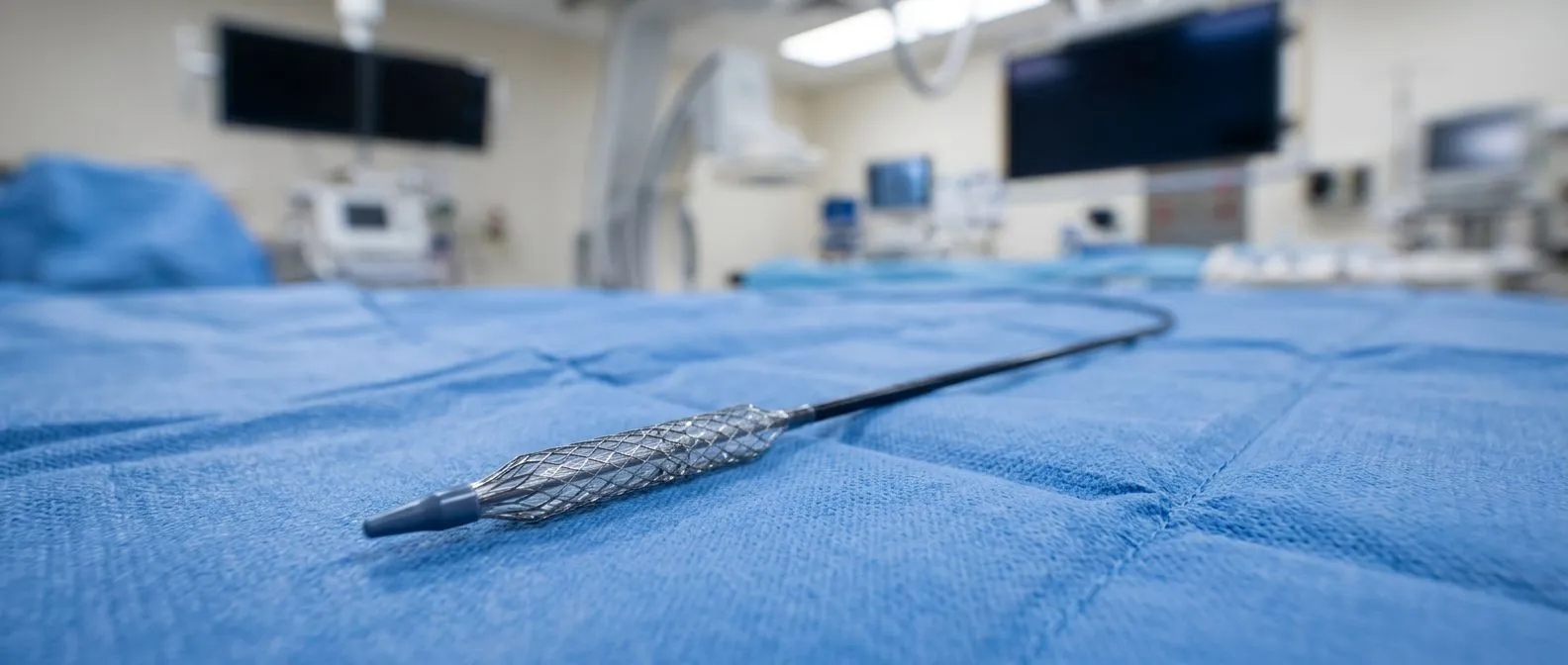
You also have choices in how the valve is implanted. Options include Surgical Aortic Valve Replacement through the chest, minimally invasive surgery through a small incision, and TAVR (transcatheter aortic valve replacement), where a new valve is delivered through a catheter, usually from an artery in the groin, without opening the chest. There is also Valve-in-valve, where a new tissue valve is placed inside a valve that has worn out, avoiding a repeat open operation.
Mechanical vs Tissue Heart Valve: What's the Difference?
Durability comes at a price. A mechanical valve is built to last for the rest of your life, which makes it attractive if you are young. The trade-off is that mechanical surfaces can form blood clots, so you must take warfarin, a blood thinner, every day for the rest of your life, with regular blood tests to keep the dose in a safe range.
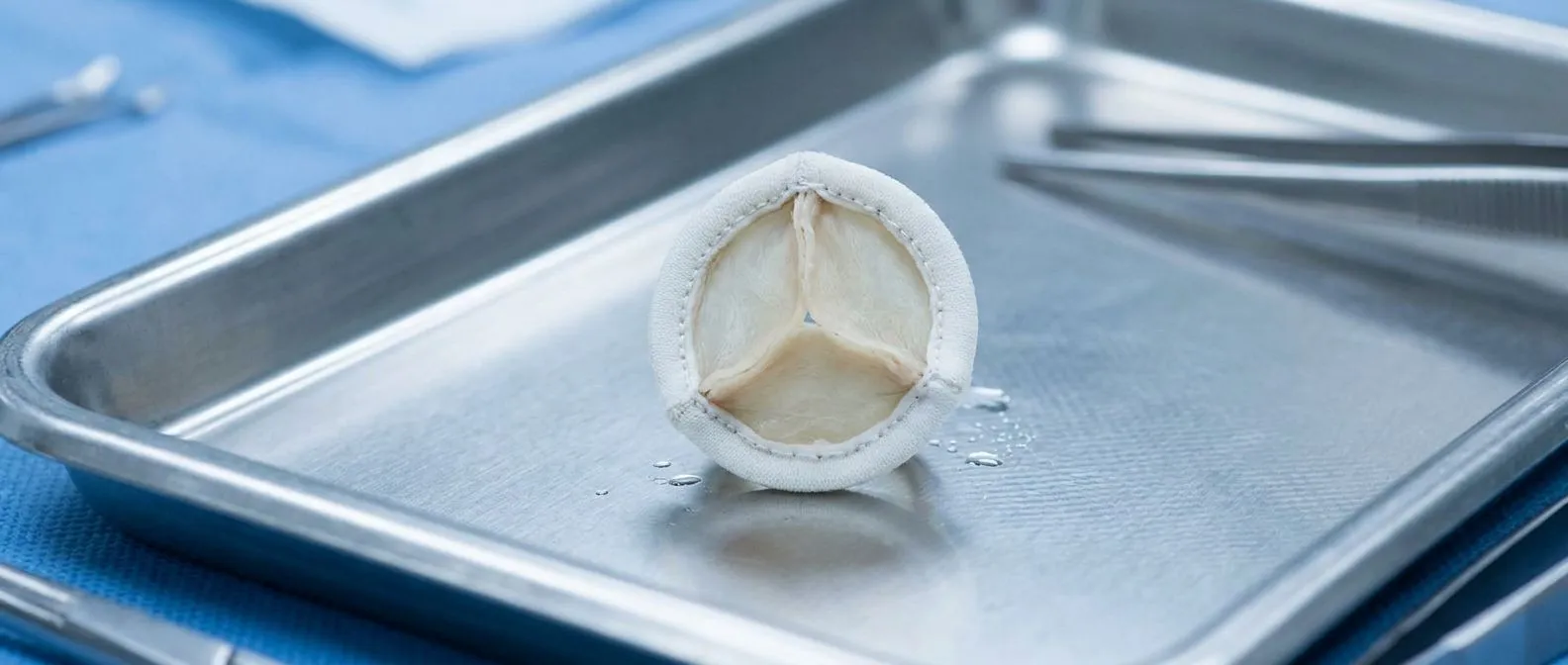
Tissue valves work more naturally. A Tissue Valve, whether a Porcine Valve (made from pig tissue) or made from cow pericardium, does not demand lifelong blood thinners in most cases. That means fewer restrictions on bruising, diet, and daily life, which many patients value highly. The cost is durability: tissue valves gradually calcify and stiffen, typically over a decade or so, faster in younger patients.
Neither valve is "better" in the abstract. The question is not which valve is superior but which valve fits your body, your age, and your priorities. As a team, we review every case together against international practice guidelines before recommending a valve type, and we present the alternatives so the final decision is always the patient's.
Mechanical Heart Valve Pros and Cons
Most patients ask the same first question: what do I gain, and what do I give up, with each valve? Here is the honest summary.
- Lasts a lifetime: mechanical valves almost never need to be replaced for wear, which matters enormously for younger patients.
- Lifelong blood thinner: you will take warfarin daily and attend regular INR blood tests, which adds a lifelong management routine.
- Pregnancy is complicated: warfarin carries risks in pregnancy, so women planning pregnancies are usually steered toward tissue valves.
- A soft clicking sound: some patients hear the valve click; most stop noticing it within weeks.
Bleeding and clotting are the two poles. Too little warfarin and the valve can clot; too much and you can bleed more easily than usual from small injuries. Modern monitoring and, increasingly, self-testing at home have made this manageable for millions of people worldwide.
Guidelines have shifted for older patients. Recent clinical practice guidelines, summarized by the American College of Cardiology and the Johns Hopkins Medicine heart valve center resources, now recommend that most patients over 65 receive a tissue valve, while mechanical valves are favored for those under 50 who are comfortable with lifelong anticoagulation. Between those ages, the decision is genuinely shared and depends on your preferences and health profile.
Tissue Heart Valve Lifespan and When It Wears Out
The honest numbers. Tissue valve lifespan depends heavily on your age at implantation. In patients over 65, tissue valves commonly function well for well over a decade, and many last the rest of the patient's life. In younger patients, the body's faster metabolism calcifies the tissue more quickly, which is why guidelines discourage tissue valves for most patients under 50.
Wear-out is detectable, not sudden. A tissue valve does not usually fail without warning. Regular echocardiograms (ultrasound scans of the heart) track the valve's function, and gradual stiffening or leaking shows up on these scans long before symptoms return. When a tissue valve does wear out, reoperation has traditionally been needed, though Valve-in-valve TAVR now offers a catheter-based alternative for many patients with a worn surgical valve.
When a tissue valve is chosen, it helps to map out the monitoring plan with your doctors: which scans, at what intervals, and what signs would show the valve is aging. Knowing the plan can reduce the worry of "what happens in ten years."
Choosing a Heart Valve by Age
Age is the single strongest guide in choosing a heart valve, which is why the guidelines use age bands rather than vague advice. The reason is simple: the younger you are, the longer the valve must last, and the more years of blood thinner you would face with a mechanical valve.
- Under 50: a mechanical valve is usually recommended, because tissue valves wear out early in this group and the years of anticoagulation are justified by the lifetime durability.
- 50 to 65: a genuinely shared decision. If you have conditions that make blood thinners risky, or you strongly prefer to avoid them, a tissue valve is reasonable; otherwise mechanical durability may still appeal.
- Over 65: a tissue valve is usually recommended, because its expected lifespan exceeds typical life expectancy and lifelong warfarin adds risks in this age group.
Your health conditions can override the age chart. A patient needing anticoagulation for another reason, such as atrial fibrillation (an irregular heart rhythm), may have a mechanical valve even at older ages, since warfarin is already part of their life. Conversely, someone with a bleeding risk may be steered to tissue at any age.
When a patient in the 50–65 range sits with us in consultation, we lay out both timelines side by side: the years of blood thinners with a mechanical valve versus the realistic chance of a reoperation with a tissue valve. Seeing the trade-off on paper is often what makes the decision click for patients.
Best Heart Valve for Elderly Patients
For patients in their seventies and eighties, the conversation usually shifts from "which valve material" to "which approach." Bioprosthetic valve vs mechanical is usually settled in favor of tissue at this age, and the more important question is whether surgery or TAVR is the lower-risk route for that specific patient.
Frailty matters more than birthdate. Two 78-year-olds can be very different. One may be hiking weekly; the other may be frail with kidney disease or lung disease. Transcatheter Mitral Valve Replacement and TAVR were developed precisely for patients whose surgical risk is high, and they avoid open-chest surgery entirely. For robust patients, conventional surgery still offers excellent, well-understood long-term results.
Other repairs can be combined. In some elderly patients the aorta also needs attention, and a procedure such as Hemiarch Replacement (partially rebuilding the aortic arch, the curved vessel atop the heart) can be performed at the same time as valve surgery, sparing a second operation later.
Our team's rule is straightforward: we recommend the less invasive route only where the evidence supports it for that patient. For every elderly patient we see in Guadalajara, Querétaro or Hermosillo, the multidisciplinary team weighs surgical risk scores and overall health before proposing a route, and the patient decides with all the alternatives on the table.
Bicuspid Aortic Valve Replacement Options
About one to two percent of people are born with a bicuspid aortic valve, meaning the valve has two leaflets instead of the normal three. It works fine for decades, but it tends to narrow or leak earlier in life, often in the forties or fifties, and it deserves its own conversation because the choices differ from the standard one.
The aorta often needs watching too. People with a bicuspid valve have a higher chance of an enlarged aorta. Guidelines advise surgery when the aortic diameter exceeds roughly 5.5 cm, or at smaller diameters when there is a family history of dissection or the patient is having valve surgery anyway. This Connective Tissue Disorder–adjacent territory is why the surgeon must examine the whole aorta, not just the valve.
Surgical repair can sometimes be an option. For carefully selected patients with a leaking bicuspid valve, a Valve-sparing Root Replacement or valve repair by an experienced surgeon may preserve your own tissue and avoid some of the trade-offs of replacement. It is not for everyone, but it is worth asking whether your anatomy allows it.
A bicuspid patient who understands both the valve decision and the aortic surveillance plan is better placed to decide than one who has only been told "you need a new valve." If you were born with a bicuspid valve, ask explicitly about your aortic diameter at every scan.
Heart Valve Replacement Surgery Recovery: What to Expect
The first days. After conventional open surgery, you will spend a day or two in intensive care and then several days on the ward. Most patients are walking short distances within days and go home within about a week, though this varies. Chest soreness and tiredness are normal; the breastbone typically takes six to eight weeks to knit.
The first weeks at home. Expect a walking program that builds gradually, driving usually allowed after several weeks once your surgeon clears you, and lifting restrictions for around two months while the sternum heals. Minimally invasive approaches and TAVR shorten this considerably, with many TAVR patients walking the day after the procedure and recovering at home within days.
What affects the timeline. Your age, fitness before surgery, and whether other procedures such as Mitral Valve Repair or Mitral Valve Prolapse correction were done at the same time all shape recovery. When we plan a patient's operation, we build the recovery expectations into the written proposal, so the family knows what week one, week six, and month three realistically look like rather than guessing.
When to Replace a Heart Valve and Why Timing Matters
Replacing a valve is not done "just in case." Guidelines define clear thresholds: surgery is recommended for severe aortic stenosis once symptoms appear, or earlier in specific situations such as a pumping function that has started to decline. Operating too late lets the heart muscle weaken, which worsens outcomes; operating without clear indication adds risk without benefit.
Symptoms are the signal most patients notice first. Breathlessness on activity you used to manage, chest tightness, dizzy spells, or fainting episodes with a known narrowed valve should be reported promptly. In some cases surgery is advised before symptoms fully develop, based on measurements from your echocardiogram.
Monitoring replaces decision-making for moderate disease. If your valve is only moderately affected, the right move is usually scheduled surveillance, not surgery. This ties back to choosing a heart valve sensibly: you only face the material decision when the timing is right, and not before.
Getting a Heart Valve Replacement Second Opinion
Because this decision shapes decades of your life, seeking a second opinion is not a sign of distrust; it is a normal part of deciding about heart surgery, and every responsible heart team expects it. A good second opinion should re-examine your scans, confirm the severity of your valve disease, and walk through all approaches: conventional surgery, minimally invasive valve replacement, and catheter-based options.
At our practice, the first contact is a free video consultation: we get to know the patient, talk through the condition in plain words, and identify exactly which studies are still needed so no unnecessary tests are ordered. A face-to-face visit at the consulting rooms follows only when the patient decides to move forward. We actively encourage second opinions and will tell you plainly which of your studies we consider essential and which are not.
In closing, choosing a heart valve comes down to three questions: how old you are, how you feel about lifelong blood thinners, and which surgical approach your anatomy and health allow. Mechanical valves trade medication for lifetime durability; tissue valves trade future reoperation for a thinner-free life. Bring those questions to a qualified cardiac team, ask about your aortic measurements if you have a bicuspid valve, and never make the decision from a web page alone. If you would like to review your case with Dr Alejandro Molina and our multidisciplinary team, book a consultation and bring every question you have.