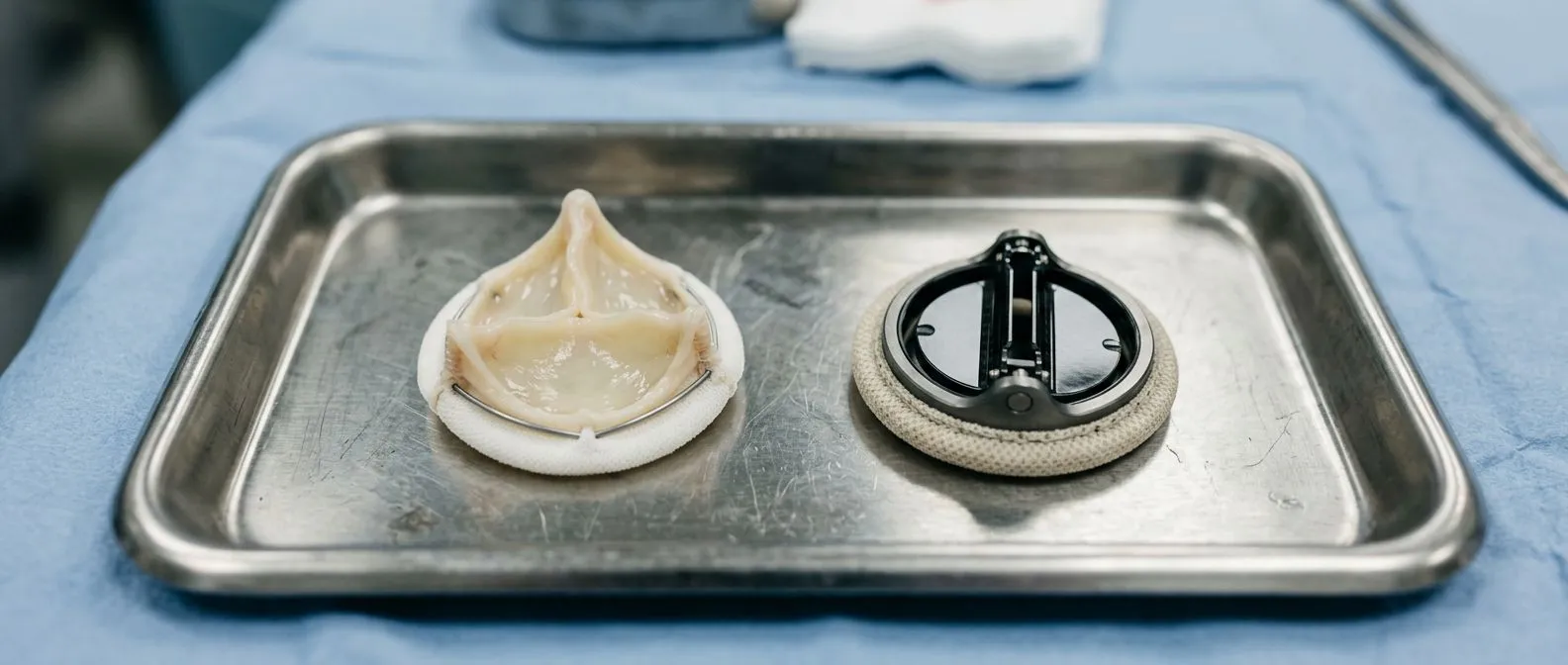
Heart Valve Durability: How Long Each Type Lasts
Heart valve durability guide: how long mechanical, tissue, and TAVR valves last.
Heart valve durability is one of the first questions families ask when a surgeon recommends replacing a valve — and rightly so. A replacement heart valve is a lifelong commitment. Understanding how long each type lasts, and what that means for you or your loved one, is the key to choosing well. This guide walks through mechanical valves, tissue valves, and transcatheter valves in plain language, then explains what affects their lifespan and how a cardiac team helps you decide.
What Is Heart Valve Durability and Why Does It Matter?
Your heart has four valves — the aortic, mitral, tricuspid and pulmonary — that open and close with every heartbeat, roughly 100,000 times a day. When a valve becomes narrowed (stenosis) or leaks (regurgitation), the heart has to work harder, and symptoms like breathlessness, fatigue or fainting follow. Replacing or repairing the valve restores normal flow. But the new valve is not immune to time, and that is where durability comes in.
What "durability" actually means. In cardiology, valve durability describes how long a replacement valve keeps working properly without narrowing, leaking, or breaking down structurally. It is usually expressed as years of "freedom from valve failure." Every valve type — mechanical, tissue, or transcatheter — has a different expected lifespan, and the right choice depends on your age, your lifestyle, and which valve is affected.
Why it shapes your decision. A valve that lasts longer usually demands more from you: mechanical valves require lifelong blood-thinning medication. A valve that lasts less long may need a second operation decades later. Weighing heart valve durability against these trade-offs is the heart of the decision — and no single valve is right for everyone. At our practice, every case is reviewed by the multidisciplinary team against international practice guidelines before a recommendation is given, and the final decision is always yours.
How Long Do Heart Valves Usually Last?
The honest answer: it depends on the type. Modern mechanical valves — devices made of carbon and metal — are designed to last for the rest of a patient's life. Tissue valves, built from animal or human material, generally perform well for 10 to 20 years before wearing out, with faster wear in younger patients. Transcatheter valves sit somewhere in between, with the strongest data now covering more than a decade of follow-up.
Why age changes the math. Tissue valves calcify and stiffen more quickly in younger bodies. A tissue valve implanted at 40 may need replacement at 55 or 60; the same valve implanted at 75 will very likely outlast the patient. That is why most guidelines steer younger patients toward mechanical valves and older patients toward tissue options — though pregnancy plans, medication tolerance, and personal preference all shift the balance.
- Mechanical valves: designed for a lifetime; the trade-off is daily anticoagulation medication.
- Tissue (bioprosthetic) valves: typically 10–20 years of good function, less in younger patients.
- Transcatheter valves (TAVR): strong performance now documented beyond 10 years; long-term data still maturing.
It is worth repeating: these are population averages, not promises for any individual. Your anatomy, the valve's position (aortic or mitral), and your health all influence the outcome your own valve will deliver.
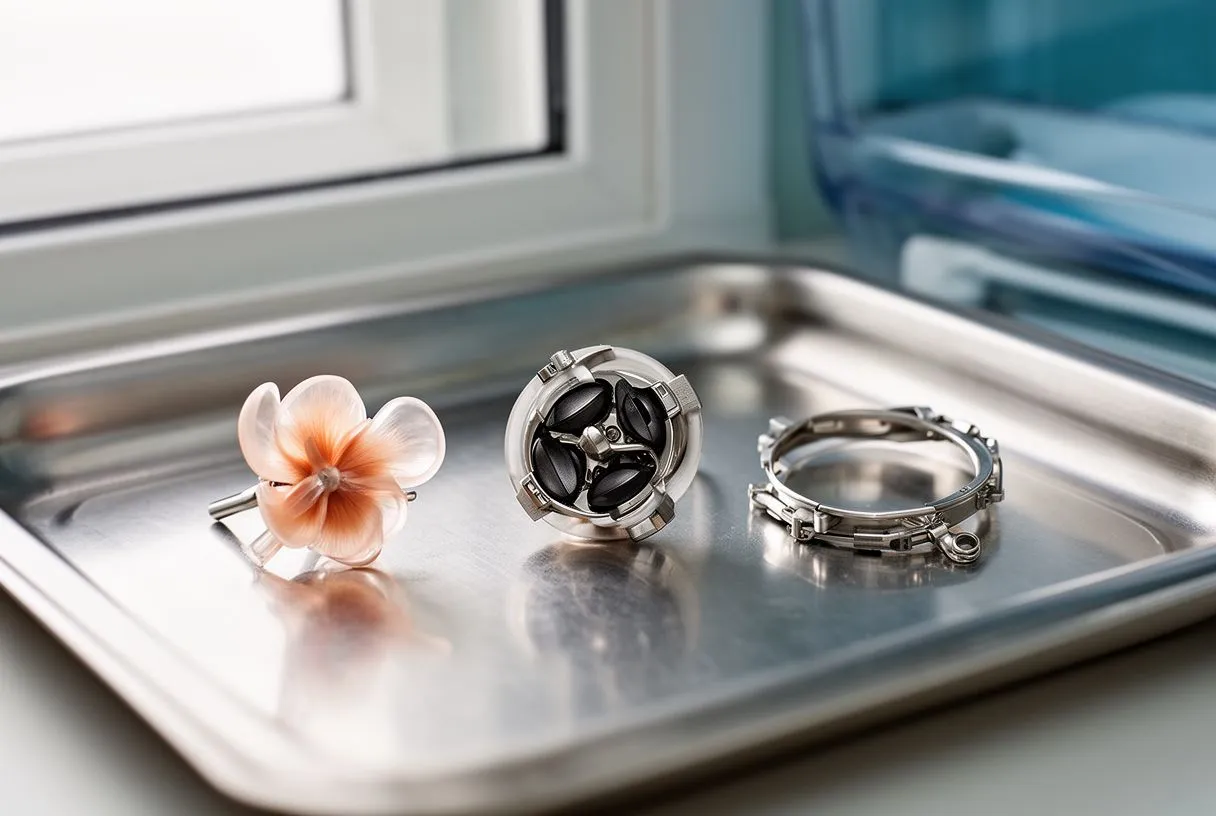
Mechanical Heart Valve Durability: The Lifelong Option
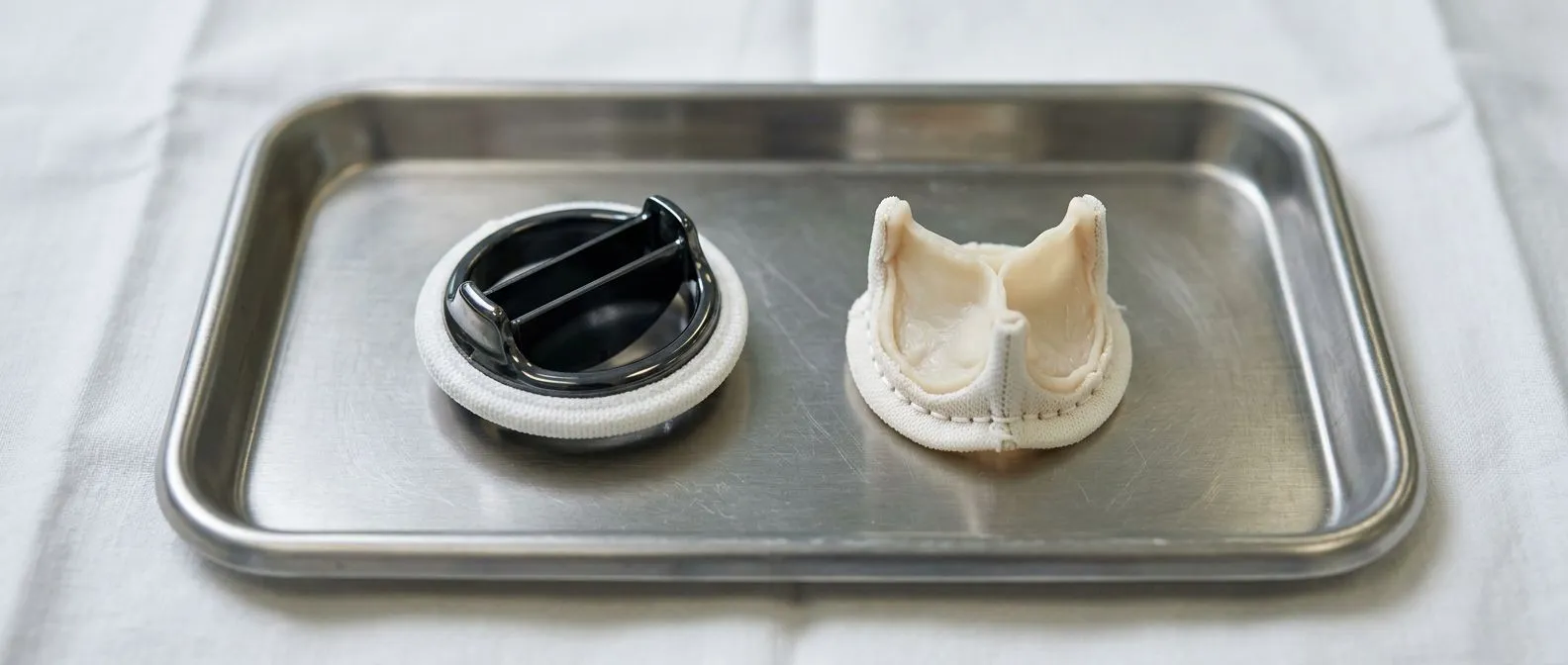
How mechanical valves work. A mechanical valve has two (or sometimes three) leaflets made of pyrolytic carbon, a material the body does not reject and does not wear out in any clinically meaningful way. Bileaflet mechanical valve designs have decades of clinical experience. Structurally, a mechanical valve does not "wear out" — if it is maintained properly, it can last for life.
What are the disadvantages of mechanical valves? The main one is blood clotting. Blood sees the valve as a foreign surface and forms clots on it, so patients must take warfarin (a blood thinner) every day for life, with regular blood tests to keep the dose in a safe range. There is also a small risk of valve thrombosis — a clot forming on the valve itself — if anticoagulation lapses, and warfarin carries a bleeding risk of its own. Some mechanical valve designs allow a slightly lower warfarin target, which helps reduce bleeding risk.
Who benefits most. Mechanical valves suit patients under about 60–65 who want a one-time solution and can commit to regular monitoring. They are also the standard choice for younger patients who would otherwise face multiple reoperations. For many people in their 40s and 50s, the peace of mind of never needing a second valve operation outweighs the daily medication — but that weighing is personal, and the choice is always yours.
Tissue Heart Valve Durability: What to Expect from a Bioprosthetic Valve
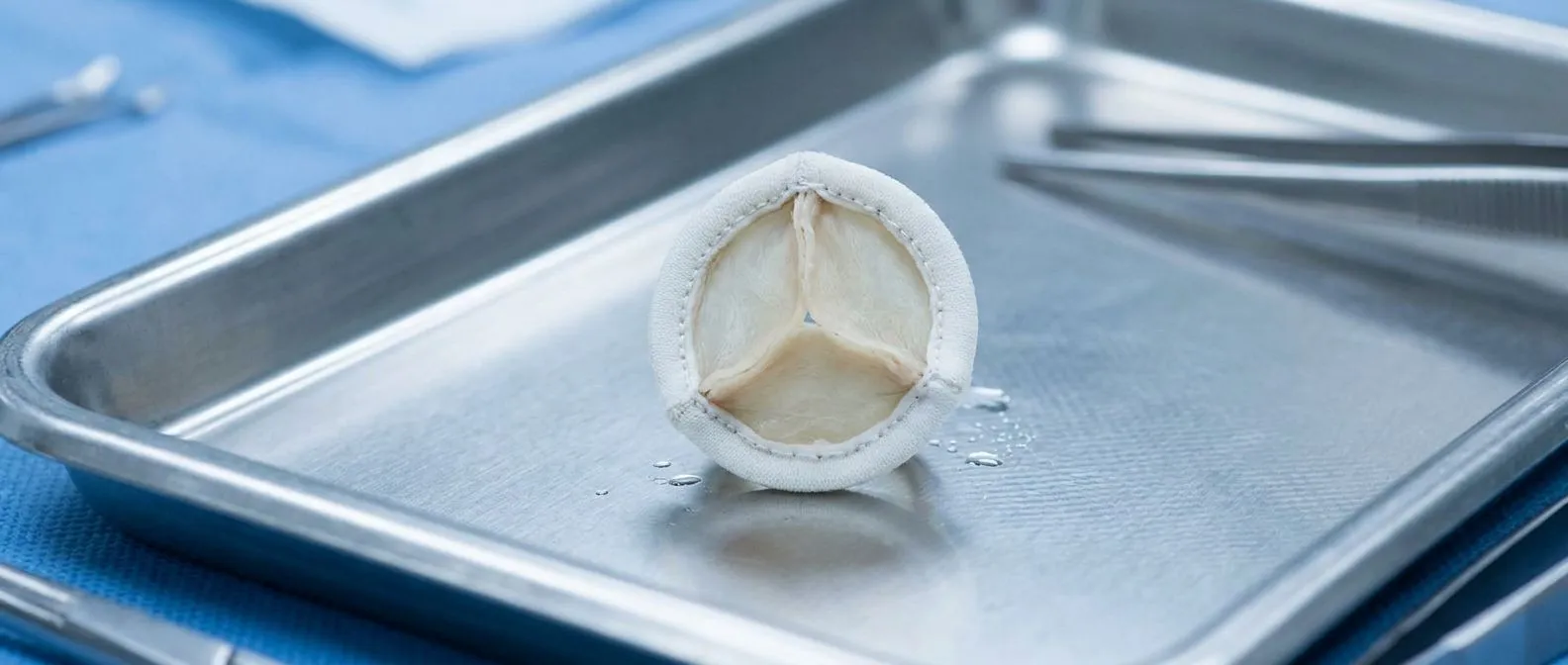
What tissue valves are made of. Tissue valves — also called bioprosthetic valves — are built from animal material, most commonly a Porcine Valve (pig tissue) or a Bovine Pericardial Valve (cow's heart lining). The tissue is preserved so the body accepts it, then mounted on a frame. Because they are made of living-derived material, they behave more like a natural valve in terms of blood flow, and they do not require lifelong blood thinners — usually only a short course after surgery.
How long tissue valves last. Most tissue valves provide good function for 10 to 20 years. Structural valve deterioration — the medical term for gradual stiffening and calcification — happens faster in younger patients and in the mitral position, where pressures inside the heart are higher. Over time the valve cusps (the little leaflets that swing open and closed) calcify, the valve narrows, and symptoms return. When that happens, the valve can be replaced, and in some cases a new valve can be placed inside the old one without open surgery.
The trade-off in real terms. The great advantage is freedom from warfarin — enormously important for women planning pregnancy, patients with bleeding risks, and anyone who cannot commit to regular blood testing. The price is the realistic possibility of a second operation later in life. Design refinements also matter: stentless valves and Supra-annular Valve placements (positioned slightly above the natural annulus, the ring where the valve sits) can offer more effective opening area and, in some designs, better hemodynamics that may support longer function.
Harvard Health Publishing notes that tissue valve choice is often driven by age and the desire to avoid anticoagulation, and that structural deterioration remains the expected long-term limitation of these valves — a fair summary of where the evidence stands today.
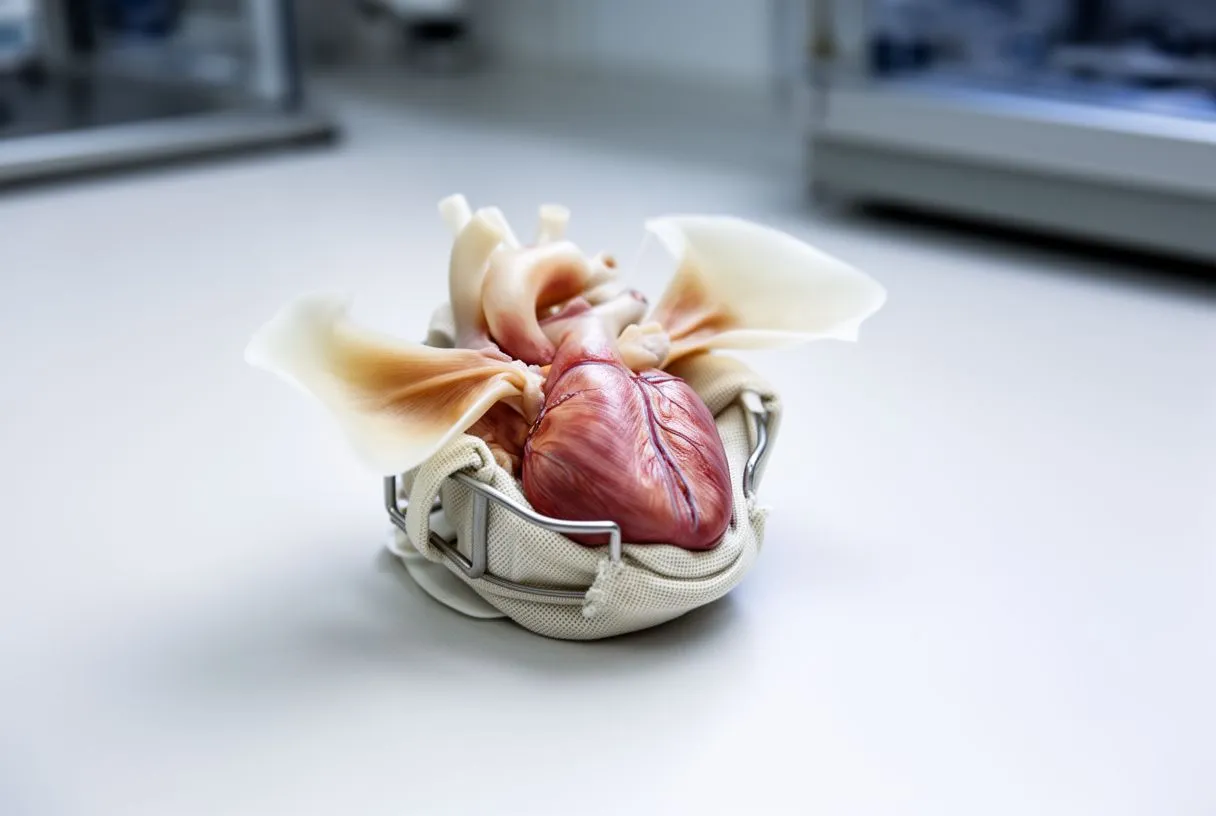
TAVR Valve Durability: What We Know So Far
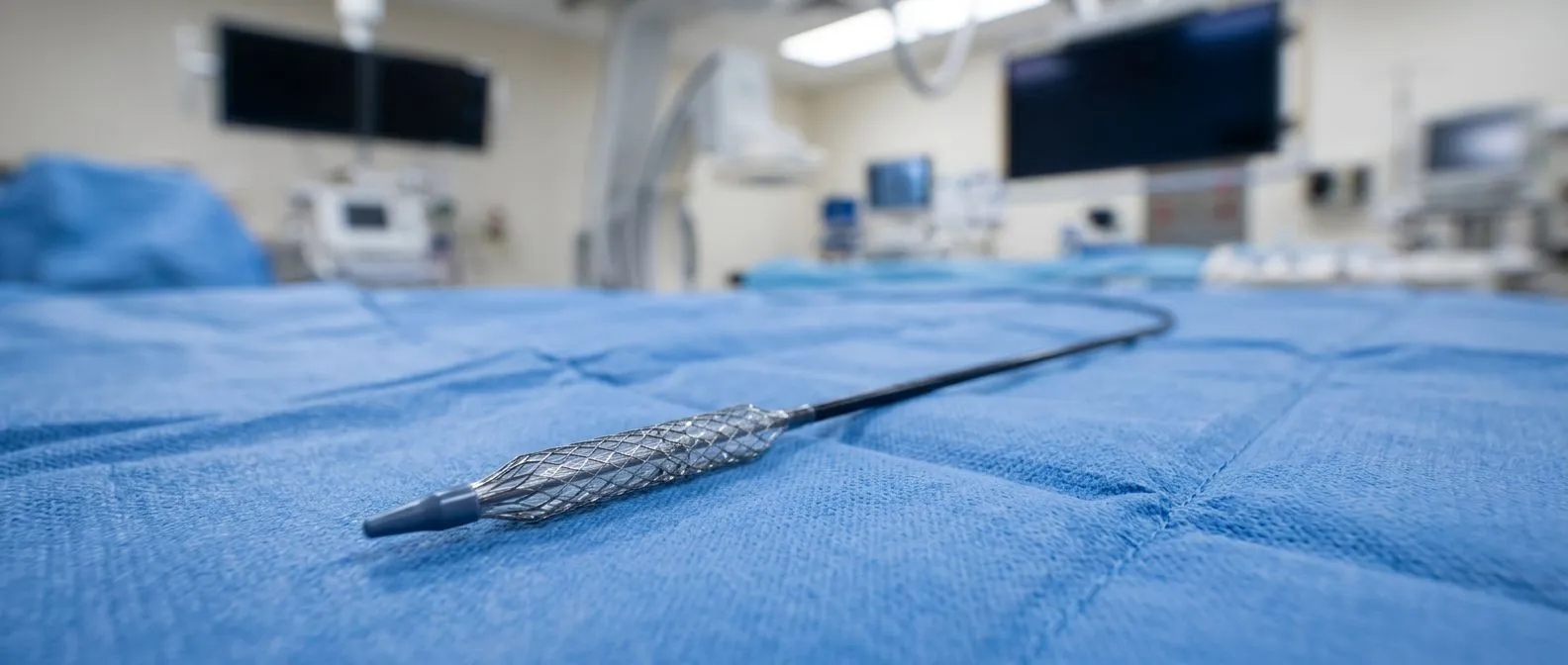
What TAVR is. TAVR — transcatheter aortic valve replacement — delivers a new tissue valve through a catheter, usually from an artery in the groin, without opening the chest. Because there is no surgical incision, recovery is far faster: many patients go home within a day or two. Originally developed for patients too frail for open surgery, TAVR is now approved for lower-risk patients as well, which has pushed TAVR valve durability into the spotlight.
The durability question everyone asks. Because TAVR valves are tissue valves, they carry the same potential for gradual calcification over the years. The reassuring news: large international trials with follow-up beyond eight to ten years show continued good valve function in the great majority of surviving patients, and standardized definitions for valve failure now make results between studies comparable. The oldest TAVR patients are, by design, in their 80s — so the valve has not been tested as long in a 55-year-old as surgical tissue valves have. That is an honest limitation, and a good team will say so plainly.
Valve-in-valve: a second option without open surgery. One of TAVR's real strengths is that if a TAVR valve (or a surgical tissue valve) wears out years later, a new transcatheter valve can often be placed inside the old one — a valve-in-valve procedure. This turns a potential reoperation into a catheter-based treatment. It is one reason tissue valve choice is becoming less daunting for older patients: the fallback is less invasive than it once was.
Mitral Valve Durability: Is It Better to Have a Mitral Valve Repaired or Replaced?
Why repair usually wins. For conditions like Mitral Valve Prolapse — where the valve's leaflets bulge backward and leak — surgical repair (fixing the patient's own valve) generally offers better long-term survival, better preserved heart function, and greater durability than replacing the valve with a prosthesis. A well-performed repair can last decades, and the native tissue tends to age more gracefully than any artificial valve. Whenever a mitral valve can be durably repaired, most guidelines say repair it.
When replacement is the right call. Some valves are too damaged — from rheumatic disease, severe calcification, or infection — to repair reliably. In those cases a Mitral Valve Replacement is performed, and the same durability logic applies: mechanical for younger patients, tissue for older ones. The mitral position is harder on prostheses than the aortic position because the pressures are higher, so tissue valves in the mitral position tend to wear somewhat sooner.
How the heart copes after mitral surgery. Outcome after mitral surgery also depends on the health of the right side of the heart. A study published in the Indonesian Journal of Cardiology examined TAPSE — tricuspid annular plane systolic excursion, an ultrasound measure of right-heart pump strength — after mitral valve surgery and found it associated with long-term mortality. In plain words: how well the right ventricle is working before and after surgery matters for how patients do years later. That is one reason a thorough echocardiogram before any decision is not optional; it is central to planning.
In our consultations we take the time to explain what the echocardiogram actually shows, in plain words, and to answer every question before any decision is made.
What Affects How Long a Heart Valve Replacement Lasts?
The valve itself. Not all valves are equal in materials or design. Some tissue valves are treated with anticalcification processes to slow the mineral buildup that stiffens them. A Stentless Valve, which does away with the fabric-covered frame, offers more natural blood flow. Valve size matters too: an Intra-annular Valve sits within the natural ring and preserves normal anatomy, while a slightly larger supra-annular position can maximize the opening. Matching the right design to the right patient — and to the anatomy of the Valve Annulus — is part of what separates good outcomes from average ones.
The patient's biology. Age is the strongest driver: younger bodies calcify tissue valves faster. Kidney disease, diabetes, and problems of calcium metabolism accelerate wear as well. Infection is the great enemy of any prosthesis — endocarditis, an infection of the valve, can destroy a perfectly good valve in weeks. Preventing it means careful dental hygiene and antibiotic protection before certain dental procedures, for life.
- Younger age at implant: faster tissue valve calcification and earlier failure.
- Position of the valve: mitral valves endure higher pressures and wear faster than aortic ones.
- Chronic kidney disease and diabetes: both speed up structural valve deterioration.
- Infection (endocarditis): can end a valve's life at any time; prevention is lifelong.
Heart Valve Failure Signs: When Does a Valve Need Replacing?
Symptoms that should prompt a call. A wearing valve usually announces itself the way the original disease did: returning breathlessness on exertion, unusual fatigue, chest discomfort, palpitations, or fainting. Because these symptoms creep in slowly, patients sometimes adapt to them without noticing. Any new limitation in your daily activities after valve surgery deserves an echocardiogram — a simple ultrasound that shows whether the valve is narrowing or leaking.
What the tests look for. Doctors monitor replaced valves with regular echocardiograms, watching for increased pressure gradients (a sign of narrowing), new leaks, and reduced leaflet motion. Guidelines recommend routine imaging after valve surgery precisely so deterioration is caught before it becomes an emergency. Structural failure rarely happens overnight; it is a gradual process, and early detection gives you options, including less invasive ones.
An uncommon cause worth knowing. Not all valve problems are wear and tear. Benign growths called papillary fibroelastomas — small frond-like tumors on valve cusps — occasionally cause stroke or embolic events even in young, otherwise healthy people, and a case report in Cardiovascular Ultrasound describes exactly such a finding on an aortic valve in a young woman. The lesson: unexplained symptoms always deserve proper investigation, whatever your age.
Heart Valve Reoperation Risk and Choosing the Right Valve
How real is reoperation risk? For tissue valves, reoperation is not a possibility but an expectation — the question is when, and whether the second intervention can be catheter-based rather than open surgery. Reoperations are generally more complex than first operations, though outcomes at experienced centers remain good. For mechanical valves, the risk of reoperation is very low over a lifetime; the ongoing "cost" is anticoagulation management instead. Both paths involve lifelong follow-up — the difference is what the follow-up manages.
Preserving your own valve when possible. For young patients with aortic valve disease from a birth defect, a Valve-sparing Root Replacement can keep the patient's own valve while replacing the enlarged aorta around it — avoiding a prosthesis entirely when the valve tissue is healthy enough. It demands a highly experienced surgical team, and it is not suitable for everyone, but for the right patient it offers the best possible durability: your own tissue, looked after properly.
Choosing the best heart valve type for longevity. There is no universally "best" valve — there is a best valve for you. The heart valve replacement longevity you experience depends on your age, your other conditions, your willingness to take anticoagulants, and which valve is involved. We encourage second opinions and treat seeking one as a normal part of deciding about heart surgery; any confident team will welcome it.
Timing Your Heart Valve Decision: Next Steps
When surgery is worth it. For the aortic valve, severe narrowing with symptoms is a clear indication. For patients without symptoms, surgery is timed against measurable thresholds — for example, a damaged aorta above about 5.5 cm is generally operated on regardless of valve symptoms, and heart function on echocardiogram helps set the schedule. Acting too late lets the heart muscle weaken permanently; acting too early exposes you to operation risk before it is needed. This balance — surgery timing — is precisely what a specialist consultation is for.
What a consultation should include. A proper evaluation reviews your imaging, your heart function, your age and goals, and lays out the realistic options with their trade-offs — including how each valve type would fit your life. Our multidisciplinary team, led by Dr Alejandro Molina, reviews every case together before recommending anything, and offers conventional, minimally invasive, robotic and transcatheter procedures — recommending the less invasive route only where the evidence supports it for that specific patient. The patient receives a clear proposal with the alternatives, and the decision rests with you.
Heart valve durability, in one paragraph. Mechanical valves last a lifetime but require daily blood thinners. Tissue valves spare you anticoagulation but typically need attention in 10–20 years. TAVR offers excellent recovery and, increasingly, durable results with less invasive fallbacks. And repair — where possible — beats replacement for the mitral valve. The focus keyword question behind all of this, "how long will my new heart valve last?", has no single answer — but it does have a good answer for your situation. If you or a family member are facing valve surgery, the most valuable step is a conversation with a qualified cardiac team: bring your studies, ask every question, and decide with full information. Your first contact with us is a free video consultation, where we get to know you, talk through your condition, and tell you which studies are still needed — so that no unnecessary tests are ordered.