Ross Procedure: Benefits, Risks and Who Qualifies
Ross procedure benefits include a living valve that grows with you, no blood thinners, and decades of durability.
If you or someone in your family has been told the aortic valve needs replacing, you have probably come across the benefits of the Ross procedure and wondered whether it is the right path. This operation replaces a diseased aortic valve — the gateway between the heart and the body's main artery — with the patient's own pulmonary valve, the valve that normally sits between the right ventricle and the lung artery. It is a bigger operation than some alternatives, and it is not for everyone. But for the right patient, usually younger and otherwise healthy, it offers something no artificial valve can: a living valve with the potential to last decades without blood thinners. This guide walks through what the operation involves, what the benefits of the Ross procedure really are, where the risks lie, who qualifies, and what recovery actually looks like.
What Is the Ross Procedure?
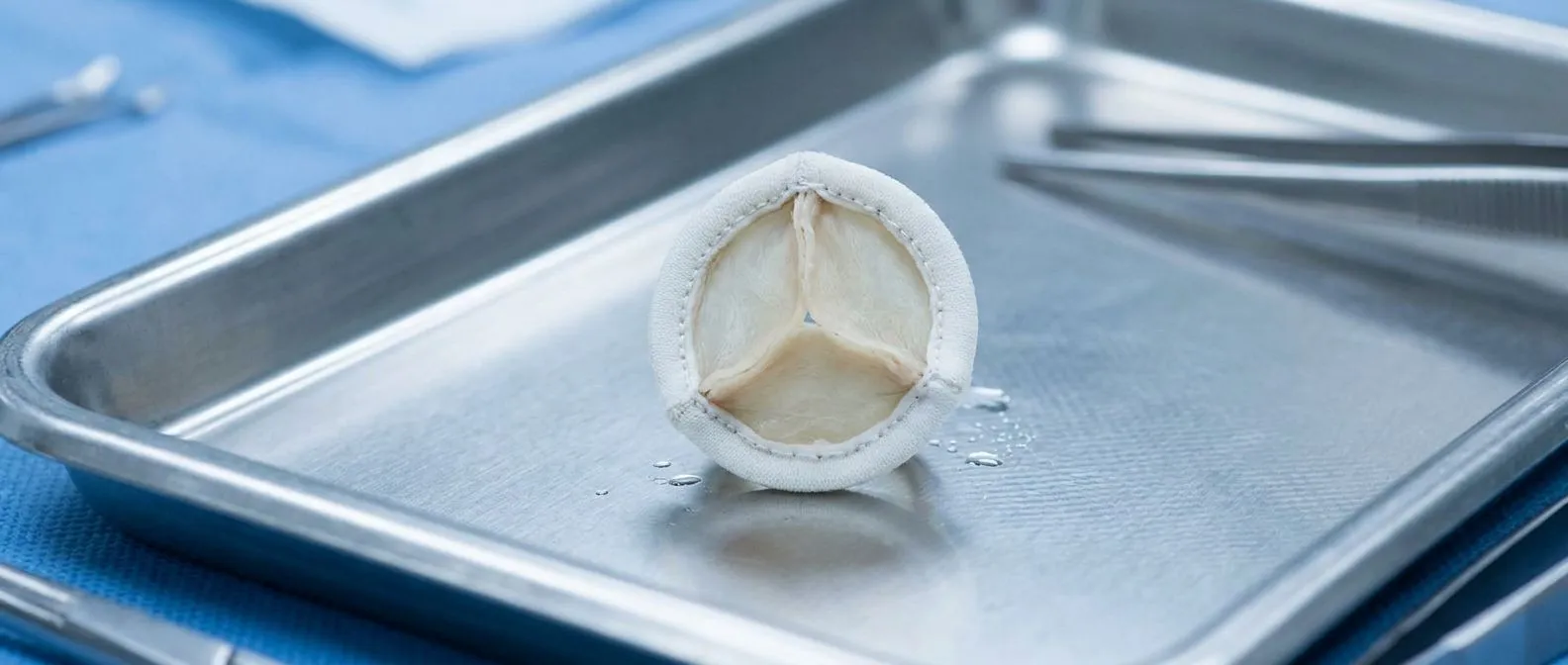
The Ross procedure — sometimes called pulmonary autograft surgery — was developed by Donald Ross in London in 1967. Instead of implanting a manufactured or donor valve, the surgeon removes the patient's own pulmonary valve and transplants it into the aortic position. The pulmonary valve is then replaced with a donated human valve (a homograft) between the heart and the lung artery.
The logic is elegant. The aortic valve endures the highest pressures in the entire circulation, so a valve in that position needs to be exceptionally durable. The patient's own living tissue, with its living cells, handles that burden better over the long term than any artificial material. The homograft on the pulmonary side, which works at much lower pressure, lasts longer there than it would on the arterial side.
Why the aortic valve matters so much: when it narrows (aortic stenosis) or leaks (aortic regurgitation), the heart must work harder with every beat, and over years this can weaken the heart muscle. Replacing the valve restores normal flow. In our multidisciplinary team, led by Dr Alejandro Molina, every case is reviewed against international practice guidelines before any recommendation is made, so the patient receives a clear proposal with the alternatives — and the final decision is always theirs.
How the Ross Procedure Works, Step by Step
Knowing what happens in the operating room makes the recovery less mysterious. The operation is performed under general anaesthesia, with the heart-lung machine taking over circulation while the heart is paused. The surgical plan typically follows these stages:
- Removal: the surgeon harvests the pulmonary valve together with a small cuff of tissue and part of the pulmonary artery, keeping its supporting structures intact.
- Transplant: the pulmonary valve is sewn into the aortic position, reattached to the coronary arteries so the heart muscle keeps its own blood supply.
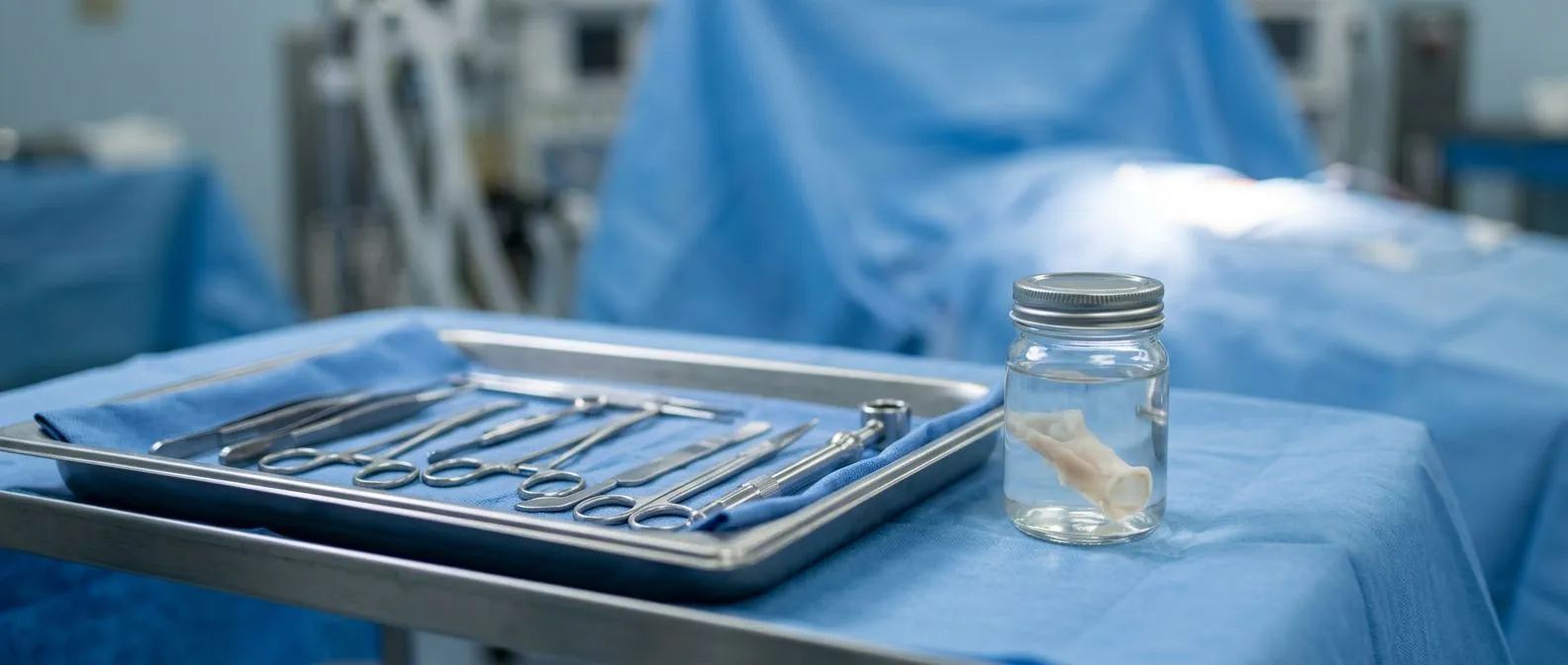
- Replacement: a cryopreserved donor homograft is implanted where the pulmonary valve used to be.
Two surgical techniques: the valve can be implanted as a free root replacement (the full root of the pulmonary artery replaces the aortic root) or using the subcoronary technique (the valve is fitted inside the native aorta). Many centres today prefer the root replacement because it preserves the valve's natural geometry and shows better long-term stability.
The operation typically takes between four and six hours. Dr Molina trained in cardiac, minimally invasive, robotic and structural surgery at the University of Montreal, and in structural cardiology and TAVR at CHU Bordeaux; our team also trained at Jena, Bad Berka and Buffalo. That background matters here, because choosing the Ross procedure is a judgement call that requires fluency in all the alternatives — conventional valve replacement, minimally invasive approaches, robotic surgery and transcatheter options — not just enthusiasm for one operation.
What Are the Benefits of the Ross Procedure?
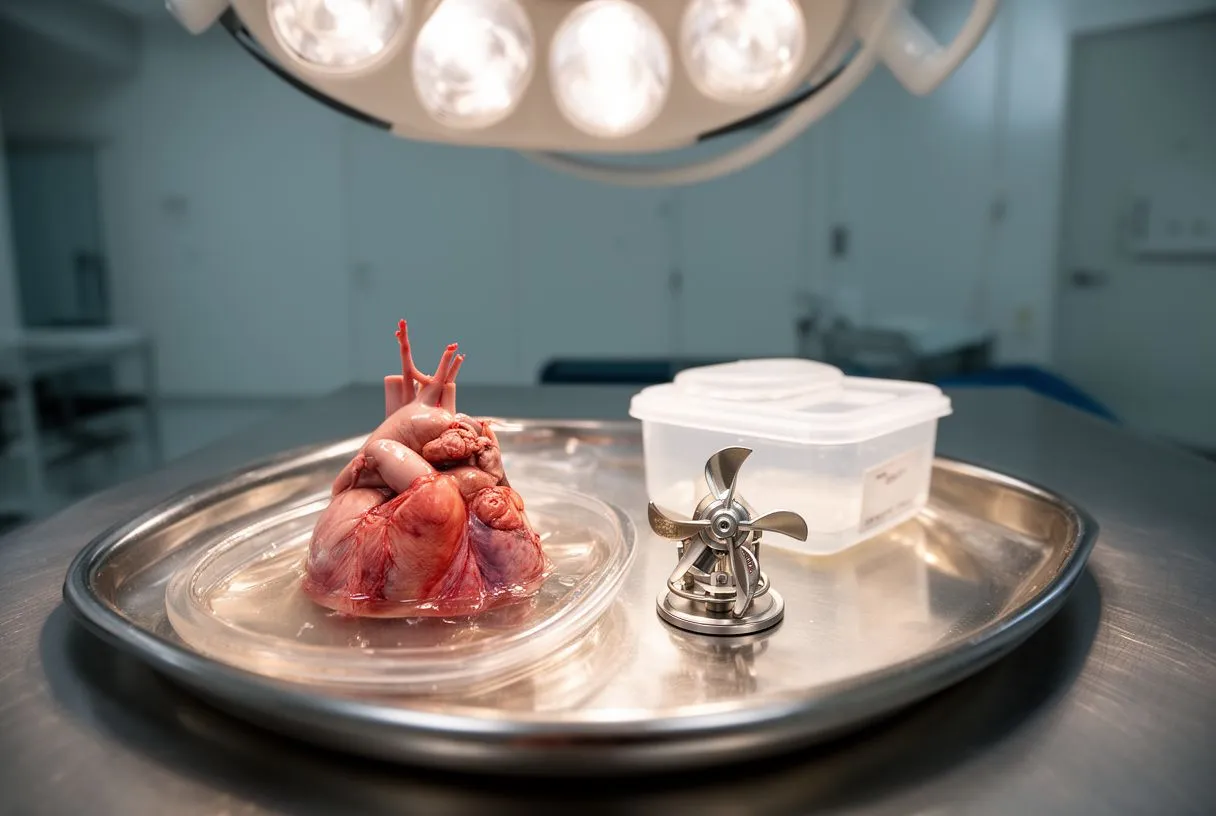
The benefits of the Ross procedure come down to one central fact: the replacement valve is alive. Living tissue grows with children, resists infection better than foreign material, and does not degrade the way biological prostheses do.
A living valve that can last decades: biological tissue valves implanted in the aortic position typically need re-replacement after 10 to 15 years, sooner in younger patients whose metabolism accelerates calcification. A well-performed Ross autograft has shown durability extending well beyond that in young patients, often for their entire adult life.
No lifelong blood thinners: mechanical valves require anticoagulation with warfarin for life to prevent clots. That means regular blood tests, dietary restrictions, bleeding risk, and restrictions on some activities. After a Ross procedure, most patients need only short-term aspirin, not permanent anticoagulation — a major quality-of-life advantage, especially for young women who may one day plan pregnancy, where anticoagulation carries particular complications.
Excellent haemodynamics: because the valve is the patient's own tissue, blood flows through it the way nature designed. This helps the heart muscle recover and supports an active life, including competitive sport in many cases — something rarely permitted with a mechanical valve.
Ross Procedure Benefits vs Mechanical Valve
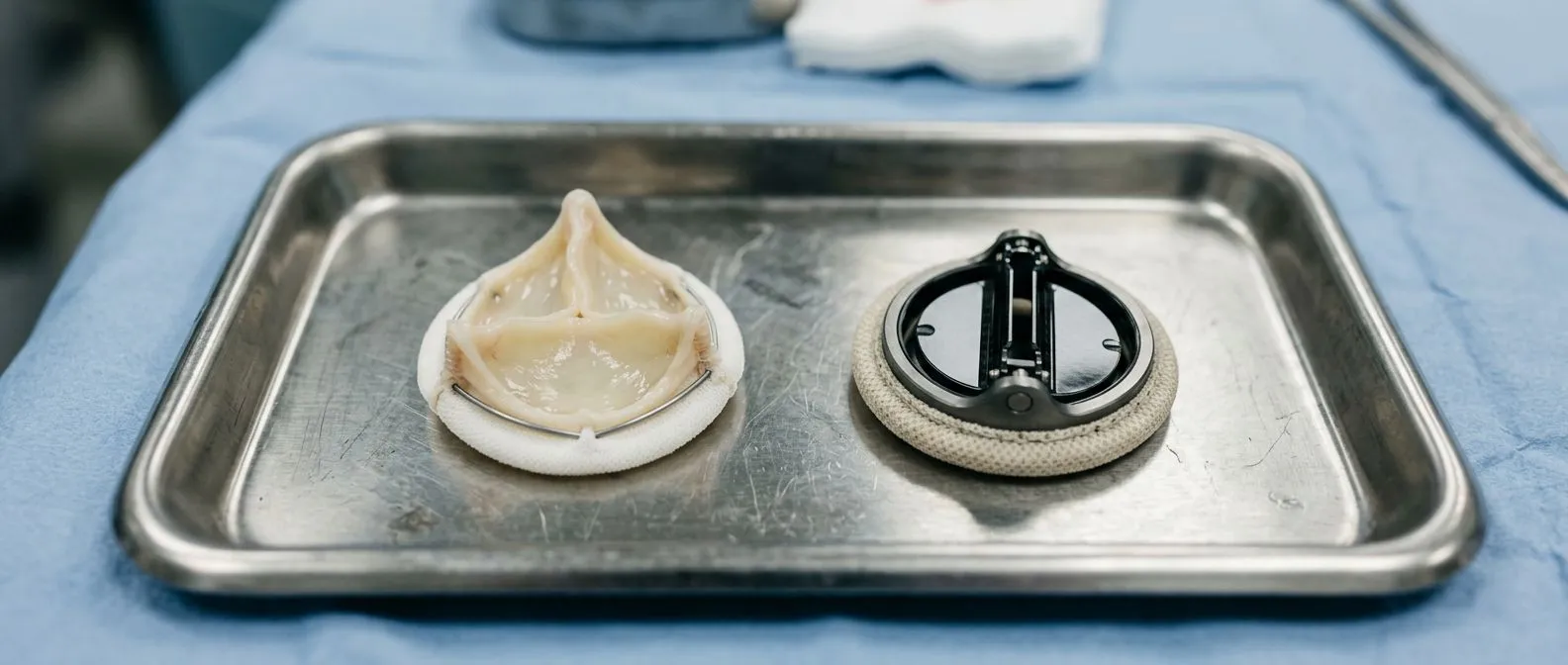
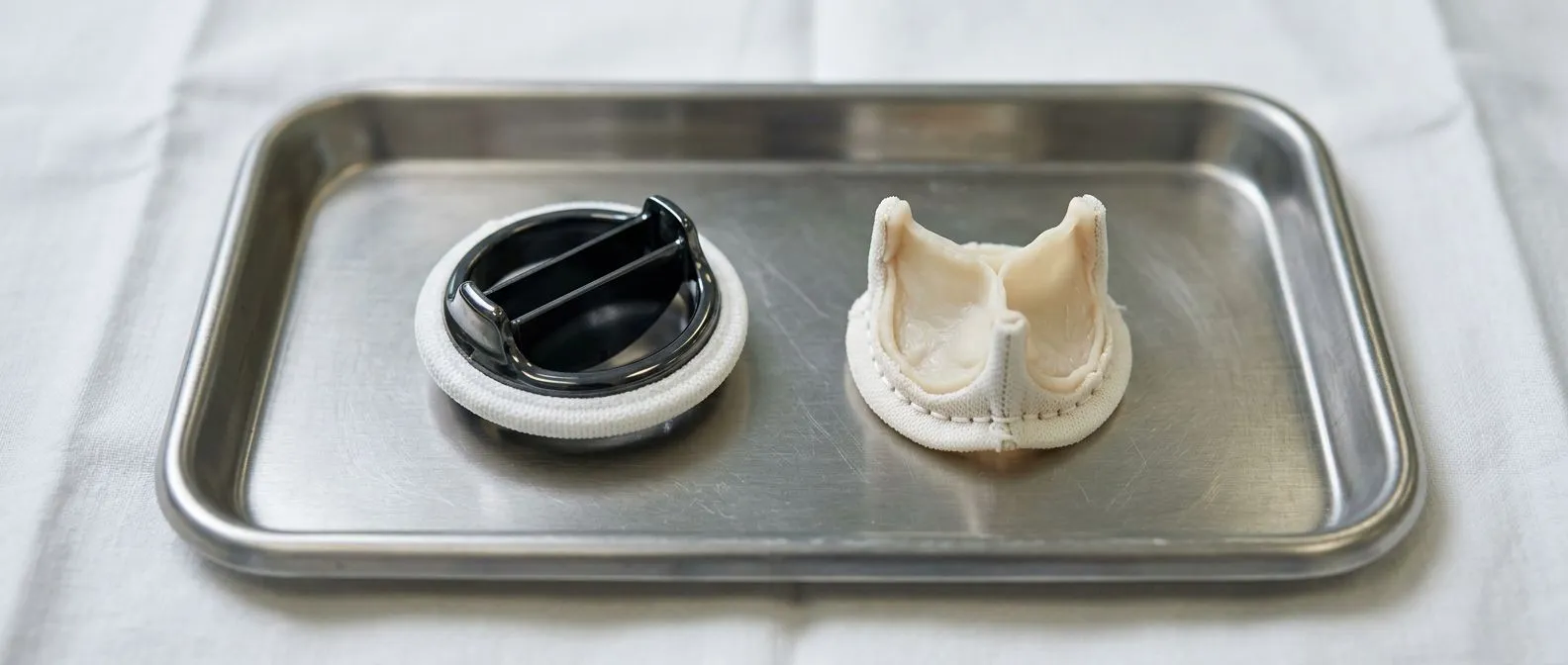
This is the comparison most young patients face. The mechanical valve is the default recommendation in many centres: it is reliable and durable in a mechanical sense, and the operation is simpler. But it comes with permanent trade-offs.
Anticoagulation for life: with a mechanical valve, warfarin is non-negotiable. Thrombotic risk — the chance of clot forming on the valve — demands careful, permanent blood-thinning, and that in turn creates bleeding risk if the dose runs too high. Falls, dental work, injuries and other surgeries all become more complicated. The Ross procedure avoids anticoagulation entirely in most patients, removing that balancing act from daily life.
Growth in children and young adults: a mechanical valve is a fixed size. In a growing child, that means repeated operations as the child outgrows the prosthesis. The Ross autograft grows with the patient, which is why paediatric heart surgeons were among its earliest and strongest advocates. This is one of the clearest Ross procedure pediatric benefits documented in the literature.
The honest downside: the Ross is a longer, more complex operation, and it converts one valve problem into two (both the autograft and the homograft need monitoring over time). A mechanical valve solves one problem simply and permanently, at the cost of anticoagulation. Neither is universally better — the right answer depends on age, lifestyle, life stage and anatomy. In the consultation we take the time to explain what the studies actually show, in plain words, and to answer every question before any decision.
Ross Procedure vs TAVR: Which Makes Sense for You?
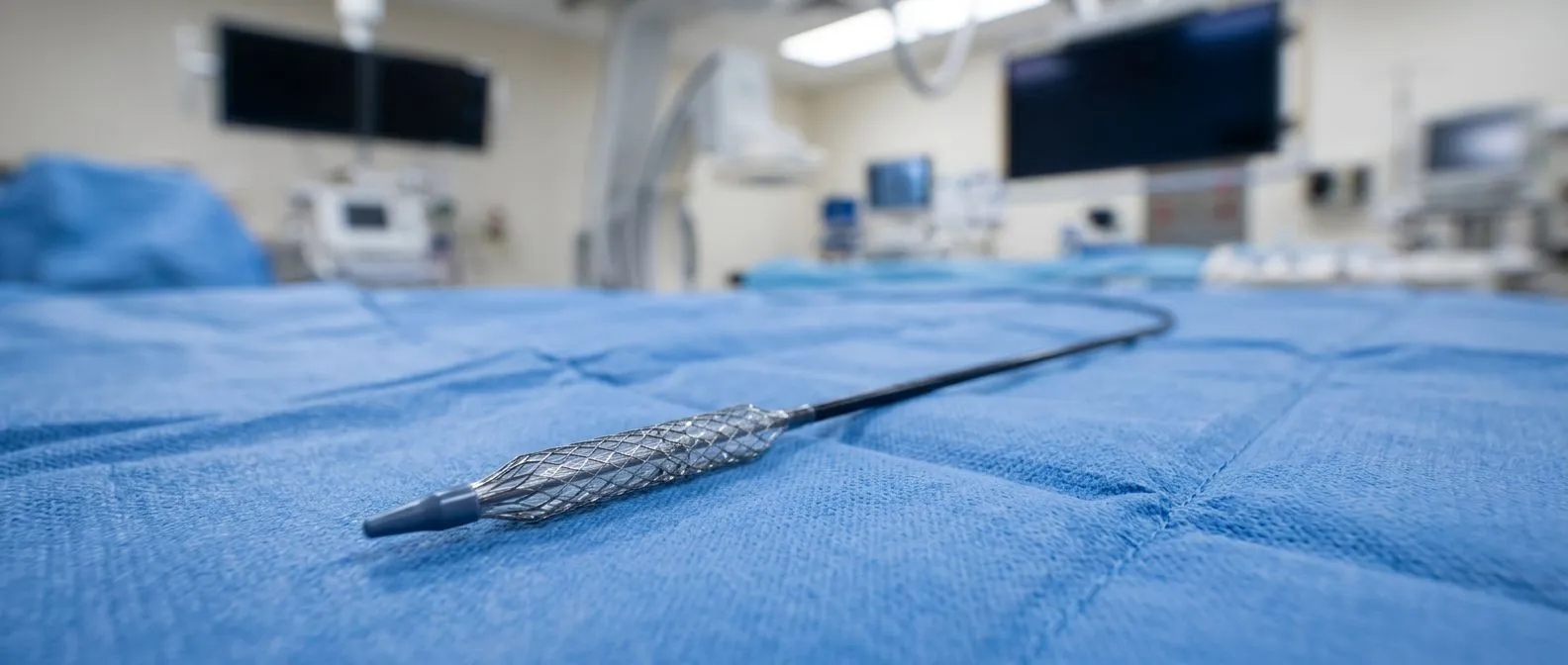
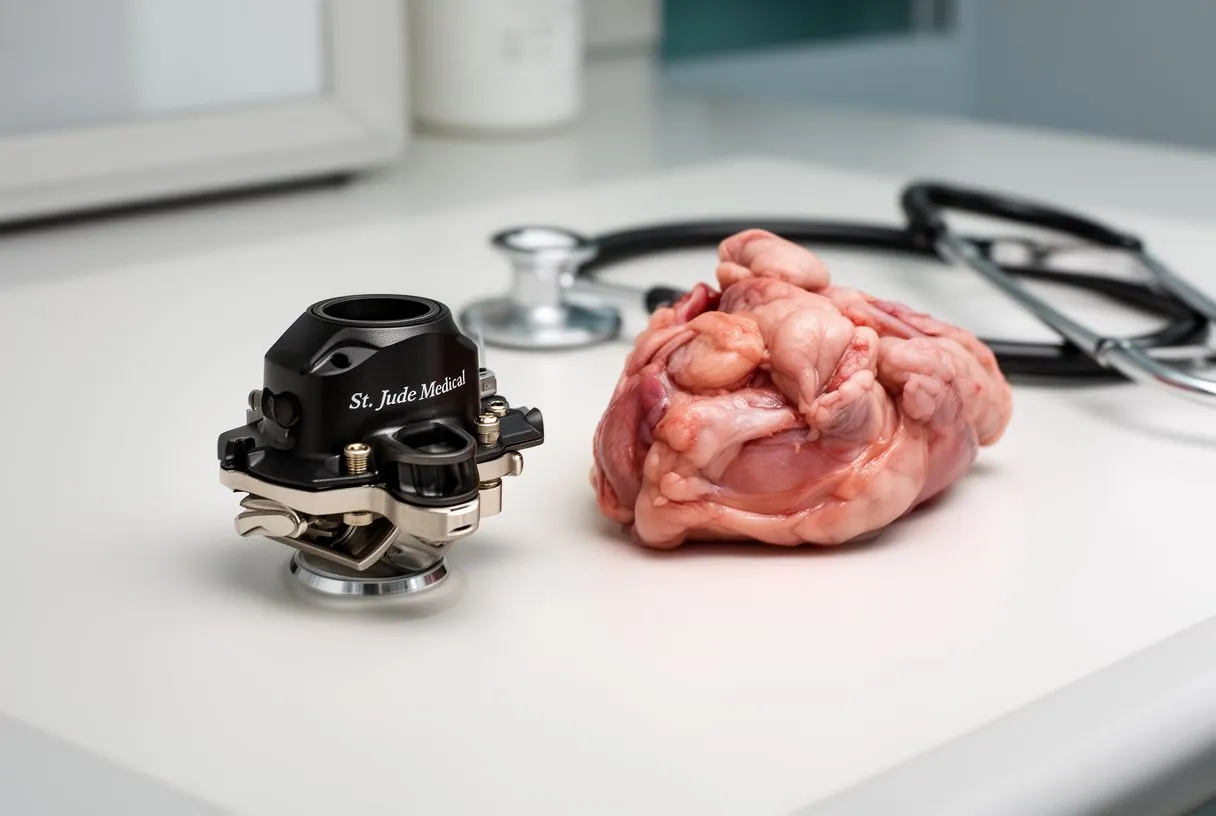
Many patients now hear about TAVR — transcatheter aortic valve replacement — a procedure where a replacement valve is delivered through a catheter, usually from an artery in the groin, without opening the chest. It is a genuine advance, and we perform transcatheter procedures as part of our practice. But it is important to understand what TAVR valves are made of and who they suit best.
TAVR valves are tissue valves: they carry the same long-term limitation as surgical bioprostheses — structural valve deterioration, meaning calcification and wear over years. In older patients, this rarely matters because the valve usually outlasts them. In a 30- or 40-year-old, a tissue valve placed by catheter will very likely need replacing again, and repeat TAVR in a young patient is a real challenge.
Age is the dividing line: current international guidelines generally reserve TAVR for older patients or those at high surgical risk, and favour mechanical or Ross options for younger, lower-risk patients. That is where Risk Stratification — the formal scoring of each patient's Surgical Risk using tools such as EuroSCORE II and the concept of Prohibitive Risk — becomes decisive. We recommend the less invasive route only where the evidence supports it for that specific patient; the evidence today does not support TAVR as the first choice for a healthy young adult.
The comparison is not Ross versus TAVR in the abstract — it is which operation fits this heart, this age, this life. That judgement deserves a second opinion, and we encourage second opinions and treat seeking one as a normal part of deciding about heart surgery.
Who Is a Good Candidate for the Ross Procedure?
Candidacy is about matching the operation's strengths to the patient's situation. The patients who benefit most share common features.
Younger patients, typically under 50–55: the Ross shows its advantages precisely where tissue valves wear out fastest — in young, active people. For children, adolescents and young adults, the autograft's ability to grow is often decisive.
Active lifestyles: athletes and physically demanding workers often prefer the Ross because it avoids anticoagulation and its bleeding risks, and because the valve's natural haemodynamics support high performance.
Women planning pregnancy: anticoagulation during pregnancy is medically complicated and carries risks for both mother and baby. A living valve that needs no warfarin removes that problem.
The anatomy must cooperate: the pulmonary valve needs to be healthy and undamaged — it cannot have been injured by prior surgery or balloon procedures, and the aortic root and pulmonary artery must be suitable. Patients with connective tissue disorders affecting the aorta are generally steered toward other options. An aortic aneurysm beyond the guideline threshold of 5.5 cm diameter usually requires addressing the aorta itself, which changes the surgical plan entirely.
How Serious Is the Ross Procedure? The Risks, Honestly
Yes, this is major open-heart surgery, and it deserves to be described without varnish. Any operation that stops the heart and uses the heart-lung machine carries risks, and the Ross adds the complexity of two valve reconstructions instead of one.
Operative risks: as with any cardiac operation, the risks include bleeding, infection, stroke, arrhythmias requiring a pacemaker, and in a small percentage of cases, death. The Ross procedure is technically demanding; published series show its results depend heavily on surgeon and centre experience, which is exactly why candidates should ask any team directly about their volume and outcomes.
Long-term risks: the autograft can dilate over years in some patients — particularly those with bicuspid aortic valve anatomy — and the homograft on the pulmonary side can calcify or fail, requiring reoperation in a minority of patients over decades. Neither failure is silent: both are caught by regular echocardiogram monitoring, which is why lifelong follow-up is part of the deal.
How we manage this: in our practice every candidate's imaging is reviewed by the full multidisciplinary team before a Ross is even proposed. We check the pulmonary valve's competence, the aortic root dimensions, the geometry of the coronary arteries, and the patient's overall risk profile. If the anatomy or the risk balance does not favour the Ross, we say so plainly and discuss the alternatives.

What Is the Survival Rate of the Ross Procedure?
Patients rightly ask about survival, and the honest answer is encouraging when the patient is selected well. In experienced centres, long-term survival in young Ross patients approaches that of the age-matched general population — which is a remarkable result for any cardiac operation.
Large international registries and meta-analyses, including data published in The BMJ, have shown that in young and middle-aged patients, the Ross procedure is associated with survival and valve-related outcomes that compare favourably with both mechanical and biological valve replacement. The evidence is strongest precisely in the population the Ross suits best: younger patients operated on by experienced teams.
What the numbers do not tell you: statistics describe populations, not individuals. Survival after a Ross depends on the patient's other conditions — coronary disease, lung function, kidney function — on the surgeon's experience, and on disciplined follow-up afterward. Cardiac rehabilitation: what it is and who it is for — a structured program of monitored exercise, education and support after heart surgery — is part of the picture too, and patients who complete it consistently do better. Anyone who quotes you a single survival figure without asking about your specific situation is quoting a number that may not apply to you.
Ross Procedure Recovery: What to Expect Week by Week
Recovery from the Ross follows the pattern of any full sternotomy cardiac operation — the chest bone (sternum) is opened and needs weeks to heal — though patients are often struck by how much better they feel once the valve problem is corrected.
The first days: most patients spend one to two days in intensive care, then three to five more on a regular ward. Breathing tubes come out within hours. Pain is managed with medication and, within a day or two, patients are up and walking short distances — early movement is genuinely part of the treatment.
Weeks one to six: walking increases steadily. Driving is usually permitted around four to six weeks, once the sternum is stable. Most patients return to desk work around six to eight weeks. Sternum precautions — no lifting more than a few kilograms, no pushing or pulling — apply for roughly the first eight weeks.
Months two to six: endurance builds, and cardiac rehabilitation helps structure this phase safely. Most young patients return to full activity, including sport, between three and six months, guided by their surgeon and follow-up echocardiograms. Scheduled echo checks matter after a Ross procedure, because the whole point of the operation is decades of good function, and that is confirmed — not assumed — at each review.
Ross Procedure Cost in Mexico and How to Take the Next Step
Ross Procedure Cost in Mexico and How to Take the Next Step
For international patients, cost is a legitimate part of the decision. Any centre that cannot itemise those for you in advance should be treated with caution.
Insurance and logistics matter too. Many international insurers cover planned surgery abroad when pre-authorised; others do not. We recommend patients confirm coverage in writing before travel, and plan a stay long enough to be cleared for the flight home safely.
How to start with us: the first contact is a free video consultation. We get to know the patient, talk through the condition and the studies already done, and tell you which studies are still needed — so no unnecessary ones are ordered. If you decide to go ahead, a face-to-face visit at the consulting rooms in Guadalajara, Querétaro or Hermosillo follows. Dr Molina performed the first robotic mitral valve repair in the Ángeles Health System and the first robotic heart surgery in Guadalajara, and the team's depth across conventional, minimally invasive, robotic and transcatheter techniques means a Ross recommendation — or a decision against one — comes from full knowledge of every option.
The benefits of the Ross procedure — a living valve, no lifelong anticoagulation, growth in young patients, and durability that can span a lifetime — are real, but they belong to the right patient operated on by the right team. If you have been told you need aortic valve replacement, bring your questions to a qualified cardiac team, ask directly about your Ross procedure candidacy requirements, and remember that a second opinion is never a lack of trust — it is good medicine. Book a consultation rather than deciding alone; your heart, and your family, deserve that much.