Valve-in-Valve TAVR for a Failing Surgical Valve
Valve-in-valve TAVR replaces a failing surgical valve without open-heart surgery.
A valve-in-valve TAVR is a catheter-based way of placing a new transcatheter valve inside a surgical valve that has started to fail, without reopening the chest. Many patients who had aortic valve replacement ten or fifteen years ago now face the news that their tissue valve is wearing out. If you are one of them, you may be asking whether another open-heart operation is truly your only option. In many cases, it is not. This guide walks you through what the procedure involves, how it compares with repeat surgery, what recovery looks like, and how to decide with your cardiac team.
What Is Valve-in-Valve TAVR?
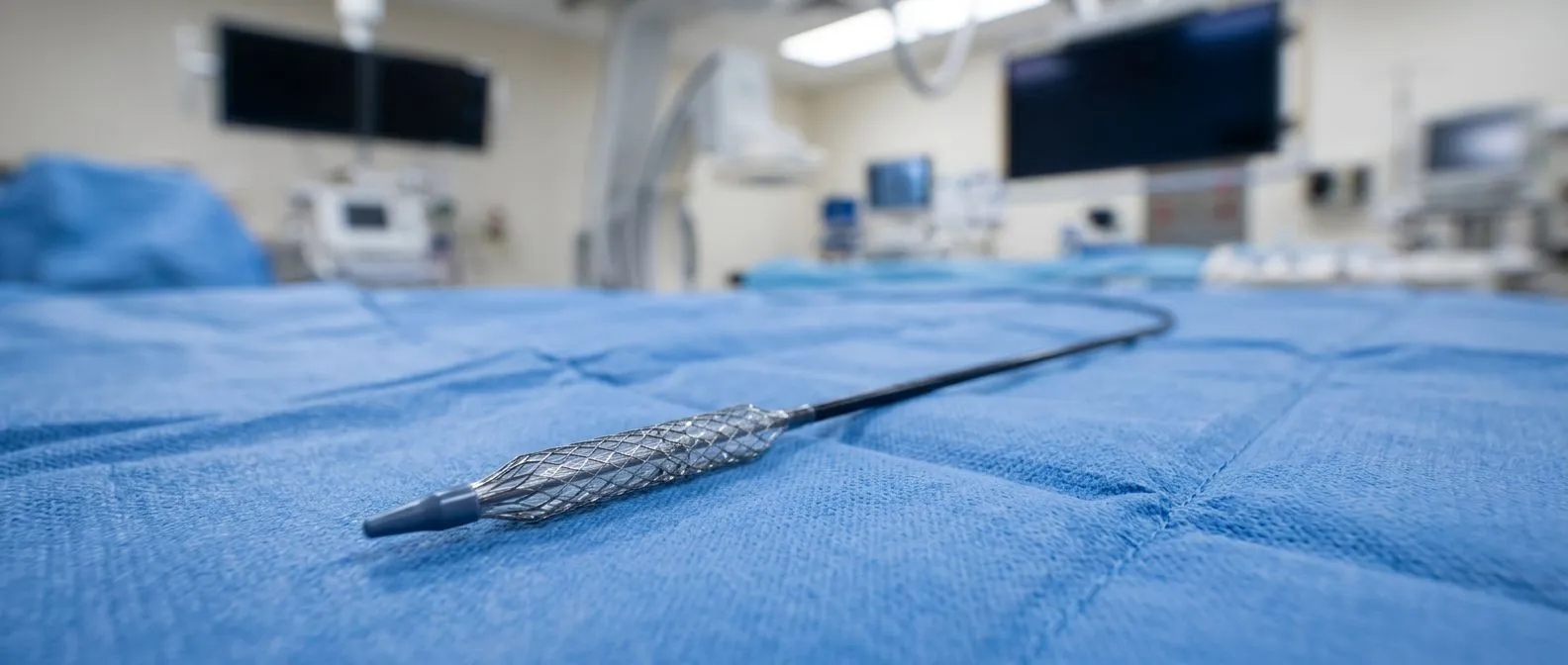
Valve-in-valve TAVR is a form of transcatheter valve implantation in which a new collapsible valve is crimped onto a balloon or a self-expanding frame, guided through an artery to the heart, and deployed inside the old surgical valve. The old valve becomes the landing zone; the new valve takes over the work of controlling blood flow. The technique was first developed for patients too frail for repeat surgery, and it has since become a recognized option for a much broader group. For a related topic, see our guide to what happens when a TAVR valve fails.
Why the name matters. The phrase describes the anatomy precisely: a transcatheter aortic valve replacement placed within a surgical prosthesis. There are no incisions in the chest and no need for the heart-lung machine. Most of the work is done through a catheter the width of a pencil, usually inserted at the groin.
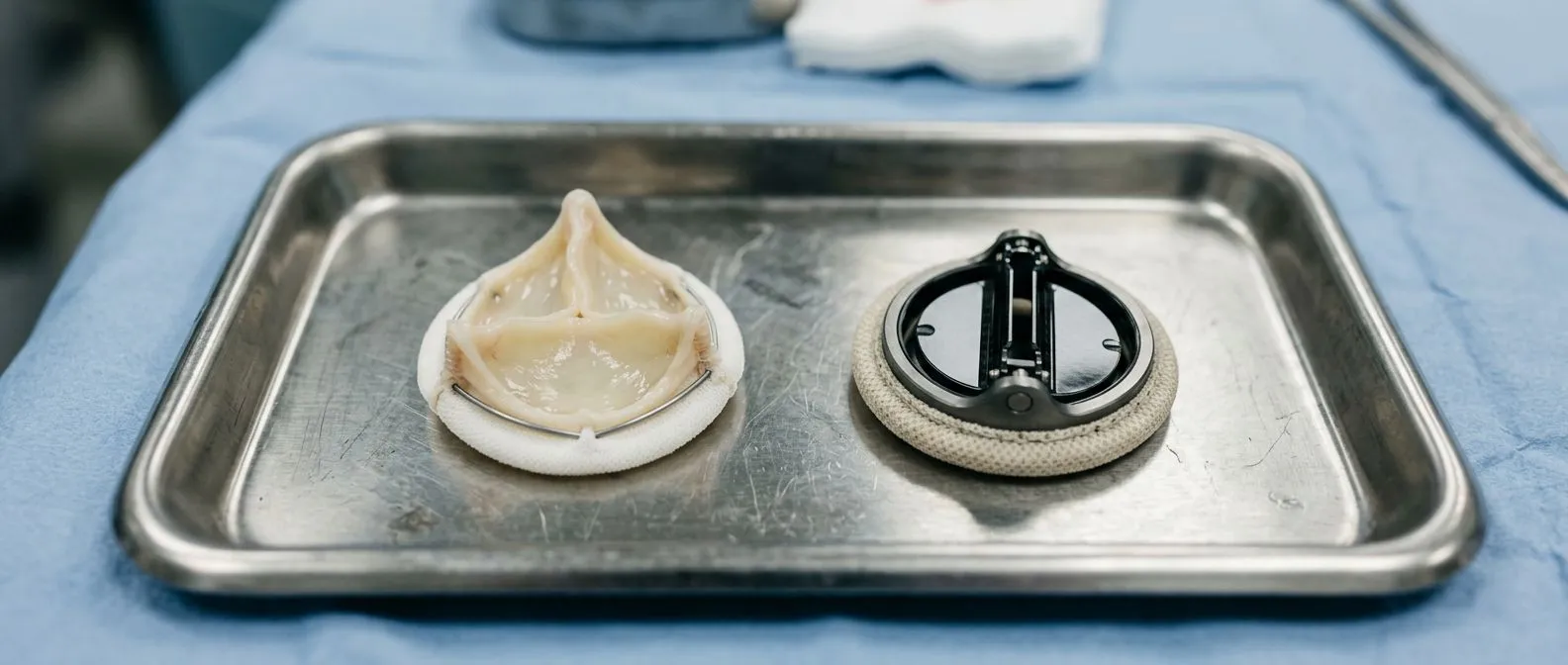
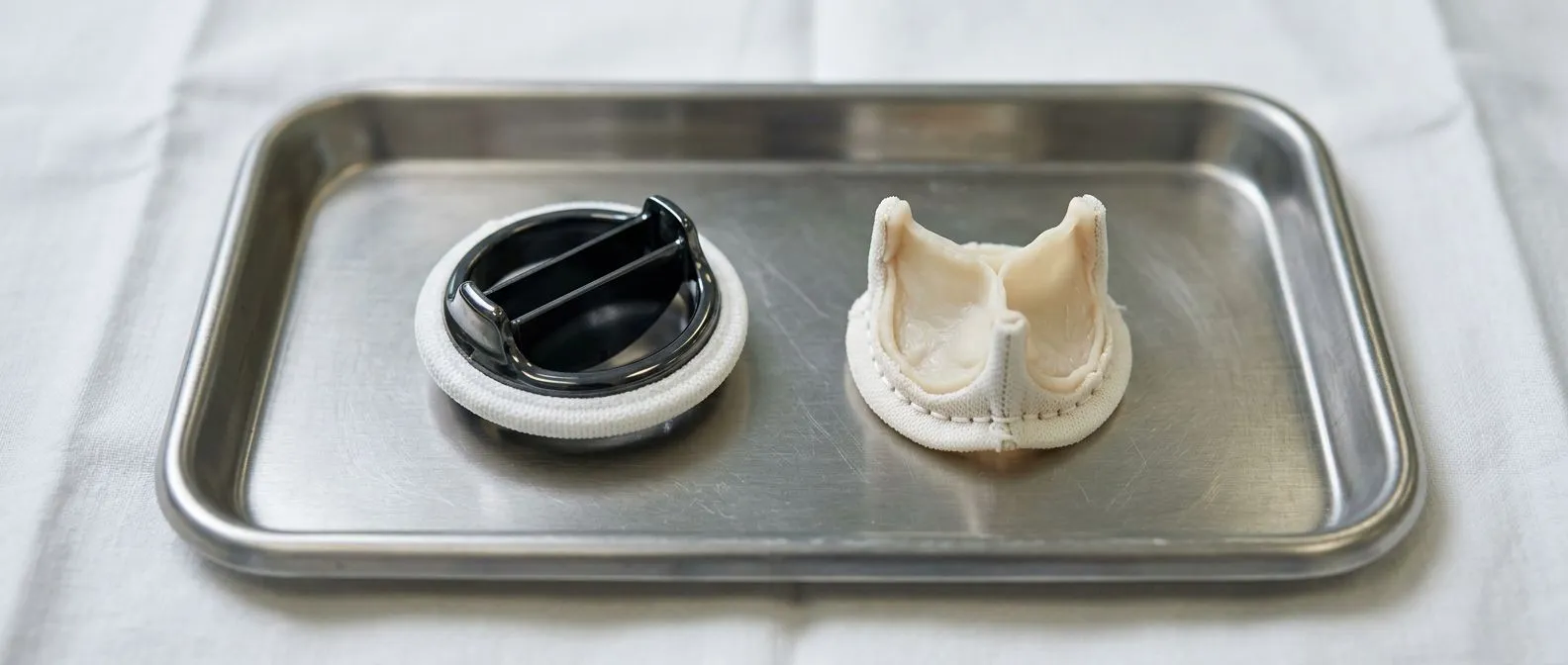
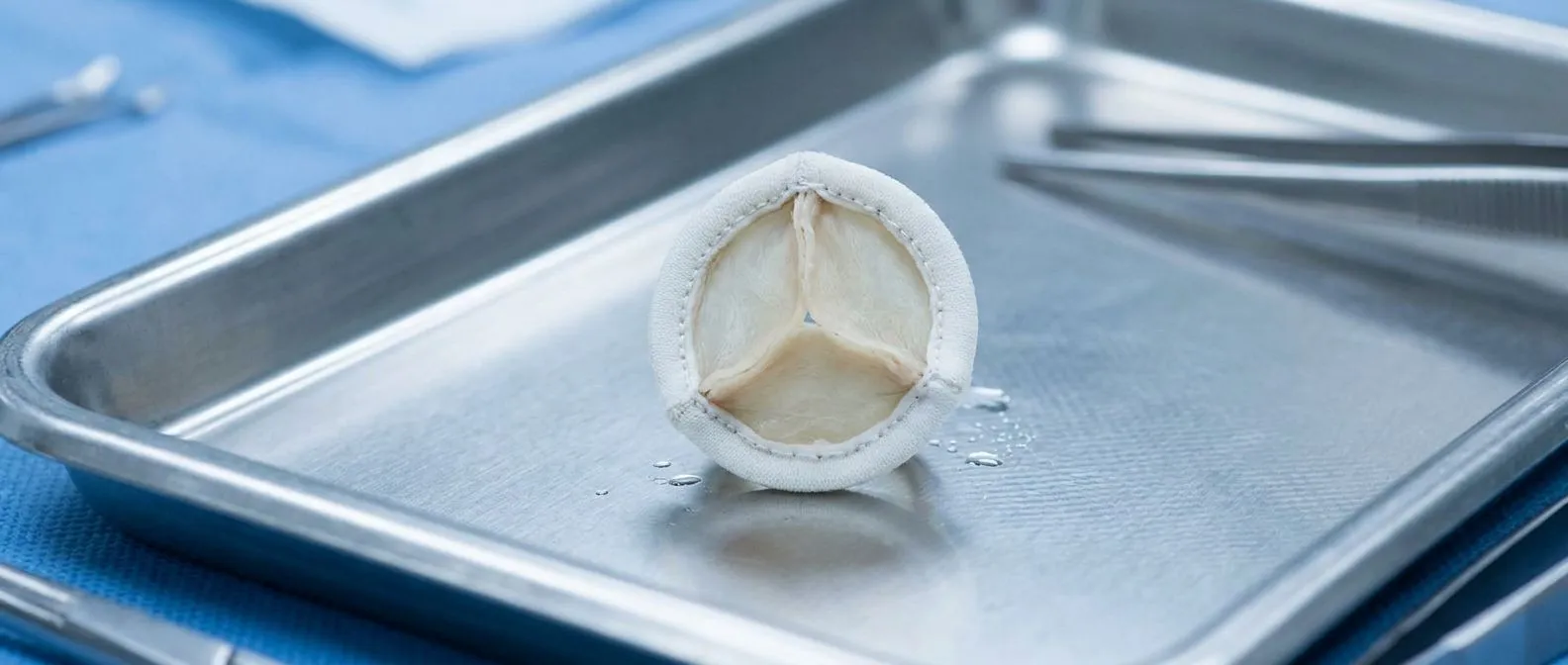
It helps to know what the first operation left behind. A surgical tissue valve is built from animal material — often a bovine pericardial valve or a porcine valve — mounted on a frame called a stented valve, or in some cases sewn without a frame as a stentless valve. That biological material behaves like natural tissue, which means it can slowly stiffen and leak over the years. Catheter valve replacement was designed to answer exactly that problem in patients whose anatomy is suitable.
Why Do Surgical Valves Fail? Bioprosthetic Valve Degeneration
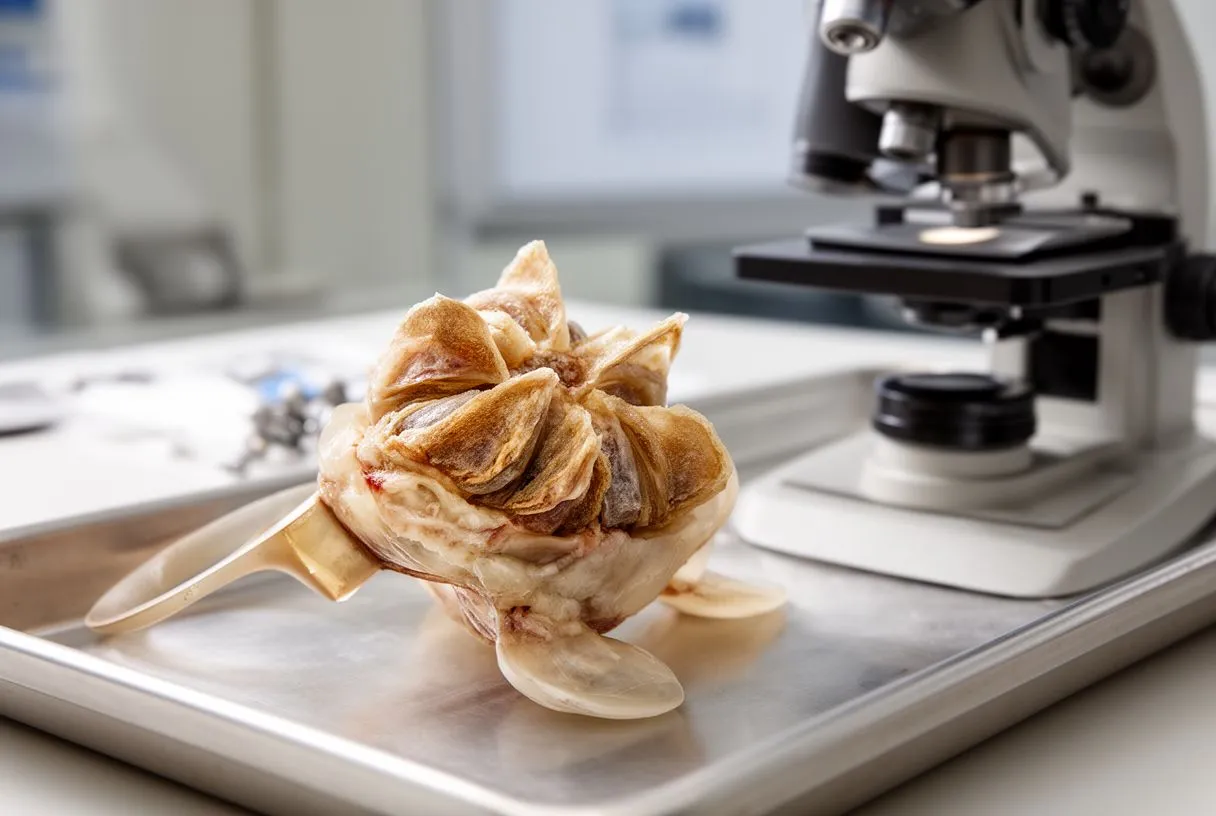
Bioprosthetic valve degeneration is the medical term for the slow wearing out of a tissue valve. The leaflets — the thin flaps, or valve cusp structures, that open and close with every heartbeat — accumulate calcium, stiffen, and eventually stop moving well. Two problems follow: the valve may narrow (stenosis), restricting flow, or it may leak (regurgitation), letting blood flow backwards.
Typical warning signs. Patients often notice a return of the same symptoms that led to the first operation: breathlessness on stairs, swollen ankles, fatigue that rest does not fix, or a heart murmur the cardiologist hears on a routine check-up. Others feel nothing at all, and the failure is found on an echocardiogram.
Failure is not a moral verdict on the first surgery. Tissue valves were chosen for good reasons — often to avoid lifelong blood thinners — and their lifespan is a known trade-off. Structural valve deterioration is an expected pattern rather than an accident, and surgical valve failure options today are wider than they were a decade ago. In the consultation the team explains in plain words what the echo shows before any recommendation is made.
How Does the Valve-in-Valve TAVR Procedure Work?
Before anything happens in the catheterization laboratory, imaging maps the failing valve in detail. An echocardiogram measures the valve area — the opening through which blood passes — and computed tomography shows the size, shape and position of the surgical valve frame. From those measurements the team selects a transcatheter valve of the right type and size. Some devices are a balloon-expandable valve, others are a self-expanding valve; the choice depends on the surgical valve's design.
The steps, in plain language. The patient usually receives light sedation or general anaesthesia. The team enters through an artery, most often at the groin — this is the femoral or transfemoral approach, the commonest form of minimally invasive valve replacement today. A thin tube called a delivery system carries the crimped new valve up the aorta. When it sits inside the old valve, the new one is deployed, either by inflating a balloon or by letting the frame expand on its own. A rapid pacing technique briefly slows the heart so the valve settles precisely.
Checks before you leave the lab. The team immediately performs an echocardiogram to confirm the new valve opens well, leaks minimally, and sits correctly. If the position is not ideal, adjustments or a second valve can be considered in the same session — one of the practical advantages of a catheter approach. Whether the new valve sits low within the ring (an intra-annular position) or above it (a supra-annular position) depends on the device chosen.
Some surgical valves carry a risk that the new valve could block the coronary arteries, especially valves with an external sewing cuff; pre-procedure CT screening identifies this in advance, and protective techniques exist for it. This careful imaging work is a large part of why outcomes have improved steadily.
Valve-in-Valve TAVR vs Redo Open-Heart Surgery
The traditional answer to a failing surgical valve was a redo operation: reopening the chest through previous scar tissue, dissecting adhesions, placing the patient on the heart-lung machine, and sewing in a new prosthesis. It is a well-established heart valve reintervention, but it carries higher risk than a first operation because of the scar tissue and the repeat exposure to cardiopulmonary bypass. As a redo aortic valve surgery alternative, valve-in-valve TAVR avoids all of that.
Comparing the two paths. Each has trade-offs worth understanding before you decide:
- Invasiveness: valve-in-valve TAVR needs no chest incision, no bypass machine, and usually a shorter hospital stay; redo surgery is a full open-heart procedure.
- Fit for the valve: some failing surgical valves are ideal landing zones, others are too small, too large, or poorly positioned — imaging decides, not preference.
- Durability: a redo operation allows repair techniques and a fresh surgical prosthesis; a catheter valve inside an old one may leave a slightly smaller effective opening.
Neither option is universally "better" — the right choice depends on the patient's age, anatomy, other conditions, and personal priorities. Every case in our practice is reviewed by the multidisciplinary team against international practice guidelines before a recommendation is given; the patient receives a clear proposal with the alternatives, and the final decision is always theirs.
Who Is a Candidate? TAVR Candidacy Assessment
Candidacy is built from evidence, not from a single test. The team looks at the type and size of the failing surgical valve, the severity of the failure, the condition of the arteries and the rest of the heart, and the patient's overall surgical risk. Age and frailty matter, which is why valve-in-valve TAVR is often discussed as a sensible elderly valve replacement option, but it is not reserved for the elderly alone.
What the assessment usually includes. Expect an echocardiogram, a CT scan of the chest and abdomen, sometimes a coronary angiogram, and a review of your full medical history and medications. Risk scores such as EuroSCORE II are used to estimate operative risk and to guide whether surgery or a catheter approach is the lower-risk route for your specific situation. Patients who had a mitral rather than an aortic valve implanted, or a tricuspid valve repair years earlier, are assessed through their own pathways, because the landing zones and techniques differ.
The evidence base behind the recommendation. Randomized trials such as the study of transcatheter or surgical aortic-valve replacement in intermediate-risk patients have shaped how teams weigh catheter versus surgical treatment across risk categories. We encourage second opinions and treat seeking one as a normal part of deciding about heart surgery — we would rather a patient choose with full information than accept a plan they do not understand.

Valve-in-Valve TAVR Outcomes: What Studies Show
The published literature on valve-in-valve TAVR outcomes points in a consistent direction: in suitable patients the procedure achieves good valve function with survival and complication rates that compare favourably with repeat surgery, particularly in older and higher-risk patients. Early versions of the technique were associated with more valve leakage and higher pacemaker rates than first-time TAVR; device refinements and better patient selection have narrowed those gaps considerably.
Where the results are strongest. For failing tissue valves in the aortic position, valve-in-valve TAVR is now a guideline-supported treatment when the anatomy is favourable. Registry data — large collections of real-world cases reported in journals such as The BMJ and other peer-reviewed sources — show that careful sizing and pre-procedure imaging are the factors most closely tied to good results. Studies of hospital experience also matter: research on clinical outcomes in relation to total hospital surgical and transcatheter valve replacement volumes suggests that teams with established programmes achieve steadier results.
What the studies do not tell you is your individual outcome, which depends on your anatomy, your health, and the valve you carry. Dr Molina's training in structural cardiology and TAVR at CHU Bordeaux shapes how we read the literature and how we explain to each patient what it does and does not promise.
Valve-in-Valve TAVR Recovery: Hospital Stay and Healing
Recovery from valve-in-valve TAVR is typically far shorter than from repeat open-heart surgery. Many patients who arrive through the groin walk the same evening or the next morning, and hospital stays commonly run two to four days, depending on the pace of the heart's conduction system, the access site, and overall health.
The first days. Expect monitoring of your heart rhythm, because the catheter valve sits close to the electrical pathway of the heart and some patients need a pacemaker afterwards. The groin site is watched for swelling or bleeding. Most patients notice symptom improvement — easier breathing, more energy — within days to weeks.
The first months. You will have a follow-up echocardiogram at about thirty days and again at intervals thereafter, plus an annual check. Blood thinners or antiplatelet medication may be prescribed for a period after the procedure, tailored to your other conditions. Cardiac rehabilitation, when offered, helps rebuild strength safely. Agree the follow-up plan before discharge, so you leave knowing exactly which tests come next and when to call.
What Are the Risks of Valve-in-Valve TAVR?
Every heart procedure carries risk, and an honest guide should say so plainly. The main risks of valve-in-valve TAVR include vascular complications at the access site, heart rhythm disturbances requiring a pacemaker, stroke, residual valve leakage, and, rarely, infection of the new prosthesis known as prosthetic valve endocarditis. Coronary obstruction — the new valve blocking the artery openings — is rare but serious and is screened for on every pre-procedure CT.
How teams reduce these risks. Careful imaging, vascular access planning, and, when needed, alternative access routes (through the arm or the apex of the heart) all reduce complications. The choice between devices is driven by the anatomy of the failing valve, not by preference.
Risks you should not fear. Valve-in-valve TAVR does not involve sawing through breastbone or grafting veins from the leg. The absence of bypass and chest incision means a lower risk of wound infection and bleeding compared with redo surgery in most published comparisons. In our consultations, we explain every risk in plain words and answer every question before any decision — we believe a patient who understands the risks is a safer patient.
Valve-in-Valve TAVR Cost and Travel for International Patients
For many patients travelling to Mexico or elsewhere for structural heart intervention, the practical questions are as important as the clinical ones: how long to stay, what the procedure costs, what insurance will cover, and how follow-up can be managed from home. Costs vary widely between hospitals, countries and device types, and no honest clinic can quote a single figure without seeing the patient's studies — but you can and should ask for a written, itemized estimate.
Questions that make the estimate accurate. Before you commit to travel, ask the team to confirm in writing:
- What is included: device, hospital stay, imaging, anaesthesia, and any anticipated complications or pacemaker — itemized, not bundled into one number.
- How long to stay: how many days before the procedure, how many after, and when it is safe to fly.
- Follow-up at home: which tests you will need, who interprets them locally, and how results reach the treating team.
Our first contact is a free video consultation: we get to know the patient, talk through the condition, and say which studies are still needed so no unnecessary ones are ordered; a face-to-face visit at the consulting rooms follows when the patient decides to go ahead. This staging keeps travel short and costs transparent.
Choosing a Heart Valve Clinic: Questions to Ask
The team you choose shapes your outcome as much as the technique. A heart valve clinic with a genuine structural programme will assess you thoroughly, explain the alternatives — including doing nothing, medication alone, redo surgery, and catheter options — and give you time to decide. Look for a team that performs both surgical and transcatheter procedures; a team offering only one route may unconsciously steer you toward it.
Questions worth asking any team. Come with a list and expect clear answers:
- What does my imaging show about my specific valve, and is it a good landing zone for a catheter valve?
- What are the alternatives, and why is the recommended route the lowest-risk one for my situation?
- How many of these procedures does your team perform, and what follow-up do you provide after I go home?
Dr Molina's training in cardiothoracic surgery at the Universidad de Guadalajara and in cardiac, minimally invasive, robotic and structural surgery at the University of Montreal reflects the multidisciplinary background we believe a structural team should have; he also performed the first robotic mitral valve repair in the Ángeles Health System and the first robotic heart surgery in Guadalajara. Still, the choice of team is yours.
The key takeaways are simple: a failing tissue valve is a predictable event, not a catastrophe; valve-in-valve TAVR offers a genuine, evidence-supported alternative to repeat open-heart surgery for many patients; and the right answer depends on your anatomy and your priorities, not on a general rule. If your doctor has told you your surgical valve is wearing out, the next step is not to self-diagnose from articles — it is to sit with a qualified cardiac team, review your studies together, and decide with full information. We invite you to book a consultation with our team to talk through your own situation calmly and honestly.