

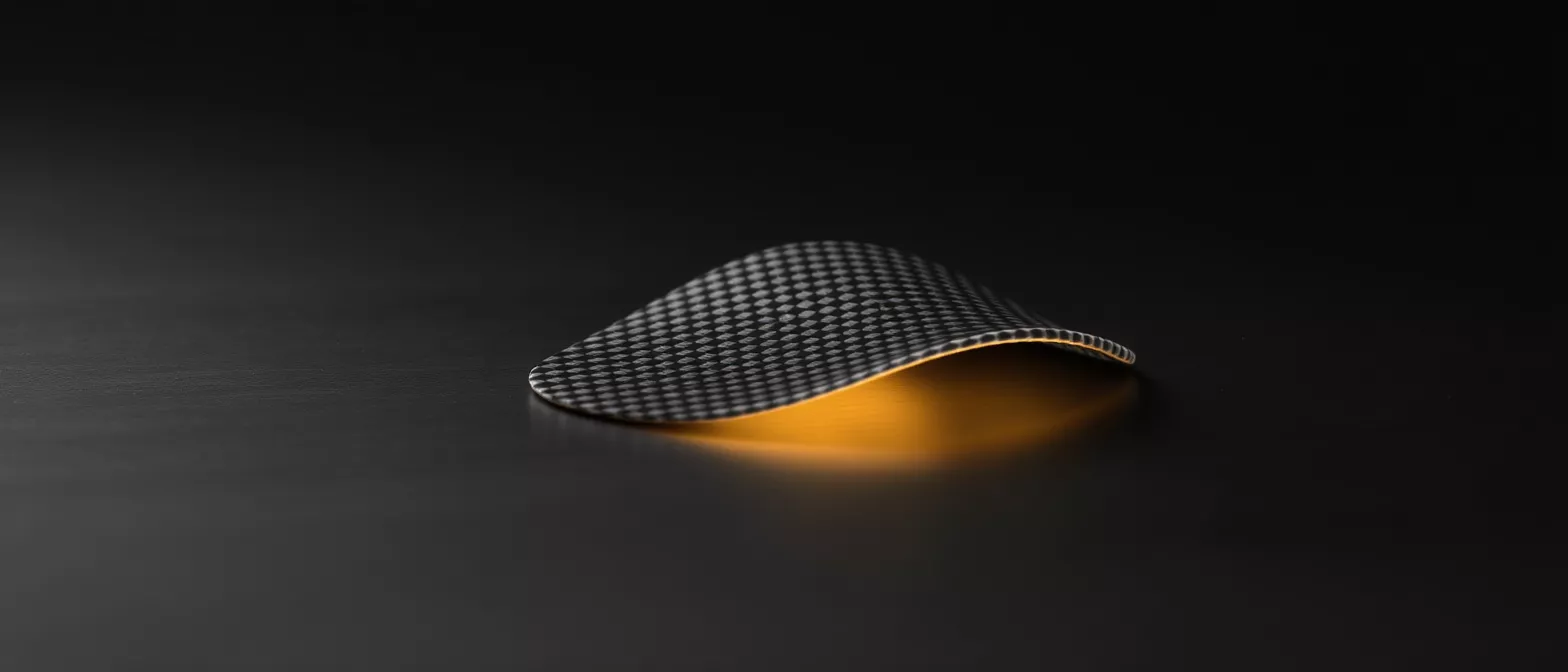
Pyrolytic Carbon
Discover how pyrolytic carbon heart valves work, their biocompatibility, and long-term durability.
What is pyrolytic carbon?
When facing cardiac surgery, understanding the materials used inside your body can bring tremendous peace of mind. Pyrolytic carbon is a specialized, highly engineered material used extensively in the manufacturing of artificial heart valves. For decades, it has served as the gold standard for mechanical valve replacements, offering a unique combination of strength, safety, and long-term reliability.
Despite the word "carbon," this material is nothing like the graphite found in pencils or the residue from a fire. Instead, it is created through an advanced manufacturing process where a hydrocarbon gas is heated to extremely high temperatures. The gas decomposes, leaving behind a remarkably pure, dense, and smooth layer of carbon that deposits onto a specialized substrate.
How does this material help the human body? The resulting material is incredibly hard yet surprisingly lightweight. When formed into the leaflets and housings of a heart valve, it creates a surface that blood flows over smoothly. This smooth flow is critical for minimizing turbulence and preventing blood clots from forming on the artificial components.
How pyrolytic carbon heart valves work
A heart valve must open and close tens of thousands of times a day, handling the relentless pressure of the circulatory system. Mechanical valves made from this advanced carbon material function by physically opening to allow blood to pass forward and snapping shut to prevent blood from flowing backward. The material’s exceptional stiffness allows the leaflets to move with precise, predictable motion.
Unlike biological tissue valves, which are derived from animal sources, mechanical valves rely on rigid components. The pyrolytic carbon heart valve material can be machined into highly precise shapes, ensuring that the valve closes completely tightly. This mechanical precision prevents regurgitation, a condition where blood leaks backward, which can strain the heart muscle.
What makes the opening and closing mechanism reliable? The material is extraordinarily wear-resistant. Over the course of a year, a heart valve opens and closes roughly 40 million times. The inherent durability of medical grade pyrolytic carbon ensures that the valve maintains its structural integrity and does not wear down or deform under constant mechanical stress.
Why pyrolytic carbon biocompatibility matters
When an artificial object is placed inside the human body, the immune system naturally tries to attack or wall it off. The concept of biocompatibility refers to a material's ability to exist peacefully within the body without causing harm. Pyrolytic carbon is highly celebrated in the medical field for its exceptional biocompatibility, making it an ideal candidate for long-term implants.
One of the primary challenges in heart valve replacement is preventing thrombosis, or blood clotting, on the artificial surface. Because this material is so smooth and non-reactive, it interacts minimally with blood components. This reduces the risk of platelets sticking to the valve and forming dangerous clots. Patients who receive a durable mechanical valve prosthesis rely on this inherent compatibility to keep their blood flowing safely.
How does the body accept the material? The surface of the carbon does not provoke a hostile immune response. Instead of treating the valve as a foreign invader, the body allows a thin layer of natural proteins to coat it. This biological passivation further insulates the blood from the mechanical components, making the valve much safer over the years.
Pyrolytic carbon properties for cardiac prosthesis
The physical properties of this material make it uniquely suited for the demanding environment of the human heart. It is not just hard; it is specially formulated to replicate the strength of natural bone while remaining compatible with human tissue. Understanding these properties helps explain why surgeons trust this material for critical cardiac interventions.
- High Strength-to-Weight Ratio: The material provides immense structural strength without adding heavy weight to the heart.
- Extreme Smoothness: The polished surface drastically reduces friction and blood clotting risks.
- Wear Resistance: It resists the constant friction of opening and closing without degrading over decades.
These properties combine to create a material that can outlast the patient's natural lifespan. When your surgeon recommends a mechanical valve, they are relying on the proven physics of these properties to ensure that your new heart valve functions flawlessly for decades without needing replacement.
Types of mechanical heart valve materials
Over the years, surgeons and engineers have experimented with several materials to construct artificial heart valves. Early designs used heavy metals and rigid plastics, which often failed due to blood clotting or material fatigue. Today, the landscape of mechanical valves is dominated by advanced carbons and specialized alloys.
The most common modern design features a housing made of graphite coated with a layer of carbon, combined with a sewing ring made of medical-grade fabric or polymer. Some valves use tungsten, a dense metal, to make the leaflets visible on standard X-rays. This radiopacity is crucial for doctors to check the placement and function of the valve post-surgery. Patients exploring options might discuss the differences between a pyrolytic carbon valve replacement and a titanium housing valve with their surgical team.
How do materials differ between brands? While the base technology is similar, different manufacturers use varying concentrations of silicon-alloyed carbon. The addition of a small amount of silicon improves the material's polish and wear characteristics. These subtle engineering differences provide surgeons with options to match the specific anatomical and hemodynamic needs of their patients.
Pyrolytic carbon durability in cardiac surgery
Durability is perhaps the most significant advantage of choosing a mechanical heart valve made from this advanced material. For younger patients or those who want to avoid multiple surgeries over their lifetime, the longevity of the implant is a major deciding factor. Unlike biological valves, which gradually degrade, carbon valves maintain their structural shape indefinitely.
The material does not suffer from calcification in the same way animal tissue does. Calcification is a process where calcium deposits build up on the valve, causing it to stiffen and eventually fail. Because it is an inorganic, synthetic material, it is highly resistant to this degradation process. Patients who prioritize longevity often select a long-lasting mechanical heart valve to minimize the need for future open-heart surgeries.
What happens if the valve wears out? In practice, the carbon leaflets do not wear out. The structural failure of a mechanical valve is exceedingly rare. If a problem does occur with a mechanical valve, it is typically related to the formation of scar tissue around the sewing ring or an infection, rather than a failure of the carbon components themselves.
Are pyrolytic carbon medical implants safe?
Safety is the paramount concern for any patient facing heart surgery. Decades of clinical use have proven that implants made from this material are exceptionally safe. The material itself is inert, meaning it does not chemically react with the body, release toxic substances, or degrade over time. It is strictly regulated and tested to meet rigorous international medical standards.
The primary safety consideration associated with mechanical valves is not the material itself, but the required medication. Because artificial materials still carry a minor risk of blood clots, patients must take anticoagulant medication for life. Your medical team will carefully manage this therapy to balance the risk of clotting against the risk of bleeding, ensuring the safest possible outcome.
What are the risks of mechanical valves? The main risk is a stroke caused by a blood clot dislodging from the valve, which is why anticoagulation is mandatory. Additionally, patients must be cautious about bacterial endocarditis, an infection of the heart valve. Preventative antibiotics are sometimes required before dental procedures to protect the artificial implant from bacteria entering the bloodstream.
Pyrolytic carbon vs biological heart valves
Choosing between a mechanical valve and a biological valve is a major decision made in consultation with your surgeon. Each option has distinct advantages and limitations. The choice often depends on the patient's age, lifestyle, and willingness to take lifelong medication. A thorough discussion with a trusted cardiac prosthesis specialist is essential to navigating this decision.
- Mechanical Valves: Offer extreme durability and last a lifetime but require lifelong blood thinners.
- Biological Valves: Made from animal tissue, requiring fewer blood thinners but typically lasting only 10 to 20 years before needing replacement.
For younger patients, mechanical valves are usually recommended because the physical demands on the heart are greater over a longer lifespan. For older patients or those who cannot safely take blood thinners, biological valves often present a safer, more convenient option despite their limited lifespan.
Living with a carbon heart valve prosthesis
Adapting to life with a mechanical valve is a journey that requires commitment but leads to a full and active life. The distinct clicking sound of the valve opening and closing is entirely normal, though some patients find it noticeable in quiet rooms. Over time, most patients learn to tune out this sound, viewing it as a reassuring heartbeat.
The most significant lifestyle change involves the strict management of anticoagulant therapy. Patients must monitor their blood regularly, watch their diet for vitamin K intake, and avoid high-impact sports that could cause bleeding. However, everyday activities like walking, swimming, and light exercise are highly encouraged to maintain cardiovascular health.
How does it affect daily life? Outside of medication management, most patients return to their normal routines within a few months of recovery. The valve restores healthy blood flow, alleviating the fatigue and shortness of breath caused by the previous valve disease. It is a highly successful intervention that grants patients a renewed lease on life.
The future of prosthetic heart valve technology
While current mechanical valves are highly successful, medical research never stops. The future of prosthetic heart valve technology aims to eliminate the primary drawback of mechanical valves: the need for blood thinners. Engineers are exploring advanced coatings and surface modifications that could render artificial valves completely blood-repellent.
Additionally, research into new polymer-based materials and tissue-engineered valves may eventually blur the line between mechanical and biological options. The goal is to create a valve that offers the infinite durability of carbon with the maintenance-free lifestyle of biological tissue. Until these next-generation technologies are clinically proven, this advanced carbon remains the trusted standard of care.
In conclusion, this material represents a triumph of modern biomedical engineering. Its unique combination of durability, strength, and biocompatibility has saved millions of lives worldwide. By understanding how this material works and why it is used, patients can approach their heart valve surgery with confidence and reassurance, knowing their new valve is built to last a lifetime.






