

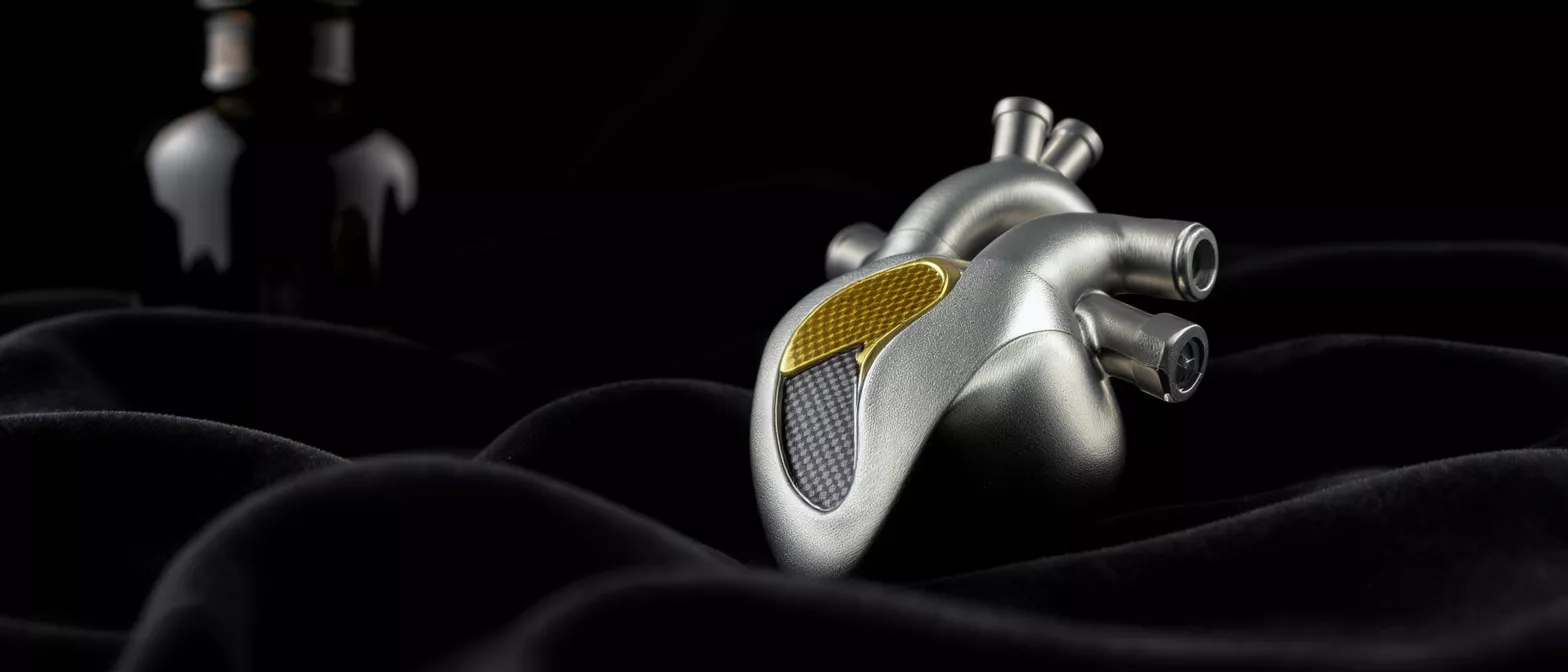
Mechanical Valve
Learn how a mechanical valve works, its durability, and anticoagulation needs.
What Is a Mechanical Valve?
When heart valves are damaged by disease or congenital defects, a mechanical valve offers a reliable, long-lasting replacement. This prosthetic device is engineered from durable materials like titanium and carbon, designed to function seamlessly within the heart. For patients facing severe valve disease, a mechanical heart valve can restore normal blood flow and prevent life-threatening complications.
Why mechanical valves matter for heart surgery patients: These devices act as permanent solutions, eliminating the need for repeat open-heart surgeries later in life. Choosing a durable valve replacement is a critical decision, especially for younger patients who need a device that will last for decades without structural deterioration.
If you are exploring surgical options, understanding how these artificial valves function helps ease anxiety.
How Does a Mechanical Heart Valve Work?
A mechanical heart valve works by replicating the precise opening and closing mechanism of a natural heart valve. Inside the titanium housing, one or two carbon leaflets pivot on hinges. When the heart contracts, the pressure pushes these leaflets open, allowing blood to flow forward. When the heart relaxes, the pressure drops, and the leaflets snap shut to prevent blood from flowing backward.
Blood flow dynamics of prosthetic valves: The engineering behind these valves ensures minimal resistance, allowing blood to pass through smoothly without causing stress on the heart muscle. Modern designs are highly efficient, reducing turbulence and minimizing the risk of clot formation on the valve itself.
The distinct clicking sound of the valve closing is completely normal and serves as a reminder that the device is functioning properly. While some patients notice this sound initially, most quickly adapt to it and stop noticing it during their daily activities.
Mechanical Valve vs Biological Valve: Which Is Better?
Choosing between a mechanical and a biological valve is a highly personal decision based on age, lifestyle, and medical history. Biological valves are made from animal tissue and typically last 10 to 15 years before needing replacement. In contrast, mechanical valves are designed to last a lifetime, making them the preferred choice for younger, healthier patients.
Key differences to consider: The trade-off for extreme durability is the daily need for blood thinners. Patients with biological valves usually only require short-term blood thinners, while those with mechanical devices must take anticoagulants permanently to prevent clots from forming on the artificial surfaces.
- Durability: Mechanical valves rarely wear out, while biological valves eventually calcify and degrade.
- Medication: Mechanical options require lifelong anticoagulation therapy; biological options often do not.
- Age factor: Younger patients usually receive mechanical valves to avoid multiple open-heart surgeries over a lifetime.
Mechanical Valve Longevity and Durability
The primary advantage of a mechanical valve replacement is its exceptional longevity. Constructed from pyrolytic carbon and titanium, these valves are incredibly resistant to wear and tear. For a patient in their forties or fifties, a well-placed mechanical valve can easily last the rest of their natural life without needing a replacement procedure.
Structural integrity over time: Unlike tissue valves that gradually calcify and stiffen, mechanical valves maintain their structural integrity indefinitely. This durability provides immense peace of mind, knowing that the prosthetic valve will not suddenly fail or require another major surgical intervention down the road.
Choosing a long-lasting mechanical valve surgery solution is particularly beneficial for patients in Guadalajara and across Mexico who may have limited access to repeated high-risk cardiac procedures. It represents a one-time, permanent fix for severe valve disease.
Mechanical Valve Anticoagulation and Blood Thinners
Because artificial materials come into contact with blood, the body naturally tries to clot around the mechanical valve. To prevent this, mechanical valve anticoagulation is absolutely essential. Patients must take blood thinners daily to keep the blood at a specific consistency that prevents dangerous clots from forming on the valve leaflets.
Managing warfarin therapy: Patients usually take warfarin, which requires regular blood tests to monitor the International Normalized Ratio (INR). Keeping the INR within a specific target range ensures the blood is thin enough to prevent clots but thick enough to prevent spontaneous bleeding.
Strict adherence to this medication schedule is non-negotiable. Missing doses or making drastic changes to vitamin K intake can destabilize the blood, increasing the risk of valve thrombosis or bleeding complications. With proper management, most patients adjust well to this routine.
Types of Mechanical Valve Replacements
Over the years, the design of mechanical valves has evolved significantly. The three main generations include caged ball valves, tilting disc valves, and modern bileaflet valves. Today, the bileaflet design is the gold standard used by cardiac surgeons worldwide due to its superior hemodynamics and lower risk of clotting.
Modern bileaflet valve advantages: These valves feature two semicircular leaflets that open and close around a central pivot point. This design allows for a larger opening area, ensuring better blood flow, less turbulence, and a lower overall profile within the heart chamber.
When discussing surgical plans with your cardiac surgeon in Guadalajara, they will select the specific size and model based on your anatomy and the specific heart valve being replaced.
Mechanical Aortic Valve vs Mechanical Mitral Valve
The location of the damaged valve plays a major role in how the surgery is approached and how blood thinners are managed. A mechanical aortic valve is placed in the aortic position, controlling blood flow from the heart to the rest of the body. A mechanical mitral valve regulates blood flow between the left atrium and left ventricle.
Anticoagulation differences by position: Blood moves faster and with higher pressure through the aortic valve, making it less prone to clotting than the mitral valve. Consequently, patients with a mechanical mitral valve often require a slightly higher INR target than those with an aortic valve replacement.
Both surgeries require an experienced cardiac surgeon to ensure precise sizing and placement. A perfectly seated valve minimizes leakage and ensures optimal hemodynamic performance, allowing the heart to pump effectively and without strain.
Are Mechanical Valves Safe Long-Term?
For the vast majority of patients, mechanical valves are incredibly safe and effective over the long term. The materials used are biologically inert, meaning the body does not reject them or mount an immune response against the artificial components. The risks are generally associated with the required anticoagulation therapy rather than the valve itself.
Understanding mechanical valve complications: While rare, complications can include blood clots, bleeding events due to blood thinners, or valve infection. Recognizing the signs of endocarditis, such as unexplained fever or fatigue, is crucial for prompt medical intervention.
With diligent care, regular follow-ups, and strict adherence to anticoagulation guidelines, patients live full, active lives with their prosthetic valves. The safety profile is well-documented over decades of clinical use and continuous technological improvement.
Preparing for Mechanical Valve Surgery
Preparation for heart valve surgery Mexico involves thorough diagnostic testing and physical optimization. Your medical team will conduct echocardiograms, cardiac catheterizations, and blood work to ensure you are a strong candidate for open-heart surgery. Clearing any existing infections and optimizing lung function are vital steps before entering the operating room.
Pre-operative lifestyle adjustments: Patients are often advised to stop smoking, improve their diet, and carefully manage existing conditions like diabetes. Your surgeon will provide specific instructions regarding which medications to pause before surgery to minimize bleeding risks.
Mentally preparing for the recovery process is just as important as the physical preparation. Understanding that the surgery will restore your heart's function can provide significant emotional relief, transforming fear into focused readiness for the healing journey ahead.
Life After Mechanical Valve Replacement
Recovery from valve replacement surgery takes time, but the long-term outlook is exceptionally positive. Most patients spend a few days in the hospital before transitioning to a cardiac rehabilitation program. Within a few months, the chest bone heals fully, and patients begin to feel a dramatic improvement in their energy levels.
Resuming daily activities safely: Once recovered, patients can return to work, exercise, and travel. The only ongoing restrictions are related to contact sports that could cause chest trauma and the necessity of taking blood thinners exactly as prescribed. Regular monitoring ensures the INR stays perfectly balanced.
Ultimately, a mechanical valve restores blood flow, relieves symptoms like shortness of breath, and gives patients their lives back. Working with an expert team like Dr Alejandro Molina at Cirugía de Corazón ensures you receive world-class surgical care, guiding you safely from diagnosis through full recovery.






