

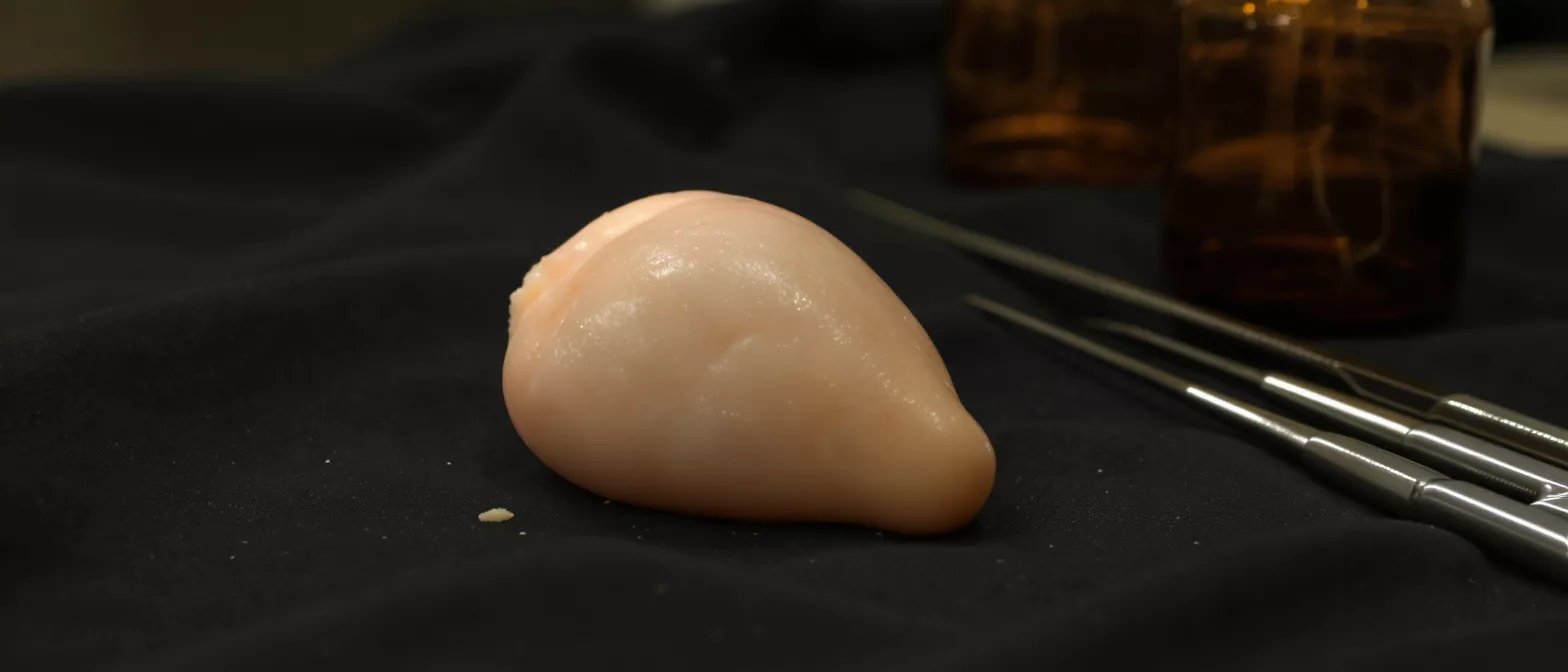
Stentless Valve
Learn how a stentless valve improves blood flow after heart surgery.
What is a Stentless Valve?
A stentless valve is a biological heart valve used to replace a diseased or damaged native valve, most commonly in the aortic position. Unlike traditional stented bioprostheses, which are mounted on a rigid frame or stent, a stentless valve consists solely of natural tissue, typically derived from a pig (porcine) or a cow (bovine). This frameless design allows the valve to integrate naturally with the patient's own anatomy.
Why does the frame matter? The rigid frame of a traditional stented valve can sometimes restrict blood flow. By removing the stent, the surgeon uses the patient's own natural tissue to support the new valve, creating a wider opening for blood to pass through. This results in more natural, efficient blood flow from the heart to the rest of the body.
For patients facing cardiac surgery, understanding the materials and mechanics of valve replacements is a crucial part of the decision-making process. A stentless heart valve offers a unique approach that closely mimics the body's natural anatomy, helping to restore healthy circulation and reduce the workload on the heart muscle over time.
How Does a Stentless Heart Valve Work?
A stentless heart valve works by seamlessly replacing the diseased native valve, taking over the job of opening and closing to regulate blood flow. When the heart muscle contracts, the flexible leaflets of the stentless valve open widely, allowing blood to flow out of the heart. When the heart muscle relaxes, the leaflets close tightly to prevent blood from leaking backward. Because there is no rigid frame, the valve functions in harmony with the patient's natural aortic root.
How does blood flow differ? The frameless design eliminates the obstruction caused by a stent. This creates a larger effective orifice area, meaning the pathway for blood is wider. The result is improved blood flow dynamics, which reduces the pressure gradient across the valve and helps the heart pump blood more efficiently with less resistance.
How does the body adapt to it? Because the valve is entirely made of biological tissue, the patient's own cells can grow over and incorporate the implant over time. This cellular integration helps the stentless valve become a natural part of the heart's structure, reducing the risk of complications related to artificial materials and promoting better long-term heart function.
What Are the Benefits of a Stentless Valve?
Better blood flow and heart function: The primary stentless valve benefits revolve around improved circulation. Without a rigid frame obstructing the blood path, the heart experiences less resistance when pumping blood to the body. This improved efficiency helps the heart muscle relax and can lead to better overall cardiac performance in the years following surgery.
Lower risk of blood clots: Because stentless valves are made from natural biological tissue rather than metallic components, the risk of blood clots is naturally lower. Patients typically only need to take blood-thinning medications for a short period immediately after surgery, rather than relying on lifelong anticoagulation therapy, which simplifies long-term medical management.
Another significant benefit of a stentless aortic valve replacement is the reduction of turbulent blood flow. Turbulent flow can cause wear and tear on the valve leaflets over time. By providing a smooth, natural pathway for blood, the stentless design minimizes this stress, contributing to the long-term durability and structural integrity of the bioprosthesis.
Stentless Valve vs Stented Valve: Which is Better?
Stentless Valve vs Stented Valve: The main difference lies in the supporting frame. Stented valves are mounted on a rigid structure, making them easier for surgeons to implant, while stentless valves lack this frame, offering a more natural anatomical fit but requiring a more complex surgical technique to secure properly within the heart.
- Stentless: Better blood flow, more natural function, lower risk of blood clots, requires advanced surgical skill to implant.
- Stented: Rigid frame, slightly restricted blood flow, easier surgical implantation, widely used standard of care.
Choosing between the two options depends heavily on the patient's specific anatomy, age, and the surgeon's expertise. A cardiac surgeon will evaluate the structure of the heart and the patient's overall health to determine which valve type will provide the best long-term outcome and support optimal heart function.
Who Needs Stentless Valve Replacement Surgery?
Stentless valve replacement surgery is recommended for patients who require an aortic valve replacement and desire a biological option that closely mimics their natural anatomy. Candidates often suffer from severe aortic stenosis, a condition where the native valve becomes stiff and narrowed, restricting blood flow from the heart to the rest of the body.
Who are the ideal candidates? Ideal candidates are typically younger, active patients who want to avoid lifelong blood-thinning medications. Because the stentless design promotes better blood flow, it is also an excellent choice for patients with a small aortic root, where maximizing the available space for blood flow is critical to preventing complications.
Patients with aortic regurgitation, where the native valve does not close properly and allows blood to leak backward, may also benefit from this frameless approach. The surgeon will carefully assess the patient's heart structure and medical history to determine if a bovine pericardial tissue valve is the most suitable and beneficial option for their specific condition.
What to Expect During Stentless Valve Surgery?
Stentless valve surgery is a major cardiac procedure performed under general anesthesia. The surgeon makes an incision in the chest to access the heart, and the patient is connected to a heart-lung bypass machine. This machine temporarily takes over the function of the heart and lungs, allowing the surgeon to stop the heart and safely work on the valve.
How is the valve implanted? The surgeon carefully removes the diseased native valve. The frameless stentless valve is then precisely sutured directly to the patient's natural heart tissue. This implantation technique is highly meticulous, ensuring that the new valve functions perfectly within the patient's aortic root without the aid of a rigid supporting frame.
Once the new valve is securely in place, the surgeon restores normal blood flow to the heart, and the heart begins to beat on its own. The surgical team carefully monitors the patient as they are weaned from the bypass machine, ensuring the new stentless heart valve is functioning optimally before the incision is closed and the patient is moved to recovery.
Stentless Valve Recovery and Healing Timeline
Stentless valve recovery begins immediately after surgery in the intensive care unit, where medical staff closely monitor the patient's vital signs and heart function. Most patients spend one or two days in the ICU before transitioning to a regular hospital room for the remainder of their stay, which typically lasts about a week, depending on individual progress.
What is the healing process like? The first few weeks at home focus on rest and gradual increases in physical activity. Patients are encouraged to walk daily to build strength and promote circulation. It is normal to feel fatigued during this time, as the body is dedicating significant energy to healing the surgical incision and adapting to the new valve's function.
Complete recovery from aortic valve replacement surgery usually takes six to twelve weeks. During this time, patients attend follow-up appointments with their cardiac surgeon to ensure the valve is working properly and the heart is healing. Cardiac rehabilitation is often recommended to help patients safely return to their normal daily activities.
Are Stentless Valves Safe and Durable?
Stentless valve durability: Stentless valves are crafted from high-quality biological tissue that has been specially treated to prevent the body from rejecting it. While no biological valve lasts forever, stentless valves are designed for excellent long-term durability, often lasting fifteen to twenty years or more before a replacement might be necessary.
Are stentless valves safe? Yes, stentless valve implantation is a well-established and safe surgical procedure when performed by an experienced cardiac surgeon. The frameless design actually reduces certain risks, such as blood clot formation, making it a very safe option for long-term heart function and overall patient health.
The safety and longevity of a stentless valve are heavily influenced by the patient's adherence to medical guidelines following surgery. Attending all follow-up appointments, maintaining a heart-healthy lifestyle, and reporting any unusual symptoms immediately can help ensure the valve functions safely for many years to come.
Stentless Valve Complications and Risks
Common stentless valve complications: While stentless valve surgery is highly successful, it is still major surgery and carries inherent risks. Potential complications can include bleeding, infection at the incision site, or irregular heartbeats, known as arrhythmias. The medical team takes extensive precautions to minimize these risks before, during, and after the procedure.
- Blood clots: Though lower than mechanical valves, clot risk still requires short-term blood thinners.
- Infection: Endocarditis is a rare but serious infection of the heart valve requiring prompt treatment.
- Structural deterioration: Over many years, biological tissue may wear down and require a second surgery.
Understanding these stentless valve complications helps patients make informed decisions and recognize symptoms early. By maintaining regular communication with their cardiologist and adhering to a healthy lifestyle, patients can significantly mitigate these risks and enjoy a high quality of life with their new heart valve.
Life After Stentless Valve Implantation
Life after stentless valve implantation: Many patients experience a dramatic improvement in their quality of life. With the new valve restoring healthy blood flow, symptoms like shortness of breath, chest pain, and fatigue often disappear. Patients can return to their favorite activities, exercise, and enjoy daily life with renewed energy and a stronger, more efficient heart.
Living with a stentless valve requires a commitment to heart-healthy habits. Eating a balanced diet, engaging in regular physical activity, and avoiding smoking are essential steps to protect the new valve and the rest of the cardiovascular system. Patients will also need regular check-ups with their cardiologist to monitor the valve's function over time.
In summary, a stentless valve is an excellent medical innovation for those needing heart valve replacement. By choosing a frameless, biological option, patients can enjoy natural blood flow, a lower risk of blood clots, and long-lasting durability. Consulting with a skilled cardiac surgeon is the best way to determine if this advanced treatment is the right path forward for your heart health.






