

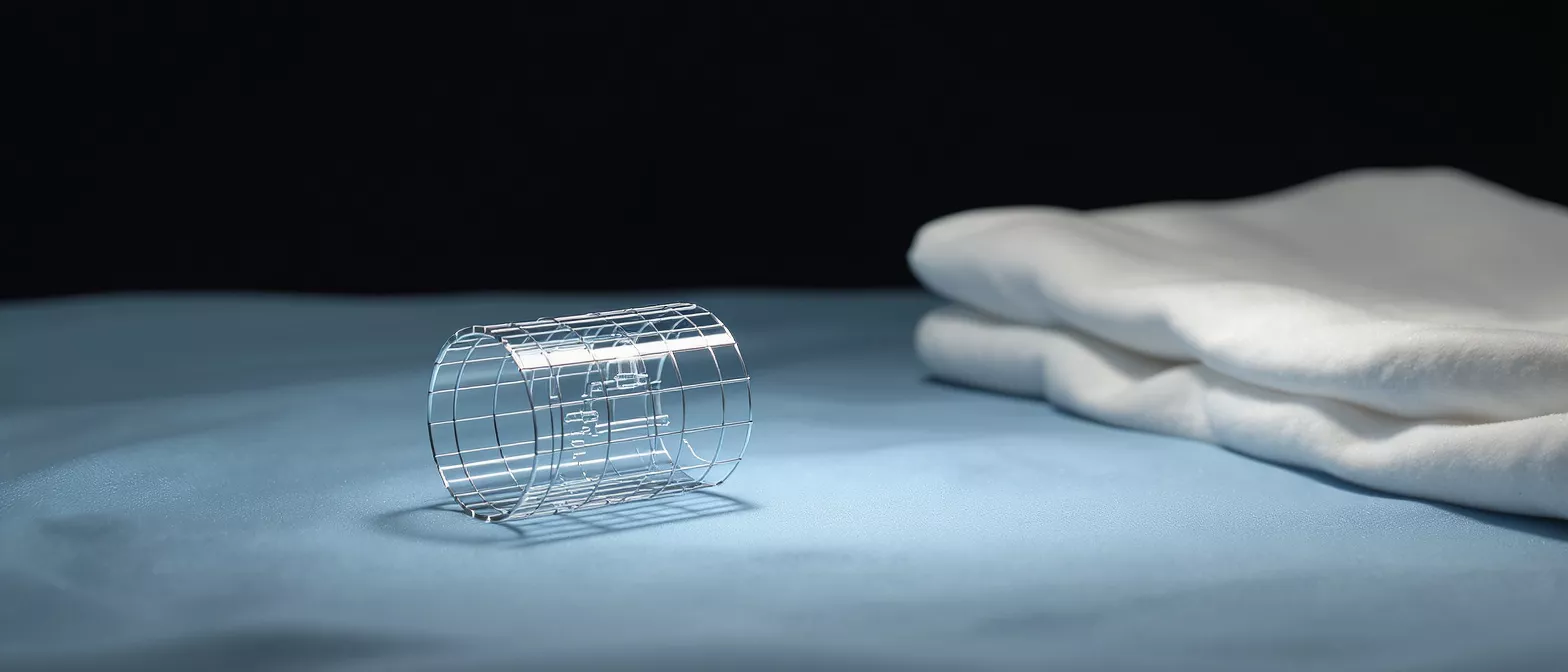
Stented Valve
Learn what a stented valve is, how it works, its types, durability, and recovery in our complete glossary guide at Cirugía de Corazón.
What is a stented valve
A stented valve is a specialized medical device used in heart valve replacement surgery to restore normal blood flow when a patient's own natural valve is diseased or damaged. When facing cardiac surgery, understanding the components of your treatment helps alleviate anxiety and empowers you to make informed decisions. This device consists of biological tissue or synthetic materials attached to a rigid or semi-rigid frame, known as a stent, which provides structural support. The stent ensures the valve maintains its proper shape and function once implanted inside the heart.
Purpose of the supporting frame: The rigid frame acts as a secure scaffold that holds the delicate leaflets in the precise geometric position needed to open and close efficiently. Without this structural support, the thin tissue leaflets could collapse under the immense pressure of the beating heart. The frame allows the surgical team to securely sew the new prosthesis into the patient's native heart tissue, ensuring a tight, leak-proof seal.
For patients preparing for a cardiac procedure, knowing what hardware is being placed inside the chest brings significant peace of mind. The design has been refined over decades of cardiac surgery, making the modern stented heart valve one of the most reliable and widely used options for valve replacement today. It is engineered to mimic the precise mechanics of a healthy human valve, ensuring oxygen-rich blood flows forward without leaking backward.
How a stented heart valve works
The mechanical function of a stented valve is designed to replicate the natural dynamics of a healthy heart valve. When the heart's lower chambers contract, pressure builds and forces the flexible leaflets of the prosthetic valve to open, allowing blood to flow forward into the body's major arteries. As the heart relaxes, the pressure drops, causing the leaflets to snap shut tightly and prevent blood from flowing backward into the heart chambers.
Engineered hemodynamics: The supporting frame is carefully designed to optimize blood flow dynamics, minimizing turbulence and stress on the delicate tissue. This engineering ensures the heart does not have to work harder than necessary to pump blood effectively. The sewing ring at the base of the frame integrates seamlessly with the patient's natural anatomy, providing a stable anchor point that withstands decades of continuous cardiac cycles.
Patients often worry about whether they will feel the valve working inside their chest. In most cases, the replacement functions so smoothly and quietly that it is completely unnoticeable. The materials used in the leaflets are extremely thin and responsive, reacting in milliseconds to the natural electrical signals and pressure changes of the beating heart, restoring a healthy circulatory rhythm efficiently.
Types of stented heart valve replacements
Surgeons choose from several distinct variations of this device depending on the specific needs of the patient and the anatomical requirements of the heart. Tissue stented valves: These are constructed using animal tissue, typically sourced from cow pericardium or pig heart valves, which are mounted onto the supportive frame. These biological valves offer excellent natural blood flow characteristics and generally do not require long-term use of blood-thinning medications.
Mechanical stented valve construction: While less common in modern stented designs, mechanical components can be utilized, offering extreme longevity and durability. However, biological options remain the standard for frame-mounted designs due to their superior hemodynamic performance. The choice between biological and mechanical options is a critical decision made during the planning phase of the operation.
- Bovine pericardial valves: Crafted from the tissue sac surrounding a cow's heart, known for exceptional durability and precise leaflet control.
- Porcine xenografts: Sourced from pigs, these closely mimic human valve anatomy and are mounted on a flexible frame for surgical ease.
During preoperative consultations, the surgical team will explain which specific type of prosthesis is best suited for the planned approach. When undergoing a stented aortic valve procedure, finding the right match for your anatomy is highly prioritized by the surgical team, and choosing a tissue heart valve replacement is a common recommendation for long-term success without heavy medication.
Stented vs stentless valve differences
When planning a valve replacement, cardiac surgeons evaluate the merits of stented versus stentless prostheses. A stented valve relies on the structural frame to maintain its shape, making it easier for the surgeon to implant and ensuring predictable performance across various anatomical situations. The stentless design removes the frame entirely, relying entirely on the patient's natural tissue to support the biological leaflets.
Surgical implantation differences: The presence of a frame makes the stented prosthesis significantly easier to position and secure during surgery, which can be particularly beneficial in complex or minimally invasive procedures. The sewing ring provides a clear, tactile guide for the surgeon. Stentless designs often require more complex surgical techniques and a longer period of suturing to ensure the tissue conforms properly to the heart.
Both approaches aim to restore healthy blood flow, but the stented option remains the standard of care due to its reliability and ease of use. The frame ensures the device holds its shape immediately upon implantation, reducing the risk of deformation or leaks. For patients, this reliability translates to a highly predictable recovery and excellent long-term outcomes.
When is stented valve surgery needed
This specific surgical intervention becomes necessary when a native heart valve is severely diseased and cannot function properly. Conditions like severe aortic stenosis, where the valve becomes stiff and narrowed, or aortic regurgitation, where the valve leaks, are primary reasons for a replacement. Symptoms such as severe shortness of breath, chest pain, and extreme fatigue often indicate that the valve is failing and requires surgical attention.
Preoperative evaluation process: Surgeons use echocardiograms and cardiac catheterization to measure the severity of the valve disease and assess the overall strength of the heart muscle. If the native valve is beyond repair, replacement becomes the safest path forward. Choosing to replace the damaged valve before the heart muscle weakens is crucial for a successful recovery.
The goal of the operation is to relieve the strain on the heart and restore adequate blood flow to the body and brain. By replacing the failing valve, the heart can pump efficiently once again, and the patient's symptoms typically resolve rapidly. Addressing the issue promptly prevents permanent damage to the cardiac muscle and improves overall life expectancy.
Stented aortic valve replacement explained
The implantation of a stented aortic valve is a meticulous process performed under general anesthesia. During the procedure, the surgeon accesses the heart and temporarily stops its beating, using a heart-lung bypass machine to maintain circulation throughout the body. The diseased native valve is carefully removed, and the surrounding tissue is cleaned and measured to select the correct size for the prosthesis.
Securing the prosthesis: The surgeon places a series of strong, fine sutures around the valve opening, which are then passed through the sewing ring of the new prosthesis. The valve is carefully lowered into place and the sutures are tied down, securing the frame firmly within the heart. The heart is then allowed to resume beating, and the surgeon checks for any leaks before closing the chest.
Advances in surgical techniques have also led to transcatheter stented valve procedures, where the device is delivered via a catheter through a blood vessel, avoiding the need for open-chest surgery in high-risk patients. Whether performed through traditional open surgery or a minimally invasive route, the fundamental mechanics of the frame-supported valve remain the same, providing reliable function immediately upon placement.
Stented valve durability and longevity
One of the most common concerns for patients is how long their new valve will last. The durability of a stented valve depends primarily on the materials used and the age and lifestyle of the patient. Biological tissue valves are highly durable but may undergo structural deterioration over a period of 15 to 20 years, as the living tissue slowly calcifies over time.
Factors affecting lifespan: The longevity of the prosthesis is influenced by the patient's metabolism, calcium levels, and overall physical activity. In younger patients, biological tissue tends to degrade faster due to a more active immune system. Conversely, mechanical components last much longer but require lifelong blood thinner therapy to prevent clots.
- Tissue valves: Generally last 15 to 20 years, ideal for older patients to avoid blood thinners.
- Mechanical valves: Designed to last a lifetime, requiring consistent anticoagulation therapy.
Cardiologists monitor the valve's performance annually using echocardiography to ensure it continues to function perfectly. For patients seeking excellent longevity paired with natural blood flow dynamics, a bovine pericardial heart valve offers a highly reliable structural lifespan and excellent clinical outcomes.
Stented valve recovery and what to expect
Recovery from a stented valve replacement surgery is a gradual process that typically requires several weeks of careful rehabilitation. Immediately after the operation, patients spend a day or two in the intensive care unit for close monitoring. Once stabilized, they transition to a cardiac rehabilitation ward to begin gentle movement and breathing exercises.
Postoperative care guidelines: Patients are encouraged to walk and perform light activities to regain strength, but must avoid heavy lifting or strenuous upper body movements for several weeks to allow the breastbone to heal completely. Pain management is carefully administered to ensure comfort while gradually weaning off medications. Proper wound care and gradual increases in physical activity are the cornerstones of early recovery.
Long-term recovery involves outpatient cardiac rehabilitation, where exercise physiologists guide patients through a customized fitness program. Full return to normal activities, including work and moderate exercise, usually occurs within two to three months. Following the surgical team's guidelines closely ensures the best possible physical recovery and optimal function of the new heart valve.
Potential stented valve complications
While valve replacement surgery is highly successful, it is a major operation and carries inherent risks. Patients should be aware of potential stented valve complications to recognize them early. Bleeding and infection at the surgical site are general risks of any open-heart procedure, but specific to the valve itself, there is a risk of blood clots forming on the foreign material.
Structural and thrombotic risks: In rare cases, the prosthesis may develop a leak around the frame, or the tissue leaflets may suffer from restricted movement due to clot formation. To mitigate clot risks, patients with certain valve types may need temporary or permanent anticoagulation therapy. Endocarditis, an infection of the heart tissue surrounding the valve, is a severe complication requiring immediate medical attention.
To minimize these risks, strict adherence to prescribed medications and excellent dental hygiene are essential, as oral bacteria can easily enter the bloodstream and attach to the artificial valve. Regular cardiology check-ups allow the medical team to detect and address any minor issues before they become serious. The overall rate of severe complications is low, and the vast majority of patients experience a smooth recovery.
Stented valve benefits and living with your new valve
The primary benefit of receiving a stented valve is the immediate restoration of healthy cardiac function and the relief of debilitating symptoms. Patients often report a dramatic increase in energy levels and exercise capacity within weeks of the surgery. The rigid frame provides predictable, consistent performance, ensuring the heart pumps efficiently without the stress of leaks or blockages.
Quality of life improvements: Living with a replacement valve allows patients to return to their daily routines, hobbies, and physical activities without the constant breathlessness and fatigue of valve disease. The psychological relief of fixing a life-threatening cardiac condition is profound, giving patients a renewed lease on life and confidence in their cardiovascular health.
Many patients find that exploring a transcatheter aortic valve replacement option provides a modern, minimally invasive pathway to receiving a stented prosthesis. Ultimately, the combination of surgical precision and advanced engineering makes the stented heart valve a cornerstone of modern cardiac care. Understanding how this device works and what to expect during recovery empowers patients to face their surgery with confidence and optimism.






