

Reoperation
Need a reoperation?
What is reoperation
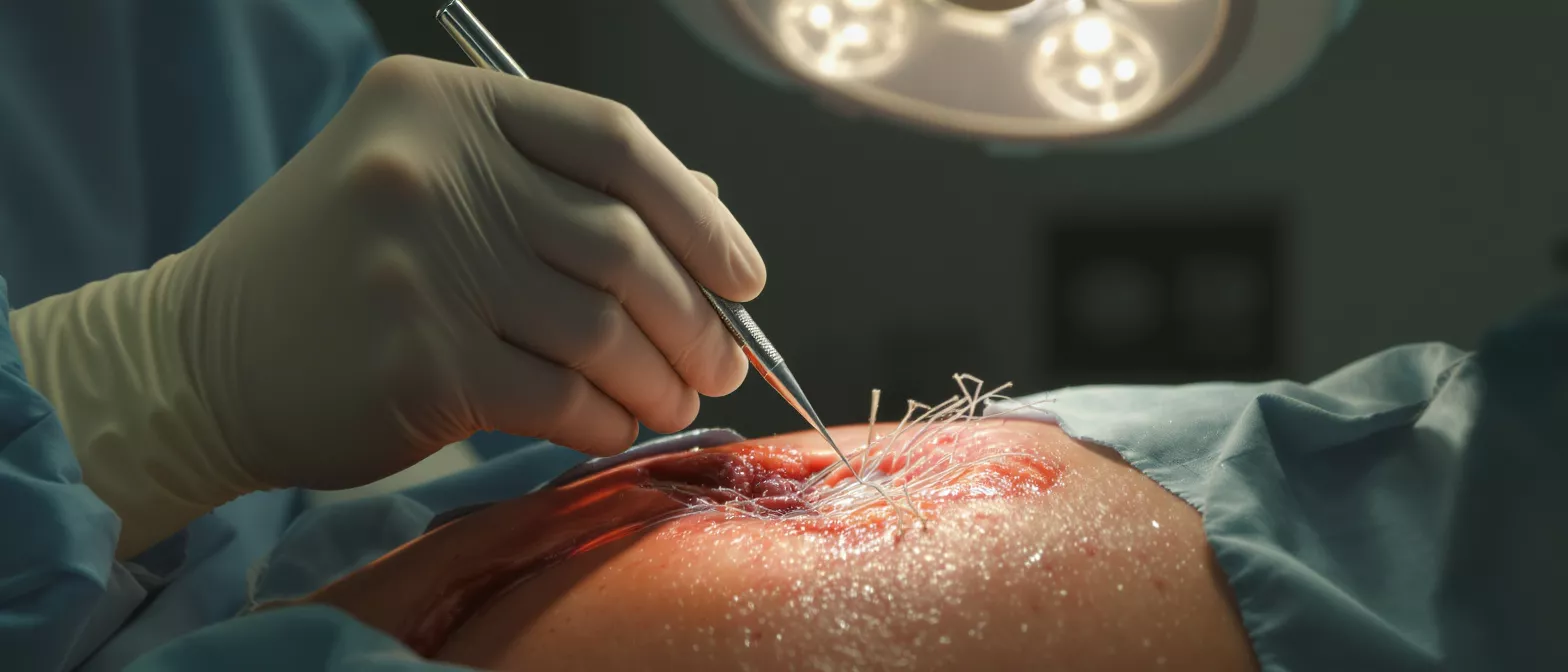
Understanding the medical definition: In cardiac care, a reoperation refers to any second or subsequent open-heart procedure performed on a patient who has already undergone a previous heart surgery. This is sometimes called redo cardiac surgery. It is a highly specialized field that requires meticulous planning because the surgeon must navigate tissue that has already healed from a prior operation.
Hearing the word "reoperation" can naturally cause anxiety for patients and their families. However, it is important to understand that the human heart is remarkably resilient, and surgical techniques have advanced significantly over the past few decades. A reoperation is not a sign that the first surgery failed, but rather a normal part of a long-term cardiac care journey for many people.
Because the initial surgery creates scar tissue and alters the normal anatomical landscape, redo procedures demand an experienced surgical team. The goal is always to provide the best possible quality of life and to maintain the healthy function of your heart for years to come.
Why repeat heart surgery becomes necessary
The natural aging of surgical repairs: Mechanical devices and biological tissues used in previous heart surgeries are incredibly durable, but they do not always last a lifetime. A patient might need repeat heart surgery because a previously placed heart valve has begun to wear out or develop calcium deposits over a period of ten or twenty years. This is an expected possibility, not an emergency.
Progression of underlying coronary disease: Even after a successful bypass, coronary artery disease can continue to develop in different blood vessels over time. If new blockages form and cause severe symptoms, a second procedure may be recommended to restore proper blood flow to the heart muscle.
Additionally, some patients develop new structural issues as they age, such as an enlarged aorta or an irregular heart rhythm, which were not present during their first operation. The decision to pursue a reoperation is always made carefully, weighing the benefits of correcting the new problem against the patient's overall health.
Types of cardiac reoperation
Valve replacement and repair revisions: One of the most common reasons for a second open heart surgery involves the repair or replacement of heart valves. If a biological tissue valve degenerates, or if a mechanical valve encounters structural issues, surgeons must go in to replace the damaged component. Minimally invasive techniques can sometimes be used for these specific valve reoperations.
Redo coronary artery bypass grafting: If previous bypass grafts become blocked or if new arteries develop severe disease, surgeons may perform redo bypass surgery. This involves creating new pathways for blood to bypass the narrowed arteries, ensuring the heart muscle continues to receive the oxygen-rich blood it needs to function efficiently.
Other structural and aortic repairs: Some patients require surgery to address an ascending aortic aneurysm that has grown over time, or to fix complications from previous procedures. The specific approach is always tailored to the individual's unique anatomy and the exact nature of the new cardiac issue.
- Valve reoperations: Swapping out aged biological valves or repairing leaky valves.
- Redo bypass: Creating new routes for blood flow when previous grafts narrow.
- Aortic repairs: Reinforcing the main artery if an aneurysm develops.
Redo sternotomy and surgical access
Navigating through healed bone and scar tissue: The standard approach for a first open-heart procedure is a median sternotomy, which involves opening the breastbone. A redo sternotomy is the exact same incision, but the surgeon must carefully cut through bone that has already healed and navigate dense scar tissue that surrounds the heart.
This process requires a slower, more deliberate approach. Surgeons use specialized imaging, such as high-resolution CT scans, to map out the exact location of the heart and major blood vessels relative to the back of the sternum before making a single cut. This ensures the heart and bypass grafts remain completely protected during the opening phase.
In certain cases, surgeons might choose an alternative access route, such as a minimally invasive right thoracotomy—going through the ribs on the side of the chest—to avoid the previous sternum altogether. The choice of access depends entirely on the specific procedure required and the patient's anatomical layout.
Repeat cardiac surgery risks
While cardiac reoperation is remarkably safe today, it does carry slightly higher risks than a first-time procedure. The presence of scar tissue makes the dissection process more complex, which can slightly increase the duration of the surgery and the time spent on the heart-lung machine. Your surgical team will discuss these risks with you transparently during the planning phase.
Bleeding and tissue adhesions: Scar tissue holds a rich blood supply, which means there is a slightly higher chance of bleeding during a redo procedure. Surgeons use advanced electrocautery tools and specialized sealants to meticulously control bleeding and ensure a clear surgical field throughout the operation.
Despite these technical challenges, dedicated cardiac centers perform redo operations every day with excellent outcomes. The key to minimizing repeat cardiac surgery risks is choosing an experienced surgical team that regularly handles complex redo cases.
Reoperation after bypass
Redo bypass surgery is often required years after an initial successful coronary bypass. The venous or arterial grafts used in the first surgery can develop blockages over a long span of time. When this happens, patients may experience angina or chest pain again, signaling that the heart muscle is not getting enough oxygen.
Before recommending reoperation after bypass, cardiologists will perform a thorough evaluation, usually including an angiogram. This diagnostic test helps them see exactly which grafts or native arteries are blocked, allowing the surgical team to map out a precise plan for the new bypasses.
For many patients, a redo bypass can be avoided using minimally invasive alternatives like stenting. However, when multiple vessels are involved or the anatomy is highly complex, surgical reoperation offers the most durable and comprehensive solution for restoring long-term blood flow.
Heart valve reoperation
Heart valve reoperation is frequently performed to replace a biological valve that has reached the end of its functional lifespan. Biological valves, made from cow or pig tissue, generally last between ten and fifteen years. When they begin to stiffen or leak, a scheduled reoperation becomes necessary to restore normal valve function.
Choosing the right replacement: During a heart valve reoperation, your surgeon will discuss whether to use another biological valve or a mechanical valve. If you are preparing for this type of procedure, utilizing a cardiac surgery recovery support binder can provide essential physical comfort during the healing phase.
In some modern cases, surgeons can perform a transcatheter valve-in-valve procedure, placing a new valve inside the old one without opening the chest. This minimally invasive option has made heart valve reoperation much safer and more comfortable for elderly or high-risk patients.
Cardiac reoperation recovery
Timeline and rehabilitation: The recovery process after a second open heart surgery is remarkably similar to the first. Patients typically spend one or two days in the intensive care unit before transferring to a regular ward. Cardiac reoperation recovery requires dedication to pulmonary rehabilitation and gentle physical therapy to rebuild strength.
Because the sternum has been opened a second time, bone healing requires strict adherence to precautions. Patients are advised to avoid heavy lifting and sudden strain for several weeks. The scar tissue that caused the initial complexity during surgery actually helps provide structural stability as the breastbone heals back together.
Emotional recovery is just as important as physical healing. Many patients find that their second recovery is psychologically easier because they know what to expect.
When is heart reoperation needed
Recognizing the signs that you might need another surgery is crucial for your long-term health. Symptoms often mimic those you experienced before your first operation. If you notice a return of chest pain, shortness of breath, extreme fatigue, or new heart palpitations, it is vital to contact your cardiologist immediately for a comprehensive evaluation.
Doctors do not rush into recommending reoperation. They use echocardiograms, stress tests, and cardiac catheterizations to determine if the heart's function has significantly declined. If medications or minor interventions can resolve the issue, they will always attempt those first before turning to the operating room.
- Recurring symptoms: Chest pain or shortness of breath returning after years of wellness.
- Diagnostic changes: Routine echocardiograms showing a valve is failing or an enlarged aorta.
- Symptom escalation: Worsening fatigue or fainting spells linked to restricted blood flow.
Moving forward with confidence
Facing a reoperation can feel daunting, but modern cardiac surgery has evolved to make these redo procedures safer and more successful than ever before. Understanding why a second procedure is needed, how it is performed, and what to expect during recovery empowers you to take control of your heart health journey.
By partnering with a skilled and experienced surgical team, you can approach repeat heart surgery with confidence. The ultimate goal remains exactly the same as your first operation: to restore your heart's function, alleviate your symptoms, and help you return to the activities and people you love.
If you or a loved one are experiencing symptoms that suggest a second cardiac procedure may be necessary, do not hesitate to seek an expert evaluation. Early assessment and careful planning are the most effective tools for ensuring a smooth surgery and a swift return to a vibrant, healthy life.






