Valve-Sparing Root Replacement: Keeping Your Valve
Valve-sparing root replacement keeping valve lets you preserve your natural aortic valve while repairing the aortic root.
What Is Valve-Sparing Root Replacement?
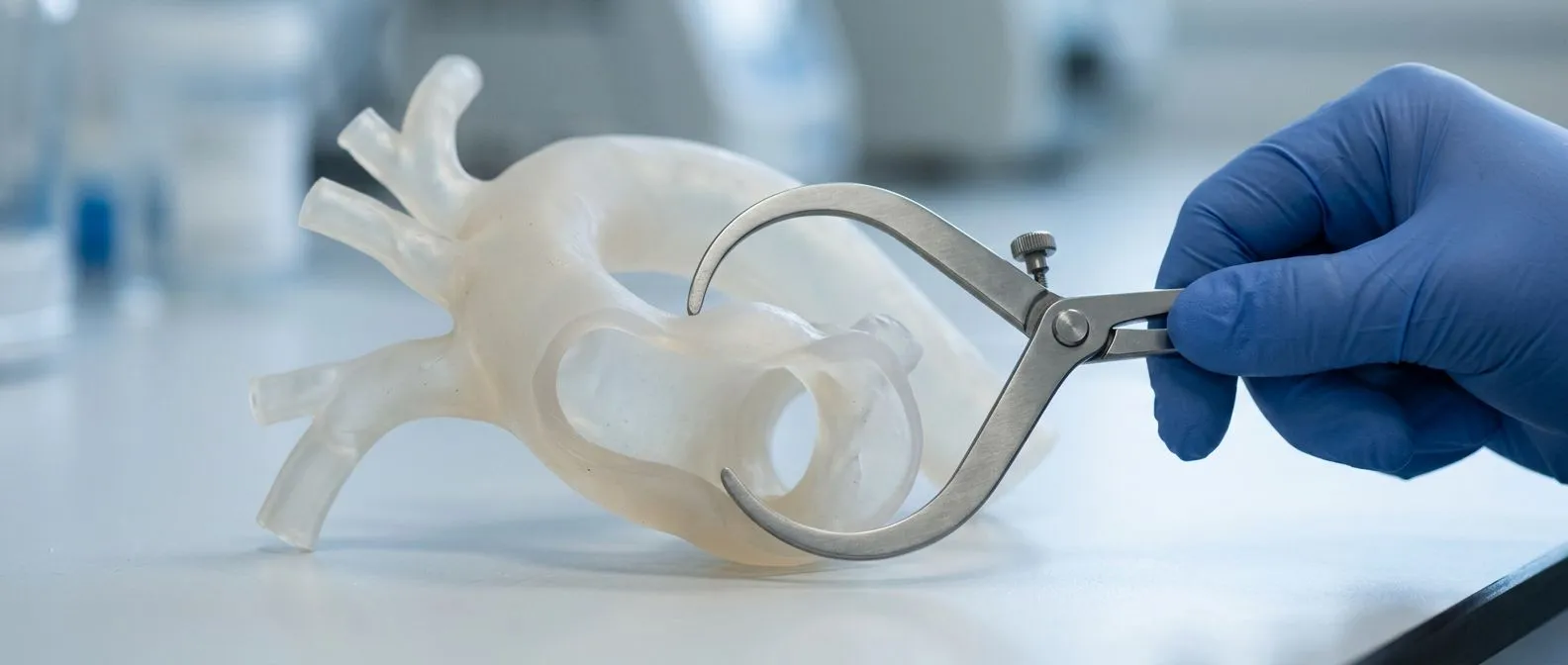
Valve-sparing root replacement while keeping your valve is an operation that removes a diseased or enlarged aortic root — the segment of the aorta, the body's main artery, that sits directly above the heart — and replaces it with a woven graft, while your own aortic valve is carefully preserved and reattached inside that graft. Most people facing this surgery have never heard of it, because many surgeons still default to removing the valve along with the root. The idea is simple and appealing: repair the problem without discarding a healthy part of your heart.
To understand why this matters, it helps to picture the aortic valve. It has three delicate leaflets, sometimes called valve cusps, that open and close with every heartbeat — roughly 100,000 times a day. When the aortic root stretches into an aneurysm, those leaflets often remain perfectly healthy; it is the tissue around them that has failed. Replacing the root alone, and sparing the valve, addresses the actual problem.
Why the aortic root fails first. The root is under the highest blood pressure in the entire circulation, and in some people its wall is genetically thinner or weaker. Over years it can bulge outward, becoming an aortic root aneurysm. A root enlarged beyond about 5.5 centimeters carries a real risk of tearing, which is why surgeons act before that happens — often before a patient has felt any symptom at all.
Why Keep Your Own Aortic Valve?
The natural valve is a remarkable piece of biological engineering. No manufactured replacement — mechanical or biological — lasts as long, opens as completely, or requires less medication than a well-functioning native valve. When the opportunity to save it exists, most specialists agree it should be taken. Valve-sparing aortic root repair lets the patient keep all three advantages at once.
Avoiding a mechanical valve replacement. A mechanical valve demands lifelong blood-thinning medication, usually warfarin, with regular blood tests to keep the dose in a narrow safe window. That medication also carries a small but permanent risk of bleeding, and it complicates decisions about pregnancy, dental work, and other surgery. Patients who keep their own valve avoid this entirely, because a healthy native valve does not cause the blood to clot around it.
Avoiding biological valves too. A biological tissue valve avoids blood thinners, but it wears out over time. This gradual failure is called structural valve deterioration, and it eventually means a second procedure — either another open operation or a newer, less invasive option such as a valve-in-valve placement through a catheter. For a patient in their thirties, forties or fifties, avoiding that future surgery is a meaningful gain. A valve-sparing root replacement offers the only true aortic root replacement without valve replacement.
There is also a quieter benefit patients describe: peace of mind. Your own valve has no seams, no cartridges, no moving parts added by a factory. For many, that psychological difference is worth stating out loud when they are weighing their options.
Who Qualifies for Valve-Sparing Root Replacement?
The honest answer is: the valve itself decides. Valve-sparing root replacement while keeping your valve works best when the leaflets are intact and mobile, and when the root has simply stretched around them. Surgeons assess this with echocardiography — an ultrasound scan of the heart — and, when more detail is needed, with CT or MRI imaging that measures the root in three dimensions.
Who qualifies for valve-sparing root replacement in practice. Good candidates usually include younger patients, people with aortic root aneurysm who need valve repair, and those with certain inherited conditions — such as a bicuspid aortic valve, where the valve has two leaflets instead of three — provided the leaflets are still in good shape. Age matters here: in older patients, tissue valves are accepted precisely because they last the remaining lifetime, so the case for a complex repair is weaker.
- Leaflet quality: thin, flexible, undamaged leaflets are the single most important requirement for a durable repair.
- Root anatomy: the enlargement should be mostly in the root, not driven by severe disease of the valve itself.
- Patient goals: an active younger adult wanting to avoid lifelong blood thinners is the classic profile.
When a less invasive route is discussed instead. TAVR — transcatheter aortic valve replacement — delivers a replacement valve through a tube inserted in the groin, without opening the chest. It is a valuable option for older or frailer patients whose valve must be replaced. But TAVR cannot repair a root aneurysm, and it always replaces the valve rather than sparing it. In our team's review every case is discussed against international practice guidelines before any recommendation is made, with the alternatives laid out plainly so the patient chooses. The conversation itself often clarifies what the patient truly wants.
What Is the David Procedure Heart Valve Repair?
The most widely used valve-sparing approach is the reimplantation technique, first described by Dr Tirone David in Toronto. In everyday conversation, surgeons simply call it the David procedure heart valve repair. The surgeon separates the aortic root from the surrounding tissue, removes the diseased wall, and places a straight woven graft around the valve. The valve is then stitched back inside the graft, so the leaflets sit in a new, correctly sized collar that keeps them from leaking.
How the repair holds up over decades. The reimplantation technique aortic valve surgeons favor does more than wrap the valve: it fixes the entire root inside the graft, including the section where the valve meets the heart muscle. This stability is why it is the preferred approach when the valve leaflets are healthy — the leaflets keep opening and closing naturally, but the graft takes over the job of supporting them. Most experienced centers report that the great majority of patients keep their valve working well for many years after this repair.
What it feels like to be repaired this way. In our practice, Dr Molina trained in cardiac, minimally invasive, robotic and structural surgery at the University of Montreal and in structural cardiology at CHU Bordeaux, and we take the time in consultation to show patients the images of their own valve so the plan is fully understood before any decision is made.
How Does the Remodeling Procedure for the Aortic Root Work?
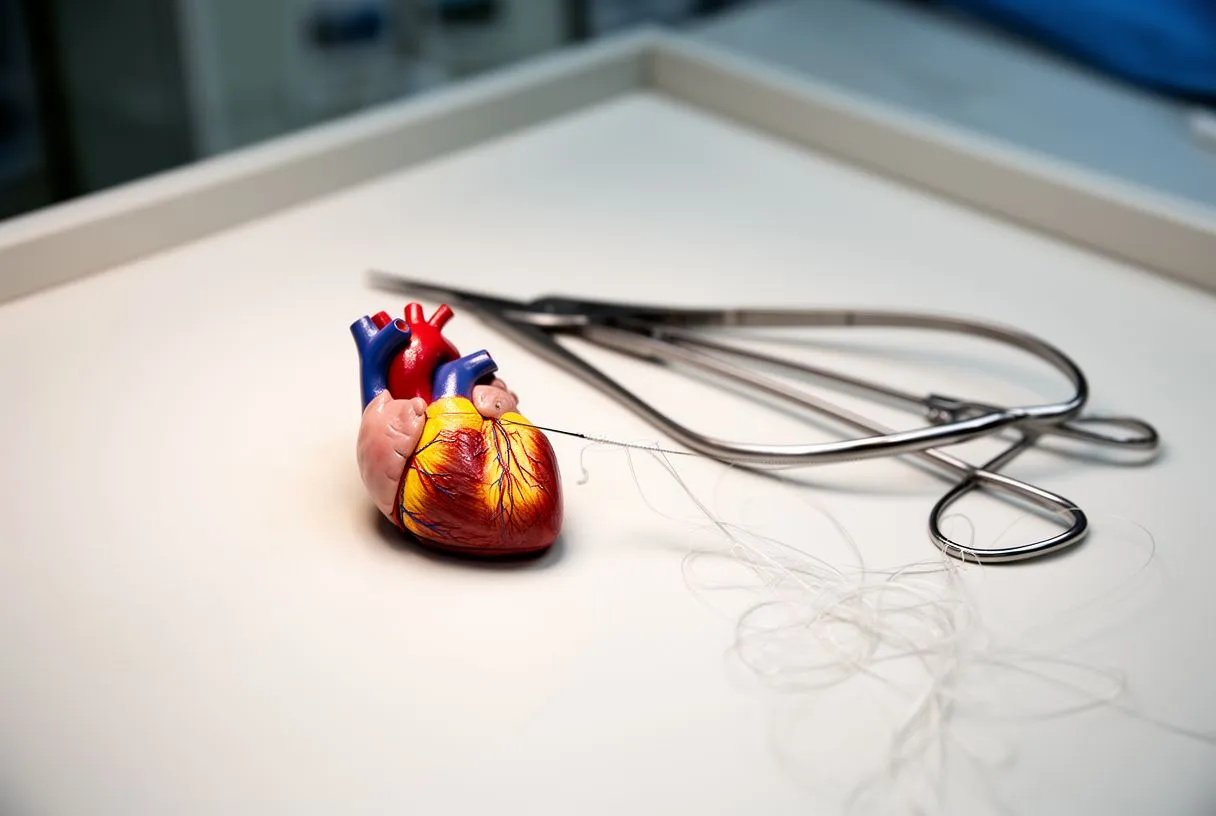
The second established approach is the remodeling procedure for the aortic root, described by Dr Magdi Yacoub. Here the surgeon trims away the aneurysmal wall and reshapes the root with graft material, but does not fix the valve inside a rigid tube. The root keeps some of its natural movement with each heartbeat, which is physiologically appealing — the valve opens within a root that still expands and contracts.
Choosing between reimplantation and remodeling. Both techniques are forms of valve preserving root surgery, and both spare the native valve. The remodeling procedure suits roots where the aneurysm is limited and the valve junction with the heart is not enlarged. The reimplantation technique suits more extensive aneurysms and offers somewhat more long-term stability, because it restricts the root from ever dilating again. Surgeons choose based on the patient's anatomy, and many centers favor reimplantation as the more durable option.
What your team evaluates before deciding. The decision rests on measurements most patients have never heard of: the size of the valve's annulus, the height of the cusps, the coaptation — how the leaflets meet — and the degree of any pre-existing leakage. In our multidisciplinary team, these numbers are reviewed together before a recommendation is given, because a repair planned around the wrong measurement is the main cause of a later valve leak. Every recommendation comes with the alternatives stated clearly, and the final decision always belongs to the patient.
Bentall vs Valve-Sparing Surgery: Which Is Right for You?
The traditional operation for root aneurysm is the Bentall procedure: the root and the valve come out together, replaced by a composite graft containing either a mechanical or a tissue valve. It is a well-established, reliable operation, and for many patients — particularly those whose valve leaflets are already damaged — it remains the right choice. The question of Bentall vs valve sparing surgery is therefore not about which is "better" in the abstract, but which is better for one specific heart.
How the two operations differ for the patient. A Bentall with a mechanical valve means lifelong anticoagulation. A Bentall with a tissue valve means accepting a future reintervention as the valve ages. A valve-sparing repair avoids both, but it is technically more demanding — the surgeon is reconstructing rather than replacing, and results depend heavily on experience. This is why patients should ask directly how many of these procedures their surgeon performs.
The trade-offs in plain language. Here is the comparison patients usually want to see:
- Bentall (mechanical): very durable valve, but lifelong blood thinners and regular monitoring.
- Bentall (tissue): no blood thinners, but the valve will eventually wear and need a second treatment.
- Valve-sparing: keeps your own valve with no blood thinners, but requires an expert team and a healthy valve to begin with.
We recommend the less invasive route only where the evidence supports it for that patient, and the same principle applies to this choice: we do not push valve-sparing surgery where a straightforward Bentall serves better, nor a Bentall where a perfectly good valve can be saved. In our consultations the patient receives a clear written proposal with the alternatives, because informed patients make calmer decisions.
What Happens During Valve-Preserving Root Surgery?
Valve-sparing root replacement is performed under general anesthesia, with the patient connected to a heart-lung machine that temporarily takes over circulation while the heart is stopped. The surgeon reaches the heart through a breastbone incision, though in selected cases a smaller minimally invasive valve sparing procedure through a right-side chest incision is possible for some patients, depending on anatomy and the extent of disease.
Protecting the heart during the operation. While the aorta is clamped, the heart muscle itself is protected with a specialized stopping solution called cardioplegia, delivered into the heart's own circulation. Research on single-dose lignocaine-based blood cardioplegia in patients having a single valve replacement has shown this approach can protect the heart reliably during the surgery, which matters because a well-protected heart wakes up stronger afterwards. During this quiet period the surgeon carries out the careful graft placement and reattachment that the repair requires.
What happens at the end. Once the graft is in place and the valve reattached, the surgeon tests the valve by filling the heart with fluid and confirming the leaflets close without leaking. Only then is the aorta unclamped, the heart restarted, and the patient gradually weaned off the machine. Every case is reviewed by the team before surgery, so the plan is a team decision rather than one surgeon's improvisation.
What Is the Recovery Time After Valve-Sparing Surgery?
Most patients want to know two things: how long they will be in hospital, and when they will feel normal again. Valve sparing surgery recovery time follows a fairly predictable rhythm. Patients typically spend one to two days in the intensive care unit, then a few more days on a regular ward, and go home when they can walk, eat, and manage their medications comfortably — often within five to seven days after surgery.
The first weeks at home. Fatigue is normal and expected; the body has been through major surgery and is healing bone as well as heart. Most patients walk daily from the first week, gradually extending the distance. Driving resumes in about four to six weeks, once the breastbone has begun to knit. By eight to twelve weeks, most patients are back to desk work and everyday routines, and a supervised exercise program helps rebuild stamina safely.
Recovery milestones worth tracking. MedlinePlus summarizes the typical hospital course after aortic surgery clearly, and patients do best when they know what the road looks like in advance (MedlinePlus). The usual arc looks like this:
- Weeks 1–4: walking daily, no lifting heavier than a small bag of groceries.
- Weeks 4–8: driving, light household activity, gradual return to work.
- Months 3–6: progressive exercise, most normal activities, follow-up imaging of the graft and valve.
In our practice we see how much a clear timeline reduces anxiety, so at the first video consultation we talk through each stage before the patient commits to anything — including which tests are genuinely still needed, so no unnecessary studies are ordered. Recovery is a plan, not a hope.
What Are the Risks and Long-Term Outcomes?
Honesty here serves patients better than reassurance. Like all open-heart operations, valve-sparing root replacement carries risks: bleeding, infection, irregular heart rhythms such as atrial fibrillation, and in rare cases stroke. The overall risk profile in experienced hands is comparable to other major cardiac operations in the same patient population, and long-term survival after these repairs has been consistently encouraging in the published experience of major centers.
The risk specific to this operation: the repaired valve can leak. The main long-term concern is that the preserved valve develops leakage over the years, called insufficiency. Reimplantation reduces this risk substantially compared with remodeling, because the valve is fixed inside a rigid graft. When it does occur and becomes significant, the fallback options are well understood: a further surgical repair, or in selected cases a newer transcatheter option where a valve is delivered through a catheter, with access-site closure managed by techniques such as percutaneous closure devices, as described in published case reports of complex catheter-based procedures.
Long-term outcomes valve sparing root patients can expect. Patients who keep a well-functioning valve follow up with annual echocardiography, live without blood thinners, and — importantly — do not face the known clock of structural valve deterioration that comes with tissue valves. Younger patient aortic root surgery is precisely where this durability pays off most: a valve repaired at forty may serve its owner for the rest of their life. Follow-up imaging is not optional, because a small leak caught early is a conversation, while a large leak caught late is an operation.
How Do You Choose the Right Surgical Team?
Because results in valve-sparing repair depend so heavily on experience, the choice of team may matter more here than in almost any other cardiac operation. Ask how many of these procedures the surgeon performs each year, what their valve-preservation rate is, and what their follow-up data show. A good team will answer without defensiveness, and will encourage second opinions — we treat seeking one as a completely normal part of deciding about heart surgery, not as a betrayal of the doctor.
What to bring to a consultation. Arrive with your imaging, your medications list, and your questions written down. Beware of any team that promises certainty. The trustworthy answer to "will my valve be saved?" is always conditional: it depends on the leaflets, the measurements, and the anatomy revealed during the operation itself.
How to start the conversation from home. Our multidisciplinary team of cardiac surgeons, led by Dr Alejandro Molina, works from consulting rooms in Guadalajara, Querétaro and Hermosillo, and the first contact is a free video consultation: we get to know the patient, talk through the condition in plain words, and explain what the studies actually show before recommending anything. Our team also trained at Jena, Bad Berka and Buffalo, and Dr Molina performed the first robotic mitral valve repair in the Ángeles Health System and the first robotic heart surgery in Guadalajara — experience that shapes how we judge whether a valve can truly be preserved.
Valve-sparing root replacement while keeping your valve is one of the most meaningful advances available to people facing aortic root surgery today: it treats the aneurysm, spares the natural valve, and avoids the lifelong trade-offs of replacement valves. If you or a family member has been told you need root surgery, ask specifically whether your valve can be spared — and bring that question to a consultation with a qualified cardiac team rather than deciding alone. The right answer is out there, and it starts with a conversation.