

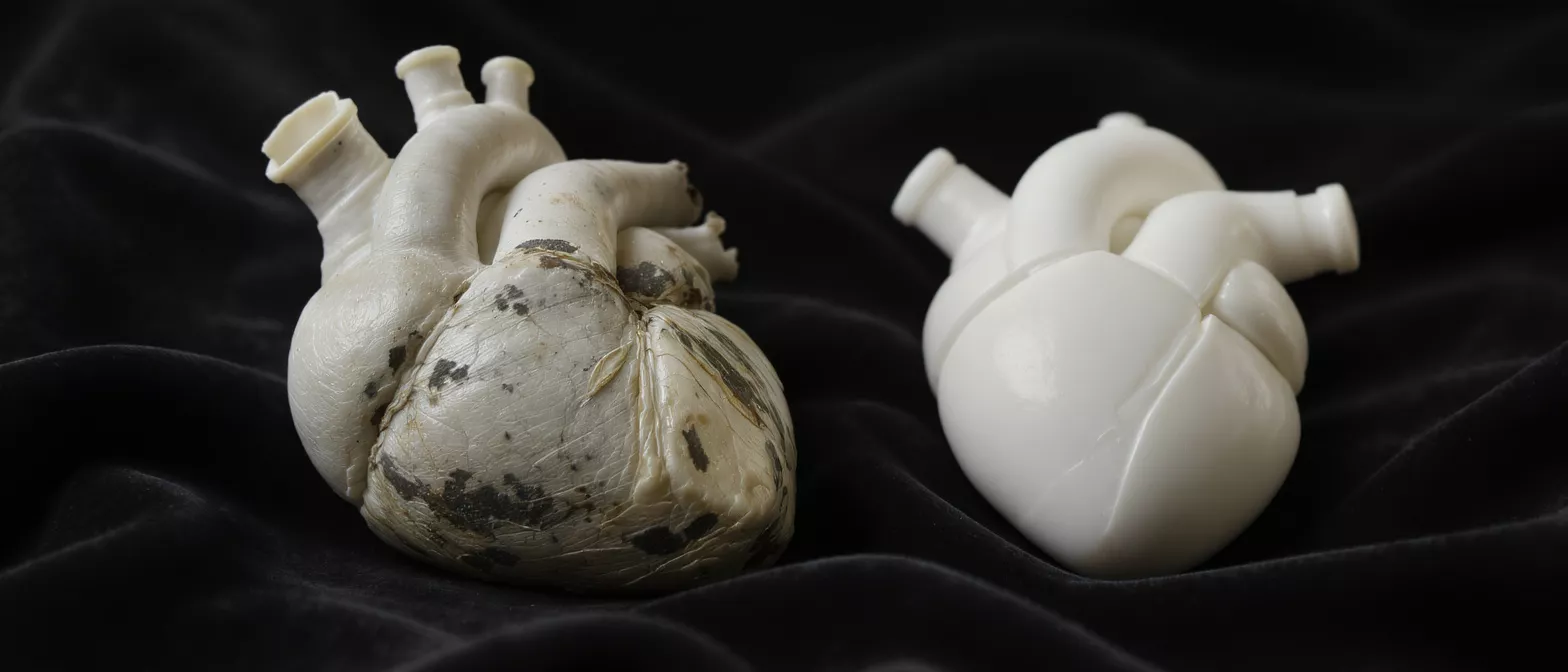
Structural Valve Deterioration
Learn structural valve deterioration causes, symptoms, and treatment options.
What is structural valve deterioration
Structural valve deterioration is a gradual, expected process where a replaced heart valve loses its ability to function perfectly over many years. When a surgeon replaces a diseased heart valve, the new prosthetic valve is designed to restore normal blood flow and relieve symptoms. However, much like any mechanical or biological replacement part in the body, these valves are subject to the wear and tear of constant, relentless use. This specific type of deterioration refers to the physical changes in the valve's own materials, rather than damage caused by an outside infection or a blood clot.
Understanding this condition helps patients and families prepare for the long-term care of a prosthetic valve. It is important to know that this aging process is not a sudden medical emergency, nor does it mean the original surgery failed. Rather, it is a natural aging trajectory of the man-made or animal-tissue device that has been faithfully supporting the heart. Cardiologists and surgeons plan for this reality from the moment the first valve is placed, ensuring that future treatment pathways remain open if the valve eventually wears down.
For anyone recovering from heart surgery, hearing the word "deterioration" can be frightening. It is deeply reassuring to understand that structural valve deterioration is a slow, predictable phenomenon that doctors monitor closely. With regular check-ups, your medical team can spot the subtle signs of valve wear long before you ever feel unwell, ensuring you always have time to plan the next best step.
How does structural valve deterioration develop
How do tissue valves age over time? Biological valves, often made from cow or pig tissue, are excellent at mimicking the natural mechanics of a human heart valve. Over the span of 10 to 15 years, the constant flexing of the tissue leaflets under high blood pressure begins to cause microscopic fatigue. The proteins in the tissue slowly degrade, and the once-supple leaflets become stiffer. This stiffening prevents the valve from opening fully or closing tightly, which eventually restricts blood flow.
What happens when mechanical valves wear down? While mechanical valves are highly durable and can last a lifetime for many patients, they are not entirely immune to structural changes. The metal and carbon components themselves rarely fail, but the sewing ring that holds the valve securely to the heart tissue can occasionally degrade over decades. In older mechanical models, the hinge mechanisms could wear down, though modern engineering has made this exceedingly rare.
How does the body interact with the aging valve? As the prosthetic materials slowly age, the body’s immune system may react to the microscopic debris of the degrading tissue. This low-level inflammatory response can gradually encourage the deposition of calcium on the valve leaflets. As the body tries to wall off or repair the micro-damage, it inadvertently speeds up the stiffening process, leading to a tighter, less efficient valve over many years.
What are the symptoms of a deteriorating heart valve
What are the earliest physical signs of valve dysfunction? In the beginning, a deteriorating heart valve produces no noticeable symptoms at all. The first hints of change are usually heard by your doctor through a stethoscope as a new or changing heart murmur. As the valve stiffens or leaks slightly, the blood flow becomes more turbulent, creating a specific sound that alerts your cardiologist to take a closer look with imaging.
How does a failing valve affect daily energy levels? As valve dysfunction symptoms progress, the heart has to work harder to push blood past the aging device. You might notice you become short of breath doing things that used to be easy, such as walking up a flight of stairs or doing light yard work. Persistent fatigue and a decreased capacity for physical exertion are common signals that the heart is struggling to keep up with the body's demands.
When does heart valve wear and tear become an emergency? If left entirely unchecked, severe prosthetic valve degradation can lead to fluid backing up into the lungs or legs, causing swelling and significant breathlessness. If you experience sudden chest pain, fainting, or an inability to catch your breath at rest, you should seek immediate medical attention. While structural deterioration is slow, the body's tolerance for it can suddenly reach a tipping point.
How is structural valve degeneration diagnosed
Diagnosing structural valve degeneration is a highly routine and painless process for the patient. The primary tool doctors use is a transthoracic echocardiogram, which is simply an ultrasound of the heart. This safe, non-invasive test takes detailed moving pictures of the prosthetic valve in action, allowing the medical team to measure exactly how wide the valve opens and whether any blood is leaking backward. By comparing these images to your previous ultrasounds, your doctor can track the valve's performance over years.
Beyond the ultrasound, your cardiologist will listen carefully to your heart during every clinic visit. Changes in the timing or intensity of heart sounds can provide early clues about valve wear. If the ultrasound pictures are not perfectly clear, the doctor might order a transesophageal echo, which provides a closer view from inside the esophagus, ensuring no subtle structural changes are missed.
It is standard practice to link these imaging results with your physical reports. If you mention feeling more tired than usual, and the echocardiogram shows slightly restricted blood flow, your care team will know the prosthetic valve degradation is becoming clinically significant. This careful, ongoing monitoring is the cornerstone of managing replaced heart valves.
Why does heart valve calcification occur
What is the process of bioprosthetic valve calcification? When a biological valve is placed in the heart, it is chemically treated to remove all living cells, leaving behind a strong scaffolding of tissue. Over a decade or more, the constant pounding of blood flow causes microscopic tears in this scaffolding. As the body attempts to heal these tiny injuries, circulating calcium in the blood gets deposited into the damaged tissue, acting like a patch on a worn tire.
Does a patient's age affect valve wear and tear? The speed of heart valve calcification is heavily influenced by the patient's age at the time of surgery. In younger patients, the body’s metabolism and immune system are highly active, which paradoxically accelerates the deposition of calcium on the biological tissue. In older patients, the process is much slower, which is why tissue valves are most often recommended for people in their 60s and 70s.
Can calcification be prevented or slowed down? While the biological aging of the valve cannot be stopped entirely, maintaining excellent cardiovascular health can reduce the strain on the valve. Keeping blood pressure strictly controlled reduces the physical force slamming against the valve leaflets, potentially preserving their flexibility. Avoiding smoking and maintaining healthy cholesterol levels also reduces the inflammatory burden on the prosthetic tissue.
Tissue valve deterioration vs mechanical valve durability
When choosing a valve replacement, understanding the trade-offs between structural durability and quality of life is crucial. Tissue valves offer the benefit of a natural, low-stress blood flow, which means patients do not need to take lifelong blood thinners. However, tissue valve deterioration is an eventual certainty, meaning the patient will likely face a second surgery 15 to 20 years down the line.
Conversely, mechanical valve durability is exceptional, with many modern models lasting a lifetime without any structural wear. The trade-off is the strict requirement to take blood-thinning medication every day to prevent clots from forming on the metal parts. The structural integrity of a mechanical valve rarely fails, but the biological system around it requires permanent management.
- Tissue Valves: Best for older patients or those who cannot safely take blood thinners, lasting roughly 10 to 15 years.
- Mechanical Valves: Best for younger patients who want a one-time surgery, requiring lifelong blood-thinning therapy.
The choice between these valves is a deeply personal decision made between the patient, the surgeon, and the cardiologist. By discussing lifestyle, age, and risk factors openly, the medical team can select the option that delays structural valve deterioration for as long as naturally possible.
What causes prosthetic valve failure
While structural valve deterioration is the most common cause of a prosthetic valve aging, true prosthetic valve failure is a broader term that encompasses several different issues. Aside from the natural wear and tear of the tissue, a valve can fail if a blood clot forms on the device, a situation that requires immediate medical intervention. Clots are a risk when blood thinners are not managed correctly on mechanical valves.
Another non-structural cause of failure is endocarditis, a severe infection of the heart valve. Bacteria entering the bloodstream from a dental procedure or an untreated infection can settle on the prosthetic material, destroying the valve's delicate mechanisms. This is why antibiotics before certain dental work are heavily emphasized for patients with artificial valves.
When evaluating valve replacement deterioration, the surgical team must distinguish between the expected structural aging of the valve and a sudden, pathological failure. If a valve fails suddenly, it is rarely structural deterioration; rather, it points to a blood clot, an infection, or a physical tear in the sewing ring. Understanding this distinction helps patients recognize that gradual, expected aging is highly survivable and manageable.
When is valve reoperation necessary
Deciding when to perform valve reoperation is a careful balancing act. If the structural valve deterioration is mild and the patient feels perfectly well, the standard treatment is simply to watch and wait. Regular ultrasounds will track the valve, and reoperation is only discussed when the narrowing or leaking begins to impact the heart muscle's overall strength, even before the patient feels overwhelmingly sick.
When surgical valve replacement becomes necessary, the goal is to swap the aging valve for a new one before the heart suffers permanent damage. In many cases today, a second open-heart surgery can be avoided. Advancements in cardiology now allow surgeons to perform a transcatheter valve-in-valve procedure, where a new valve is threaded through a blood vessel and placed inside the old, failing biological valve without opening the chest.
Patients facing a reoperation are naturally anxious, but the medical infrastructure supporting these procedures is highly experienced. The care team at Cirugía de Corazón is fully equipped to guide patients through this complex transition with confidence and advanced planning.
How to monitor for aortic valve deterioration
Monitoring for aortic valve deterioration requires a proactive partnership between the patient and the cardiology team. The most important step a patient can take is to never skip their scheduled echocardiogram appointments. Even if you feel completely healthy, the ultrasound is the only way to catch the silent, early signs of structural valve degeneration before they affect your heart function.
Patients should also stay highly attuned to their own physical baseline. Keeping a simple mental log of your exercise tolerance is immensely helpful for your doctors. If you normally walk two miles a day without issue and suddenly find yourself stopping halfway to catch your breath, that change in physical capacity is a vital piece of diagnostic information.
- Annual Echocardiograms: Yearly heart ultrasounds to visually track valve mechanics.
- Activity Logs: Noting any new shortness of breath or chest tightness during normal routines.
- Skin Checks: Watching for sudden swelling in the ankles or feet, a sign of blood backing up.
Open communication is the final piece of the puzzle. Never assume a new symptom is just "getting older." If you are experiencing valve dysfunction symptoms, report them immediately.
Living with structural valve deterioration
Living with the knowledge that your heart valve will eventually wear out can feel like a heavy burden, but it is actually a highly manageable reality of modern cardiac care. By understanding that structural valve deterioration is a slow, predictable process, patients can reclaim a sense of control over their health. Adhering strictly to follow-up schedules and maintaining a heart-healthy lifestyle are the most powerful tools available to prolong the life of the prosthetic valve.
Patients should focus on the immense gift of time their replacement valve has given them. The technology available today, including advanced bioprosthetic aortic valve designs, is vastly superior to what was available even a decade ago, offering longer functional lifespans and smoother blood flow. Your cardiology team is constantly looking to the future, preparing strategies and alternatives for whenever the day comes that your valve needs updating.
In summary, structural valve deterioration is not a complication, but an expected stage in the life cycle of a prosthetic heart valve. From understanding the causes of heart valve calcification to recognizing the subtle symptoms of valve wear, an informed patient is an empowered patient. Trust in the ongoing monitoring and the expertise of your surgical team, knowing that your heart health is continually supported by the latest advances in cardiovascular medicine.






