Acute Heart Failure: Emergency Treatment and Recovery
Acute heart failure treatment at Cirugía de Corazón in Guadalajara covers emergency stabilization through full recovery.
What Is Acute Heart Failure Treatment
Acute heart failure treatment begins when the heart suddenly cannot pump enough blood to meet the body's needs, leading to a medical emergency. This condition, often referred to as acute decompensated heart failure, requires immediate clinical intervention to stabilize the patient and relieve distressing symptoms. When a patient arrives at hospital, the medical team focuses on determining whether the underlying cause is a sudden blockage, a severe valve issue, or a worsening of chronic heart disease.
Understanding the cardiac emergency response: The initial phase of acute heart failure treatment is highly structured, prioritizing oxygenation and blood pressure stabilization. Doctors use rapid clinical assessment, including Auscultation—listening to the heart and lungs with a stethoscope—to detect the fluid overload characteristic of heart failure. We base our immediate interventions on established guidelines, such as those outlined in the 2016 ESC Guidelines for the diagnosis and treatment of acute and chronic heart failure, to ensure every patient receives the lowest risk strategy for their situation.
What causes an acute heart failure event? Sometimes, a heart attack, or Atypical Infarction, damages the heart muscle, severely reducing its pumping ability. In other cases, conditions like Atrial Flutter—an abnormally fast heartbeat in the upper chambers—can stress the heart to the point of failure. Identifying the specific trigger is essential, as acute heart failure treatment is not a single protocol but a tailored approach. We look for contributing factors like a blocked Arterial Graft or a failing Autograft, ensuring we address the root cause rather than just managing the symptoms.
How Heart Failure Emergency Care Works
When a cardiac emergency response is activated, the speed of assessment and intervention dictates the patient's trajectory. Heart failure emergency care is designed to stabilize the patient's vital signs while simultaneously gathering critical diagnostic data.
Rapid diagnostic procedures: Emergency teams often place an Arterial Line, a thin tube inserted into an artery to monitor blood pressure continuously in real-time. This precise monitoring allows us to adjust medications rapidly. If a patient is experiencing severe distress, we may evaluate the need for advanced support systems like Awake ECMO, which provides heart and lung bypass support without requiring general anesthesia, allowing the patient to remain conscious and communicate.
Immediate stabilization techniques: To support the heart's workload and improve blood flow to the Ascending Aorta and the rest of the body, we employ targeted pharmacological therapies. According to Medical News Today, rapid administration of medications to remove excess fluid and open airways is standard practice in these emergencies. If an electrical rhythm problem is detected, we may use an Automated External Defibrillator to restore a normal heartbeat. In cases where a blocked vessel is the culprit, emergency Balloon Angioplasty may be performed to open the artery and restore blood flow to the heart muscle.
Recognizing Acute Heart Failure Symptoms
- Severe shortness of breath: Often occurring suddenly, especially when lying flat, indicating fluid in the lungs.
- Rapid weight gain: From fluid retention over a few days or hours.
- Palpitations: A racing or irregular heartbeat, sometimes accompanied by lightheadedness.
- Severe swelling: In the legs, ankles, or abdomen due to fluid backing up in the venous system.
Recognizing acute heart failure symptoms early is critical for a successful outcome. Patients often describe a sudden, terrifying inability to catch their breath, a symptom known as acute cardiogenic pulmonary edema, where fluid rapidly fills the air sacs of the lungs. This occurs because the failing left ventricle cannot pump blood effectively through the Aorta, causing fluid to back up into the lungs.
Identifying early warning signs: Some patients experience Arm Pain or a feeling of heavy pressure in the chest before full heart failure develops. We educate our patients on the Global Burden of Cardiovascular Diseases and Risk Factors, 1990–2019, noting that recognizing these signs early saves lives (see ORCID). Other symptoms include profound fatigue and a persistent cough that may produce pink, frothy sputum. If you or a loved one experience these signs, seeking emergency heart care immediately is the safest course of action.
What to Expect During Heart Failure Hospital Treatment
Once stabilized in the emergency room, heart failure hospital treatment transitions to a specialized cardiac unit. Here, the focus shifts from immediate life-saving interventions to careful diagnostic evaluation and continuous medical management. The hospital stay allows the cardiac team to understand the mechanics of the heart failure and plan the long-term recovery path.
Detailed cardiac evaluations: Comprehensive echocardiograms and angiograms are performed to inspect the heart's structure. We look for the presence of an Atheromatous Plaque—a fatty deposit in the artery walls—that might be restricting blood flow. If a narrowed valve is causing the heart to fail, we may assess the feasibility of a Balloon Aortic Valvuloplasty, a procedure that stretches the valve open, or the implantation of a Balloon-expandable Valve. These evaluations are critical in determining if a structural intervention will resolve the heart failure.
Managing underlying conditions: Acute heart failure treatment also involves addressing concurrent medical issues. For example, lipid profiles including Apolipoprotein B, a protein that reflects the number of cholesterol-carrying particles in the blood, are analyzed to assess cardiovascular risk. Medications such as aspirin or anticoagulants may be started or adjusted to prevent blood clots; in atrial fibrillation, trials such as ARISTOTLE, which compared apixaban with warfarin, inform the choice of anticoagulant. The goal during hospital treatment is to optimize the heart's environment so it can heal and regain as much function as possible. Throughout the stay, our team at Cirugía de Corazón maintains a patient-centered approach, ensuring families understand that recovery is a gradual process.
Heart Failure ICU Care and Monitoring
Heart failure ICU care provides the most intense level of monitoring available. In the Intensive Care Unit, patients are connected to advanced monitoring equipment that tracks every heartbeat and breath. This environment is necessary when the heart is extremely weak or when multiple organ systems are stressed by the acute heart failure event.
Continuous hemodynamic tracking: In the ICU, an Arterial Cannula—a larger, more robust line than a standard IV—may be used to deliver medications directly to the heart. This allows critical care teams to administer powerful drugs safely. We monitor central venous pressure, cardiac output, and oxygen saturation continuously, making micro-adjustments to medications to ensure the heart is not overburdened while it begins to recover.
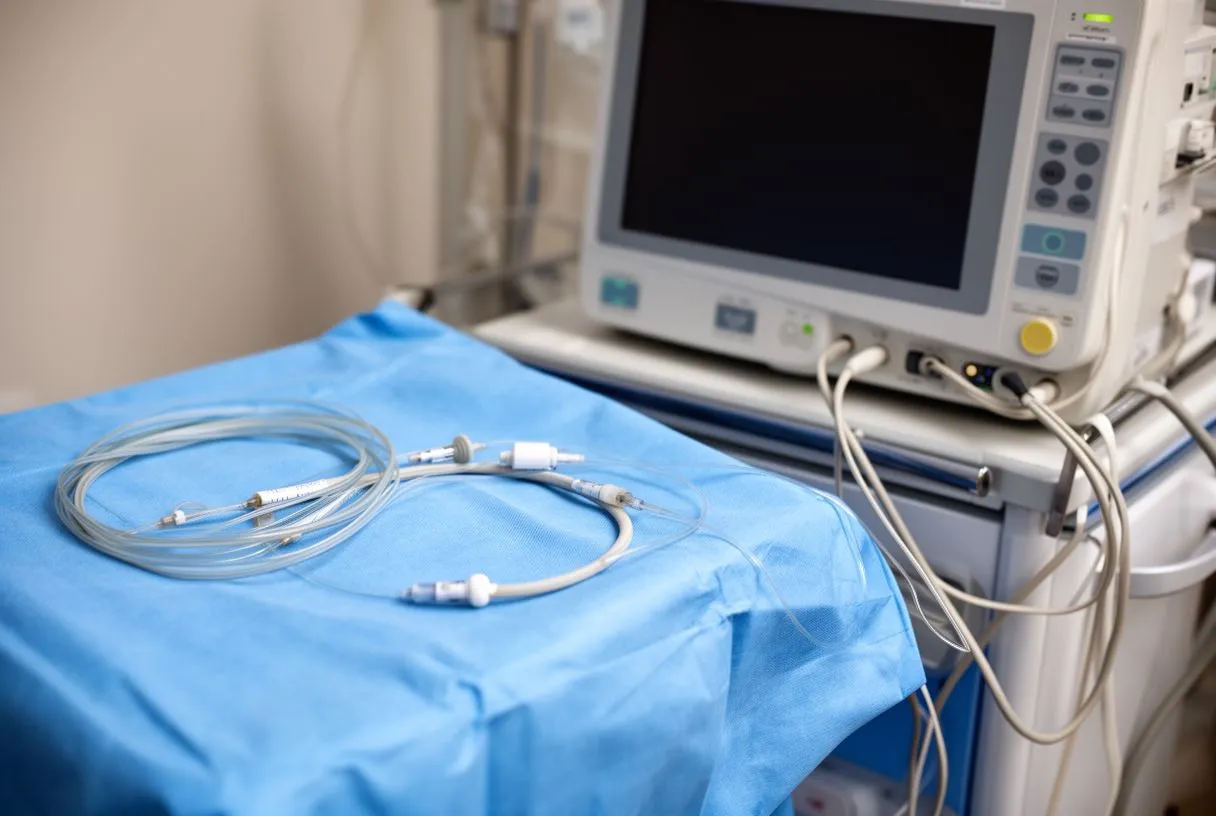
Advanced supportive therapies: If the heart needs temporary rest, mechanical support devices can take over the pumping function. We carefully manage oxygen therapy, adjusting ventilator settings to reduce the strain on the heart while ensuring the brain and other vital organs receive adequate oxygen. The ICU team is specially trained in cardiac resynchronization after heart failure, ensuring that the heart's electrical and mechanical systems are working in harmony.
Recovery in the ICU is closely watched, with daily assessments to determine when a patient is strong enough to transition to a standard ward. We understand that the ICU environment can be overwhelming, filled with alarms and specialized equipment. ICU staff can explain what each monitor does, reassure families that an alarm does not always mean an emergency, and provide clear updates on the patient's physiological progress. Haemoglobin levels are also monitored to ensure the patient maintains adequate oxygen-carrying capacity.
Heart Failure Diuretic Therapy and Medications
A cornerstone of acute heart failure treatment is heart failure diuretic therapy. Diuretics, often called "water pills," help the kidneys excrete excess sodium and water, reducing the volume of fluid the heart has to pump. This rapid removal of fluid is essential to relieve the congestion in the lungs and the swelling in the lower extremities.
The role of diuretics in fluid management: Intravenous diuretics are typically administered in the hospital setting because they work much faster than oral versions. As the fluid leaves the body, the pressure inside the blood vessels drops, and the heart's workload decreases. We monitor kidney function closely during this process, as rapid fluid shifts can sometimes temporarily affect renal performance. This careful balancing act is a daily focus of heart failure medication management.
Additional medication strategies: Beyond diuretics, we utilize a spectrum of medications designed to protect the heart muscle. Vasodilators open blood vessels, reducing the resistance the heart must pump against. Beta-blockers are carefully introduced once the patient is stable, to slow the heart rate and lower blood pressure. If the patient has an underlying arrhythmia originating from the Atrium, specific antiarrhythmic drugs are integrated into the regimen. We ensure every prescription is tailored to the individual's specific cardiac anatomy and overall health profile.
Managing these medications requires precise dosage calculations and continuous evaluation. We educate patients and families on what each medication does, why it is necessary, and what side effects to watch for. Understanding the purpose of these drugs empowers patients to participate actively in their heart failure discharge planning and long-term adherence to their treatment plan.
Inotropic Support Heart Failure Needs
In severe cases where the heart is profoundly weak, standard medications may not be enough. Inotropic support heart failure protocols come into play when we need to stimulate the heart muscle to contract more forcefully. Inotropes are powerful, intravenously administered drugs that act directly on the heart cells to increase their pumping strength.
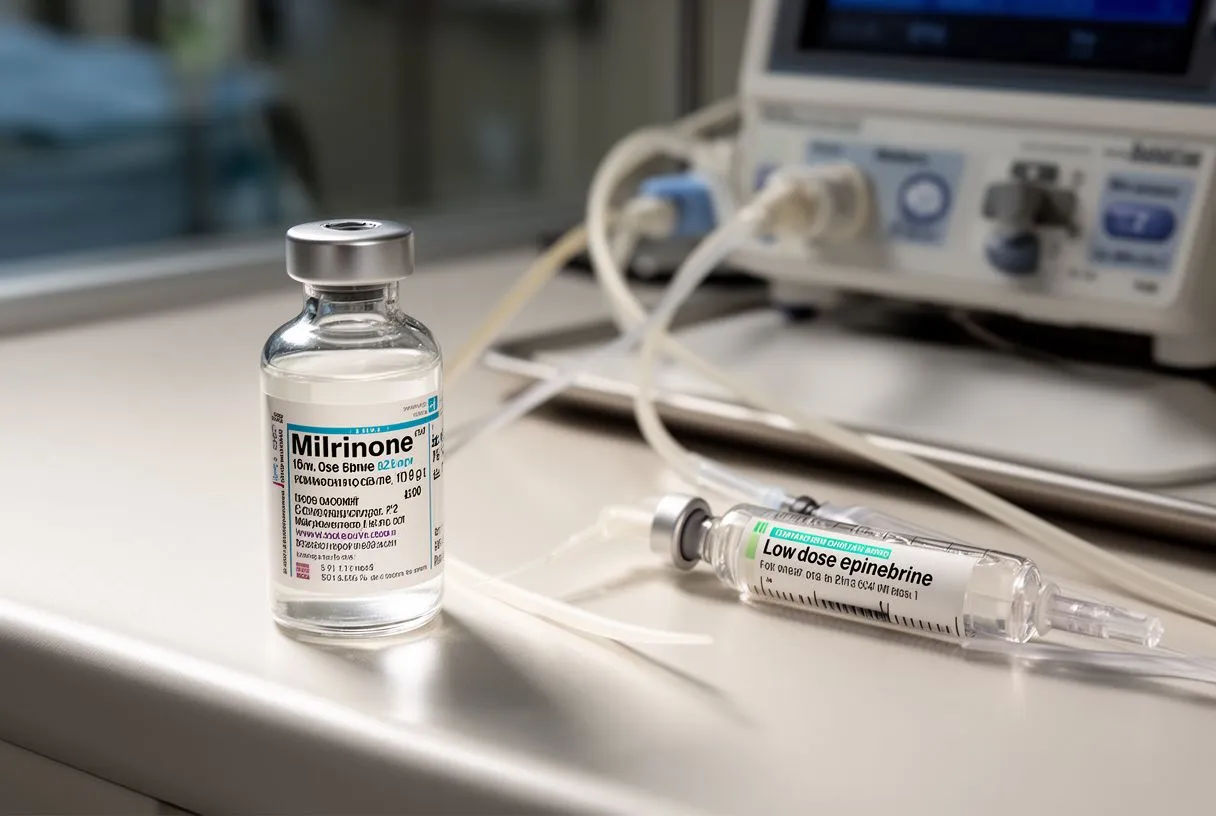
When inotropes are necessary: These medications are typically reserved for patients in cardiogenic shock, a state where the heart is failing so badly that it cannot maintain adequate blood pressure to perfuse the organs. We use inotropes as a temporary bridge—to keep the patient alive while we prepare for a more definitive solution, such as coronary bypass surgery, valve repair, or a mechanical assist device. They are a critical tool in our advanced heart failure hospital treatment arsenal.
Balancing benefits and risks: While inotropes can be life-saving, they must be administered with extreme caution. They increase the heart's demand for oxygen, which can be dangerous if the heart is already ischemic, or lacking oxygen. Intensive care teams continuously monitor the patient's ECG and blood pressure, adjusting the infusion rate with precision. The goal is to provide just enough support to stabilize the patient without causing dangerous arrhythmias or increasing the heart's stress unnecessarily.
For our international patients and their families, the use of inotropes is a clear signal of how seriously ill the patient is. We explain this reality with empathy and honesty, avoiding false reassurance. We detail the plan for transitioning off these powerful drugs as the heart recovers or as a surgical intervention is completed, providing a clear trajectory for the acute heart failure treatment phase.
Acute Cardiogenic Pulmonary Edema Management
Acute cardiogenic pulmonary edema is one of the most terrifying symptoms of acute heart failure. It occurs when fluid rapidly accumulates in the lungs' air sacs, making it impossible for the patient to breathe normally. Managing this condition is an absolute emergency and requires a coordinated, rapid response to prevent respiratory failure.
Immediate respiratory interventions: The first priority is to improve oxygenation. We often use non-invasive ventilation, such as a BiPAP or CPAP mask, which pushes pressurized air into the lungs to keep the airways open and push the fluid back into the capillaries. This method is highly effective and can often prevent the need for intubation. If the patient is too fatigued to breathe effectively, we will quickly insert an endotracheal tube and use a mechanical ventilator to take over the work of breathing.
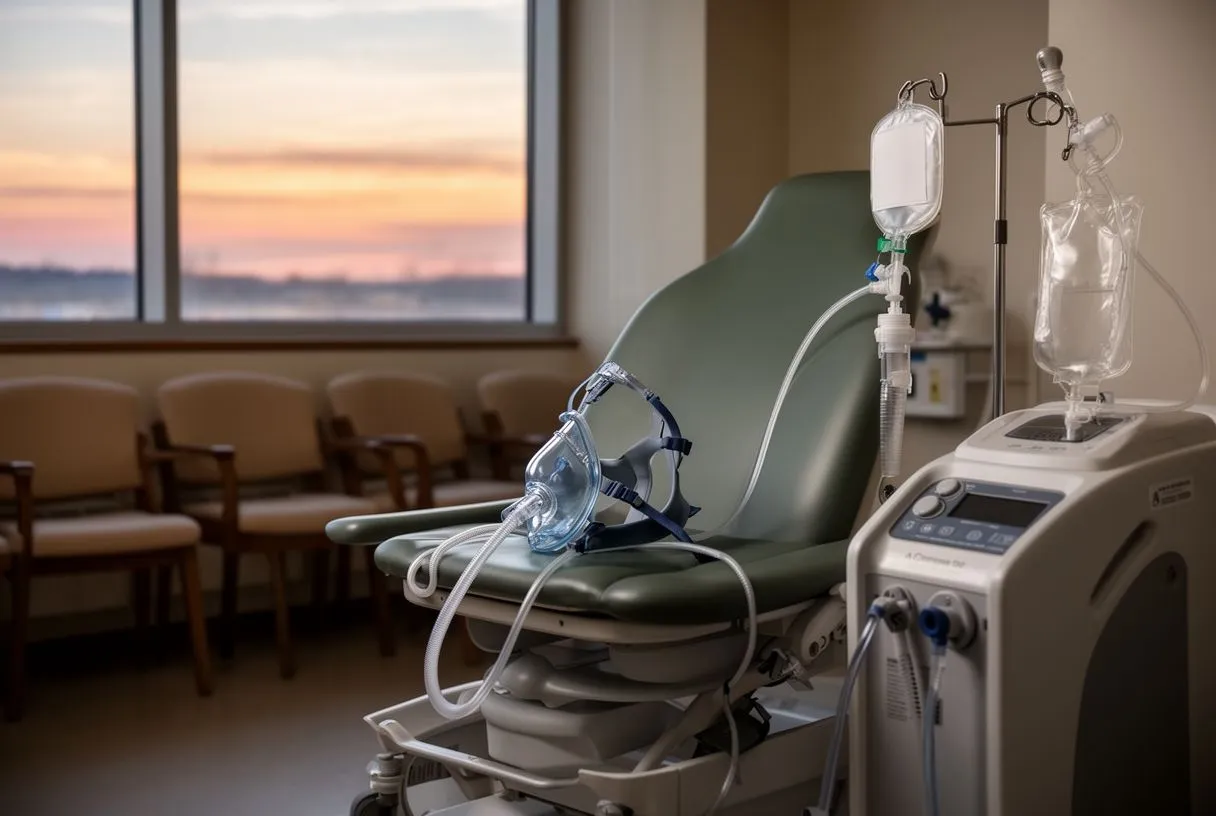
Pharmacological relief: Alongside respiratory support, acute heart failure treatment for pulmonary edema involves high doses of intravenous diuretics to rapidly offload fluid. We also administer medications like Nitroglycerin to dilate blood vessels, immediately reducing the pressure in the pulmonary circuit. If a severe arrhythmia triggered the pulmonary edema, doctors may use electrical cardioversion or medications to restore a normal heart rhythm, addressing the fluid backup at its source.
Witnessing a loved one struggle to breathe is deeply distressing. Our team prioritizes patient comfort, explaining each intervention as it happens. We manage anxiety with appropriate medications, as panic only increases the heart's demand for oxygen. Once the fluid is cleared and the patient can breathe comfortably, we transition to investigating the root cause to prevent a recurrence of acute cardiogenic pulmonary edema.
Post Heart Failure Rehabilitation and Recovery Timeline
- Days 1-3: Focus on bed rest, gentle mobility, and strict fluid intake monitoring.
- Weeks 1-4: Supervised walking, gradual increase in daily activity, and cardiac education.
- Months 1-6: Structured exercise program, resistance training, and continuous lifestyle adjustments.
Once the acute crisis has resolved, post heart failure rehabilitation becomes the focus. The heart failure recovery timeline varies for each patient, but it generally involves a structured, supervised program designed to rebuild strength and confidence. Cardiac rehabilitation is a critical component of long-term recovery, helping patients safely return to their daily lives.
Beginning the rehabilitation journey: Rehabilitation often starts in the hospital with simple activities like sitting up in bed and walking to the bathroom with assistance. As strength returns, a monitored exercise program is usually introduced. This program is carefully calibrated to the patient's heart rate and blood pressure, ensuring the heart is challenged enough to strengthen but not so much as to cause harm. We track progress meticulously, adjusting the workload as the patient's cardiac function improves.
Education and emotional support: A major part of rehabilitation is education. We teach patients how to monitor their weight, recognize early signs of fluid retention, and manage their medications. The emotional toll of a cardiac emergency also deserves attention, as anxiety and depression often accompany heart failure. Our goal is to empower patients to take control of their health, transforming a terrifying event into a catalyst for positive lifestyle changes.
Heart Failure Follow-Up Care and Lifestyle Changes
The journey does not end when the patient leaves the hospital. Heart failure follow-up care is essential to prevent another acute episode and to ensure the long-term success of the acute heart failure treatment. This phase involves regular check-ups with your cardiac team and a firm commitment to heart failure lifestyle changes.
Establishing a follow-up routine: Follow-up appointments are typically scheduled within one to two weeks of discharge. During these visits, doctors review medication effectiveness, check blood work, and assess overall cardiac function. Non-invasive tests may be used to confirm that the Atheromatous Plaque or other underlying conditions remain stable. Consistent communication with your cardiologist allows us to catch and treat minor issues before they escalate into another emergency.
Embracing necessary lifestyle adjustments: Long-term success depends heavily on lifestyle modifications. This includes adopting a heart-healthy diet low in sodium and saturated fats, engaging in regular, moderate exercise as prescribed, and strictly avoiding tobacco and excessive alcohol. We help patients understand the importance of daily weight monitoring—a sudden gain of two or three pounds overnight is an early warning sign of fluid retention and requires immediate adjustment of diuretics.
In conclusion, acute heart failure is a severe medical event, but with prompt, expert intervention and a dedicated recovery plan, patients can achieve a meaningful quality of life. We encourage anyone who has experienced heart failure symptoms or who is managing chronic heart conditions to discuss their specific situation with a qualified cardiac team. Do not self-diagnose or delay care; book a consultation with us at Cirugía de Corazón to develop a personalized, evidence-based plan for your heart health.