

Heart Failure Treatment: Medicines, Devices and Surgery
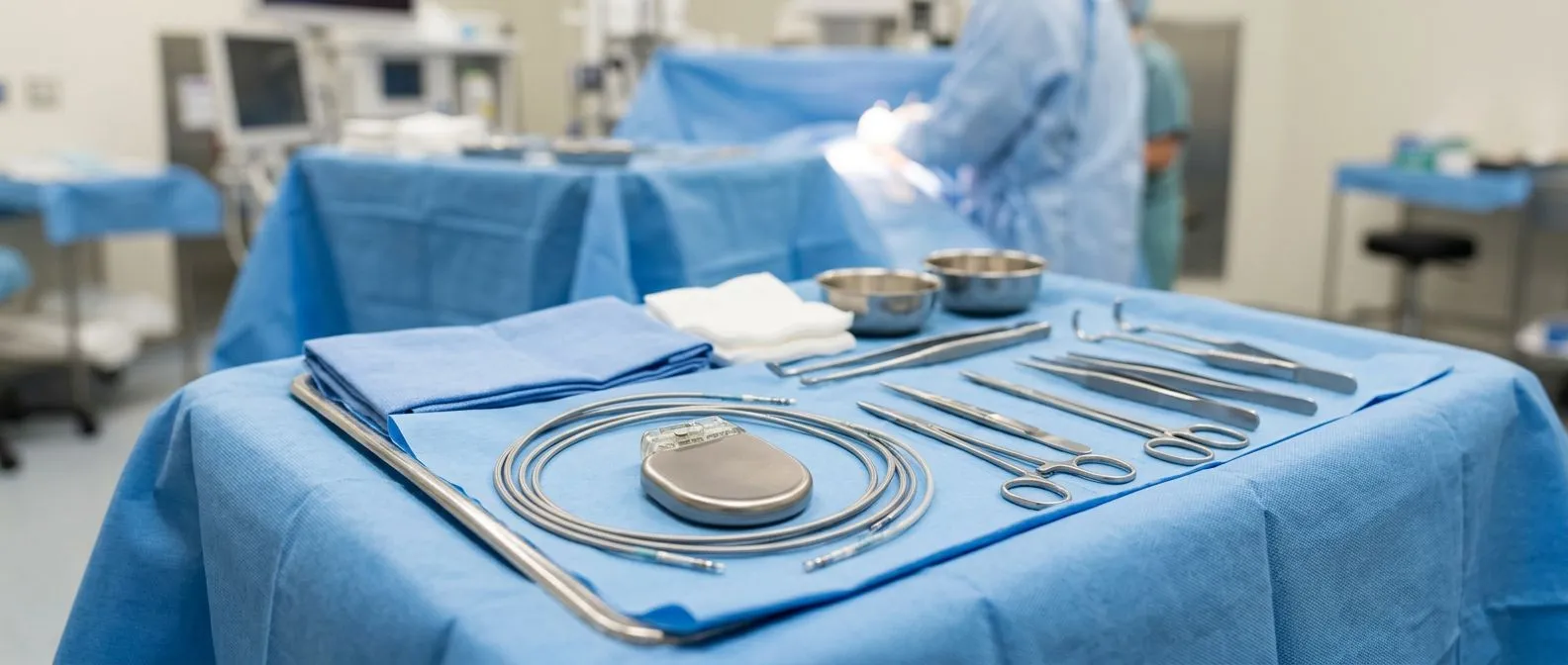
Heart failure treatment includes medicines, implanted devices and surgery.
Heart failure treatment has changed more in the past decade than in the previous fifty. Medicines, implanted devices and, in some cases, surgery can now hold the condition in check for years, especially when it is caught early. This guide walks you through every option in plain language: what each one does, when it is recommended, and what recovery actually looks like. If you or a family member has just been diagnosed, the goal here is simple — help you understand your choices before your first appointment.
What Is Heart Failure and Why Does It Need Treatment?
Heart failure means the heart muscle is no longer pumping blood as well as the body needs. It does not mean the heart has stopped. The pump has simply weakened — or stiffened — so that fluid backs up into the lungs, legs and abdomen. That is why the most common symptoms are breathlessness, swollen ankles, sudden weight gain and fatigue that makes climbing stairs feel like a mountain.
Doctors classify the condition into stages, from Stage A (risk factors only, no damage yet) to Stage D (advanced heart failure that no longer responds to standard care). Knowing your stage matters because every stage has a different treatment ladder. Chronic heart failure develops slowly over months or years, while acute heart failure can appear suddenly and needs hospital care right away. Untreated, the condition tends to progress, which is why early treatment is so important.
Why does it progress? When the pump weakens, the body releases hormones that raise the heart rate and tighten blood vessels to keep blood pressure up. Those hormones help in the short term but gradually damage the heart muscle further. This is why the medicines described in the next sections do not just relieve symptoms — they interrupt that damaging cycle and are the foundation of every heart failure treatment plan.
What Are the Heart Failure Treatment Options?
Heart failure treatment options fall into four groups: lifestyle changes, medicines, implanted devices, and surgery. Most patients start with the first two. Devices and surgery come into play when the heart's structure is the problem — for example, a narrowed or leaking valve, blocked coronary arteries, or electrical signals that fire out of sync.
What the guidelines say. Major international guidelines from the American Heart Association and the European Society of Cardiology recommend a "four-pillar" medication approach as the starting point for most patients with reduced pumping function. Treatment follows the stage: early stages may need only medicines and monitoring, while advanced stages may require a device implant or surgical repair. The American Heart Association publishes detailed, regularly updated guidance on treatment options for each stage.
- Lifestyle: salt restriction, daily weight monitoring, gentle activity, and stopping smoking — the first prescription every patient receives.
- Medicines: the core of chronic heart failure treatment, taken daily and adjusted over months.
- Devices: pacemakers, defibrillators and pumps implanted when the heart's rhythm or pumping strength needs direct support.
- Surgery: valve repair or replacement, bypass grafting, or — in the most advanced cases — an LVAD or heart transplant.
In our practice, every case is reviewed by the multidisciplinary team against international practice guidelines before a recommendation is made, and the patient receives a clear proposal with the alternatives laid out side by side.
Which Heart Failure Medicines Do Doctors Use First?
Most patients ask for a heart failure medication list at their first visit. The core medicines fall into four families, and modern guidelines recommend starting all four together rather than one at a time, because the combination is what protects the heart. Each works on a different part of the damage cycle.
- ACE inhibitors / ARBs / ARNIs: relax blood vessels and block the hormones that scar the heart muscle. ARNIs (such as sacubitril/valsartan) are the newer option in this family.
- Beta-blockers: slow the heart rate so the weakened muscle has time to fill properly between beats.
- Mineralocorticoid receptor antagonists: remove excess salt and water while protecting the heart muscle from fibrosis.
- SGLT2 inhibitors: originally diabetes drugs, now proven to reduce hospital admissions and improve survival in heart failure with both reduced and preserved pumping function.
Diuretics and other medicines. Loop diuretics such as furosemide are added to control fluid buildup — they relieve breathlessness and swelling but do not change the disease course. Some patients also take iron supplements, potassium management, or blood thinners depending on their rhythm and valve status. Doses are adjusted slowly over weeks, because starting everything at full strength can cause dizziness or low blood pressure.
Will you need medicine forever? In most cases, yes — heart failure is managed, not cured. But the dose often improves. Many patients who start on four medicines at low doses end up on fewer or lower doses once their heart stabilizes, and their symptoms settle considerably. Never stop or skip doses on your own; the medicines are holding the heart in a stable state that is easy to lose without noticing.
How Does Cardiac Resynchronization Therapy Help?
Cardiac resynchronization therapy (CRT) is for a specific group of patients: those whose two lower heart chambers (ventricles) beat out of sync. When the electrical signal that triggers contraction is delayed on one side, the pump loses efficiency. A CRT pacemaker resynchronizes those beats so both chambers squeeze together again. Patients with a widened QRS on their ECG (typically a bundle branch block) benefit most.
What the implant involves. A CRT device is a small box, about the size of a matchbox, placed under the skin below the collarbone. Wires lead through a vein to the heart, and one extra wire is placed on the outer surface of the left ventricle. The heart failure device implant procedure itself takes one to two hours, usually with light sedation, and most patients go home the next day. Some devices also include a defibrillator function (CRT-D) to interrupt dangerous rapid rhythms.
Does it work for everyone? No — CRT helps roughly the subset of patients whose pump weakness is tied to electrical desynchronization, and it takes weeks to months to show its full effect. Studies show it can reduce hospitalizations and improve survival in the right group. If your ECG does not show the pattern that predicts benefit, your cardiologist will not offer it. That is a point worth double-checking: a device that helps one patient may do nothing for another, which is why the match matters more than the technology.
When to See a Heart Surgeon for Heart Failure?
Knowing when to see a heart surgeon for heart failure is one of the most important decisions in this whole process. Most heart failure patients never need surgery — but some do, and identifying them early changes the outcome. The clearest signals are: a damaged or leaking valve driving the heart failure, blocked coronary arteries that could be bypassed, or advanced heart failure that no longer responds to medicines.
Red flags that point to surgical evaluation. Worsening breathlessness despite correct medicine, repeated hospital admissions, a valve that measures poorly on echocardiography, or an aorta beyond guideline thresholds all warrant a surgical opinion. Guidelines, for instance, set a threshold around 5.5 cm for aortic aneurysms, and EuroSCORE II is used to estimate surgical risk before deciding. If your cardiologist mentions any of these, it is reasonable to ask for a surgical evaluation — even as a second opinion.
We encourage second opinions and treat seeking one as a normal part of deciding about heart surgery — in fact, when a patient brings records from another hospital, our team often confirms the medical route is right before anything surgical is considered.
How to get evaluated. In most cases a referral from your cardiologist starts the process. If you are looking for a heart failure hospital near me, look for a center that offers both surgery and transcatheter options, because the right answer depends on your anatomy, not on the surgeon's preferred technique. Bring your recent echocardiogram, ECG and medication list; they answer most of the questions before any new test is needed.
What Are the Main Heart Failure Surgery Types?
Heart failure surgery types divide into two big families: operations that repair the structure (valves, arteries, heart shape) and operations that replace or assist the failing pump. Choosing between them depends on what is actually broken. The choice is made case by case, weighing risk against expected benefit.
Repairing the structure. Coronary artery bypass grafting (CABG) reroutes blood around blocked arteries and can restore function in hearts weakened by ischemia. Valve repair or replacement fixes the most common structural causes of heart failure — a leaking mitral valve or a narrowed aortic valve. The mitral valve is the most common cause of heart failure from a leaking valve, and it can often be repaired rather than replaced, preserving the patient's own tissue.
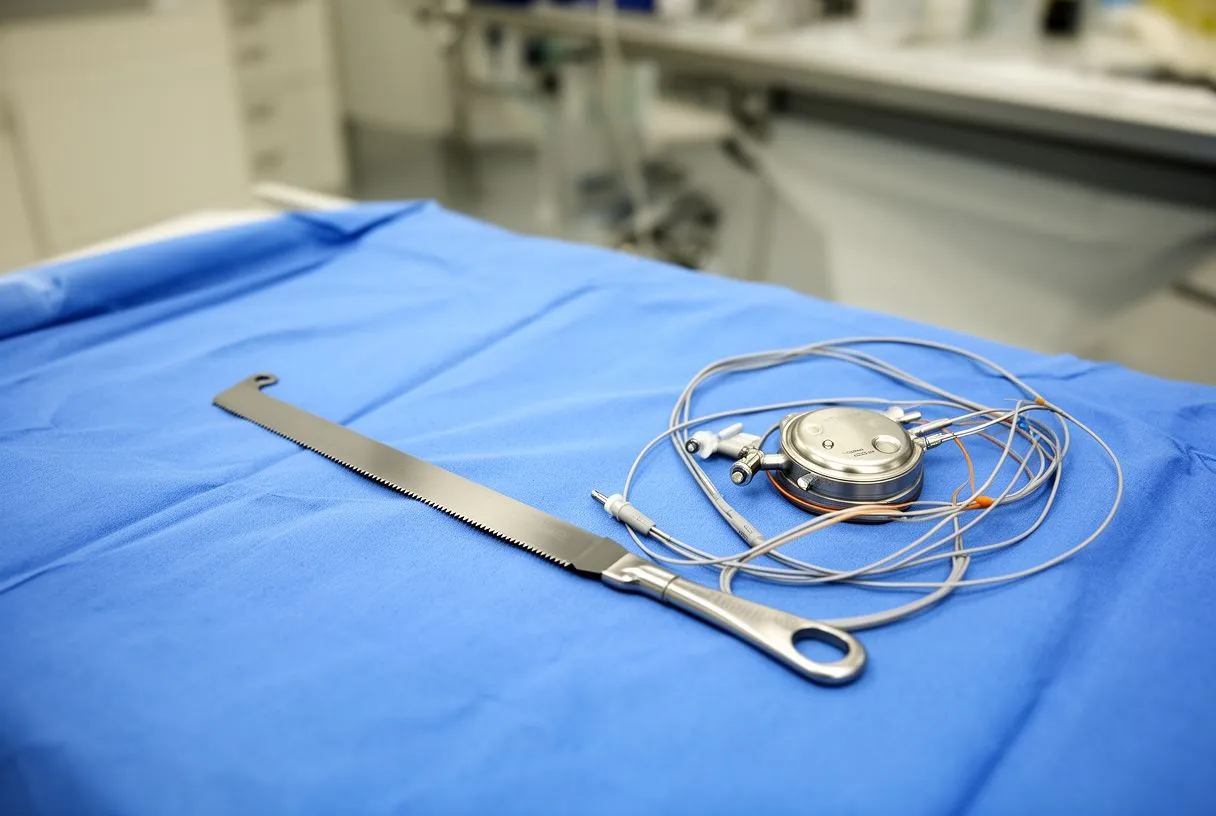
Less invasive options. TAVR — transcatheter aortic valve replacement — delivers a new aortic valve through a catheter in the groin, without opening the chest. It suits patients who are older or higher risk for conventional surgery. Edge-to-edge repair (TEER), a similar catheter approach for a leaking mitral valve, is another option. The minimally invasive route is only recommended where the evidence supports it for that specific patient, so the choice is always personalized rather than automatic.
Our team performs conventional, minimally invasive, robotic and transcatheter procedures, and we recommend the less invasive route only where the evidence supports it for that patient — sometimes conventional surgery is the lower-risk option, and we say so plainly.
Is an LVAD or Heart Transplant for Heart Failure the Last Step?
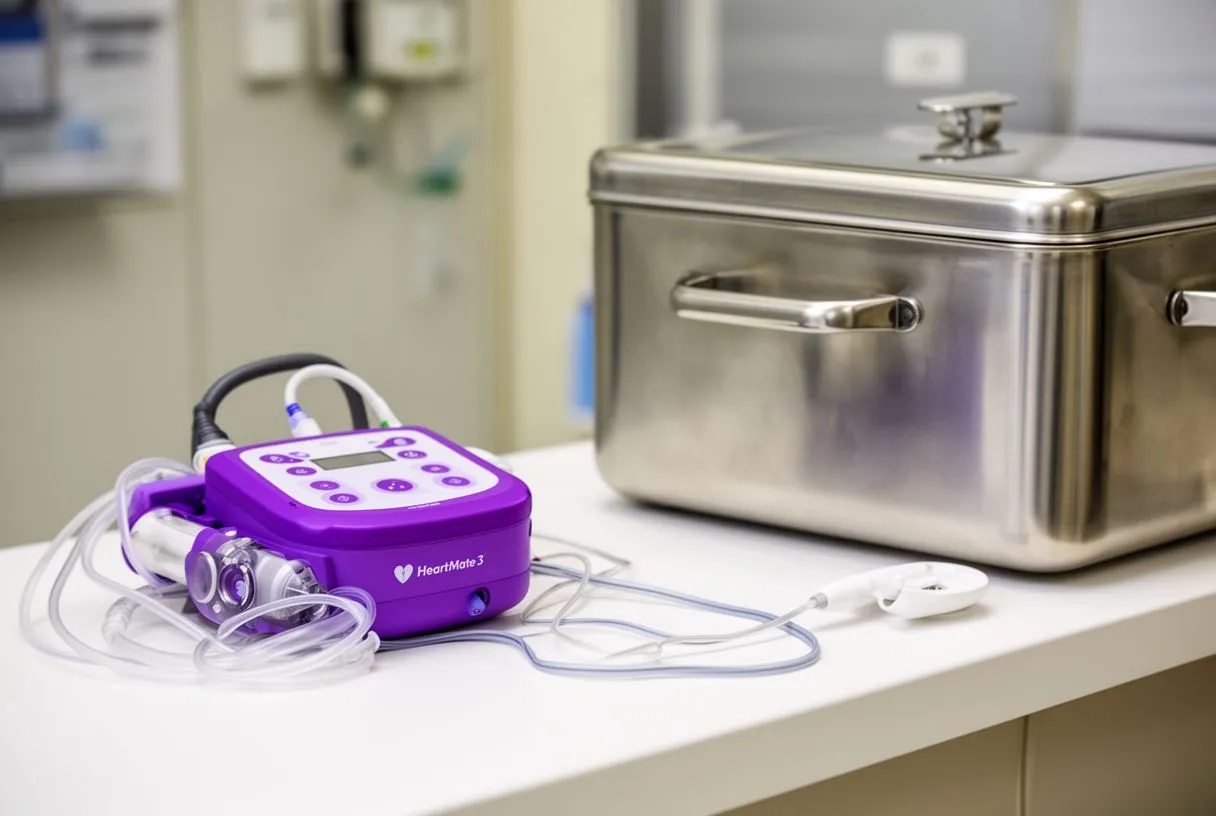
When medicines, devices and surgery are no longer enough — Stage D — the options narrow to two: an LVAD or a heart transplant. LVAD stands for left ventricular assist device, a mechanical pump implanted inside the chest that takes over part of the work of the left ventricle. It is powered by a battery pack the patient carries outside the body.
What an LVAD is really for. An LVAD surgery is a major undertaking, but it is a genuine option for advanced heart failure that medicine cannot control. Some patients use it as a bridge to transplant, while others receive it as "destination therapy" — a long-term solution for patients who are not transplant candidates. The pump lets many patients return to a normal, active life, though it requires daily maintenance, battery care, and vigilance about infection.
Heart transplant for heart failure. A transplant replaces the failing heart with a donor heart and is the definitive treatment for end-stage disease when nothing else works. It is reserved for patients who are otherwise healthy enough to undergo it — age, other organs and general condition all matter. The surgery itself is complex, but survival after transplant has improved steadily, and many recipients return to full-time work and normal family life.
Are you a candidate? The evaluation process is thorough: blood tests, imaging, stress tests, and sometimes assessments of other organs. It is not a decision made in a single visit. If you are at this stage, you want a team that reviews every case against international guidelines and tells you honestly whether a transplant, an LVAD, or continued medical care is the right path — and that decision is always made with the patient, not for them.
Can Congestive Heart Failure Be Managed at Home?
Yes — congestive heart failure treatment is mostly done at home, and it works well when patients know the warning signs. The principle is simple: watch for fluid retention before it becomes a crisis. Daily habits matter far more than any single clinic visit.
Your daily monitoring routine. Weigh yourself every morning, at the same time, after emptying your bladder, before breakfast. A gain of more than 1–2 kg in a day or so is a signal to call your doctor before you feel breathless. Restrict salt to the level your cardiologist recommends — usually under 2–3 grams per day for heart failure patients — and track your fluid intake if your team has asked you to.
Exercise and stress. Gentle, regular activity is prescribed, not avoided — and cardiac rehabilitation makes it safe. A scoping review of nurse-coordinated, home-based cardiac rehabilitation programs for patients with heart failure found these programs can improve exercise capacity, reduce hospital admissions and support quality of life at home. Managing stress matters too: chronic stress raises heart rate and blood pressure, which is an extra burden on a weakened heart. Breathing exercises, a consistent sleep routine and realistic daily plans all help.
Warning signs that need a doctor today. Call your cardiology team if you notice breathlessness at rest, sudden weight gain of more than 2 kg in a day, new confusion, chest pain, or swelling that spreads to the thighs. These are the moments when a small adjustment in diuretics prevents an emergency admission. Some patients — especially those in COVID-19's aftermath — have also developed heart failure after an infection, so new symptoms after a recent illness should always be reported.
What Is the Heart Failure Recovery Timeline After Surgery?
Recovery timelines differ by procedure, and knowing them helps families plan realistically. For a device implant, most patients go home the next day and return to normal activity within a week or two. For minimally invasive surgery, hospital stay is typically three to five days, and full recovery takes four to six weeks.
First weeks. The first two weeks after surgery are about wound care, gentle walking and managing fatigue — the body is doing a lot of work even when it looks calm. It is normal to feel tired well past the point where the wound has healed. Driving is usually restricted for a few weeks, and upper-body lifting limits apply if the chest was opened.
Weeks three to eight. Cardiac rehabilitation begins here — a supervised program of exercise, education and monitoring that is one of the strongest predictors of a good outcome. Studies and reviews consistently show that structured cardiac rehab improves exercise capacity and reduces readmission rates, including for patients with heart failure. By week six to eight, most patients doing desk work can return; heavier physical work takes longer.
Three months and beyond. By three months, most patients are back to the activities they enjoy, and the medicines that were started before surgery are often re-tuned. Some patients notice a marked improvement in breathlessness within days of a valve procedure; others improve steadily over months. The key is to judge your own timeline, not someone else's — recovery follows the body, not the calendar.
Finding the best heart failure doctors starts with a simple filter: look for a specialist who handles your specific problem regularly, not just occasionally. A heart failure specialist doctor who sees hundreds of similar cases each year will have a sharper instinct for which option — medicine, device, catheter or surgery — fits your situation. Ask directly how many procedures of your type the team performs each year.
Questions worth asking at your first consultation.
- What exactly is wrong? Ask for the echocardiogram findings in plain words — which valve, which artery, which measure is off.
- What are all the options? A good team presents the medicine, device and surgical routes with their trade-offs, not just one.
- What is the risk? Ask about the score they use (such as EuroSCORE II) and what it means for you.
- What does treatment cost? Ask for a written estimate covering hospital, materials and follow-up, including what insurance covers.

Cost and planning. Heart failure treatment cost varies widely depending on the route: medicines are the most affordable, devices sit in the middle, and surgery is the largest investment. For international patients, factor in travel, stay length and follow-up arrangements. Some less invasive options shorten hospital stay considerably, which offsets part of the cost — worth asking the team to compare.
What we do differently. The first contact in our practice is a free video consultation: we get to know the patient, talk through the condition, and say which studies are still needed so no unnecessary ones are ordered — then a face-to-face visit at our consulting rooms in Guadalajara, Querétaro or Hermosillo follows when the patient decides to go ahead. Dr Molina trained in cardiothoracic surgery at the Universidad de Guadalajara, in cardiac, minimally invasive, robotic and structural surgery at the University of Montreal, and in structural cardiology and TAVR at CHU Bordeaux, and he performed the first robotic mitral valve repair in the Ángeles Health System and the first robotic heart surgery in Guadalajara.
Heart failure treatment today is genuinely hopeful territory: four-pillar medicines, devices that retrain the heart's rhythm, and surgical options that range from a small valve repair to a full transplant. The key is the right match — the right treatment for the right patient at the right time, decided by a team that reviews every case against international guidelines and respects the patient's final decision. If you or someone in your family is living with these symptoms, the next step is a real conversation with a qualified cardiac team — not a self-diagnosis. Book a consultation and bring your questions; a good team will answer all of them.
How Do You Choose a Heart Failure Specialist and Plan for Cost?
Finding the best heart failure doctors starts with a simple filter: look for a specialist who handles your specific problem regularly, not just occasionally. A heart failure specialist doctor who sees hundreds of similar cases each year will have a sharper instinct for which option — medicine, device, catheter or surgery — fits your situation. Ask directly how many procedures of your type the team performs each year.
Questions worth asking at your first consultation.
- What exactly is wrong? Ask for the echocardiogram findings in plain words — which valve, which artery, which measure is off.
- What are all the options? A good team presents the medicine, device and surgical routes with their trade-offs, not just one.
- What is the risk? Ask about the score they use (such as EuroSCORE II) and what it means for you.
- What does treatment cost? Ask for a written estimate covering hospital, materials and follow-up, including what insurance covers.
Cost and planning. Heart failure treatment cost varies widely depending on the route: medicines are the most affordable, devices sit in the middle, and surgery is the largest investment. For international patients, factor in travel, stay length and follow-up arrangements. Some less invasive options shorten hospital stay considerably, which offsets part of the cost — worth asking the team to compare.
What we do differently. The first contact in our practice is a free video consultation: we get to know the patient, talk through the condition, and say which studies are still needed so no unnecessary ones are ordered — then a face-to-face visit at our consulting rooms in Guadalajara, Querétaro or Hermosillo follows when the patient decides to go ahead. Dr Molina trained in cardiothoracic surgery at the Universidad de Guadalajara, in cardiac, minimally invasive, robotic and structural surgery at the University of Montreal, and in structural cardiology and TAVR at CHU Bordeaux, and he performed the first robotic mitral valve repair in the Ángeles Health System and the first robotic heart surgery in Guadalajara.
Heart failure treatment today is genuinely hopeful territory: four-pillar medicines, devices that retrain the heart's rhythm, and surgical options that range from a small valve repair to a full transplant. The key is the right match — the right treatment for the right patient at the right time, decided by a team that reviews every case against international guidelines and respects the patient's final decision. If you or someone in your family is living with these symptoms, the next step is a real conversation with a qualified cardiac team — not a self-diagnosis. Book a consultation and bring your questions; a good team will answer all of them.






