

Pacemaker
Learn what a pacemaker is, how it works, and what to expect from implant surgery.
What Is a Pacemaker?
A pacemaker is a small, implantable medical device designed to regulate the heart's electrical system and ensure it beats at a healthy, steady rhythm. When the heart's natural pacing system fails to maintain an adequate heart rate, this device steps in to send electrical impulses to the heart muscle, prompting it to contract. For a patient preparing for or recovering from heart surgery, understanding this device can alleviate much of the anxiety surrounding sudden cardiac rhythm changes.
Why this matters to a heart surgery patient: Cardiac procedures, while life-saving, can sometimes disrupt the heart's electrical pathways. Your cardiology team may recommend a temporary or permanent pacemaker to support your heart's rhythm during recovery or to address underlying conduction issues that the surgery revealed.
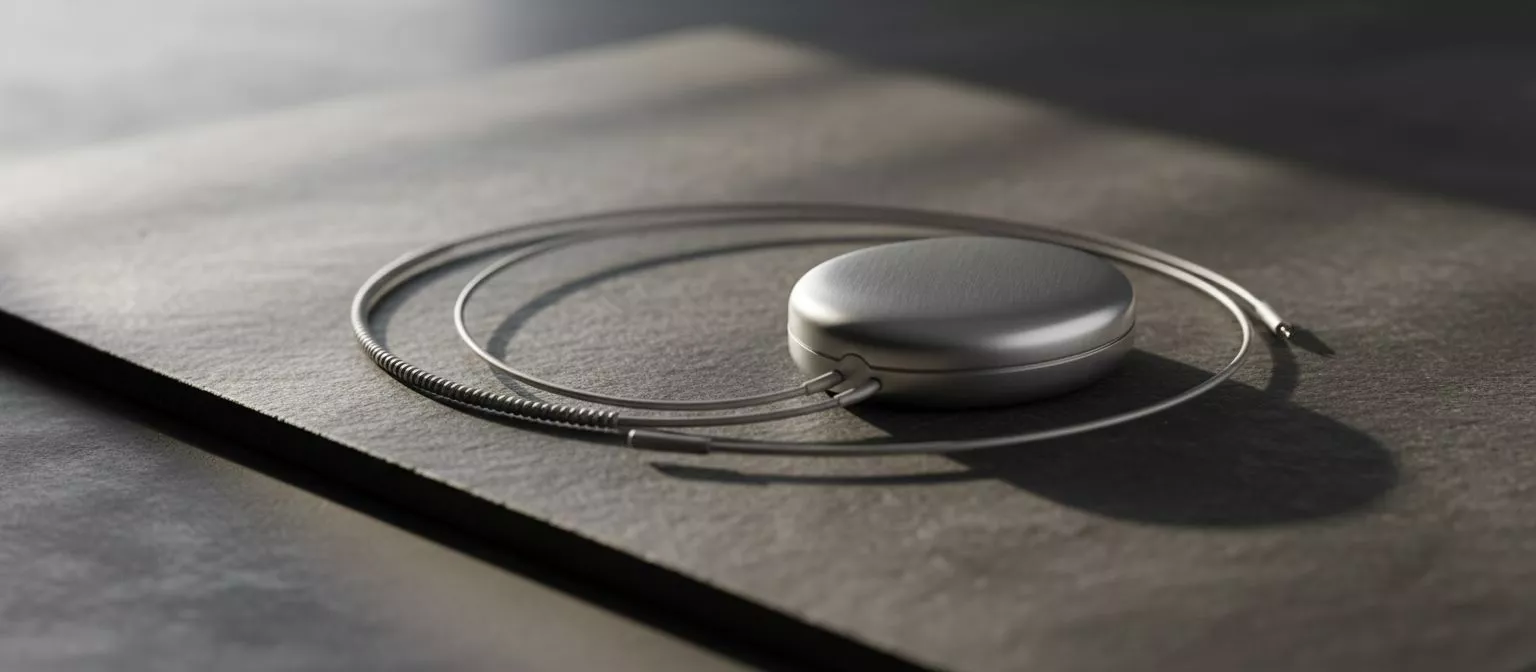
Modern devices are remarkably compact, often smaller than a traditional wristwatch, and are implanted just beneath the skin near the collarbone. They consist of two main components: the pulse generator, which houses the battery and the computerized timing circuitry, and the leads, which are insulated wires that deliver the electrical signals directly to the heart muscle.
How Does a Pacemaker Work?
The device functions as an intelligent backup system for the heart's natural electrical conduction network. It does not force the heart to beat continuously; rather, it continuously monitors the heart's intrinsic rhythm. When it detects that the heart rate has dropped below a programmed safe threshold or detects a missed beat, the pacemaker initiates a tiny, painless electrical pulse to normalize the rhythm.
Sensing and pacing functions: The leads embedded in the heart muscle act as both sensors and transmitters. They listen for the heart's natural electrical signals. If the heart is beating normally, the pacemaker remains on standby. If the signals are too slow or irregular, the pulse generator sends a precise electrical impulse through the leads to stimulate the heart chambers, ensuring efficient blood circulation.
The latest pacemakers are highly adaptable and can respond to the body's physiological needs. Many devices are programmed to recognize physical activity, adjusting the heart rate dynamically to ensure your body receives adequate oxygen and blood flow whether you are resting or exercising.
Types of Pacemakers for Heart Patients
Cardiologists choose from several configurations depending on the specific nature of a patient's heart condition. The right choice depends on which chambers of the heart require pacing and the underlying cause of the rhythm disturbance.
- Single-chamber pacemaker: Delivers pacing impulses to only one chamber of the heart, typically the right ventricle, suitable for patients whose atrial function remains normal.
- Dual-chamber pacemaker: Utilizes two leads to pace both the right atrium and the right ventricle, closely mimicking the heart's natural timing sequence for highly coordinated contractions.
- Leadless pacemaker: A modern, entirely self-contained capsule implanted directly into the heart muscle, eliminating the need for wires and offering a less invasive option for select patients.
Choosing the right pacemaker: Your cardiac surgeon will evaluate your medical history, the extent of your heart disease, and the results of your electrocardiogram (ECG) to determine which system will best support your cardiovascular health.
When Is a Pacemaker Needed After Cardiac Surgery?
Heart surgery inherently involves manipulating delicate tissues, and sometimes this temporarily or permanently affects the heart's electrical wiring. A surgeon may implant a pacemaker during or immediately following a procedure if the patient develops a significant block in the electrical conduction pathway.
Temporary versus permanent pacing: Post-operative inflammation can cause transient heart blocks. In these cases, temporary pacing wires are often left in place for a few days to help the heart maintain a stable rhythm until the tissue heals. If the conduction system does not recover, a permanent pacemaker will be recommended to ensure long-term safety.
Conditions that frequently necessitate a permanent pacemaker after surgery include sick sinus syndrome, where the heart's natural pacemaker fails, and high-grade atrioventricular (AV) block, where the signal from the atria to the ventricles is severely delayed or completely blocked. The device ensures that blood continues to flow effectively, preventing fatigue, dizziness, and fainting.
What to Expect During Pacemaker Implant Surgery?
For most patients, the implantation procedure is relatively straightforward and typically takes about one to two hours. It is usually performed under local anesthesia with mild sedation, meaning the patient remains awake but feels relaxed and does not experience pain in the chest area.
The implantation procedure: The surgeon makes a small incision, usually two to three inches long, just below the collarbone. Using X-ray imaging for precise guidance, the leads are threaded through a large vein directly into the heart. Once the leads are securely positioned and tested, they are connected to the pulse generator, which is then placed into a small pocket created under the skin.
Following the procedure, a brief hospital stay is required to monitor the heart's response to the new device. The medical team will perform an ECG and check the pacemaker's settings using an external programmer, ensuring the device is finely tuned to your specific cardiac needs before you are discharged.
Pacemaker Recovery and Initial Care
Recovery from a pacemaker implantation is generally quick, though patients must observe specific precautions to ensure proper healing. The primary focus during the first few weeks is protecting the implantation site and preventing the leads from dislodging before they fully anchor into the heart tissue.
Physical restrictions after surgery: Patients are advised to avoid raising the arm on the side of the implant above shoulder level for several weeks. Heavy lifting, vigorous exercise, and sudden, jerky movements should be avoided until the cardiologist provides clearance.
Some mild soreness or swelling at the incision site is completely normal and can be managed with over-the-counter pain relievers as prescribed by your physician. Keeping the area clean and dry is essential to prevent infection, and you will receive detailed wound care instructions before leaving the hospital.
Living With a Pacemaker: Daily Life and Activities
One of the most reassuring aspects of modern cardiac care is that a pacemaker is designed to restore your lifestyle, not restrict it. After the initial recovery period, most patients return to their normal routines with renewed energy and a significant reduction in symptoms like dizziness or chronic fatigue.
Navigating electronics and MRI safety: Everyday household appliances, including microwaves, computers, and televisions, are completely safe to use. However, you should maintain a safe distance from large industrial magnets or high-voltage equipment. Always inform security personnel at airports that you have a pacemaker, as the metal detector may beep, and request a manual pat-down to avoid prolonged exposure to magnetic wands.
Modern pacemakers are also designed to be compatible with Magnetic Resonance Imaging (MRI) under specific conditions. If you require an MRI in the future, your medical team will coordinate with the radiology department to ensure the scanning protocol is safe for your specific device model.
Pacemaker Batteries and Device Maintenance
While the pulse generator is highly durable, its battery is not infinite. Pacemaker batteries are engineered to last between five and fifteen years, depending on how heavily the device is used to pace the heart and the specific settings programmed by your cardiologist.
Pacemaker replacement surgery: When the battery begins to run low, the entire pulse generator is replaced in a minor outpatient procedure. The existing leads are typically left in place and simply disconnected from the old generator and connected to a new one, meaning the surgery is much faster and less invasive than the initial implantation.
Routine check-ups are a critical part of living well with the device. Your cardiology clinic will schedule regular follow-up appointments, often utilizing remote monitoring technology. A bedside transmitter can securely send data from your pacemaker to your doctor while you sleep, allowing them to assess battery life and heart rhythms without requiring an in-person visit. For comprehensive tracking of your cardiovascular metrics, patients often explore options to buy a digital blood pressure monitor for their home health routine.
Are Pacemakers Safe Long-Term?
Pacemakers are among the most thoroughly tested and reliable medical devices available today, backed by decades of clinical research and technological refinement. The safety profile of these devices is exceptionally high, providing life-sustaining therapy for millions of people worldwide.
Complications and risk management: As with any surgical procedure, there are risks, such as infection at the incision site, bleeding, or a very slight risk of lead dislodgement. However, these complications are rare, and the immediate benefits of preventing life-threatening arrhythmias or dangerously slow heart rates far outweigh the surgical risks for the vast majority of patients.
Long-term safety is ensured through continuous engineering advancements and vigilant medical oversight. The devices are programmed with multiple fail-safes, and modern leads are constructed from highly durable, biocompatible materials designed to last a lifetime inside the body.
Key Takeaways for Heart Surgery Patients
If you or a loved one is facing heart surgery and the potential need for a pacemaker, understanding the device transforms fear into confidence. A pacemaker is a testament to modern medicine's ability to support the body when it needs it most, acting as a silent, vigilant protector of your heart's rhythm.
Moving forward with confidence: The implantation procedure is safe, the recovery is highly manageable, and the long-term outcome is typically a return to a full, active life. By following your cardiologist's guidelines, attending your follow-up appointments, and listening to your body, you can seamlessly integrate this technology into your wellness journey.
Always keep your pacemaker identification card with you and maintain open communication with your healthcare team. To help manage your overall cardiovascular wellness, your doctor may suggest you find a high-quality compression sock to promote healthy circulation during your daily activities. Remember that this small device is a powerful tool designed to help your heart heal, adapt, and thrive for years to come.






