

Bridge to Transplant
Learn how bridge to transplant devices stabilize heart failure patients in Guadalajara until a donor heart is available.
What is a bridge to transplant?
When a person's heart can no longer pump effectively on its own, they may require a heart transplant. Because donor hearts are scarce and waiting times can stretch for months, patients often need temporary mechanical help to survive until a suitable donor organ becomes available. This temporary support is called a bridge to transplant. The goal is to keep the patient alive, protect their other organs from damage caused by poor blood flow, and help them become as strong as possible before their transplant surgery.
The devices used for this purpose take over the pumping work of the failing heart. By maintaining blood circulation to the brain, kidneys, liver, and other vital tissues, the support system prevents the deterioration that would otherwise occur while waiting. Patients often feel dramatically better once the device is working properly, because their organs are finally receiving the oxygen-rich blood they need.
How does bridge to transplant work?
A bridge to transplant relies on mechanical circulatory support to maintain blood flow when the heart's natural pumping action is too weak. The most common approach uses a mechanical pump that is surgically connected to the left ventricle, the heart's main pumping chamber. This pump draws blood from the ventricle and pushes it into the aorta, the large artery that carries oxygenated blood to the rest of the body.
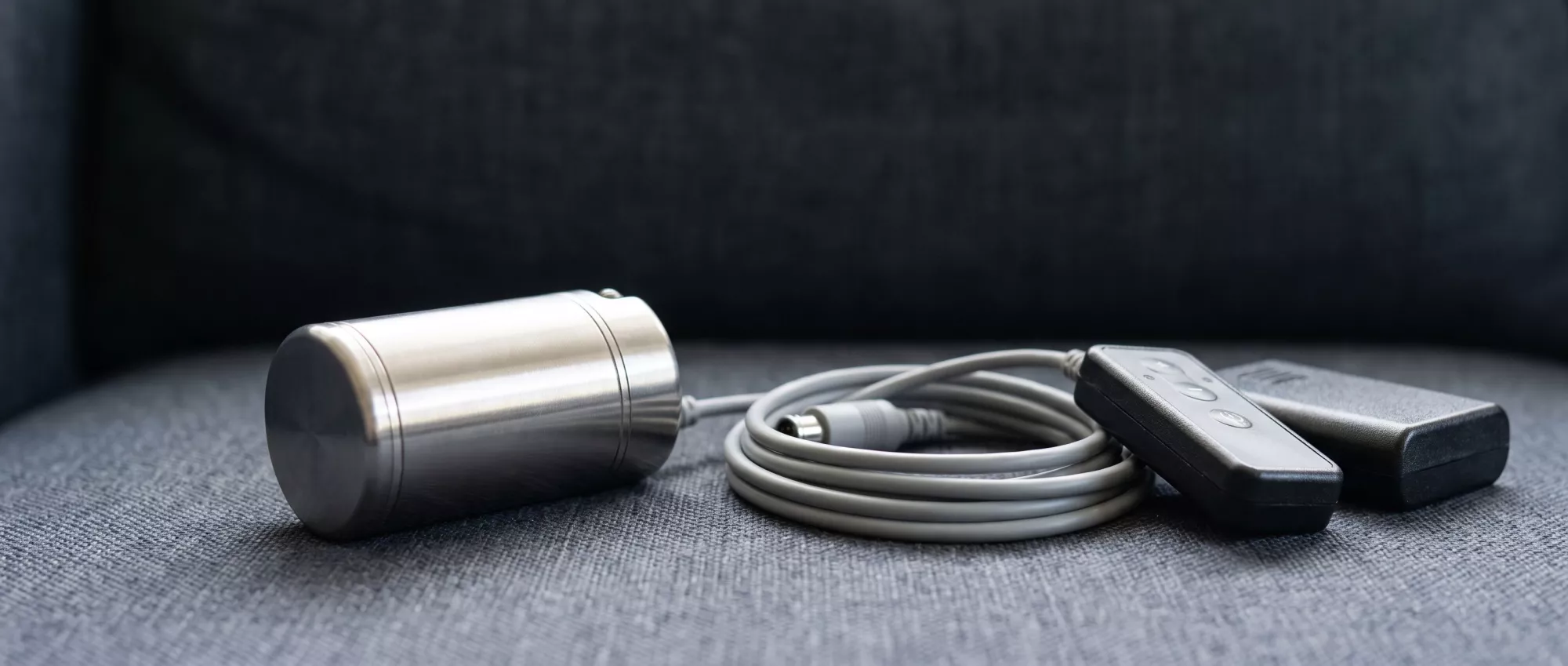
How the pump is powered: The internal pump is connected by a thin cable that passes through the skin to a small external controller and battery pack. The controller monitors the pump's function and can raise alerts if any issues arise. Patients carry the controller and batteries on a belt or in a vest, allowing them to move around, walk, and even return home while waiting for their transplant.
By maintaining steady blood flow, the device reduces the workload on the failing heart and gives it a chance to rest. This recovery period can improve the patient's overall condition, making them better prepared physically for the demands of a major transplant operation. The support continues until a donor heart is available, at which point the device is removed and the new heart is implanted.
Who needs a bridge to transplant device?
Patients considered for this therapy are typically those with advanced heart failure whose symptoms cannot be controlled with medication alone. They may have been evaluated and placed on a transplant waiting list, but their heart function has deteriorated to the point where waiting without support would be dangerous. These patients often experience severe shortness of breath, fatigue, and fluid buildup despite taking the maximum tolerated doses of heart failure medicines.
Signs a patient may need support: If heart failure progresses to the stage where the heart cannot pump enough blood to meet the body's needs, doctors may see low blood pressure, poor kidney function, or evidence that other organs are beginning to suffer. These are signals that a more active intervention is required. In this situation, patients may be offered mechanical heart support for transplant candidates as a way to stabilize their condition while they wait for a donor organ.
The decision to proceed with a device is made by a multidisciplinary heart failure team. This team includes cardiologists, surgeons, nurses, and social workers who together assess whether the patient is medically suitable for the device and psychologically prepared for the demands of living with it.
Types of mechanical circulatory support
There are different forms of mechanical support available, and the choice depends on the patient's specific condition, the severity of heart failure, and how long support is expected to be needed.
- LVAD: Left Ventricular Assist Device. This is the most common type used for longer-term support. It helps the left ventricle pump blood to the body.
- BiVAD: Biventricular Assist Device. This supports both the left and right ventricles. It may be needed if the right side of the heart is also failing.
- TAH: Total Artificial Heart. This replaces both ventricles and the valves entirely. It is used in a small number of specific cases.
Each option has its own considerations regarding size, surgical complexity, and the level of support provided. The surgical team will explain which option is most appropriate for the individual patient's anatomy and clinical situation.
LVAD bridge to transplant explained
The most frequently used approach is the LVAD bridge to transplant. An LVAD is a mechanical pump that is implanted inside the chest and attached to the left ventricle. It takes over the work of moving blood from the heart to the body, ensuring that organs and tissues receive the blood they need. For many patients, this is the standard approach when they are waiting for a heart transplant but need support in the meantime.
How an LVAD helps: By continuously moving blood, the LVAD restores circulation to normal or near-normal levels. Patients often experience a significant improvement in their ability to breathe, walk, and perform daily activities. The device works alongside the heart rather than replacing it entirely, and the patient's own heart remains in place.
Modern LVADs are smaller and more reliable than earlier models. The external components have also been refined, making them easier to manage. This technology has transformed the experience of waiting for a transplant, allowing patients to live at home, attend clinic appointments, and maintain a reasonable quality of life during the waiting period.
What to expect during the procedure
The implantation of a bridge to transplant device is a major surgical procedure performed under general anaesthesia. The surgeon makes an incision along the chest to access the heart. The mechanical pump is then placed inside the chest and connected to the left ventricle and the aorta. A cable passes from the device through the skin to the external controller.
After the operation, the patient spends time in the intensive care unit for close monitoring. The team checks that the device is working correctly and that blood flow to all organs is adequate. Recovery in hospital typically takes several weeks, during which the patient begins to regain strength and learns how to manage the external components of the system.
Before discharge, patients and their families receive detailed education on how to care for the device. This includes learning how to change batteries, respond to alerts, and keep the exit site where the cable passes through the skin clean and dry. Ongoing support from a specialized team is a key part of the process, and patients may be fitted with portable heart pump accessories to help them stay mobile.
Living with a bridge to transplant device
Once a patient leaves hospital with the device, they can resume many normal activities. Walking, light household tasks, and outings are encouraged. Regular follow-up appointments at the transplant centre are essential so the team can monitor the device and the patient's overall health.
Daily care essentials: Patients need to keep the driveline, the cable that exits the skin, clean and dry to prevent infection. They must carry spare batteries and a backup power supply at all times. They will also be given instructions on showering, sleeping, and travelling with the equipment.
Exercise is beneficial, though contact sports and heavy lifting must be avoided. Many patients find that with time and practice, managing the device becomes part of their daily routine. The improvement in how they feel compared to before the implantation is often significant, and this renewed strength helps them approach their upcoming transplant surgery in better condition.
Risks and considerations
As with any major surgery, implanting a bridge to transplant device carries risks. These include bleeding, infection, and reactions to anaesthesia. There are also specific risks associated with the device itself, such as the possibility of blood clots forming inside the pump, which is why patients take blood-thinning medication while the device is in place.
Infection at the driveline site is a concern, which is why careful hygiene is emphasised. The mechanical nature of the pump means that patients must be alert to device alerts and maintain their power supply. Despite these considerations, the risks of the device are generally outweighed by the risks of remaining in severe heart failure without support.
The decision to proceed is made carefully, with the team balancing the risks against the benefits of keeping the patient stable and well enough for transplant. For patients exploring this path, advanced heart failure support systems are a critical part of modern cardiac care and can make the difference between decline and recovery while waiting.
Bridge to transplant success and outcomes
The primary measure of success for a bridge to transplant strategy is reaching the point where a donor heart becomes available and the patient is well enough to undergo the transplant operation. By maintaining organ function and improving the patient's physical condition, the device increases the likelihood that the patient will be ready for surgery when the call comes.
Patients who are bridged successfully often spend the waiting period in better health than they would have been without the device. The restoration of normal blood flow relieves symptoms, reduces fluid buildup, and allows the kidneys and liver to recover. This improvement translates into a better starting point for the transplant itself.
Long-term outcomes after transplant for patients who were bridged are generally comparable to those who proceeded directly to transplant. The bridge strategy does not compromise the success of the subsequent heart transplant in most cases, and it provides a vital lifeline for those whose hearts could not have waited unaided.
Key takeaways
A bridge to transplant is a life-saving strategy that uses mechanical support to keep patients with severe heart failure stable until a donor heart becomes available. The most common device used is an LVAD, a pump that takes over the work of the left ventricle and restores blood flow to the body. This support relieves symptoms, protects vital organs, and improves the patient's overall fitness ahead of transplant surgery.
While living with a device requires careful management of batteries, hygiene, and regular clinic visits, most patients adapt well and experience a significant improvement in how they feel. The risks are real but manageable, and they are balanced against the very real danger of remaining in advanced heart failure without support.
For patients facing severe heart failure in Guadalajara, the message is reassuring: modern medicine offers a way to bridge the gap safely. With expert care and a dedicated team, patients can remain active, engaged, and hopeful while they wait for the gift of a new heart.






