

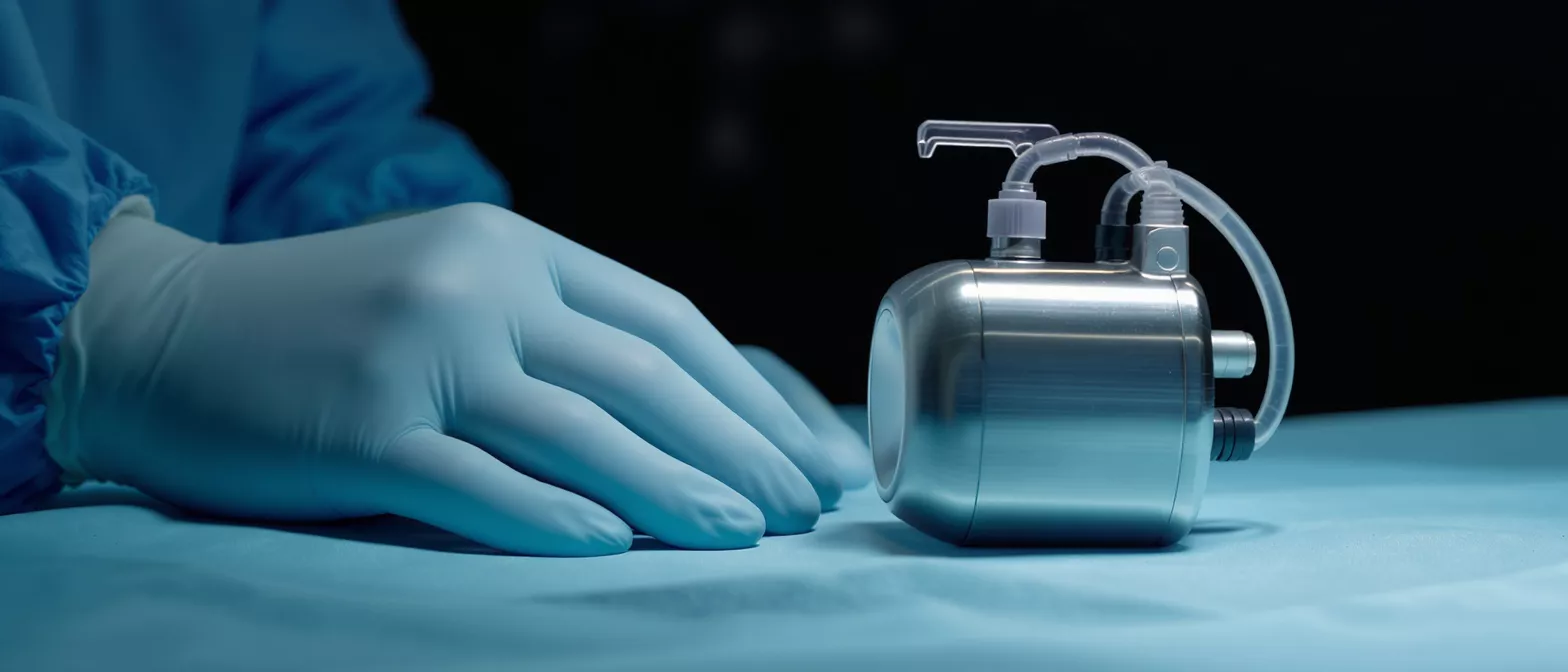
Mechanical Circulatory Support
Explore mechanical circulatory support for heart failure in Guadalajara.
What Is Mechanical Circulatory Support?
Definition of advanced heart support: Mechanical circulatory support refers to specialized medical technology designed to take over the pumping function of a failing heart. When the heart's natural muscle cannot pump enough blood to meet the body's needs, these mechanical devices step in to maintain blood flow to vital organs. This technology acts as a crucial bridge for patients dealing with severe cardiac conditions, ensuring the body receives the oxygen and nutrients required for survival.
Why this matters for cardiac surgery patients: For a patient facing heart surgery, understanding mechanical heart assistance provides peace of mind. It means surgical teams have advanced tools to support circulation during high-risk procedures or while a heart heals. These systems are not just surgical tools; they are life-saving interventions that offer a safety net when the heart needs temporary or permanent rest.
Difference from total heart replacement: Unlike a total artificial heart, which replaces the heart entirely, most support devices work alongside the natural heart. They assist the lower chambers, known as ventricles, in pushing blood through the body. This assistance allows the heart to recover or serves as a long-term solution when transplantation is not an immediate option.
How Mechanical Circulatory Support Devices Work
Continuous flow technology: Modern mechanical circulatory support devices typically operate using continuous-flow pumps. Instead of mimicking the rhythmic squeezing of a natural heartbeat, these devices use a spinning rotor to push blood smoothly and continuously. This steady stream of blood ensures that tissues and organs receive a constant supply of oxygen without interruption.
Integration with natural heart function: The device is surgically connected to the heart, usually drawing blood from the left ventricle and pumping it into the aorta. By sharing the workload, the mechanical pump dramatically reduces the strain on the heart muscle. This partnership allows the natural heart to rest, recover, and maintain some natural function while the device handles the heavy lifting.
Power supply and external components: The internal pump is connected to an external controller and power supply through a thin cable, known as a driveline, that exits the skin. Patients manage this equipment through wearable battery packs, ensuring the system remains operational during daily activities. Proper care of this exit site is essential to prevent infections and maintain system function.
Types of Mechanical Circulatory Support Systems
Short-term versus long-term systems: Mechanical cardiac support systems are categorized by how long they are intended to be used. Short-term options provide immediate stabilization for patients in acute distress, while long-term devices offer sustained support for chronic conditions. Understanding these categories helps patients grasp the surgical strategy proposed by their cardiac care team.
Temporary support platforms: Temporary circulatory support devices include extracorporeal membrane oxygenation (ECMO) and short-term external pumps. These are often used in emergency situations, such as acute heart failure following a massive heart attack or severe inflammation of the heart muscle. They provide immediate, high-volume blood flow while doctors address the underlying medical crisis.
Patients should be aware of the common contexts where these systems are utilized to understand their clinical versatility. The selection depends on the patient's specific cardiac output, overall health, and the immediate goals of the surgical intervention.
- Bridging therapy: Used to keep patients stable while waiting for a heart transplant.
- Destination therapy: Long-term support for patients who are not candidates for a transplant.
- Bridge-to-recovery: Temporary assistance allowing the heart muscle to heal and regain function.
Ventricular Assist Device for Heart Failure
Focus on left ventricular support: The most common form of mechanical heart assistance is the left ventricular assist device, or LVAD. This system specifically supports the left side of the heart, which is responsible for pumping oxygen-rich blood to the entire body. When heart failure severely weakens the left ventricle, an LVAD restores adequate blood circulation.
Role in advanced heart failure treatment: For patients with advanced heart failure who no longer respond to medication, an LVAD offers a renewed chance at life. The device takes over the majority of the heart's pumping duties, relieving symptoms like severe fatigue and shortness of breath. This intervention transforms a critically failing heart into a manageable condition.
When considering options for this level of intervention, patients and families often research advanced cardiac support devices to understand the hardware involved. The implantable pump works silently inside the chest, connected to a controller outside the body, allowing patients to return home and resume many normal activities. Continuous monitoring ensures the system functions optimally throughout the treatment period.
When Is Mechanical Cardiac Support Recommended?
Failure of optimal medical therapy: Cardiac surgeons recommend mechanical circulatory support when standard medications and pacemakers can no longer manage heart failure effectively. If a patient's heart continues to weaken despite taking the maximum tolerated doses of heart medication, mechanical intervention becomes the next logical step. This decision is made to prevent irreversible damage to vital organs.
Post-surgical heart recovery: Sometimes, immediately following complex cardiac surgery, the heart is too stunned or weak to function independently. In these cases, temporary mechanical support takes over the pumping action, giving the heart muscle time to recover from the trauma of surgery. Once the heart regains its strength, the device is carefully removed.
Pre-transplant stabilization: Patients waiting for a donor heart often experience a decline in health. Mechanical support is used as a bridge to transplantation, keeping them alive and improving their physical condition so they are strong enough to undergo the transplant procedure. This strategy significantly improves outcomes for transplant candidates.
Benefits of Mechanical Heart Support Technology
Symptom relief and quality of life: The most immediate benefit of mechanical heart support is the dramatic reduction in heart failure symptoms. Patients who once struggled to walk across a room often find they can return to daily tasks, light exercise, and hobbies. Restoring proper blood flow revitalates the body, bringing energy and comfort back to the patient.
Improved survival rates: By taking over the burden of pumping blood, these devices extend life for patients with end-stage heart failure. The technology provides a vital alternative for those who cannot undergo a heart transplant, offering years of additional life. This survival benefit is one of the greatest triumphs of modern cardiovascular medicine.
The integration of ventricular support equipment into a patient care plan represents a major shift from managing decline to supporting recovery and stability. Patients benefit from improved organ function, better kidney perfusion, and increased cognitive function due to steady, reliable blood flow. The technology essentially resets the body's baseline, allowing for a more active lifestyle.
Are Circulatory Assist Devices Safe Long-Term?
Engineering advancements: Modern circulatory assist devices are highly engineered for durability and safety. The internal moving parts are designed to spin millions of times without failing, often lasting for years without mechanical breakdown. This reliability makes long-term destination therapy a viable reality for many patients.
Clinical monitoring requirements: While the devices themselves are robust, patients require lifelong monitoring by a specialized heart failure team. Regular check-ups ensure the pump is functioning correctly and allow clinicians to adjust settings as needed. Patients are trained to manage their equipment, check alarms, and respond to any changes in their system.
Risk management: The main risks associated with long-term mechanical support include infection at the driveline site, blood clots, and bleeding. To manage these risks, patients must take anticoagulant medications and maintain strict hygiene around the driveline exit site. With proper education and care, these risks are successfully managed, allowing patients to live safely with their devices.
Recovery and Life With Mechanical Circulatory Support
Immediate post-operative phase: Recovery begins in the intensive care unit, where the medical team stabilizes the patient and ensures the new mechanical support system is functioning perfectly. Patients gradually wake up and begin the process of physical rehabilitation. The transition from critical illness to supported stability is closely monitored by surgeons and specialized nurses.
Adapting to daily life: Once discharged, patients adapt to living with mechanical circulatory support by incorporating equipment management into their daily routines. They learn to carry external batteries, manage a controller, and shower with a protective cover. Many patients return to work, travel, and enjoy family life, proving that a supported heart still allows for a fulfilling existence.
Physical therapy plays a crucial role in rebuilding muscle strength lost during the heart failure phase. Patients learn their physical limits and how to safely increase their activity levels while relying on the device.
Best Circulatory Support Options for Advanced Heart Failure
Tailoring the device to the patient: There is no one-size-fits-all answer when it comes to choosing the best circulatory support option. The right choice depends on the patient's specific anatomy, the severity of their heart failure, and their overall health goals. A multidisciplinary heart team evaluates these factors to recommend the most appropriate technology.
Evaluating candidacy for support: Surgeons assess candidacy by looking at the function of the right side of the heart, lung health, and the presence of other medical conditions. For some, a left ventricular assist device is sufficient, while others may require biventricular support. The evaluation process ensures the selected device will provide the maximum clinical benefit.
The decision-making process involves several critical factors that surgeons weigh before implanting a device:
- Cardiac evaluation: Assessing right ventricular function and pulmonary artery pressure.
- Medical history: Reviewing comorbidities like diabetes or kidney disease that affect recovery.
- Goal of therapy: Determining if the device is a bridge to transplant or a permanent destination therapy.
Conclusion on Mechanical Circulatory Support Options
Summarizing the clinical impact: Mechanical circulatory support has revolutionized the treatment of advanced heart failure, offering a lifeline to patients with few remaining options. These devices successfully bridge the gap to transplantation and provide long-term stability for those who cannot receive a donor heart. The technology stands as a testament to the incredible progress in cardiac surgery.
Empowering patients through knowledge: Understanding how these devices work, their benefits, and what life with them looks like helps remove the fear of the unknown. Patients facing severe heart conditions can approach surgery with confidence, knowing advanced technology exists to support their heart. This knowledge empowers families to make informed decisions alongside their medical team.
Looking toward the future: As research continues, mechanical heart assistance technology will only become smaller, safer, and more efficient. Patients today benefit from decades of engineering refinement, receiving care that prioritizes both survival and quality of life. This field remains a cornerstone of hope in modern cardiovascular medicine.






