

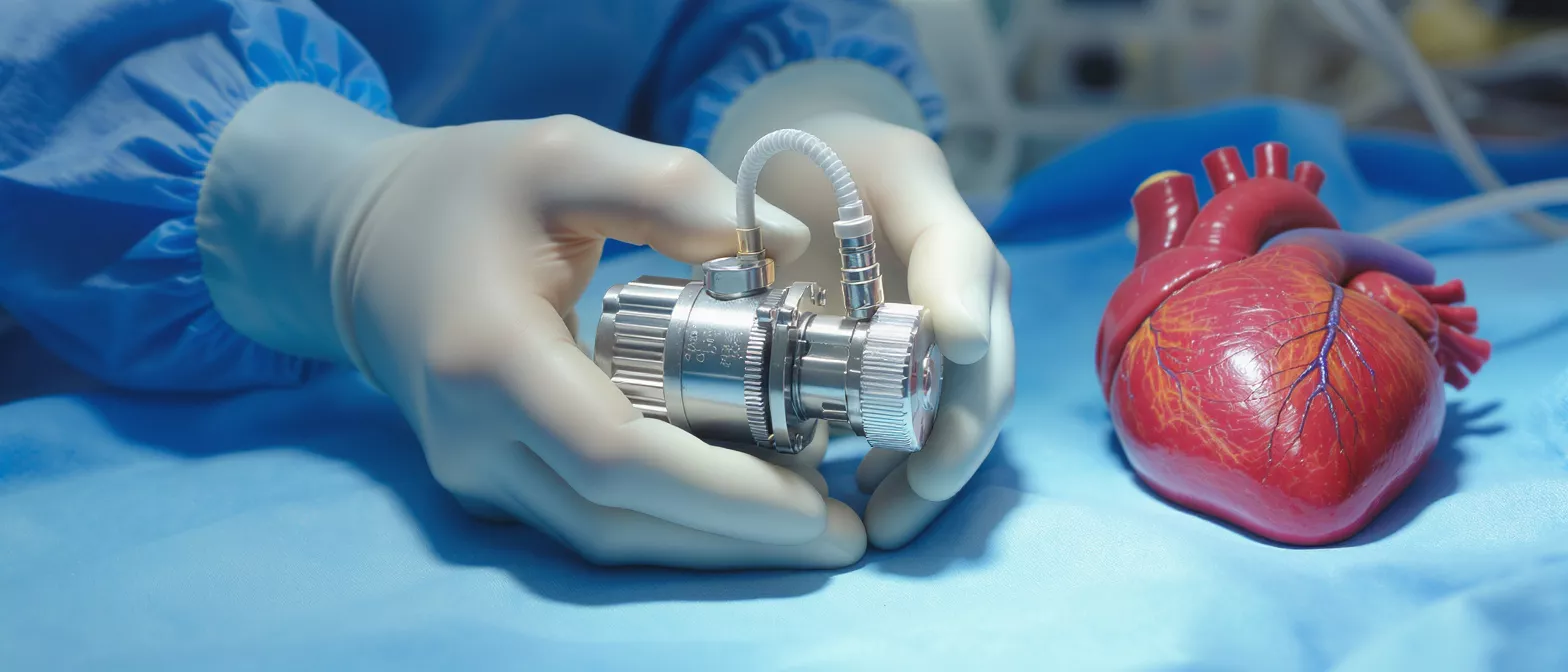
Ventricular Assist Device
Learn how a ventricular assist device supports the heart, who needs one, and what to expect during recovery.
What is a Ventricular Assist Device?
A ventricular assist device is a mechanical pump surgically implanted to help a weakened heart pump blood throughout the body. For patients facing severe heart failure, this mechanical circulatory support technology serves as a critical lifeline. When the heart's natural pumping action is too weak to supply adequate blood and oxygen to the organs, the device effectively takes over a significant portion of that workload, restoring healthy circulation and improving the patient's quality of life.
Understanding mechanical circulatory support: Mechanical circulatory support refers to a broad category of machines and pumps designed to assist or replace the pumping function of a failing heart. The ventricular assist device operates by drawing blood from the ventricle—the lower chamber of the heart—and continuously propelling it into the aorta, which then distributes the oxygen-rich blood to the rest of the body. This ensures vital organs receive the steady blood flow they require to function properly, giving the native heart muscle a chance to rest and recover.
Patients and their families often feel overwhelmed when first introduced to this technology, but understanding its purpose can ease much of that anxiety. By bridging the gap between severe heart failure and recovery or transplant, a high-performance mechanical heart pump offers a renewed chance at life. Dr Alejandro Molina and the team at Cirugía de Corazón carefully evaluate each patient to determine if this intervention is the right clinical choice for their specific cardiac condition.
How Does VAD Heart Support Work?
VAD heart support operates using an external controller and an internal pump connected by a thin electrical cable. The pump itself is implanted in the chest, where it actively takes over the heavy lifting required to move blood from the heart to the body. Modern systems are designed to run quietly and efficiently, mimicking the continuous, steady flow of a healthy cardiovascular system rather than beating like a natural heart.
The mechanics of continuous flow: Most contemporary heart assist devices use a rotary pump mechanism. These devices generate a continuous flow of blood, which means patients may not have a traditional, strong pulse in their wrists or necks. This continuous flow system is highly reliable, using magnetic or hydrodynamic forces to suspend a small internal rotor, allowing it to spin thousands of times per minute without wearing down mechanical parts over time.
Powering the device requires careful attention to battery management and equipment care. Patients are trained to manage their power sources, carrying extra batteries and a controller at all times. Because the device is so vital to sustaining life, proper maintenance of the external components is essential, allowing patients to safely return home and resume many of their normal daily activities with confidence.
Who Needs an LVAD Implant?
An LVAD implant is primarily indicated for individuals experiencing advanced heart failure when traditional medications and pacing therapies are no longer sufficient. The left ventricle is the main pumping chamber responsible for sending oxygenated blood to the entire body, and when it fails, patients suffer from debilitating fatigue, fluid retention, and shortness of breath. By taking over the pumping action of the left side of the heart, the implant dramatically relieves these severe symptoms.
Signs you might need advanced support: Patients typically considered for this procedure are those who struggle to perform basic daily tasks, such as walking short distances or climbing a single flight of stairs, without experiencing severe shortness of breath. If you or a loved one is frequently hospitalized for heart failure exacerbations or cannot maintain stable fluid balance despite optimal medical therapy, it may be time to discuss advanced therapies. Reaching out to a specialized heart failure support equipment provider is the first step in evaluating eligibility.
Cardiologists and cardiac surgeons perform thorough evaluations to determine candidacy, looking at heart function, lung health, and overall physical conditioning. The goal is to intervene before other major organs, such as the kidneys or liver, suffer irreversible damage from poor blood flow. Early evaluation by a multidisciplinary team significantly improves patient outcomes and overall quality of life following surgery.
LVAD vs RVAD vs Biventricular Assist Device
Understanding the difference between LVAD vs RVAD vs a biventricular assist device helps clarify how doctors target specific areas of the heart. An LVAD (Left Ventricular Assist Device) supports the left side of the heart, which is the most common type of implant. An RVAD (Right Ventricular Assist Device) is used to support the right side of the heart, which pumps blood into the lungs to collect oxygen, and is often used temporarily after complex surgeries.
Right vs. left heart support: Left-sided support is the standard of care for chronic heart failure, as the left ventricle is the most prone to weakening over time. Right-sided support is frequently utilized in acute scenarios where the right side of the heart temporarily fails due to surgical stress or other sudden conditions. A biventricular assist device (BiVAD) is utilized when both sides of the heart require simultaneous mechanical assistance to maintain adequate circulation.
- LVAD: Supports the left ventricle, pumping oxygen-rich blood to the entire body. Most commonly used for long-term heart failure management.
- RVAD: Supports the right ventricle, pumping blood to the lungs to gather oxygen. Often used for short-term or critical care situations.
- BiVAD: Supports both ventricles simultaneously, used in severe cases of biventricular heart failure.
Choosing the correct configuration is a highly specialized decision made by the surgical team based on echocardiograms, catheterization data, and the patient's clinical presentation. This tailored approach ensures that the mechanical assistance directly targets the failing chamber, optimizing recovery and preserving native heart function.
Understanding the VAD Implantation Procedure
The vad implantation procedure is a major cardiac surgery performed under general anesthesia by a highly skilled team of cardiothoracic surgeons. To safely access the heart, the surgeon makes an incision down the middle of the chest, dividing the sternum to reach the pericardium, which is the protective sac surrounding the heart. During the operation, a heart-lung machine temporarily takes over the job of circulating blood, allowing the surgeons to work on a still and bloodless field.
What happens during surgery: The surgical team creates a precise space within the chest wall or abdomen to house the mechanical pump. They then attach an inflow tube directly into the apex of the failing ventricle to draw blood into the device. An outflow graft is connected from the pump to the aorta, completing the new pathway for blood to flow out to the body. The driveline, which carries the electrical cable, is tunneled under the skin to exit the body, typically on the upper abdomen.
Recovery in the hospital begins immediately after the surgery in the intensive care unit. Here, the medical team closely monitors the pump's function, ensures bleeding is controlled, and manages the patient's pain. As the patient regains strength, they transition to a cardiac step-down unit where physical therapists help them safely begin walking and moving with their new device, laying the groundwork for a successful return home.
Heart Transplant Bridge Device vs Destination Therapy
A heart transplant bridge device is utilized when a patient is on the waiting list for a heart transplant but their condition is rapidly deteriorating. The mechanical pump keeps them alive and their organs healthy while they wait for a matching donor heart to become available. This application is known as "bridge to transplant" and represents a crucial, life-saving application for patients in end-stage heart failure.
Long-term destination therapy: Not every patient is a candidate for a heart transplant due to age or other underlying medical conditions. For these individuals, the device serves as "destination therapy," meaning the mechanical support is intended to remain in place permanently for the rest of their lives. In these cases, choosing a durable ventricular pump system is essential, as the technology must reliably support the patient's circulation for many years without the intention of explanting the device.
Both applications highlight the versatility and life-sustaining power of mechanical support. Whether buying time for a donor organ or serving as a permanent solution, the technology significantly extends survival and improves day-to-day well-being. Dr Alejandro Molina conducts thorough assessments to help patients understand which pathway aligns best with their long-term health goals.
VAD Recovery Time and Daily Living
Regarding vad recovery time, patients typically spend several weeks in the hospital following the implantation surgery. The first few days are strictly monitored in the intensive care unit, followed by a transition to a regular cardiac ward where the focus shifts to physical rehabilitation and education. Patients learn how to manage their external equipment, safely change batteries, and keep their driveline exit site clean and protected against infections.
Returning to normal activities: Once discharged, patients often experience a remarkable improvement in their strength and breathing compared to their pre-surgery state. While they must avoid heavy lifting, contact sports, and swimming, many patients can return to walking, light gardening, and even driving after receiving clearance from their medical team. The driveline dressing must be changed daily, which becomes a normal part of the morning routine for both the patient and their caregivers.
Long-term adjustment requires a dedicated support system at home. Family members are trained alongside the patient to recognize alarms, manage emergency equipment, and assist with the daily maintenance of the controller. With proper education and a solid support network, patients often return to a rich and fulfilling life, enjoying activities that their heart failure previously made impossible.
Ventricular Assist Device Complications
While mechanical support is highly effective, understanding potential ventricular assist device complications is essential for patients and caregivers. The most common risks are associated with the driveline, the cable that exits the skin, which can serve as a pathway for bacteria. Meticulous care of the exit site is the most effective way to prevent localized or systemic infections, requiring daily sterile dressing changes and strict hygiene.
Managing common risks: Another significant clinical concern is the risk of blood clots forming within the pump itself. Because the device is an artificial surface in contact with circulating blood, patients must take specific blood thinners, known as anticoagulants, to prevent clots from forming. This medication increases the risk of bleeding, so the medical team carefully monitors blood tests to maintain a delicate balance between preventing clots and avoiding excessive bleeding.
- Infection: Prevented through daily sterile dressing changes and careful hygiene at the driveline exit site.
- Bleeding: Managed by closely monitoring anticoagulation medication to ensure blood remains at a safe thinness.
- Neurological events: Risk of stroke is minimized through careful blood pressure management and strict adherence to prescribed blood thinners.
Other potential issues include device malfunctions or pump thrombosis, though modern engineering has made these increasingly rare. Patients are always provided with a backup controller and hand pump in case of a power failure or technical emergency. Continuous education and open communication with the specialized medical team ensure that any warning signs are caught and treated early, keeping patients safe at home.
Artificial Heart Pump Benefits
The artificial heart pump benefits are profound, offering a dramatic extension of life for patients with advanced heart failure. Before implantation, patients often experience debilitating fatigue, inability to walk without severe breathlessness, and frequent hospitalizations. Once the device is actively supporting circulation, patients experience a rapid return of energy and a significant reduction in fluid overload, allowing them to reclaim their daily independence.
Improved quality of life: Beyond simply extending survival, the goal of mechanical circulatory support is to restore a functional and enjoyable life. Patients frequently report being able to return to hobbies, travel, and social events that had been impossible due to their failing heart. By ensuring the brain, kidneys, and liver receive a steady, robust supply of oxygenated blood, the pump effectively reverses the systemic damage caused by chronic heart failure.
For family members, seeing a loved one regain their strength and vitality after years of steady decline is an immense relief. The psychological benefit of having a reliable, mechanical safeguard supporting their heart cannot be overstated. This transformation from a state of severe illness to active recovery is the central triumph of this advanced cardiac technology.
Conclusion on Mechanical Circulatory Support
In conclusion, a ventricular assist device represents one of the most significant advancements in modern cardiac surgery and heart failure management. Whether used as a bridge to a future heart transplant or as a permanent destination therapy, this mechanical pump effectively takes over the workload of a failing heart. It restores healthy blood flow, protects vital organs, and gives patients a renewed opportunity to experience life with energy and purpose.
Undergoing the surgery and adapting to the equipment requires dedication, patience, and a strong support system. However, the outcomes consistently demonstrate that the transition from severe heart failure to active recovery is entirely possible. By adhering to medical guidelines, managing the equipment properly, and maintaining open communication with their care team, patients can navigate the recovery process with confidence.
Dr Alejandro Molina and the team at Cirugía de Corazón review each case against international guidelines and explain the alternatives to patients considering this therapy. If you or a loved one is facing advanced heart failure, reach out for a thorough consultation to explore how this life-saving technology can offer a stronger, healthier future.






