

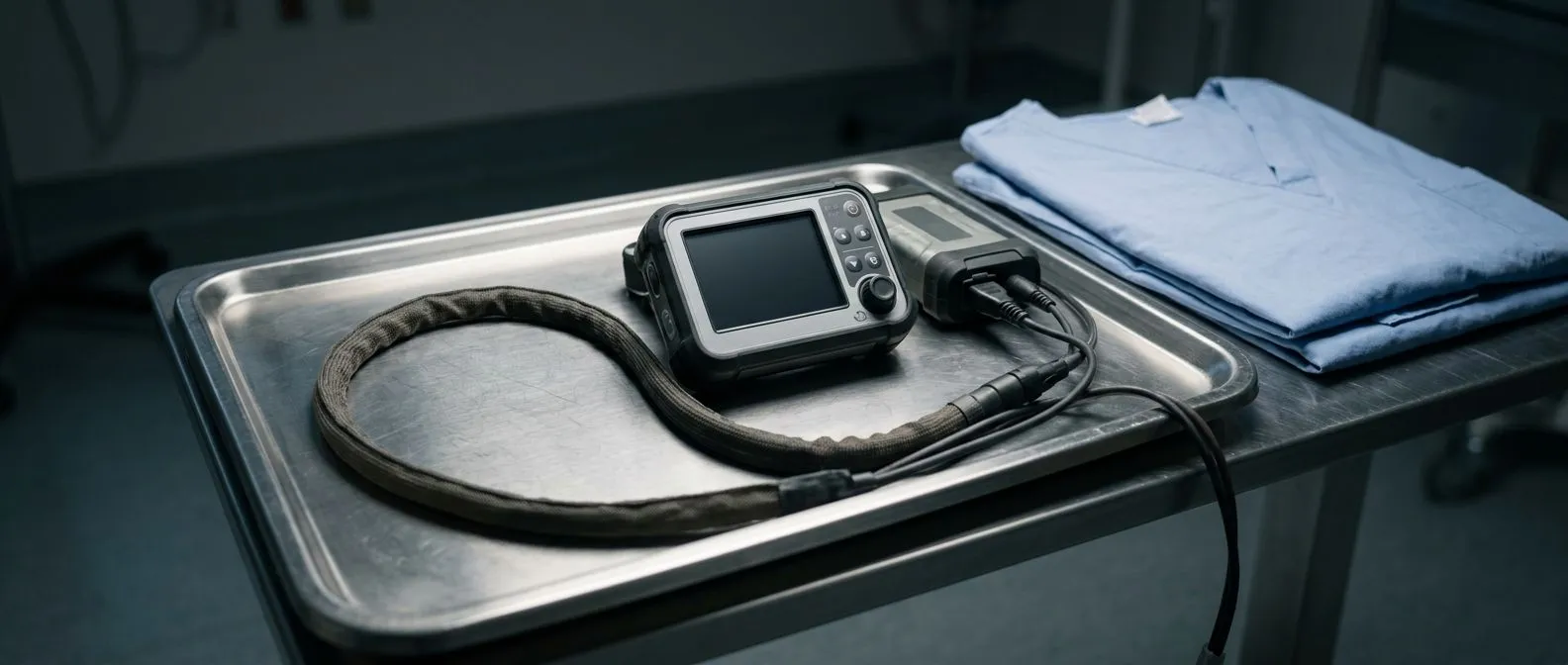
Bridge to Transplant: Devices That Support the Wait
Bridge to transplant devices keep patients stable while waiting for a heart transplant.
When a heart can no longer pump well enough to keep the body going, and a donor organ is still weeks or months away, doctors can call on machines that take over part of the heart's work. These are known in plain terms as bridge to transplant devices — pumps and support systems that keep a patient stable until a donor heart becomes available. This guide explains how bridge to transplant devices work, who they are for, what recovery looks like, and the honest risks and costs involved, so that patients and families can walk into that conversation prepared rather than frightened.
What Are Bridge to Transplant Devices?
A bridge to transplant device is any implanted or external technology that supports the circulation while a patient waits on the transplant list. The term is about purpose, not about one specific machine: the "bridge" is the period of waiting, and the device is what carries the patient across it. Without such support, many patients with advanced heart failure would not survive long enough to receive a donor heart.
Most of these systems are ventricular assist devices — pumps implanted next to the heart that help the left ventricle, the heart's main pumping chamber, push blood to the body. Others are temporary machines placed outside the body through catheters, used in crisis moments in the intensive care unit. In every case the goal is the same: enough blood flow to protect the kidneys, brain, liver and the rest of the body from the damage that severe heart failure causes.
Why the word "bridge" matters. The label signals intent. A device implanted as a bridge to transplant is planned around the expectation that a donor heart will come, and the support is meant to be temporary. The same technology can also be used as a permanent treatment for patients who cannot have a transplant — a use called destination therapy — and it can serve as a Bridge to Decision when the transplant team needs time to confirm whether a patient is a candidate. Knowing which purpose a device is being proposed for changes the whole conversation, so it is worth asking your team directly.
What Keeps Patients Alive While Waiting for a Heart Transplant?
The honest answer is: medications first, devices when medications are no longer enough. Many patients on the waiting list are managed for months with optimized drug therapy — medicines that help the heart pump, remove excess fluid, and protect the heart's rhythm. Some also receive an implantable defibrillator to guard against dangerous arrhythmias.
When drug therapy reaches its limit. In advanced heart failure the heart can deteriorate to the point where organs begin to fail: the kidneys struggle, the liver congests, and patients can no longer eat or walk without exhaustion. This is when mechanical circulatory support enters the picture. A machine that sustains the circulation is what keeps patients alive across the waiting period — sometimes for years — until a suitable donor heart is matched to them.
Choosing support that fits the situation. Not every patient needs the same level of help. Some need a temporary pump for days or a few weeks; others need a durable implanted pump for the long haul. The decision depends on how sick the patient is right now, how quickly the team expects a donor heart, and how well other organs are working. A calm, methodical review of those factors matters more than urgency alone.
How Ventricular Assist Devices Work as a Bridge to Transplant
A ventricular assist device, or VAD, does not replace the heart. It works alongside it. A pump is implanted at the apex of the left ventricle and connected to the aorta, the large artery that carries blood to the body. The pump takes blood that the weakened heart cannot move forward and pushes it into the aorta at the pressure the body needs. A thin cable, called the driveline, exits through the skin of the abdomen and connects the pump to a small external controller and batteries worn on a belt or shoulder strap.
What patients actually feel. With a well-functioning device, blood flow is restored to near-normal levels. The crushing fatigue and breathlessness of advanced heart failure ease markedly, appetite returns, and many patients go back to work, travel, and family life. Because the pump runs continuously, some patients have a soft, constant hum they stop noticing after a while.
When learning how ventricular assist devices work as a bridge to transplant, it can help to see the actual components — the pump, the controller, the batteries — because seeing them removes much of the fear. The device is a partnership: the pump does the heavy lifting, and the patient does the daily care that keeps it running safely.
The LVAD as bridge to transplant in practice. The durable left ventricular assist device (LVAD) is the most established pump for this purpose. It is implanted in open surgery, then managed long-term by a specialized team. When a donor heart finally becomes available, the LVAD is removed and the donor heart is transplanted in its place — the bridge completes itself.
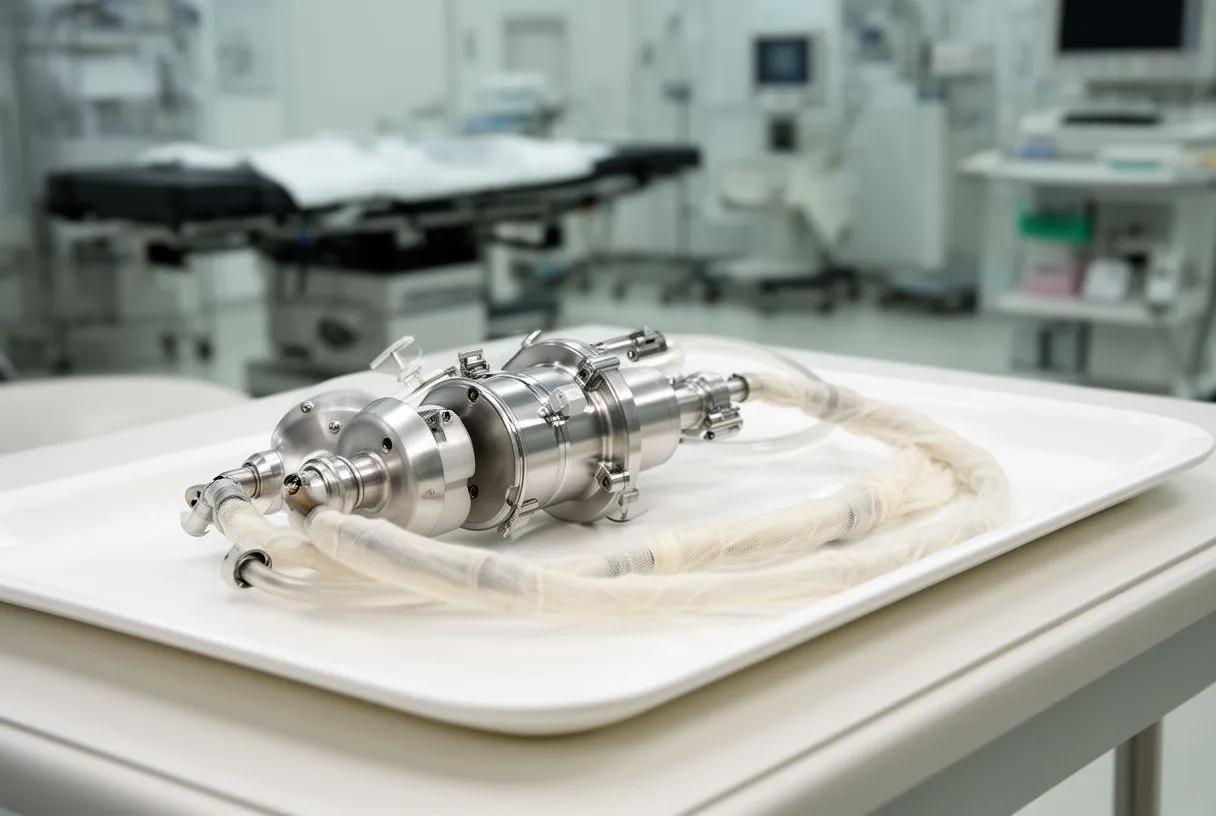
Types of Mechanical Circulatory Support
Mechanical circulatory support is the umbrella term for all of these technologies, and it is useful to know the main categories before comparing them. Each type answers a different clinical question: how urgent is the need, how long will support last, and how invasive can the implantation be?
- Durable LVADs: implanted pumps designed to run for years; the standard choice for a bridge to transplant when the wait is expected to be long, and also used as destination therapy.
- Temporary heart pumps: devices placed quickly through catheters or small incisions in emergency settings, supporting the heart for days to weeks while the team evaluates longer-term options.
- Total artificial heart: a device that replaces both pumping chambers entirely, reserved for a small group of patients with failure of both sides of the heart.
- ECMO (extracorporeal membrane oxygenation): an external machine that oxygenates blood outside the body, used in the most acute crises, usually in intensive care.
Understanding these categories also explains why a Bridge to Decision exists: when a patient arrives critically ill, the team may first place a temporary pump to stabilize them, and only then work out whether the durable LVAD, a transplant, or another path is right. The first device is not always the last one.
Temporary Heart Pump vs Durable LVAD: Which Is Used When?
The short answer. Temporary pumps buy time; durable pumps buy years. A temporary heart pump is the right tool when a patient is too unstable to wait for a careful decision — for example, during a sudden cardiac collapse or cardiogenic shock, when the heart abruptly cannot sustain the organs. These devices go in fast, sometimes at the bedside, and support the circulation while the team gathers information.
A durable LVAD, by contrast, is planned. It is considered when a patient needs long-term support, either as a bridge to transplant or as destination therapy, and it requires open surgery, an experienced implanting team, and lifelong follow-up. Choosing between them is not a matter of preference; it follows from the patient's condition and the realistic timeline to a donor heart.
How the choice is made. The decision weighs urgency, expected waiting time, kidney and liver function, the patient's own goals, and surgical risk. Every case is reviewed by the team against international guidelines before a recommendation is given, and the patient receives the alternatives, because the final decision is always theirs. That structured review is what turns a frightening situation into a plan.
Can one lead to the other? Yes, and this happens often. A patient stabilized on a temporary pump may go on to receive a durable LVAD, and the LVAD then becomes the bridge to transplant. In that sense the two technologies are not rivals but stages of the same strategy.
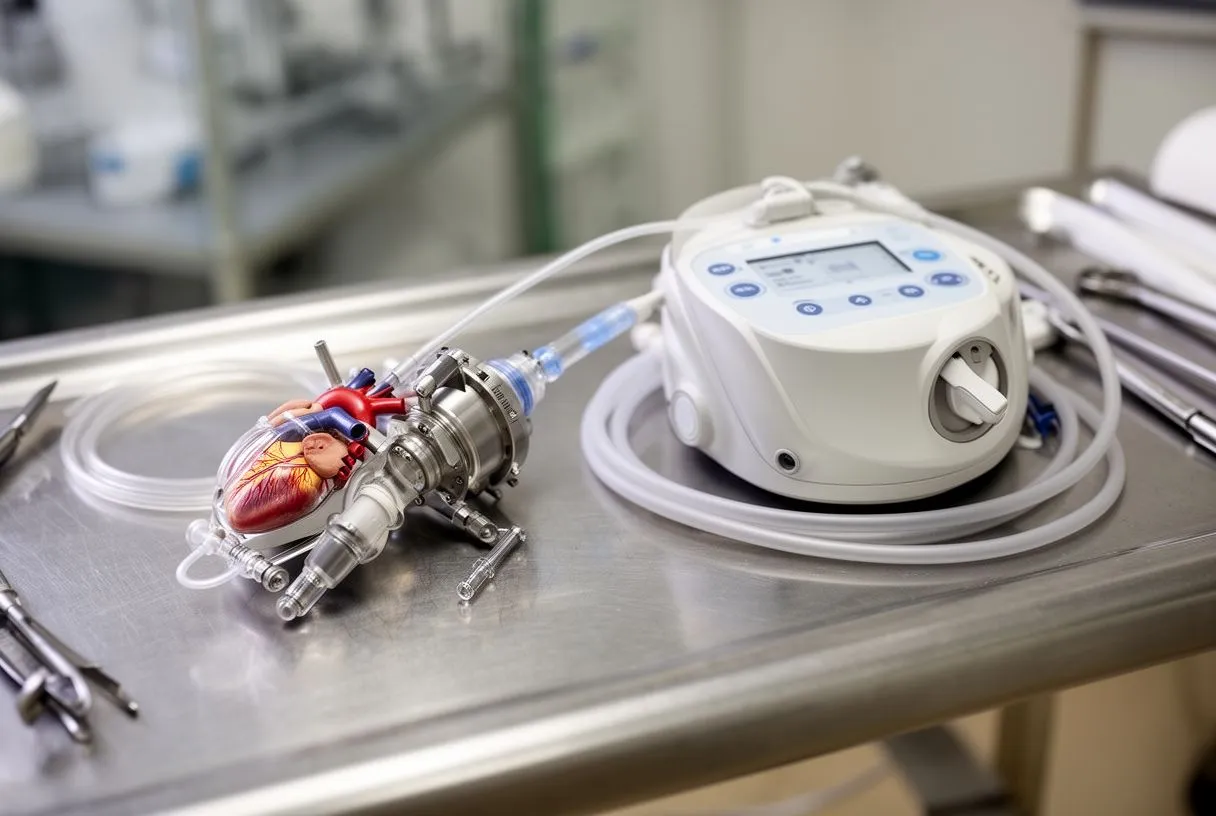
Bridge to Transplant Device Candidates: Who Qualifies?
Transplant eligibility comes first. Before a device is proposed as a bridge to transplant, the patient must be evaluated for heart transplantation itself — because the whole point of the bridge is that a donor heart is the destination. The transplant evaluation looks at heart function, other organs, lung pressures, age, infections, and social factors such as the support network at home. The results of that evaluation, not the device alone, shape who qualifies.
What makes a patient a candidate. Typically, candidates are patients with advanced heart failure whose symptoms persist despite optimal medical therapy, whose hearts cannot maintain adequate blood flow, and who are otherwise healthy enough to survive both the device surgery and a later transplant. Modern selection increasingly relies on clinical prediction models — statistical tools that combine patient variables to estimate risk and benefit — and the medical community has worked to make these models transparent and reliable through reporting standards such as the TRIPOD+AI statement for clinical prediction models. The practical meaning for patients: eligibility is judged on data and guidelines, not on a single doctor's impression.
When the answer is "not yet." Some patients are too unstable to tolerate durable pump surgery today, or have a reversible problem — a severe infection, a kidney injury from medications — that needs to settle first. In those cases the team may stabilize the patient with temporary support, treat the reversible issues, and revisit candidacy later. A "no for now" is often a bridge to a future "yes."
Bridge to Transplant Device Risks and Complications
Speaking plainly about the risks. Device implantation is major surgery, and the devices carry known complications. The most important are bleeding during and after surgery, infection — particularly around the driveline where the cable exits the skin — blood clots that can travel to the brain and cause stroke, and internal bleeding in the digestive tract. These risks are real, and they are managed, not eliminated.
How the risks are managed. Patients on these devices take blood thinners to reduce clotting, follow strict driveline care to prevent infection, and attend regular check-ups to catch problems early. Right-sided heart failure can also develop after a left-sided pump is placed, and the team monitors for that closely in the weeks after surgery. In our consultation we take the time to explain what the studies actually show about these complications, in plain words, and to answer every question before any decision is made.
Balancing risk against the alternative. For a patient with advanced heart failure, the honest comparison is not "device versus no risk." It is device versus continued deterioration of the heart and organs. The published evidence supports durable LVADs as a bridge to transplant for patients who would otherwise not survive the wait, and the risks must be weighed against that reality — as a thoughtful overview from Verywell Health on ventricular assist devices also emphasizes. The right question for your team is not "are there risks?" but "do the benefits outweigh them for my situation?"
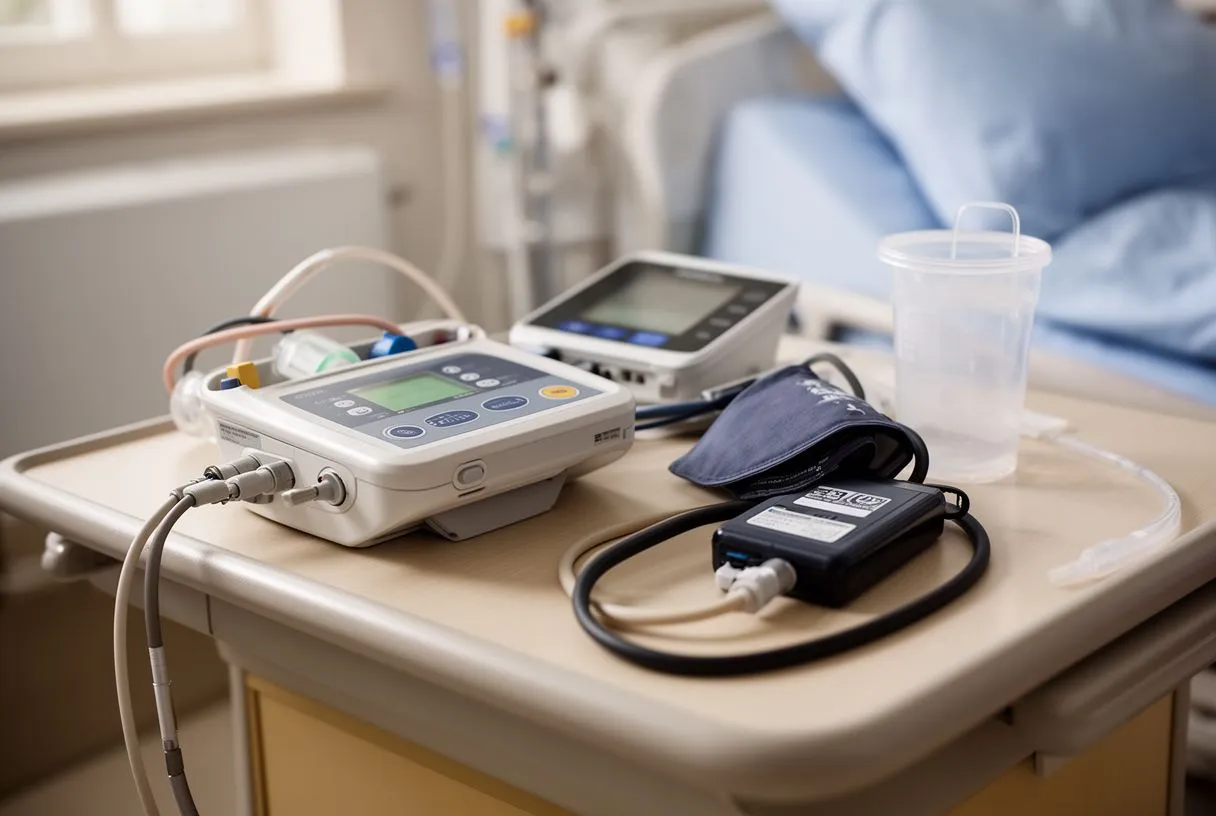
Bridge to Transplant Device Recovery and Monitoring at Home
The first weeks after surgery. Most patients spend some time in the intensive care unit, then a hospital step-down unit, and typically leave the hospital within two to three weeks when recovery goes as planned. The early weeks focus on healing the surgical wounds, learning driveline care, getting comfortable with the equipment, and building strength with gentle rehabilitation.
What daily monitoring looks like. Once home, patients check their device readings daily, watch the driveline site for any redness or discharge, and keep careful records of weight and blood pressure. Most programs schedule clinic visits regularly, and many use remote monitoring so the team can see device data from a distance. Families are trained too — on the equipment, on emergency procedures, and on when to call.
Life while you wait. Patients live at home, cook, walk, drive once cleared, and often return to work. Travel is possible with planning and backup equipment. Before the patient goes home, families usually work through a home-preparation checklist — equipment, electricity, backup supplies, and a contact to call — because a well-prepared home is the safest home. This period is demanding, but it is living, not merely waiting.
Recovery milestones to expect. Wounds typically close within weeks; stamina returns gradually over months. Patients who were bedridden before implantation often describe the difference as "getting my life back." The device does not cure the heart, but it removes the ceiling that heart failure had placed on daily life.
How much does an LVAD device cost? This is one of the most-searched questions, and the honest answer is that the total cost is substantial — the pump itself, the implantation surgery, the hospital stay, and lifelong follow-up and supplies all add up. Exact figures vary enormously by country, hospital, and insurance coverage, and quoting a single number would be misleading. What matters practically is that patients ask their insurance provider and their hospital's financial office early, in writing, so there are no surprises.
How long can a person live on LVAD? Modern durable LVADs are designed to run for years, and many patients have lived with them for long periods while waiting for a transplant. Some patients — those who cannot receive a transplant — use the same device as destination therapy, meaning it is intended as their long-term support, not a temporary one. Survival depends on the underlying condition, the patient's other organs, and how well the device is managed, so your team should give you an individualized outlook rather than a general statistic.
What is the average life expectancy of a heart transplant patient? For patients who reach a transplant, survival has improved steadily over decades, and many transplant recipients live well beyond a decade after their surgery. Outcomes are best when the patient arrives at transplant in reasonable condition — which is precisely what a bridge to transplant device is designed to protect.
Practical questions to ask your team. Costs, coverage, travel, and the length of the wait deserve direct, early answers. In our first contact — a free video consultation — we get to know the patient, talk through the condition, and say which studies are still needed so no unnecessary ones are ordered, and we encourage second opinions as a normal part of deciding about heart surgery. Asking about money is not awkward; it is part of good planning.
Lifestyle Changes on a Bridge to Transplant Device
Daily routines become part of treatment. Living with a bridge to transplant device means adopting a set of consistent habits: daily driveline care and dressing changes, taking blood thinners exactly as prescribed, charging batteries, keeping the controller dry, and avoiding swimming while the driveline is in place. These routines are not optional extras — they are the main way patients prevent the most common complications.
What most patients can still do. The list is longer than people expect. Most patients walk, cook, travel by car, work, attend family events, and exercise within the limits their team sets. Infection prevention and equipment care are the real constraints, not the device itself.
- Guard the driveline: keep the exit site clean and dry, and report any redness or drainage immediately — driveline infection is the complication most within your own control.
- Prepare for power: always carry spare batteries, know your home's power backup plan, and keep the controller connected to a reliable source at night.
- Move every day: gentle, consistent activity speeds recovery and preserves muscle strength ahead of the transplant operation.
- Keep your record: log weight, device readings, and symptoms; a well-kept record helps your team catch problems early.
Children and family life. Families often ask whether patients can have children after a heart transplant — pregnancy after transplant is possible for some patients, but it requires careful planning with both the transplant and obstetric teams, and should be discussed well in advance. Another question people ask about memory — whether transplant patients have memories from their donors — is a popular idea without scientific support; heart transplantation does not transfer memories. These are the kinds of questions worth raising directly with a transplant team rather than absorbing from films and stories.
Where to start if this is your situation. If you or a family member is facing advanced heart failure and a possible long wait for a donor heart, the best next step is a focused conversation with a qualified cardiac team — not self-diagnosis or waiting for a crisis. We are a multidisciplinary team of cardiac surgeons led by Dr Alejandro Molina, with consulting rooms in Guadalajara, Querétaro and Hermosillo, and we start every new patient with a free video consultation before any face-to-face visit is needed. Bring your questions, your studies, and your family; a clear plan is the best bridge of all.






