

Your Cardiovascular Anaesthetist: Role in Heart Surgery
Cardiovascular anaesthetist role explained: what this specialist does before, during and after heart surgery to protect your heart, lungs and brain.
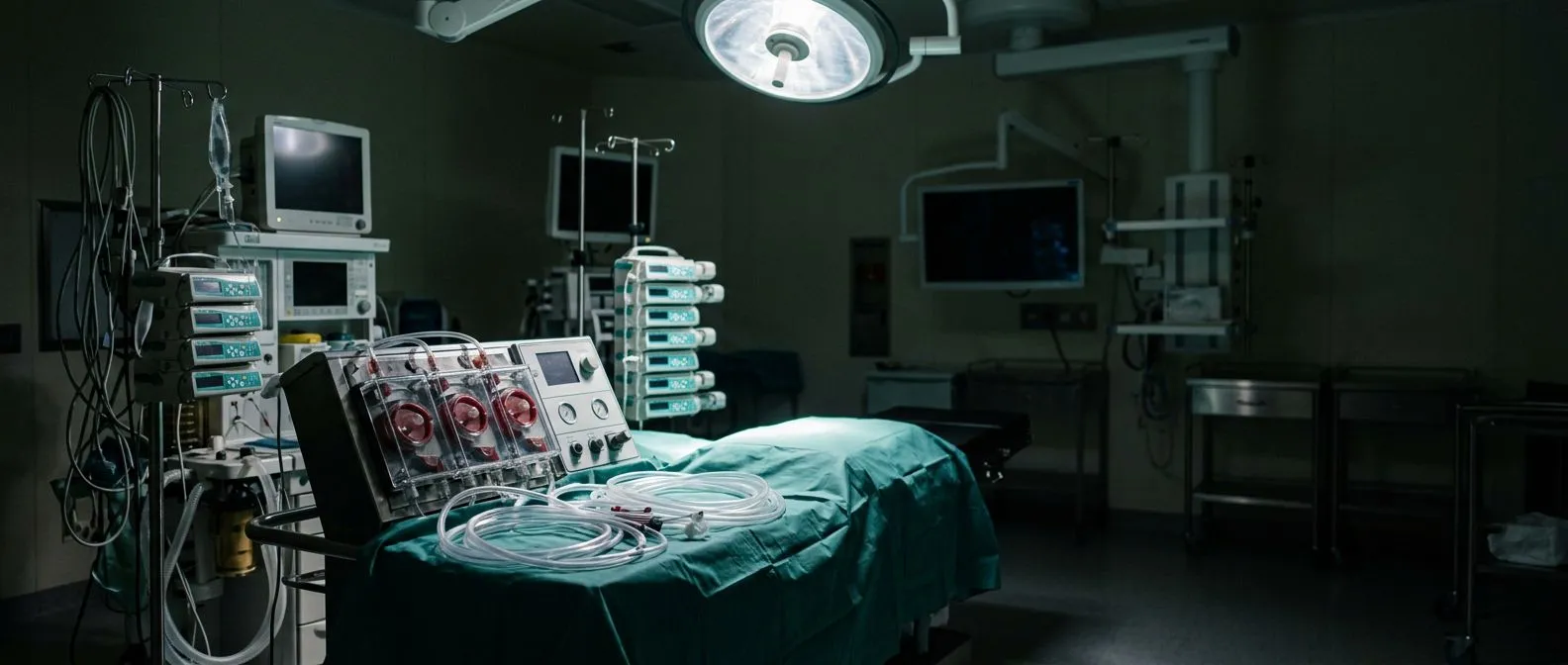
When a family first hears that a loved one needs heart surgery, the surgeon usually takes centre stage in their mind. Yet behind every successful cardiac operation stands a specialist most patients never meet: the cardiovascular anaesthetist role is to keep the heart, lungs and brain safe while the surgeon works. In this guide we explain what this specialist actually does before, during and after heart surgery, how their training differs from that of a general anaesthetist, and what you as a patient or family member should expect at each stage.
What Is a Cardiovascular Anaesthetist?
Definition in plain language. A cardiovascular anaesthetist is a fully qualified doctor of anaesthesia who has done additional specialist training in caring for patients undergoing heart and chest operations. During heart surgery, the anaesthetist does far more than "put you to sleep." They manage the heart rhythm, blood pressure, lung function, temperature, clotting and brain protection while the surgical team operates on the very organ that keeps everything else alive.
Why the speciality exists. Operating on a beating or stopped heart is one of the most physiological demanding situations in medicine. Conditions such as aortic dissection, a true cardiovascular emergency, require the anaesthetist to control blood pressure minute by minute so the weakened vessel does not tear further while the Cardiovascular Surgeon repairs it. General anaesthesia training alone does not cover the depth of this knowledge, which is why dedicated cardiothoracic anaesthesia fellowships exist around the world.
Where you will meet one. If your treatment plan includes Cardiovascular Surgery — a valve replacement, a coronary bypass, a repair of the aorta or a transcatheter procedure — a specialist in this field will be present. The cardiovascular anaesthetist works alongside the cardiac surgical team, and the case is planned before the first incision. The anaesthetic plan is normally reviewed alongside the surgical plan before the operation.
What Does a Cardiac Anaesthetist Do?
Before surgery. The cardiac anaesthetist during surgery begins working long before the operating room lights come on. In the preoperative assessment they review your echocardiogram (an ultrasound of the heart), your coronary angiography images, your lung function and your medication list. They look for issues that change the anaesthetic plan: a stiff or leaking valve, poor heart muscle function, previous strokes, difficult airway anatomy, or blood-thinning medicines that need careful timing.
During surgery. Once you are asleep, the anaesthetist places monitoring lines — an arterial line in the wrist to measure blood pressure beat by beat, a central line near the heart to give medicines, and often a tube into the windpipe to control breathing. When the operation uses a heart-lung machine (cardiopulmonary bypass), the anaesthetist works with the perfusionist who runs that machine, adjusting drugs and fluids to keep the brain and kidneys protected. Heart disease remains the leading cause of death worldwide, as documented in the Global Burden of Cardiovascular Diseases study, which is why these safety systems are held to such high standards.
After surgery. The anaesthetist hands over care in the intensive care unit with a detailed report: which drugs were used, how the heart responded, what pain control is in place, and what warning signs to watch overnight. That handover matters: the ICU nurses and the family should have a clear picture of what happened in theatre.
How Long Does It Take to Become a Cardiovascular Anaesthetist?
The training pathway. Many people ask how long it takes to become a cardiovascular anaesthetist because they want to know who is looking after them. The route is long by design: first a medical degree, then several years of residency in anaesthesiology, and then additional fellowship-level training in cardiothoracic anaesthesia. In total it commonly takes well over a decade of study and supervised practice before a physician independently manages cardiac cases.
What the extra training covers. Cardiac anaesthesia training goes deep into the physiology of the heart-lung machine, transoesophageal echocardiography (an ultrasound probe passed down the oesophagus that gives real-time pictures of the heart during surgery), and the management of catastrophic events such as sudden bleeding or dangerous rhythm changes. It also covers newer territories: sedation for structural heart procedures performed through the groin, where the patient may be lightly sedated rather than fully unconscious.
Why this matters to you as a patient. When you are choosing where to have heart surgery, the anaesthetic team is as important as the surgical team. I trained in cardiac, minimally invasive, robotic and structural surgery at the University of Montreal and in structural cardiology and TAVR at CHU Bordeaux, and I can say from those years that the best outcomes come when surgeon and anaesthetist have trained together and trust each other's judgement. Do not hesitate to ask any hospital who their anaesthetic team is and what cardiac experience they hold.
Preoperative Cardiac Anaesthesia Assessment
What gets reviewed. The preoperative cardiac anaesthesia assessment is a structured review of your risk. It typically includes your heart function measurements, exercise capacity, lung function, kidney function, blood counts and clotting profile, plus a physical airway examination. Many centres calculate a risk score such as EuroSCORE II, which combines factors like age, poor heart muscle function, urgent surgery and previous operations to estimate the risk of the planned procedure.
How the assessment shapes the plan. Findings from this assessment directly change what happens in the operating room. A patient with severely reduced lung function may be planned for an off-pump or less invasive technique to shorten recovery. A patient on strong blood thinners may need a bridge plan with shorter-acting medicines. Someone with aortic valve stenosis — a stiffened valve — needs very careful blood pressure control during induction of anaesthesia, because that valve leaves little margin for error.
Our approach to the assessment. Our team reviews every case against international practice guidelines before a recommendation is given, and the patient receives a clear proposal with the alternatives — including which studies are genuinely needed so no unnecessary ones are ordered. The first contact is a free video consultation where we get to know the patient, talk through the condition, and identify exactly which tests are still outstanding. That conversation is also where the anaesthetic risks of your specific procedure are explained in plain words.
Cardiovascular Anaesthetist vs Regular Anaesthetist
The core difference. The cardiovascular anaesthetist vs regular anaesthetist question comes up often, and the distinction is straightforward: both are fully trained anaesthesia doctors, but the cardiovascular specialist has extra training and day-to-day experience in patients with serious heart disease. That experience matters because heart patients respond differently to anaesthetic drugs — their blood pressure can swing dramatically, their rhythm can change without warning, and their heart muscle may be too weak to tolerate usual doses.
Equipment and skills. A cardiac anaesthetic team routinely uses tools a general operating room may only see occasionally: transoesophageal echocardiography interpreted in real time, dedicated cardiac drugs such as inotropes (medicines that strengthen heart contraction) and vasoactive drugs (medicines that tighten or relax blood vessels), and detailed management of cardiopulmonary bypass physiology. They are also fluent in the degenerative processes that weaken heart valves and vessels, which are driven in part by enzymes known as matrix metalloproteinases — a topic reviewed in depth in the International Journal of Molecular Sciences.
Practical takeaway. For a routine non-cardiac operation, a general anaesthetist is entirely appropriate. For open-heart surgery, valve procedures, aortic repairs or complex structural interventions, you want a team that performs these cases regularly. When we plan a case at our consulting rooms in Guadalajara, Querétaro or Hermosillo, the anaesthetic plan is matched to the specific procedure and the specific patient — never a one-size-fits-all template.
Anaesthetist Heart Bypass Surgery: What Happens During the Operation
The morning of surgery. In anaesthetist-managed heart bypass surgery — coronary artery bypass grafting, where healthy vessels are used to route blood around blocked coronary arteries — the day starts with final checks, then intravenous lines and monitoring are placed, sometimes with mild sedation so line placement is comfortable. The anaesthetist then induces sleep, protects the airway with a breathing tube, and stabilises the circulation before the surgeon makes the first incision.
On bypass. When the heart-lung machine takes over, the anaesthetist's job shifts to fine control: managing blood thinning with heparin and reversing it at the end with protamine, keeping potassium and calcium balanced, protecting the heart muscle with cardioplegia (a special solution that stops the heart safely), and watching for problems like air emboli or inflammatory responses to the circuit. The surgeon and anaesthetist continuously cross-check decisions — that constant dialogue, not any single drug, is a key safety mechanism of a bypass case.
Coming off bypass. Separating the heart from the machine is a carefully staged process. The anaesthetist adjusts filling pressures, supports the heart with medicines if needed, and confirms with ultrasound that the valves and ventricle are working well before the chest is closed. We also encourage patients to seek second opinions and treat that as a normal part of deciding about heart surgery — the bypass decision should never feel rushed.
Heart Valve Surgery Anaesthesia and Sedation Options
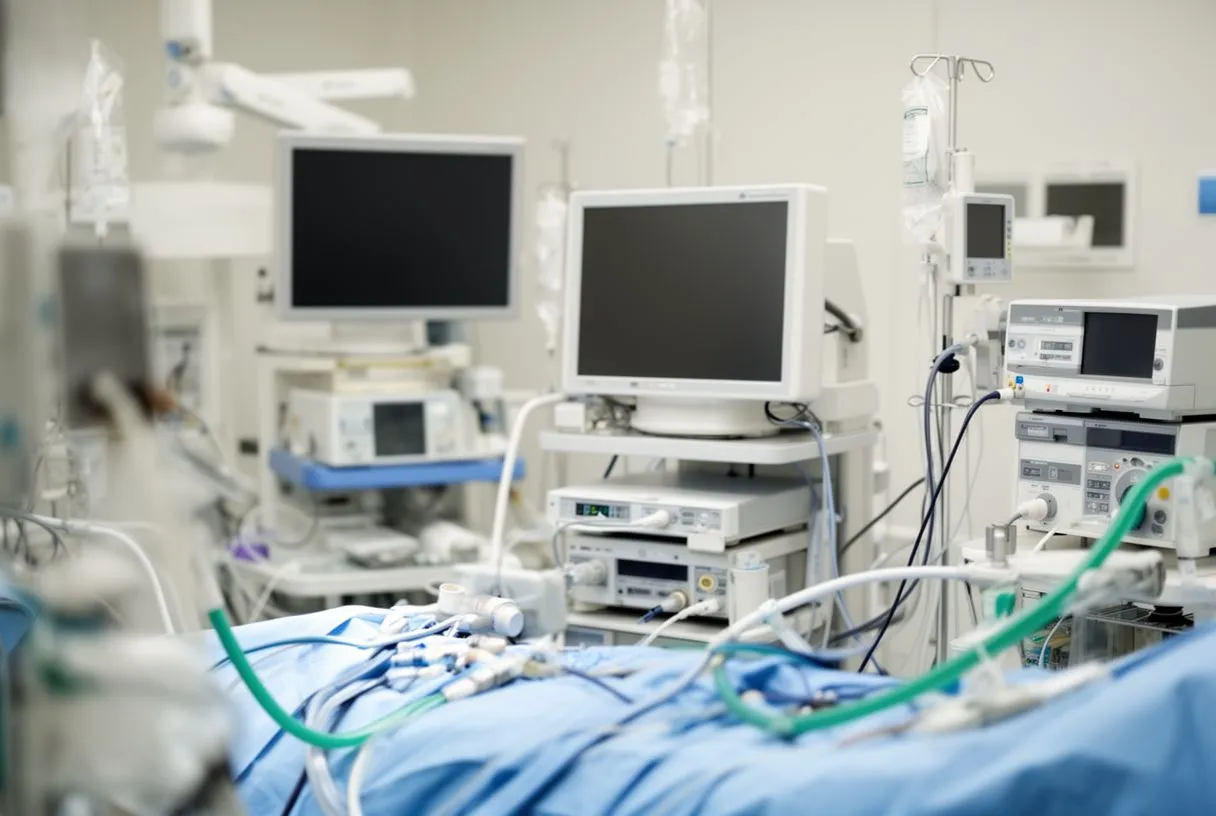
Open valve surgery. Heart valve surgery anaesthesia follows the same broad pattern as bypass: full general anaesthesia, central and arterial monitoring, transoesophageal echocardiography, and usually the heart-lung machine. The echocardiogram is particularly important here — after the surgeon repairs or replaces the mitral or aortic valve, the anaesthetist performs a detailed ultrasound check before the chest is closed, confirming the new valve leaks no more than it should.
Minimally invasive and robotic approaches. For smaller incisions or robotic techniques, the anaesthetist may additionally manage single-lung ventilation (breathing one lung at a time to give the surgeon room), which requires specific skills in lung isolation. Our team performs conventional, minimally invasive, robotic and transcatheter procedures, and Dr Molina performed the first robotic mitral valve repair in the Ángeles Health System and the first robotic heart surgery in Guadalajara — and in each of these approaches the anaesthetic plan is built around the technique. We recommend the less invasive route only where the evidence supports it for that individual patient.
TAVR anaesthesia. Transcatheter aortic valve replacement, known as TAVR, replaces the aortic valve through a tube passed from an artery in the groin, without opening the chest. TAVR anaesthesia ranges from light sedation to general anaesthesia depending on the patient and the centre's protocol, and the anaesthetist must be ready to support the circulation during rapid pacing phases when the new valve is deployed. Deciding between surgery and TAVR follows international guideline thresholds, including an aortic diameter and valve assessments reviewed case by case.
Cardiac Catheterization Sedation and Pacemaker Surgery Anaesthetist Care
Diagnostic catheterization. Cardiac catheterization sedation is deliberately light: most patients are relaxed but responsive, because they may be asked to breathe deeply or hold still briefly. A thin tube is guided through an artery in the wrist or groin to the heart to take pressure measurements and dye pictures of the coronary arteries. The anaesthetist or proceduralist monitors oxygen, comfort and blood pressure throughout, keeping the doses low on purpose.
Structural procedures. More complex catheter-based procedures — TAVR, mitral clip repair, closure of holes in the heart — need deeper monitoring because the heart is deliberately stressed at moments during the procedure. Rapid pacing, where the heart is temporarily sped up with a wire, requires the anaesthetist to be ready to restore stability instantly. This is where a cardiovascular anaesthetist adds real value even though the procedure is not an open operation.
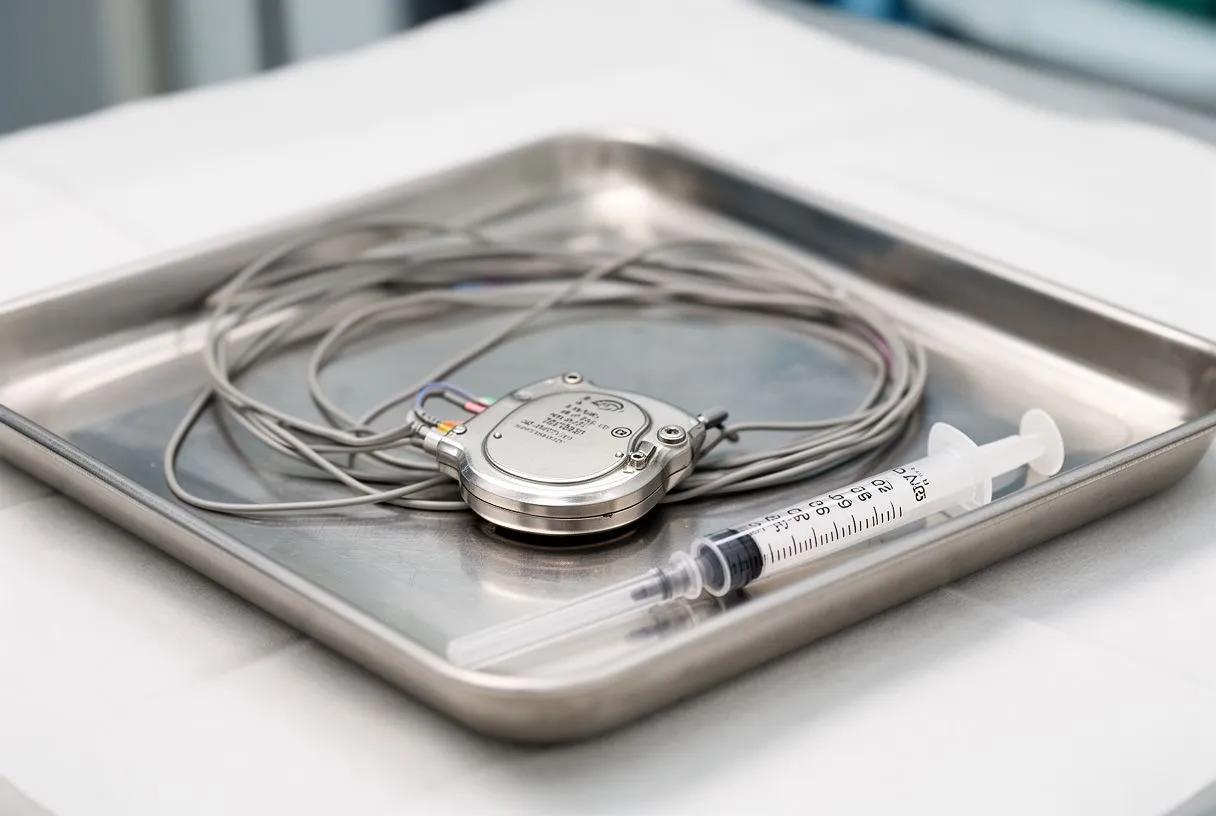
Pacemaker and device implants. Pacemaker surgery anaesthetist care varies with the patient: many implants are done with local anaesthetic and light sedation, while some patients — particularly those with severe valve disease or very weak hearts — benefit from a cardiac anaesthetist's oversight. The same applies to implanted defibrillators. Our multidisciplinary team reviews each device case individually, and the final decision about the level of sedation is always the patient's, explained clearly with the alternatives. Anaesthesia today is statistically very safe overall, as Healthline notes in its general patient information on anaesthesia risks.
Cardiac Surgery Pain Management Specialist: Recovery and Comfort
Why pain control after heart surgery matters. A cardiac surgery pain management specialist designs the plan that keeps you comfortable enough to breathe deeply, cough and walk — the three things that protect your lungs after chest surgery. Poorly controlled pain slows recovery, whereas a well-designed plan often uses a combination of approaches rather than relying on strong opioid medicines alone.
Common techniques. Many cardiac centres now use regional blocks — injections that numb specific nerves of the chest wall — alongside scheduled paracetamol, anti-inflammatory medicines when appropriate, and opioids reserved for breakthrough pain. Some of the techniques include:
- Breathing exercises: an incentive spirometer and deep-breathing routines, prescribed and coached so pain never stops you clearing your lungs.
- Regional nerve blocks: chest-wall numbing injections placed either before or after surgery that can reduce opioid needs for days.
- Early mobilisation: sitting up and short walks within the first day or two, which reduces complications and shortens hospital stay.
What recovery realistically looks like. Most patients leave hospital within roughly a week after open heart surgery, though sternal (breastbone) healing takes six to eight weeks and energy returns gradually over months. Cardiac rehabilitation programmes — supervised exercise and education — measurably improve recovery, and your anaesthetic and surgical team should tell you when it is safe to start. In our consultations we take the time to explain what the studies actually show, in plain words, and to map out the recovery milestones week by week before any decision is made.
Find a Cardiovascular Anaesthetist: Questions to Ask Your Team
Why patients ask this. Searching for how to find a cardiovascular anaesthetist in Guadalajara, or wherever you live, usually means one thing: you want to be sure the whole team looking after your heart is properly qualified. The good news is that reputable cardiac centres build anaesthetic expertise into the service automatically — your job is to ask the right questions and listen for clear, specific answers.
Questions worth asking. Bring these to your consultation and expect straightforward, unhurried answers:
- Experience: How many of this exact procedure does the anaesthetic team perform each year, and who specifically will care for me?
- Monitoring plan: Will transoesophageal echocardiography be used, and what blood pressure and rhythm monitoring is planned?
- Pain plan: What is the pain control strategy, and will a regional block be offered?
- Backup and escalation: What intensive care support is available, and what happens if something unexpected occurs during surgery?
A word on decision-making. We encourage second opinions as a normal part of deciding about heart surgery, and in our video consultation we get to know the patient, talk through the condition, and say exactly which studies are still needed — no unnecessary tests, and the final decision is always the patient's. Dr Molina and our multidisciplinary team of cardiac surgeons practise from Guadalajara, Querétaro and Hermosillo, covering valve disease, coronary disease, the aorta and structural heart conditions.
In summary. The cardiovascular anaesthetist role is the invisible architecture of every safe heart operation: assessment before surgery, minute-by-minute physiological control during it, and pain and recovery planning after it. Understanding what this specialist does helps you judge the quality of the team in front of you, ask sharper questions, and make a calmer decision. If you or a family member are facing valve surgery, bypass surgery, aortic repair or a transcatheter procedure, discuss your specific situation with a qualified cardiac team — and book a consultation rather than trying to self-diagnose. The right team will welcome every question you bring.






