

Cardiovascular Anaesthetist
Discover a cardiovascular anaesthetist’s role in heart surgery in Guadalajara, including patient safety, monitoring, and techniques.
What Is a Cardiovascular Anaesthetist?
A cardiovascular anaesthetist is a highly specialised doctor who focuses entirely on managing anaesthesia for patients undergoing heart and blood vessel surgeries. Unlike a general anaesthetist who handles a wide variety of routine operations, this specialist has undergone rigorous additional training focused specifically on the unique physiological challenges of operating on a beating or stopped heart. When you or a loved one faces cardiac surgery, this physician becomes your primary advocate and guardian in the operating room.
What does a cardiac anaesthesiologist do differently? A standard anaesthetist manages unconsciousness and pain for relatively healthy patients. However, a cardiovascular specialist must constantly balance anaesthesia depth with the extreme stresses of major thoracic surgery. They carefully manage blood pressure, heart rate, and lung function while the surgeon repairs valves, bypasses arteries, or fixes structural defects. Their expertise ensures your heart continues to tolerate the physical stress of the operation.
Understanding this role helps reduce the fear of the unknown. From the moment you are wheeled into the operating suite until you wake up safely in recovery, this doctor stays at your bedside. They watch over every heartbeat and breath, making rapid, microscopic adjustments to your medications to keep your body perfectly stable while the surgeon works on your heart.
Why Is a Cardiac Anaesthesia Specialist Critical for Heart Surgery?
Heart surgery places the body under immense physiological strain. Because the surgical team often needs to temporarily stop the heart to operate on it safely, your anaesthetist must take over the function of the heart and lungs. This requires an intricate understanding of both advanced pharmacology and circulatory support technology. General anaesthesia alone is not enough; the doctor must actively manage your entire circulatory system.
Why is a dedicated anaesthesia in cardiovascular surgery team necessary? Heart operations require precise control over your blood pressure and oxygen delivery. If blood pressure drops too low, other organs could suffer damage. If the heart muscle becomes unstable, dangerous arrhythmias can occur. The cardiovascular anaesthetist uses a complex array of medications to manipulate these vital signs in real-time, protecting your brain, kidneys, and heart muscle throughout the procedure.
During your time in the operating room, this specialist serves as the primary communicator between the surgeon, the perfusionist running the heart-lung machine, and the nursing team. They translate the surgeon's physical maneuvers into pharmacological actions. When the surgeon places a clamp on a major blood vessel, the anaesthetist instantly adjusts medications to prevent a dangerous spike in blood pressure.
How Does an Anaesthetist for Heart Surgery Prepare You?
Preparation begins long before you enter the operating room. A heart surgery anaesthetist usually meets with you in a preoperative clinic or the day before your surgery. They perform a thorough assessment of your medical history, focusing on previous anaesthetics, allergies, and your baseline heart and lung function. This evaluation helps them build a personalised plan for your specific surgical needs.
What tests do cardiovascular anaesthesia specialists review before surgery? They carefully examine your echocardiograms, angiograms, and blood work to understand the exact nature of your heart disease. Knowing whether you have weak heart muscle, leaky valves, or blocked arteries dictates which medications will be safest for you. They also assess your airway and veins to ensure they can place the necessary intravenous lines smoothly on the day of surgery.
This preoperative meeting is the perfect time to voice your fears and ask questions. The anaesthetist will explain exactly how you will be put to sleep and how your pain will be managed immediately after you wake up. They aim to build trust, ensuring you feel confident that a dedicated expert has planned every detail of your anaesthetic care before a single medication is given.
What Cardiovascular Anaesthesia Techniques Are Used During Surgery?
Cardiac anaesthesia management relies on a combination of powerful intravenous medications and inhaled gases. The anaesthetist typically uses a technique called balanced anaesthesia, which means combining small doses of several different drugs rather than a large dose of one. This approach ensures you remain deeply unconscious, completely pain-free, and unaware of your surroundings while minimising stress on your heart.
How do cardiovascular anaesthesia techniques protect the heart? The specialist uses specific medications that keep the heart muscle relaxed and oxygen-rich. By carefully regulating the depth of anaesthesia, they prevent the release of stress hormones that could cause arteries to spasm. The goal is to maintain a calm, stable environment for the heart so the surgeon can work with precision without fighting the body's natural responses.
As the surgery concludes, the anaesthetist begins the delicate process of waking you up. They reverse the paralyzing medications and reduce the anaesthetic gases. This process requires a steady hand because waking up too quickly can cause a dangerous spike in blood pressure, while waking too slowly delays your breathing. The entire technique is carefully choreographed to align perfectly with the surgeon closing your chest.
How Does Cardiac Anaesthesia Monitoring Keep You Safe?
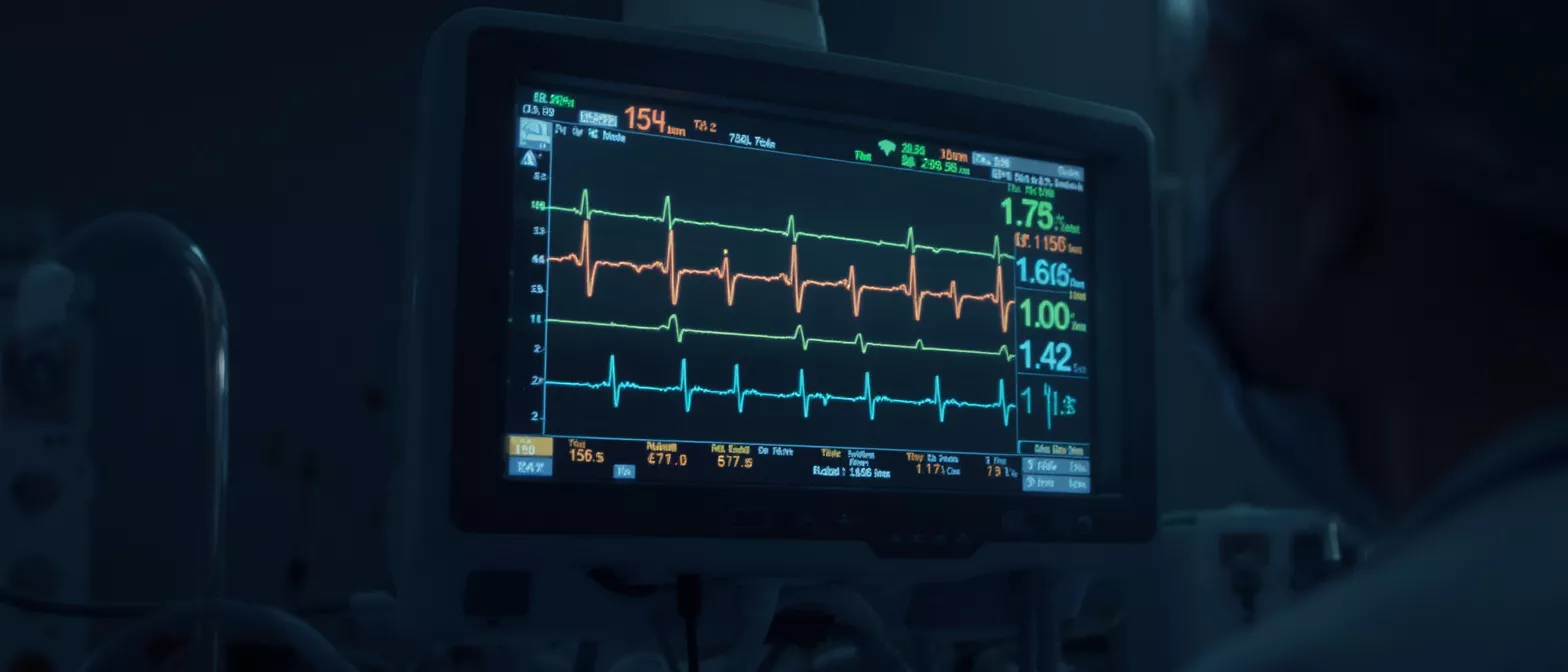
Safety in cardiac surgery relies on continuous, high-level monitoring. A cardiovascular anaesthetist does not just watch a basic heart rate screen; they use advanced tools that provide real-time data on your heart's pumping ability and blood flow. This constant stream of information allows them to detect and correct minor changes before they become major problems.
When you arrive in the operating room, the team attaches many specialised sensors. These monitors are far more complex than those used in standard operations and require an expert to interpret their constant data feeds. They provide a complete picture of your cardiovascular health second by second.
- Transesophageal Echocardiogram (TEE): An ultrasound probe placed in the esophagus provides a live, detailed moving picture of the heart chambers and valves before, during, and after surgery.
- Arterial Line: A thin tube in the wrist artery measures blood pressure beat-by-beat, allowing instant adjustments to medications.
- Pulmonary Artery Catheter: A specialised line placed in the neck measures pressures inside the heart chambers, guiding fluid and medication management.
What Happens During Perioperative Cardiac Anaesthesia Care?
Perioperative cardiac anaesthesia refers to the entire continuum of your care, spanning the preoperative assessment, the intraoperative surgery, and the postoperative recovery. The anaesthetist's job does not end when the surgeon finishes. They stay with you as you are transferred to the intensive care unit, ensuring a seamless handoff to the critical care team.
How is perioperative cardiac anaesthesia care coordinated? After the operation, the anaesthetist manages your breathing tube and initial pain control. They ensure your heart rate and blood pressure remain stable as your body wakes up from the profound effects of the surgery. They provide detailed instructions to the intensive care nurses regarding your specific medications and target vital signs.
This continuity is vital for a smooth recovery. Because the anaesthetist knows exactly how your heart behaved during surgery, they are best positioned to guide your early recovery. The anaesthetist works to ensure you wake up comfortably and safely, closely monitoring your initial hours out of the operating room.
Are There Risks or Cardiac Anaesthesia Complications?
Any major surgery carries risks, and heart operations are no exception. While cardiovascular anaesthetists are highly trained to mitigate these dangers, it is important to understand potential cardiac anaesthesia complications. Because the body undergoes significant physiological shifts during surgery, issues like minor bleeding, changes in blood pressure, or temporary heart rhythm irregularities can occur.
How are cardiac anaesthesia complications prevented? The primary method of prevention is the constant, vigilant monitoring described earlier. By catching a dropping blood pressure or an irregular rhythm in its earliest stages, the anaesthetist can intervene immediately with targeted medications. They also use protective techniques like cooling the body slightly to reduce the brain's oxygen demand during complex repairs.
Your anaesthetist will discuss these risks with you openly before the surgery. They will explain the likelihood of common issues, such as a sore throat from the breathing tube or temporary confusion after anaesthesia, and how they plan to prevent more serious complications. Knowing that an expert is actively managing these risks often brings great peace of mind to families.
How Does the Anaesthetist Manage the Heart-Lung Machine?
Many heart surgeries require the heart to be completely still. To achieve this, the surgeon diverts your blood away from your heart and lungs to a heart-lung machine, a process known as cardiopulmonary bypass. The cardiovascular anaesthetist plays a crucial role in managing your body's response to this machine, ensuring your blood remains properly oxygenated and circulating while the surgeon works.
When your blood is routed through the machine, your body reacts to the artificial surfaces. The anaesthetist must administer specific medications to prevent blood clots and manage inflammation. In the operating room, the anaesthetist continuously adjusts medications to maintain safe pressures as the machine takes over the work of your heart.
Once the surgeon completes the repair, the anaesthetist helps safely transition you off the machine. This delicate process involves allowing your own heart to resume beating and your lungs to start breathing again. The doctor carefully reduces the machine's flow while watching the monitors to ensure your heart accepts the workload without skipping a beat.
What Should You Ask Your Heart Operation Anaesthetist?
Meeting your heart operation anaesthetist can feel overwhelming, but it is a vital opportunity to ease your mind. Arriving with a few prepared questions helps you take an active role in your care. A good specialist will welcome your inquiries and take the time to answer them clearly without relying on confusing medical jargon.
What are the most important questions for a heart surgery anaesthetist? You should ask about their experience with your specific type of surgery and how they plan to manage your pain afterward. It is also wise to ask about the timeline for removing the breathing tube and what monitors they will use to keep you safe. Understanding their plan helps you trust the process.
- Experience: How many of these specific heart procedures do you anaesthetise each year?
- Pain Management: What specific pain medications will I receive immediately after I wake up?
- Monitoring: Will you use a transesophageal echocardiogram during my operation?
Finding a Cardiovascular Anaesthetist in Guadalajara
Choosing the right surgical team is one of the most important decisions you will make. If you are seeking care in Mexico, finding a highly trained cardiovascular anaesthetist in Guadalajara ensures you have an expert managing your anaesthetic care. These specialists work closely with renowned surgeons to provide world-class cardiac anaesthesia management, using the same advanced monitoring standards found in top international hospitals.
How to prepare for a consultation with a cardiovascular anaesthetist in Guadalajara? Gather all your recent medical records, including lab results and imaging scans. Bring a list of your current medications and any previous reactions to anaesthetics. If you are taking preoperative wellness vitamins, be sure to disclose them, as some supplements can interact with anaesthesia. Having this information ready allows the team to build a safe, effective plan for your surgery.
Ultimately, understanding the critical role of your cardiovascular anaesthetist transforms fear into confidence. You are not just undergoing an operation; you are being cared for by a dedicated physician whose sole focus is your safety and stability from the first consultation to your final recovery. Trusting this expert is a vital step toward a successful heart surgery and a healthier future.






