

Anaesthetist
Learn how an anaesthetist keeps you safe during heart surgery, from preoperative assessment to advanced monitoring and cardiac care.
What is an anaesthetist?
An anaesthetist is a highly trained medical doctor who specialises in providing anaesthesia and managing your vital body functions during surgery. In the context of cardiac procedures, this specialist is responsible for ensuring you are pain-free, unconscious, and medically stable while the surgeon repairs your heart. Their role is entirely focused on your safety and comfort from the moment you enter the operating room until you are safely transferred to the recovery ward.
When facing heart surgery, many patients worry about being put to sleep, but the anaesthetist acts as your dedicated physician in the theatre. They are not merely administering sedation; they are continuously diagnosing and treating any medical changes in your body. By managing your breathing, blood pressure, and heart rate, they create the optimal physiological conditions for the surgeon to operate.
advanced haemodynamic monitoring equipment Understanding the importance of this role helps alleviate preoperative anxiety. The specialist evaluating your cardiovascular health is much like a flight crew ensuring an airplane flies smoothly; they navigate the physiological challenges of surgery so the surgical team can focus entirely on the structural repair of your heart.
What does an anaesthetist do in heart surgery?
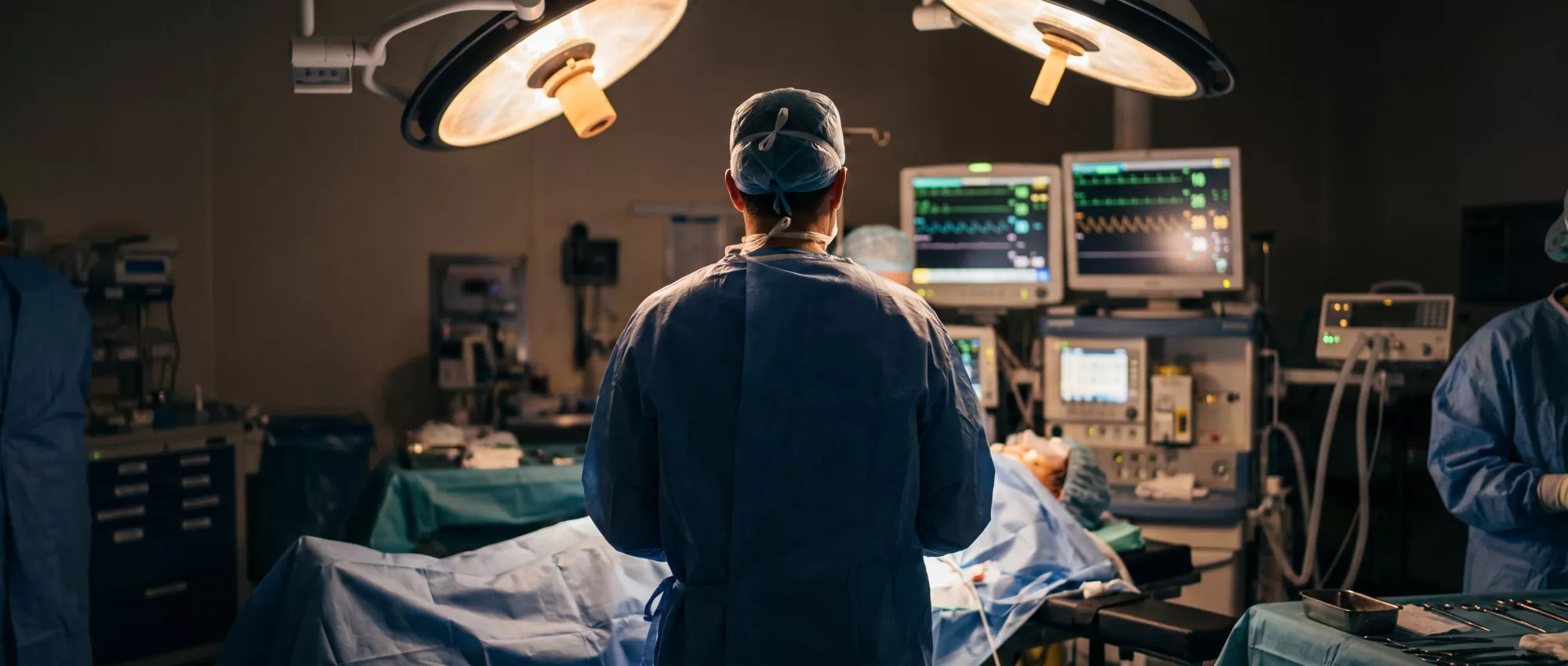
During cardiac surgery, the anaesthetist manages your entire physiological stability while your chest is open and your heart is being operated on. Heart surgery requires the use of a heart-lung machine, and the specialist must carefully regulate your blood pressure and oxygenation to ensure your brain and other organs remain perfectly perfused. They stay by your side at the head of the operating table for the entire duration of the procedure.
Another vital responsibility is placing specialised intravenous lines and monitoring catheters. Before the surgery begins, they will insert a central venous line and often a Swan-Ganz catheter to directly measure the pressures inside your heart and lungs. This allows them to track how well your heart is pumping and make immediate adjustments to intravenous fluids or medications.
specialised central venous access lines Throughout the operation, they continually adjust the depth of anaesthesia. If your blood pressure drops, they immediately administer vasoactive drugs to support it; if your heart rate slows, they step in with precise interventions. They are the guardians of your organ function, making split-second decisions to protect your brain and heart tissue from any stress.
Anaesthetist vs anesthesiologist: is there a difference?
Patients often read both terms online and wonder if they indicate different levels of expertise. In reality, an anaesthetist and an anesthesiologist refer to the same medical specialty; the difference is purely a matter of geography and spelling conventions.
- Regional spelling: "Anaesthetist" is the term most commonly used in British, Commonwealth, and international English, while "anesthesiologist" is the standard American spelling.
- Training parity: Regardless of the title used, these professionals complete medical school followed by years of rigorous residency training in anaesthesia.
- Cardiac sub-specialisation: In both regions, those working in heart surgery typically complete an additional year or more of fellowship training in cardiac anaesthesia.
So, whether your surgical documents refer to an anaesthetist or an anesthesiologist, you are in the hands of a fully qualified physician. The training, responsibility, and standard of care remain identical, ensuring you receive the highest level of medical oversight during your heart procedure.
Anaesthetist responsibilities before surgery
Your safety begins well before you enter the operating theatre. The anaesthetist reviews your complete medical history, current medications, and previous experiences with anaesthesia. They assess your heart function, lung capacity, and any underlying conditions such as diabetes or high blood pressure to formulate a tailored anaesthetic plan.
During this preoperative phase, they will explain exactly what will happen on the day of surgery. They will discuss whether you will receive a general anaesthetic, which keeps you completely unconscious, or if specific nerve blocks will be used for postoperative pain relief. This is the ideal time to ask questions and express any fears you might have.
They also coordinate with your primary cardiologist and the cardiac surgeon to ensure you are in the best possible condition for the operation. Sometimes they will adjust your heart medications in the days leading up to the surgery, or order additional tests like an echocardiogram, to help ensure that the anaesthetic approach is aligned with your specific heart condition.
Types of anaesthesia for cardiac procedures
While the majority of major heart surgeries require general anaesthesia, the anaesthetist selects the specific technique based on the procedure. Understanding the options helps patients prepare mentally for what to expect on the day of the operation.
- General Anaesthesia: Used for open-heart procedures, this involves a combination of intravenous medications and inhaled gases to keep you completely asleep and unaware.
- Regional Anaesthesia (Epidural/Spinal):strong> Less common in major cardiac surgery but sometimes used for minimally invasive procedures, this numbs a large region of the body.
- Local with Sedation: Rarely used for the heart itself, but may be applied for minor related procedures, such as pacemaker generator changes.
For open-heart surgery, general anaesthesia is mandatory because the surgeon needs to safely stop your heart and use a bypass machine. The anaesthetist will administer medications that not only induce sleep but also ensure your muscles are relaxed and your body does not initiate any stress reflexes during the operation.
Anaesthetic monitoring during surgery
Continuous monitoring is the cornerstone of safe cardiac anaesthesia. From the moment you are asleep, the anaesthetist uses an array of advanced equipment to track every vital sign. They monitor your heart rhythm via electrocardiogram, continuously check your blood pressure, and measure your blood oxygen levels.
In cardiac surgery, standard monitoring is significantly expanded. The anaesthetist utilises transesophageal echocardiography (TEE), which involves an ultrasound probe placed gently in your oesophagus to provide real-time, moving images of your heart. This allows them to see the heart's structure and pumping function instantly, ensuring the surgical repair is effective.
transesophageal echocardiography probes They also closely monitor your temperature, deliberately cooling your body down slightly to protect your brain and heart tissue while the bypass machine is running. By keeping a close eye on these complex parameters, the anaesthetist can anticipate problems before they occur, maintaining a state of physiological balance throughout the operation.
Anaesthetist qualifications and training requirements
Becoming a cardiac anaesthetist requires extensive medical education. After completing medical school and basic clinical training, a doctor must enter a residency programme in anaesthesia, which typically lasts several years. During this time, they master general, regional, and local anaesthesia across a wide range of surgical specialties.
Following basic residency, those who wish to specialise in heart surgery undertake additional fellowship training in cardiac anaesthesia. This extra period focuses specifically on managing patients with severe heart disease, operating heart-lung bypass machines, and using advanced echocardiography.
This rigorous education path ensures that your anaesthetist has the deep, specialised knowledge required to handle the immense physiological stress of cardiac surgery. Their qualifications are continuously updated through professional exams and certifications, ensuring they remain at the forefront of perioperative medicine.
The anaesthetic care team in the operating room
The anaesthetist rarely works entirely alone. They lead an anaesthetic care team that may include anaesthetic nurses, operating department practitioners, and assistant physicians. This collaborative approach ensures that every aspect of your anaesthetic management is covered by trained professionals.
While the consultant anaesthetist is the primary decision-maker, team members assist with preparing equipment, drawing up medications, and monitoring the bypass machine. They work together in a highly coordinated manner, ensuring that the operating room runs smoothly and that you receive seamless care from induction to emergence.
This team dynamic is especially crucial in complex cardiac cases where multiple crises can arise. Having a dedicated, specialised team allows the lead anaesthetist to focus on the bigger picture, orchestrating a safe environment while the surgeon meticulously repairs your heart.
What happens during preoperative anaesthetic assessment?
The preoperative assessment is a comprehensive clinical evaluation. During this appointment, the anaesthetist will take a detailed history of your heart condition, previous surgeries, and any allergies. They will physically examine your airway, neck veins, and cardiovascular system to ensure you are ready for the anaesthetic.
They will carefully review your latest heart scans and blood tests. If you are on blood thinners, they will provide specific instructions on when to stop and restart these medications, balancing the risk of bleeding against the risk of clots. They will also discuss the risks and benefits of the proposed anaesthetic plan.
Ultimately, this assessment is a conversation. The specialist wants to ensure you understand the process and that your medical condition is optimally treated. By tailoring the plan to your exact physiology, they minimise the risks associated with anaesthesia and pave the way for a successful operation.
Paediatric cardiac anaesthetist: care for young patients
Children undergoing heart surgery require a uniquely trained specialist. A paediatric cardiac anaesthetist is an expert in managing the specific physiological differences of infants and children, whose hearts and blood vessels respond differently to anaesthesia than adults.
These specialists use tiny, precisely calibrated equipment to manage small patients safely. They are highly skilled in placing intravenous lines in small vessels and calculating medication dosages based on exact weight. Their training includes understanding complex congenital heart defects and how different anaesthetic agents affect them.
For anxious parents, the paediatric anaesthetist is a reassuring presence. They carefully manage the child's transition to sleep, ensuring the induction of anaesthesia is smooth and fear-free. This highly tailored care is essential for the safety and comfort of young patients facing cardiac operations.
In summary, the anaesthetist is the guardian of your safety and physiological stability during cardiac surgery. From the thorough preoperative assessment to the complex intraoperative monitoring, their expertise ensures your heart and brain are protected throughout the procedure. Understanding their critical role helps ease anxiety, allowing you to approach your operation with greater confidence.






