

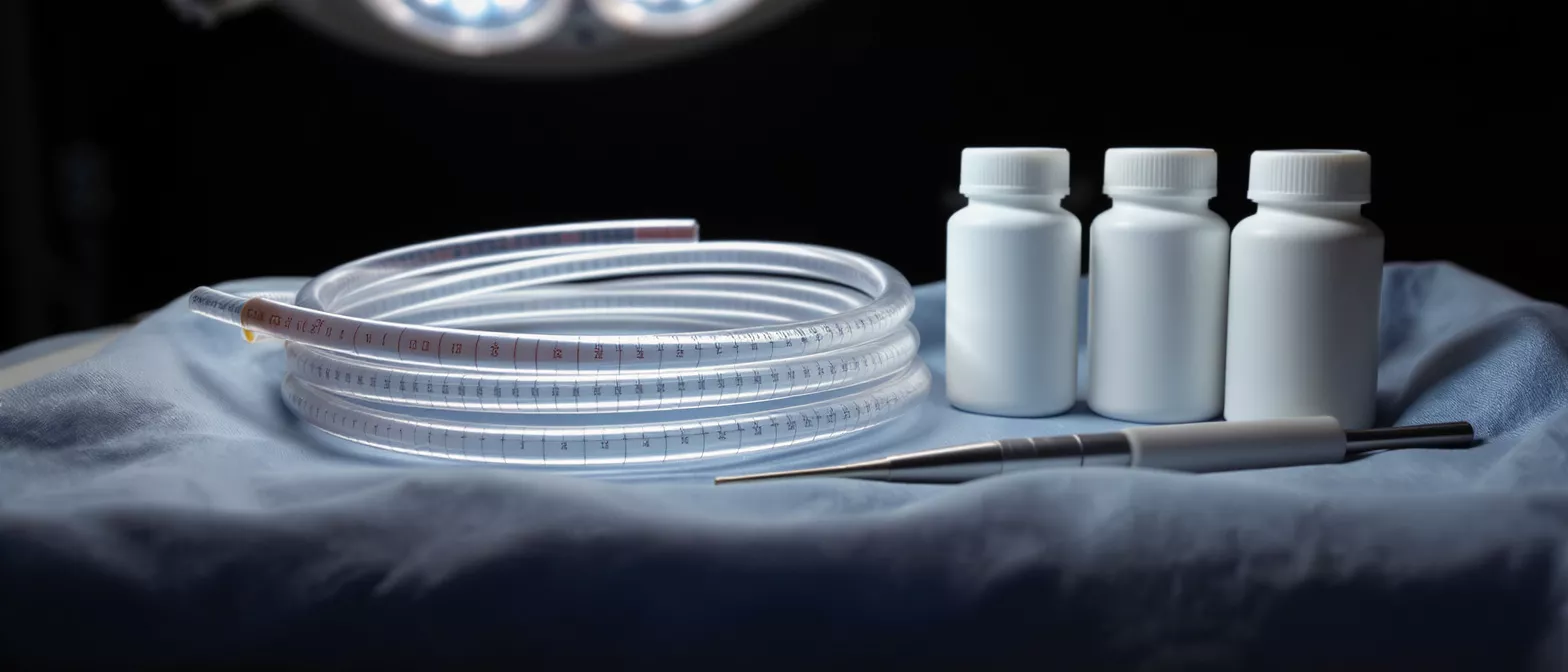
Swan-Ganz Catheter
Learn how a Swan-Ganz catheter monitors heart performance after cardiac surgery.
What Is a Swan-Ganz Catheter?
A Swan-Ganz catheter is a specialized, flexible medical tube that doctors use to monitor the heart’s performance from the inside. Named after the physicians who developed it in the 1970s, this device is also known as a balloon-tipped pulmonary catheter. If you or a loved one is undergoing heart surgery, understanding this tool can help ease anxiety by clarifying how the medical team ensures your cardiovascular stability.
The catheter is long, thin, and typically made of soft medical-grade materials. It features a tiny, inflatable balloon near its tip. Once inserted, the device travels through the blood vessels directly into the right side of the heart and rests in the pulmonary artery. This positioning allows the medical team to measure pressures and blood flow that standard external monitors cannot detect.
How this catheter differs from standard heart monitors: External monitors like ECGs are excellent at showing the heart's electrical rhythm, but they cannot measure the physical force of blood pumping through the chambers. A Swan-Ganz catheter bridges that gap. It directly measures cardiac output and internal cardiac pressures, giving the intensive care unit (ICU) team a complete picture of cardiac function.
Why Is a Swan-Ganz Catheter Used After Cardiac Surgery?
The period immediately following cardiac surgery is highly delicate. The heart has just undergone major trauma, and its ability to pump effectively might be temporarily compromised. Bedside hemodynamic monitoring is crucial during this phase. By using a Swan-Ganz catheter, surgeons and cardiologists can precisely track how well the heart is recovering and pumping blood to the rest of the body.
Swan-Ganz catheter indications in the ICU: Doctors specifically use this device to manage critically ill patients who need precise fluid management. After surgery, giving too much or too little intravenous fluid can severely stress the heart. The catheter acts as an internal guide, revealing exactly how much fluid the heart can handle without causing fluid backup in the lungs.
What does the catheter look for? The data collected helps the care team evaluate cardiac output and vascular resistance. If the heart is struggling, the catheter provides immediate feedback, allowing clinicians to adjust medications, fluids, or ventilator settings in real time. It is a proactive tool used to prevent complications before they happen.
How Is a Swan-Ganz Catheter Inserted?
The Swan-Ganz catheter placement procedure is typically performed in the operating room just before surgery begins, or in the ICU immediately upon admission. The doctor inserts the device through a large vein, usually in the neck or the upper chest. This entry point is chosen because the veins there provide a direct, wide pathway to the right side of the heart.
Once the catheter is in the vein, the doctor gently advances it toward the heart. The small balloon at the tip is inflated with a tiny amount of air. This balloon acts like a sail, allowing the natural flow of venous blood to carry the catheter safely through the right atrium, into the right ventricle, and finally into the pulmonary artery. a specialized cardiac monitor guides the team during this entire process.
Patients are under deep sedation or general anesthesia during the initial insertion, so they do not feel pain. The doctors watch the catheter's progress on a live screen, using the heart's internal pressure waves to confirm the exact location. Once properly positioned, the catheter is securely sutured to the skin to prevent it from moving.
What Does Swan-Ganz Catheter Interpretation Tell Your Doctor?
Once the device is in place, it continuously transmits data to a monitor. Swan-Ganz catheter interpretation involves reading these pressure waves to understand the heart's exact condition. The medical team uses this information to make critical decisions about postoperative care, medication dosing, and fluid management.
Right heart catheterization pressures: The device measures the pressure in the pulmonary artery, which reflects the pressure in the left side of the heart. If these pressures are too high, it may indicate that the left ventricle is struggling to pump blood forward, a common concern immediately after cardiac surgery.
Swan-Ganz catheter wedge pressure: By briefly inflating the balloon until it blocks a small branch of the pulmonary artery, the doctor can measure the "wedge pressure." This measurement closely estimates the pressure in the left atrium. It is a vital metric for distinguishing between fluid overload, heart failure, and other complex cardiovascular issues.
- Cardiac Output Measurement Catheter: Tracks the exact volume of blood the heart pumps per minute.
- Pulmonary Artery Pressure Monitoring: Detects high pressures that might indicate right-sided heart strain.
- Vascular Resistance: Measures how much the blood vessels are constricting, guiding the use of blood pressure medications.
Swan-Ganz Catheter vs Central Line: What Is the Difference?
It is easy to confuse a pulmonary artery catheter with a standard central line, as both are placed in large veins and enter the chest. However, their purposes are distinctly different. A standard central line is a simple tube used to deliver fluids, medications, or nutrition, and to draw blood. It does not monitor the internal pressures of the heart chambers.
How are they different? The Swan-Ganz catheter vs central line distinction lies in the technology and placement. A central line remains in the upper portion of the large veins near the heart. The Swan-Ganz catheter is much longer and advanced through the right side of the heart into the pulmonary artery, featuring specialized sensors and a balloon that central lines lack entirely.
In some cases, a patient may have both. The central line handles aggressive fluid resuscitation or medication delivery, while the Swan-Ganz catheter strictly monitors cardiac output and pressures. Understanding this helps families recognize that the two devices serve complementary but separate clinical roles.
Are Swan-Ganz Catheters Safe During Heart Surgery Recovery?
Patients and families often ask, "Are Swan-Ganz catheters safe?" The answer is yes. While it sounds frightening to have a tube extending into the heart, this device is a standard, well-established tool in intensive care. The risks associated with the catheter are heavily outweighed by the critical data it provides during vulnerable postoperative periods.
Modern cardiac surgery relies on precise data to ensure a safe recovery. Without this internal monitor, doctors would have to rely on indirect signs of heart function, which can be misleading. By using a Swan-Ganz catheter, the medical team can detect subtle changes in cardiac performance before they become dangerous emergencies.
The catheter is always managed by highly trained critical care nurses and physicians. Continuous sterile techniques and secure placement protocols ensure the device functions correctly without causing harm. The safety of the patient is the primary reason this technology has remained a cornerstone of postoperative cardiac care for decades.
What Are Swan-Ganz Catheter Complications?
Although generally safe, the placement and presence of any internal medical device carry some risks. Swan-Ganz catheter complications are rare but important for patients to understand. The most common issues are minor bleeding at the insertion site, localized bruising, or a mild risk of infection where the catheter enters the skin.
What are the rare but serious risks? More severe complications can include arrhythmias, or irregular heartbeats, as the catheter is passed through the right ventricle. The balloon can rarely cause trauma to the delicate pulmonary artery if inflated for too long. However, the clinical team is extensively trained to monitor the balloon inflation times and secure the line to prevent such injuries.
To minimize risks, the ICU team continuously watches the monitor for signs of arrhythmias and maintains strict sterile dressings. The benefits of guiding critical fluids and medications safely through the vulnerable postoperative window far exceed these manageable risks.
Essential Swan-Ganz Catheter Nursing Care
Once the catheter is in place, intensive care nurses take over its daily management. Swan-Ganz catheter nursing care involves strict protocols to keep the device functioning accurately and the patient comfortable. Nurses regularly inspect the insertion site for redness, swelling, or signs of infection, changing the sterile dressing on a set schedule.
How do nurses ensure accurate readings? The catheter must remain perfectly still to provide correct data. Nurses carefully secure the tubing to the patient's neck or chest and reposition the patient carefully to prevent the catheter from migrating out of the pulmonary artery. They also perform routine calibration checks to ensure the pressure transducer is reading accurately.
Furthermore, nurses monitor the waveforms on the screen continuously. If the pressure tracing changes shape, it can indicate that the catheter has shifted slightly. The nurse will then notify the physician, who can gently reposition the device. This vigilant care ensures the numbers guiding the patient's recovery are always precise and reliable.
How Long Will the Pulmonary Artery Catheter Stay In?
The duration of the catheter's placement depends entirely on the patient's clinical progress. Typically, a pulmonary artery catheter remains in place for 24 to 48 hours after surgery. This timeframe covers the most critical window when the heart is recovering from the immediate shock of the operation.
How is the catheter removed? Once the patient's blood pressure stabilizes and the heart demonstrates strong, independent pumping power, the doctor will order the catheter's removal. The deflation of the balloon and the gentle pulling of the tube take only a few seconds. The site is then dressed with a simple bandage.
Removal is a straightforward procedure performed at the bedside. Once the device is out, the medical team continues to monitor the patient's cardiovascular stability using external monitors and physical assessments. The transition off the Swan-Ganz catheter is a positive milestone, signaling that the heart is regaining its strength.
Conclusion: Understanding Bedside Hemodynamic Monitoring
Navigating heart surgery recovery can be overwhelming, but understanding the tools used by your medical team brings clarity and comfort. The Swan-Ganz catheter is an essential, highly specialized instrument that allows critical care physicians to see exactly how the heart is functioning from the inside out. It provides the precise data needed to balance fluids, manage medications, and ensure a safe recovery.
By directly monitoring pulmonary artery pressures and cardiac output, this device acts as a critical safety net during the vulnerable postoperative period. Knowing that such advanced technology and vigilant nursing care are in place allows patients and families to focus on what truly matters: resting and healing. The medical team uses every tool at their disposal to guide the heart back to health, and this catheter is a cornerstone of that commitment.






