Pain Control After Heart Surgery: Your Options
Pain control after heart surgery helps you heal faster and breathe easier.
Pain control after heart surgery is one of the things patients worry about most before an operation — and one of the areas where modern cardiac care has improved the most. If you or a family member are facing valve surgery, bypass surgery or a transcatheter procedure, you deserve a clear picture of what hurt, what helps, and what the recovery weeks actually feel like. This guide walks through the medications, the techniques and the warning signs, in plain language, so you can go into surgery informed rather than afraid.
What Is Pain Control After Heart Surgery?
Postoperative pain is the discomfort your body feels in the days and weeks after an operation, and pain control after heart surgery means managing it deliberately rather than simply enduring it. The pain comes mostly from the incision, the breastbone (sternum) if it was divided, and the muscles and nerves between the ribs where surgical drains were placed. The heart itself has very few pain nerves, so most of what you feel is from the chest wall — which is good news, because chest wall pain responds well to treatment.
Why it matters more than comfort. Pain that is well managed is not just about feeling better. When pain is controlled, you breathe more deeply, cough more effectively, get out of bed sooner, and lower your risk of lung complications like pneumonia. Poor pain control can slow every part of recovery, so it is treated as a medical priority, not an afterthought.
What good control looks like. The goal is not zero pain — it is pain you can live with while doing what recovery demands: walking, breathing exercises, and sleeping. In our practice, every case is reviewed by the multidisciplinary team before surgery, and we explain the pain plan as part of that proposal so you know exactly what to expect. In the consultation we take the time to explain what the studies show, in plain words, and to answer every question before any decision is made.
How to Manage Pain After Open Heart Surgery
Start before the operation. Managing pain after open heart surgery actually begins in the planning stage. Some patients benefit from regional techniques — numbing medicine placed near the nerves of the chest wall — that are arranged before surgery begins. Knowing your options in advance lets you and your surgical team agree on a plan rather than reacting to pain after it starts.
Use a layered approach. Modern pain control uses several mild methods together instead of relying on one strong drug. The building blocks usually include:
- Scheduled medication: anti-inflammatory painkillers and paracetamol (acetaminophen) given on a fixed timetable, not only when pain spikes.
- Rescue medication: a stronger option, often an opioid, reserved for breakthrough pain and tapered off as soon as possible.
- Positioning and movement: a pillow held against the chest when coughing, and early, gentle walking that keeps muscles from stiffening.
Speak up early. Nurses in the recovery room and on the ward will ask you to rate your pain, but they cannot read your mind. Telling your team when pain crosses from "noticeable" to "getting in the way of breathing or walking" is the single most useful thing you can do. We tell every patient before discharge that reporting pain is a sign of recovery, not weakness — it is how the team fine-tunes the plan.
Chest Pain After Heart Surgery Recovery: What Is Normal?
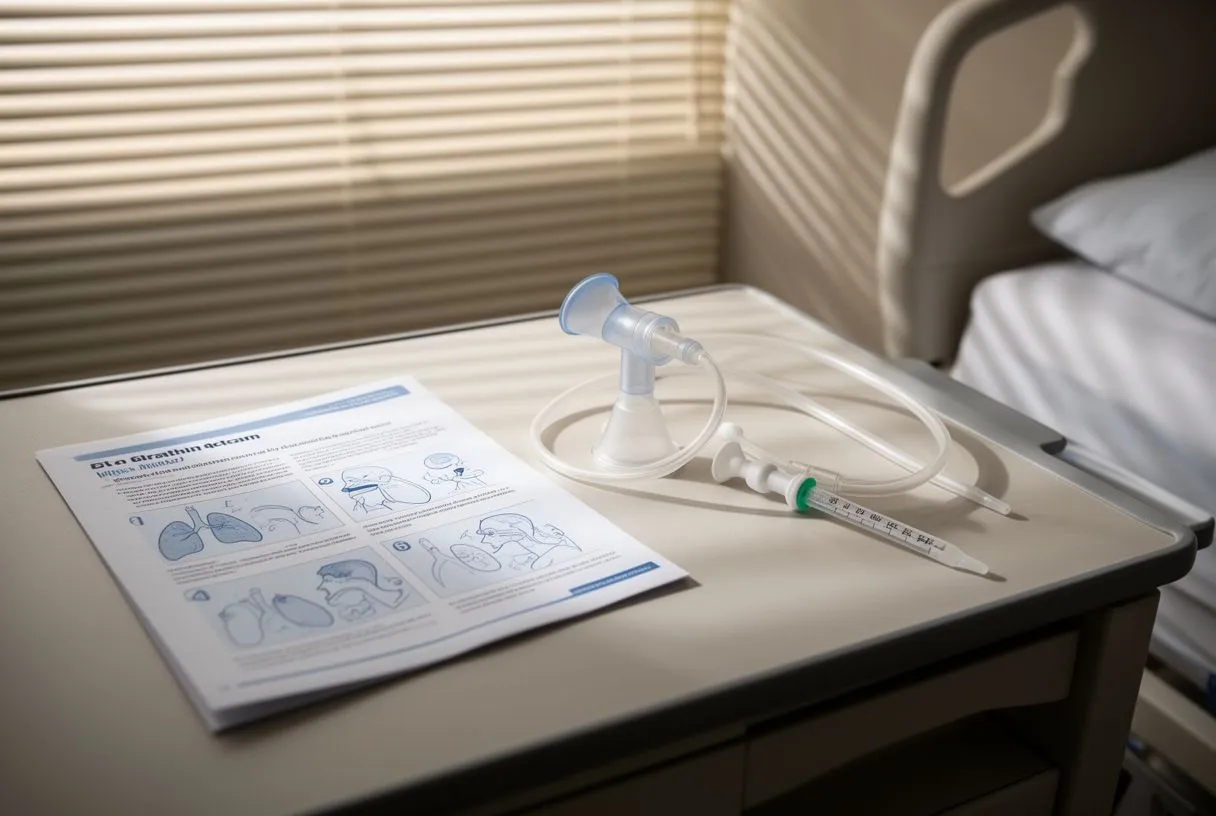
The typical pattern. Chest pain after heart surgery recovery follows a predictable arc. The first days bring the sharpest discomfort around the incision and breastbone. By the second week it softens into soreness, and by the second month most people describe aching, twinges or a pulling sensation rather than real pain. Some soreness along the breastbone can last several months, especially when the bone is still knitting.
Sharp, brief, and positional is usually reassuring. Pain that comes with a deep breath, a twist of the torso, or pressing on the scar — and eases when you rest — behaves like healing tissue. Nerve-related sensations are also common: burning spots, numbness over the chest, or sudden electric tingles near the incision as the nerves regenerate. These are uncomfortable but expected.
What feels different deserves attention. Pain that is heavy or crushing chest pain, pressure spreading into the jaw pain pattern or arm pain, breathlessness at rest, or a sudden change from your usual pattern should be evaluated immediately — not "waited out." Before you go home, ask for a written list of exactly which sensations warrant a same-day call.
Pain After Bypass Surgery: What to Expect Week by Week
Weeks 1–2: the hardest part. Pain after bypass surgery, what to expect in the first fortnight: soreness around the breastbone, aching where the graft was taken (often the leg or wrist), and fatigue that magnifies every discomfort. Walking short distances several times a day and holding a pillow against the chest when coughing make this stretch far more tolerable.
Weeks 3–6: visible progress. The incision typically closes over and the deepest pain fades. You may still feel pulling when you reach, stretch, or laugh. Driving is usually not advised until the breastbone has healed and your team clears you — usually around four to six weeks, depending on your case.
Months 2–6: the long tail. Most residual pain is mild and intermittent. A minority of patients develop longer-lasting discomfort at the breastbone or along the scar; if this happens, it deserves a proper assessment rather than quiet endurance. Our team reviews every patient against international practice guidelines before recommending a procedure, and we follow the same careful standard when a patient's recovery does not follow the textbook — we investigate, we do not guess.
Heart Surgery Pain Relief Options: Medications Explained
The mainstay medications. The core heart surgery pain relief options are paracetamol (acetaminophen) and non-steroidal anti-inflammatory drugs, commonly called NSAIDs — medicines like ibuprofen that reduce both pain and inflammation. They are scheduled around the clock in the first days because keeping a steady level prevents pain from spiking in the first place.
Opioids: useful, then temporary. Opioids such as morphine or oxycodone are effective for severe breakthrough pain, especially in the first days. The modern approach is to use the lowest dose for the shortest time, because these drugs cause constipation, cloudiness, nausea and, with prolonged use, dependence. A well-run plan gets most patients off opioids within one to two weeks.
Adjuvant medicines. Some drugs that were designed for other purposes help with specific kinds of pain — for example, gabapentin-type medicines for nerve-related burning, and muscle relaxants for tight chest wall muscles. These are chosen case by case. Never add, stop, or change doses on your own during recovery; your surgical team and your cardiologist coordinate every medication, and some drugs interact with blood thinners you may be taking.

Non-Opioid Pain Control After Cardiac Surgery
Why teams avoid opioids when they can. Non-opioid pain control after cardiac surgery has become standard because opioids slow breathing, cloud thinking, and cause constipation — all of which work against early recovery. Multimodal protocols combine several non-opioid strategies so that opioids become the backup rather than the backbone.
Regional numbing techniques. Some cardiac centres place local anaesthetic near the nerves that carry sensation from the chest wall — sometimes via a thin catheter left in place for a few days. This can dramatically reduce the need for strong medication in the first days, which is when pain is most intense. Whether it suits you depends on the operation type and your overall health.
Simple, evidence-backed methods. Alongside medication, Verywell Health highlights non-invasive techniques such as heat and cold therapy, relaxation breathing, distraction, and gentle movement as genuinely effective pain-relief tools — and these apply to surgical recovery too. A cold pack near (not on) the incision, a warm shower once cleared, and slow breathing before difficult activities all measurably help. Our team encourages second opinions and shared decision-making, and we treat the pain plan the same way: you see the options, the alternatives, and you choose.
Does Minimally Invasive Heart Surgery Cause Less Pain?
What changes with the approach. The traditional sternotomy divides the breastbone, which is why it is the most painful part of open surgery. Minimally invasive heart surgery — operating through small incisions between the ribs or through a partial breastbone cut — avoids that, and many patients report noticeably less pain and a faster return to normal activity. A small incision is not automatically less painful, but the approach often is.
Robotic and transcatheter options. Robotic surgery uses small ports and camera-guided instruments, so the surgeon works without spreading the ribs. For valve replacement in suitable patients, a transcatheter aortic valve replacement (TAVR) is done through a catheter, usually in the groin, with no chest incision at all — recovery is typically measured in days rather than weeks. Pain after these procedures is generally milder, though it still needs a proper plan.
Less invasive only where evidence supports it. Being minimally invasive is a means, not a goal in itself. Our team performs conventional, minimally invasive, robotic and transcatheter procedures, and we recommend the less invasive route only where the evidence supports it for that patient. Dr Molina performed the first robotic mitral valve repair in the Ángeles Health System and the first robotic heart surgery in Guadalajara, and every case is still reviewed by the full multidisciplinary team before any recommendation is made.
Breathing Exercises That Reduce Heart Surgery Pain
Why breathing hurts — and why it matters anyway. After chest surgery, deep breaths pull on the incision, so people naturally breathe shallowly. The problem is that shallow breathing lets small airways collapse and secretions pool, which raises the risk of lung infection. This is why breathing exercises reduce heart surgery pain indirectly and directly: done well, they protect your lungs, and the pain of breathing decreases as you heal.
Techniques that work. Ask your team to demonstrate these before surgery so they feel familiar afterwards:
- Deep breathing with a brace: press a pillow firmly against the chest wall, inhale slowly through the nose to fill the lungs, hold a moment, then exhale fully. Repeat several times each hour while awake.
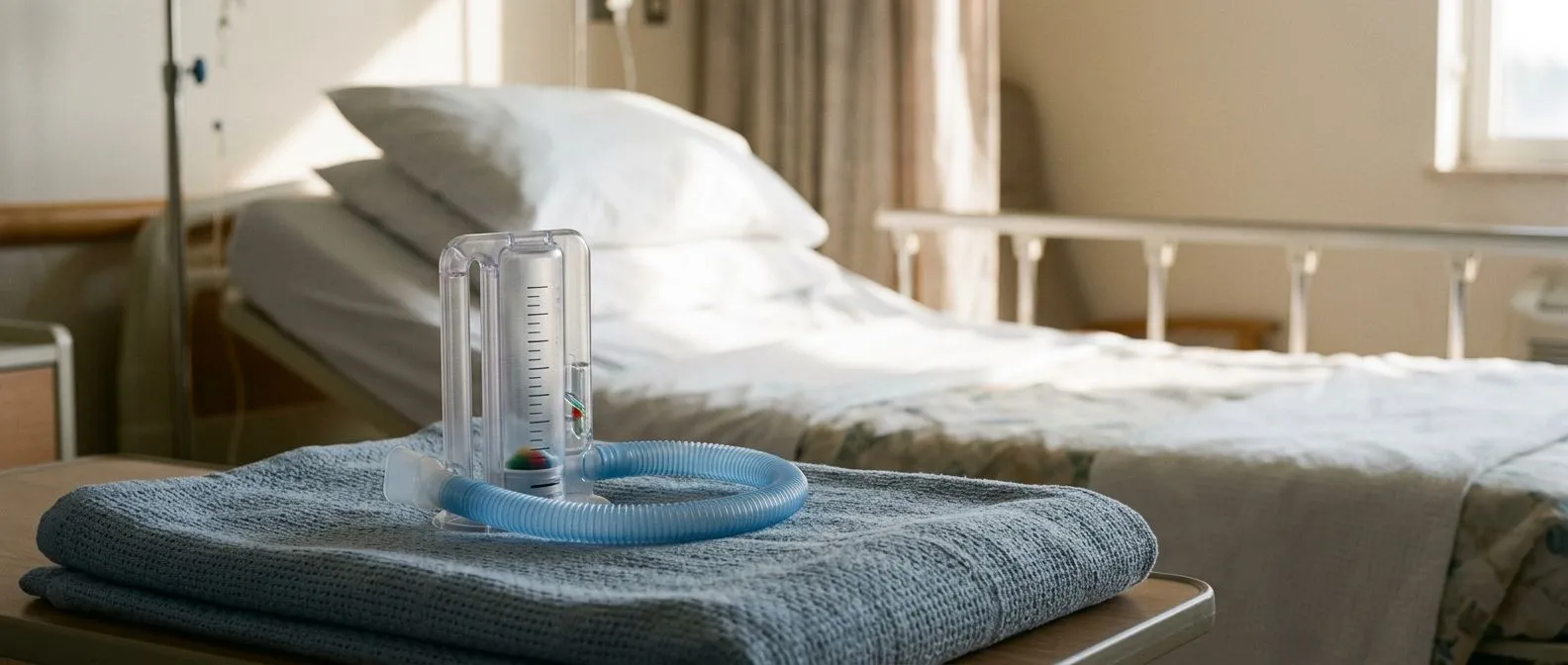
- Incentive spirometry: a small handheld device that gives you visual feedback as you breathe in deeply, helping you reach a consistent, deep breath rather than a hurried one.
- Timed coughing: with the chest braced, cough on the exhale to clear secretions — uncomfortable for a second, protective for weeks.
Pair breathing with movement. Pain control works best when breathing exercises are tied to walking. In the first days, most patients walk several times a day in the hospital corridor, and each session starts with the breathing routine. The combination — breathe, brace, move — is the most reliable non-drug tool in recovery.
Home Recovery: Managing Pain After You Leave Hospital
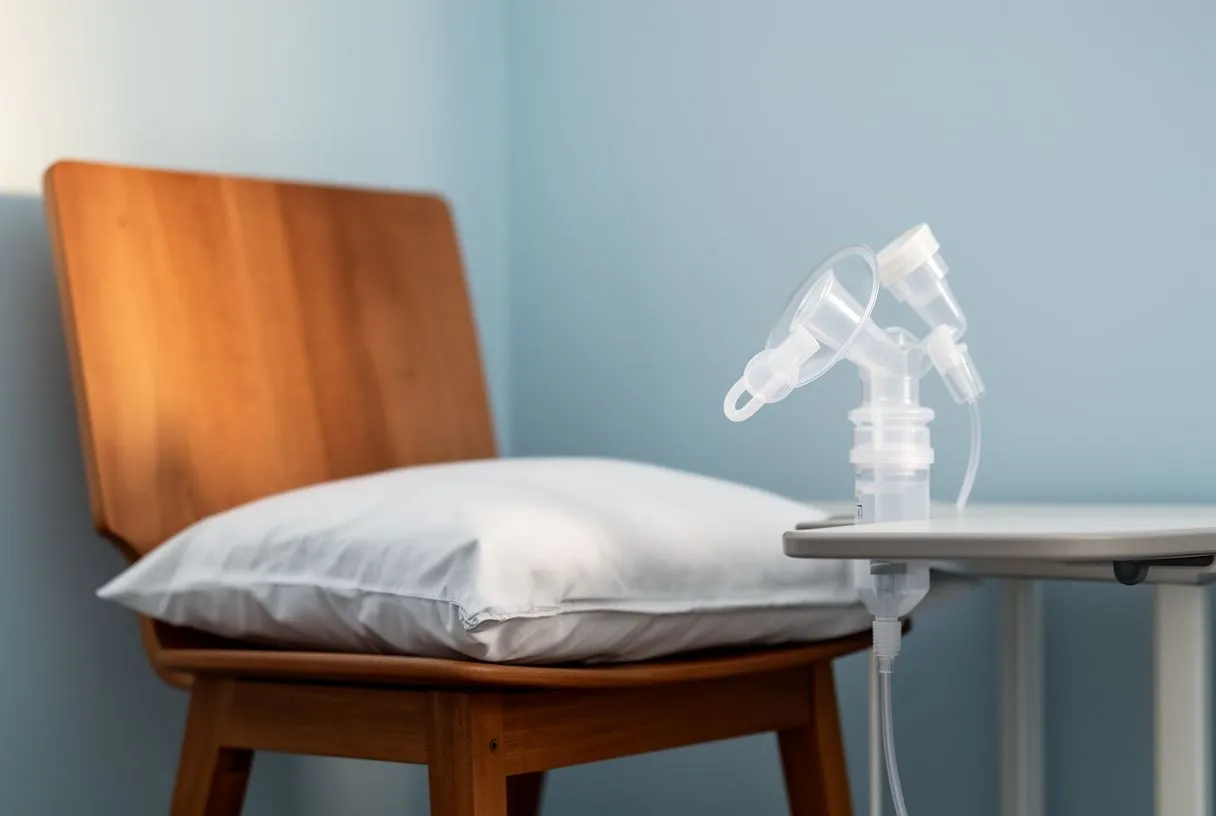
Build a simple daily routine. Pain in the home recovery phase after heart surgery is usually manageable with structure: medication taken on schedule (as prescribed, not on demand), a pillow on the chest when coughing or sneezing, sleep propped up slightly, and walking a little more each day. Most people find that by week three, routine activities are the biggest driver of comfort — and of confidence.
Watch the sleep and constipation trap. Two issues make home pain worse than it needs to be. The first is constipation, a common side effect of opioid painkillers — ask for a preventive plan before discharge. The second is poor sleep, which lowers your pain threshold; a slightly elevated head position, a supportive pillow, and avoiding evening caffeine help more than you would expect.
Know your follow-up rhythm. Before discharge, make sure you know which studies are still needed, which medications continue, and when to return for review. Our first contact is a free video consultation for new patients. If you are traveling from another city or country for surgery, plan your follow-up before you leave so that distance does not become a barrier to good pain control.
When to Call Your Team About Pain
Red flags that need same-day attention. Most postoperative pain is part of healing, but some sensations are not. Contact your surgical team immediately for:
- Pressure or heaviness: a sudden feeling of crushing chest pain or pressure, or discomfort radiating into the jaw, arm or back pain pattern — these may signal a heart problem and need emergency care.
- Incision changes: increasing redness, swelling, drainage, or a new fever alongside wound pain.
- Breathing trouble: shortness of breath at rest, or pain with breathing that is far worse than before.
Slower concerns worth a call. Pain that plateaus instead of improving, pain that wakes you every night after the second month, or a burning discomfort that medication does not touch should be reviewed even if it is not urgent. Persistent pain can be treated — nerve-related pain responds to different medicines than muscle pain — but only if your team knows about it.
When to seek help, and where to start. Pain is a signal, not a sentence. Discuss your own situation with a qualified cardiac team rather than self-diagnosing, and bring a list of what you feel, when, and what eases it. If you are considering surgery or have questions about your recovery, booking a consultation — often starting with a free video conversation — is the safest next step. We are a multidisciplinary team of cardiac surgeons led by Dr Alejandro Molina, with consulting rooms in Guadalajara, Querétaro and Hermosillo, and every recommendation we give is explained in plain words before you decide anything.