

CPR Steps for a Cardiac Arrest: What to Do Until Help Arrives
Learn essential CPR steps for cardiac arrest emergencies.
What Are the First CPR Steps for Cardiac Arrest?
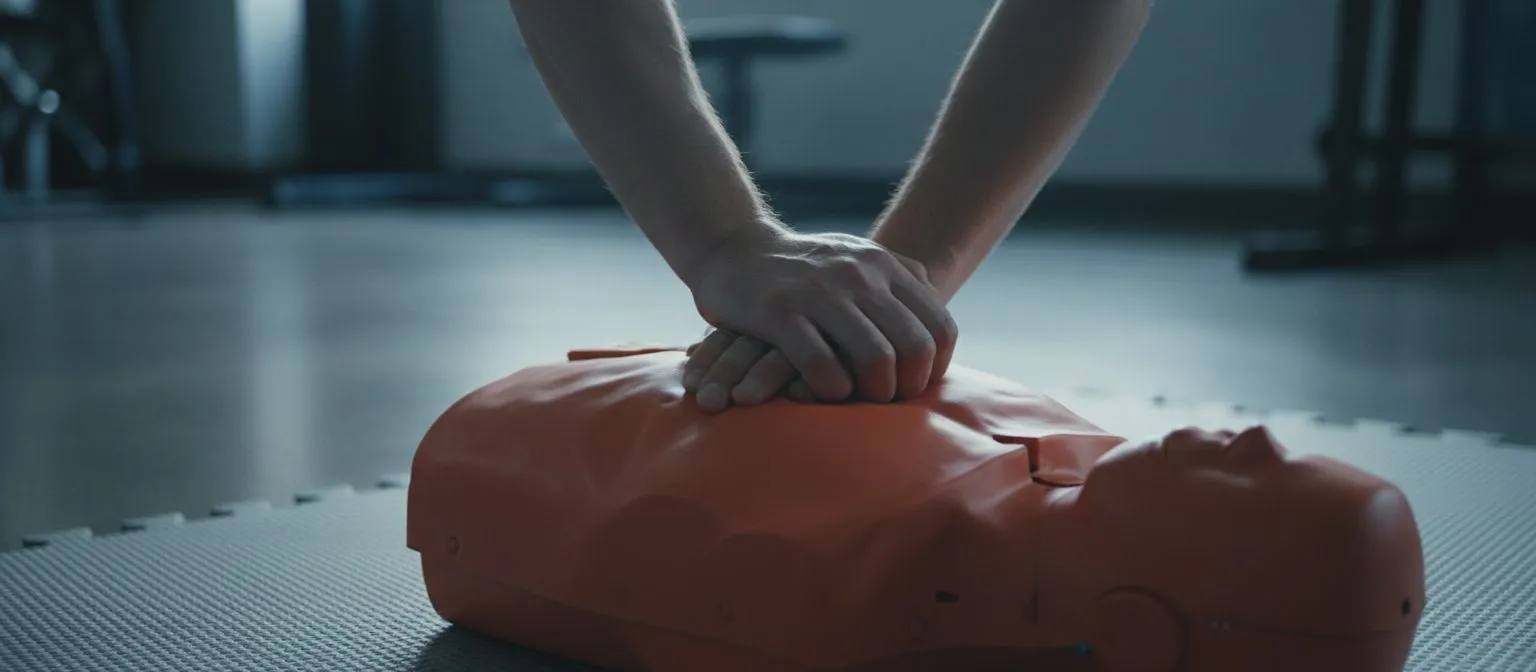
Knowing the correct CPR steps for cardiac arrest can mean the difference between life and death in the minutes before emergency services arrive. Cardiac arrest is the sudden loss of all heart function — the heart's electrical system misfires, blood stops pumping, and the person collapses within seconds. Without immediate intervention, brain damage can begin in as few as four minutes. The three foundational steps are simple: check for responsiveness, call for emergency help, and begin chest compressions. You do not need to be a medical professional to act; you simply need to follow a clear sequence and push hard and fast on the center of the chest.
The chain of survival: The American Heart Association defines a "chain of survival" — early recognition, early CPR, early defibrillation, and early advanced care. Each link depends on the one before it. If no one recognizes the arrest or calls for help, none of the later steps matter. If compressions are delayed, the likelihood of a meaningful recovery drops sharply. A bystander who starts CPR within the first one to two minutes can double or even triple the person's chance of survival. The sequence matters more than perfection — doing something is always better than doing nothing.
Why speed outweighs hesitation: Many bystanders freeze because they fear doing it wrong. In reality, the most dangerous action is inaction. If you push too hard, you might crack a rib, but a cracked rib is a recoverable injury. If you do nothing, the person will almost certainly die. Emergency dispatchers on the phone can guide you through hands-only compressions step by step. You do not need prior training to begin pushing on the chest — the dispatcher will tell you the rate, depth, and where to place your hands.
How to Recognize Cardiac Arrest Before Starting CPR
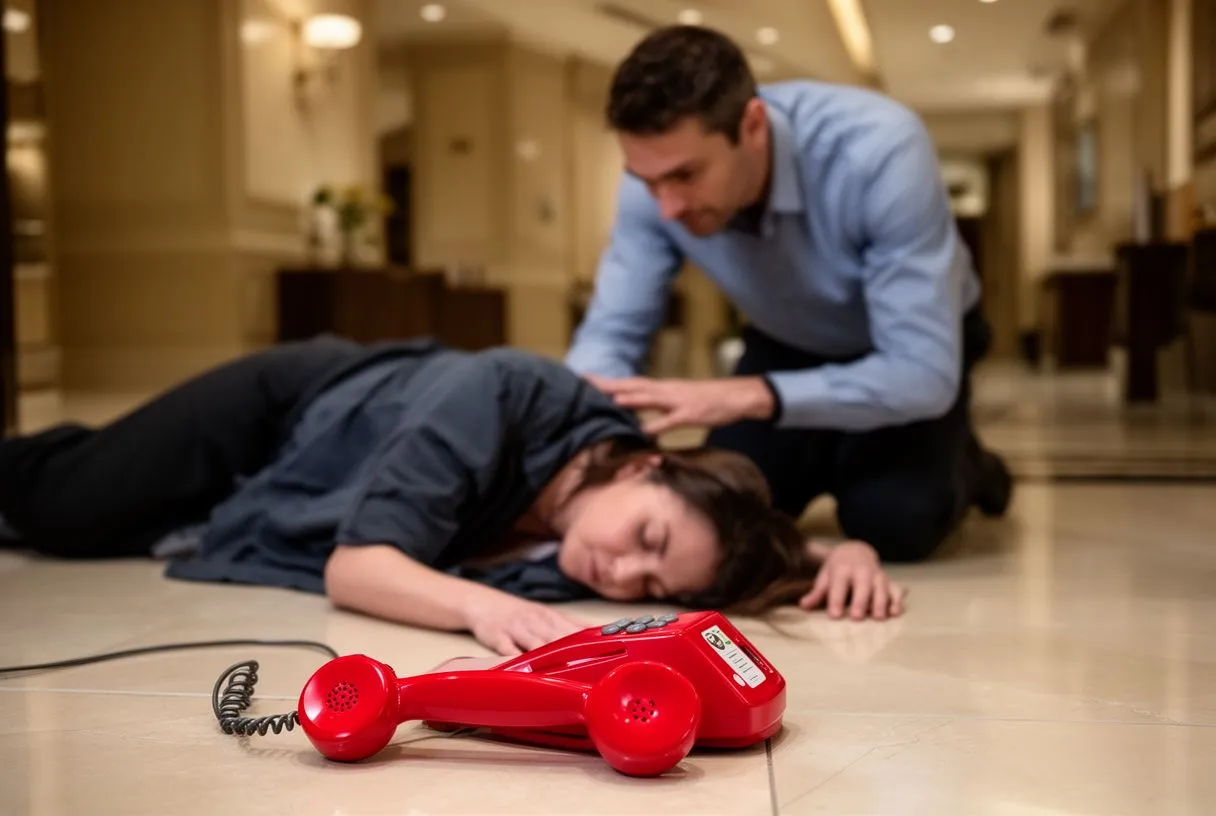
Before you begin any CPR steps for cardiac arrest, you must confirm that the person is truly in arrest and not simply fainting, sleeping, or experiencing a seizure. Recognition happens in two quick checks: responsiveness and normal breathing. Tap the person firmly on both shoulders and shout their name or ask if they can hear you. If there is no response — no eye opening, no movement, no sound — proceed to check breathing. Look at the chest for rising and falling over five to ten seconds. Agonal gasping, which looks like slow, irregular snorting or labored breaths, is not normal breathing and should be treated as cardiac arrest.
Signs that distinguish collapse causes: A person who clutches their chest, describes pressure or pain, and remains conscious is likely experiencing a heart attack, not cardiac arrest. A heart attack is a plumbing problem — a blocked artery starving the heart muscle of blood. Cardiac arrest is an electrical problem — the heart suddenly stops beating effectively. The two are connected: a severe heart attack can trigger cardiac arrest, but they are not the same event. If the person is still talking, do not start compressions; instead, call emergency services and keep them calm and still.
Checking for pulse — and why most guidelines say skip it: Current recommendations suggest that untrained bystanders should not waste time checking for a pulse. Pulse checks by non-professionals are unreliable and can consume precious seconds. If the person is unresponsive and not breathing normally, assume cardiac arrest and begin compressions. Healthcare providers may still check for a carotid pulse for no longer than ten seconds, but anyone uncertain should err on the side of starting CPR. Delaying compressions while fumbling for a pulse costs more than it saves.
Hands-Only CPR vs Full CPR: Which to Use?
For most adults who suddenly collapse, hands-only CPR — continuous chest compressions without mouth-to-mouth breathing — is the recommended approach for untrained or reluctant bystanders. Research over the past two decades has shown that in the first several minutes of a witnessed out-of-hospital arrest, the person still has oxygen remaining in their blood. Pumping that blood to the brain by compressing the chest is more immediately critical than ventilating the lungs. Hands-only CPR removes the hesitation many people feel about mouth contact and keeps compressions uninterrupted, which maintains better blood flow.
When rescue breaths are still necessary: Full CPR with rescue breaths remains the standard for certain situations. Children and infants almost always need breaths because their arrest is usually caused by a breathing problem rather than a primary heart issue. Drowning victims, people with drug overdoses, and anyone whose arrest was not witnessed should also receive ventilation along with compressions. If you are trained in full CPR and confident in the technique, use the 30:2 ratio — thirty compressions followed by two breaths — for these situations. If you are not trained, stick with hands-only and push continuously.
Why the switch happened: Historically, everyone was taught to give breaths immediately. The shift toward hands-only CPR for adults came from studies showing that bystander CPR rates increased when the breathing step was removed, and survival outcomes were equivalent or better for adult sudden cardiac arrest. The barrier was psychological — many people would not put their mouth on a stranger's face, especially without a barrier device. Simplifying the steps increased the number of people willing to act, and that alone saved more lives.
Correct Chest Compression Depth and Rate
Effective chest compressions require two things done correctly: depth and rate. For an adult, push down at least two inches — roughly five centimeters — but no more than 2.4 inches. For a child, compress about one third of the chest depth, approximately two inches. For an infant, compress about one third of the depth, roughly 1.5 inches. The compression rate should be 100 to 120 compressions per minute, which is conveniently timed to the beat of the song "Stayin' Alive" by the Bee Gees. Pushing too slowly does not generate enough blood flow; pushing too fast can mean compressions are too shallow.
Full recoil matters as much as the push: Between each compression, you must let the chest rise completely back to its starting position. This full recoil allows the heart to refill with blood before the next push. If you lean on the chest or keep it partially compressed, the heart never fills, and each subsequent compression pumps less and less blood. The most common technical error is failing to release fully — even trained providers drift into leaning. Focus on pushing down firmly and then lifting your hands completely off the chest wall without losing contact.
Minimizing interruptions: Every time compressions stop — to check a pulse, adjust position, or wait for an AED analysis — blood flow to the brain drops to zero. It takes several compressions to rebuild pressure after a pause. Guidelines stress that hands should be on the chest pushing at least sixty percent of the total CPR time. When an Automated External Defibrillator is analyzing or shocking, compressions must pause briefly, but you should resume immediately after the shock is delivered or the device advises no shock.
How to Perform Rescue Breaths in CPR
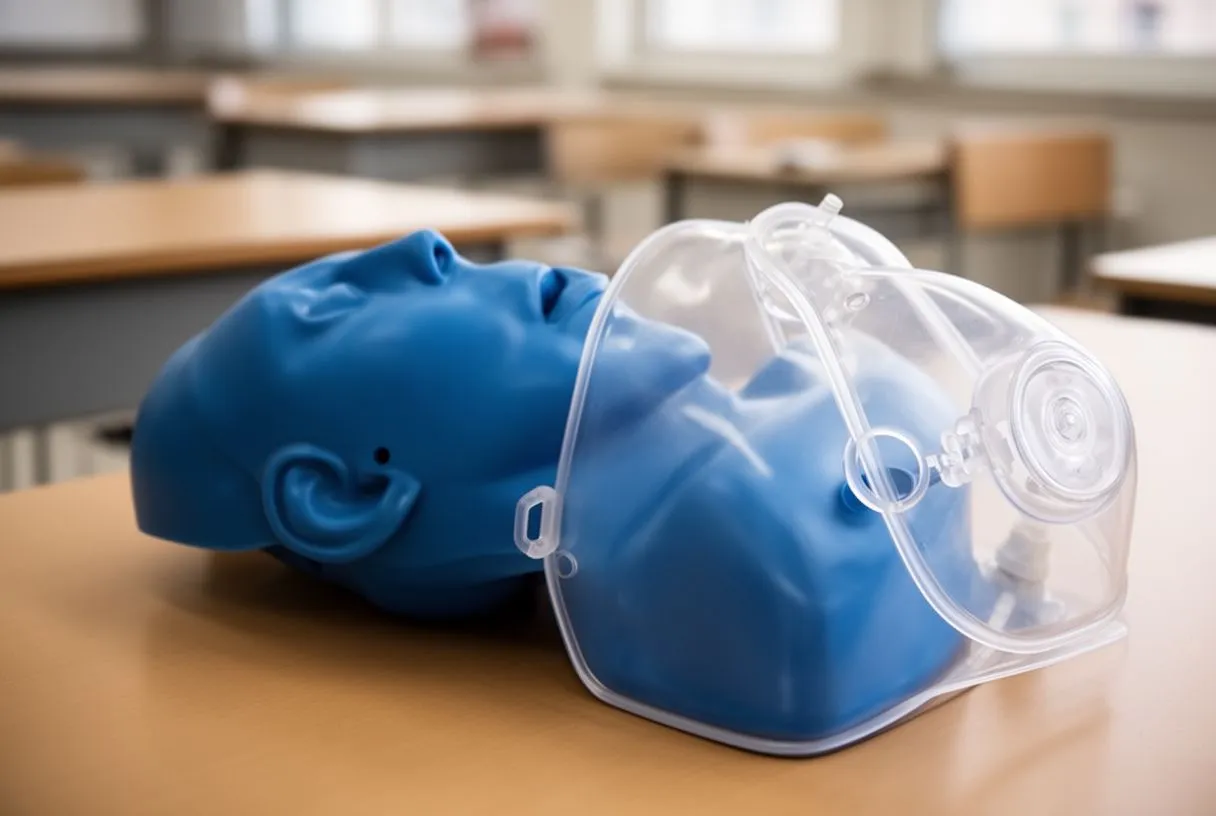
If you are performing full CPR with rescue breathing, the technique matters for delivering effective ventilation. After thirty compressions, open the airway using the head-tilt, chin-lift maneuver: place one hand on the forehead and two fingers of your other hand under the bony part of the chin, then tilt the head back. For a suspected spinal injury, use the jaw-thrust method instead if you are trained. Pinch the person's nose shut, take a normal breath, and make a seal over their mouth. Give one breath over one second, watch for the chest to rise, then give a second breath and return immediately to compressions.
Avoid over-ventilating: Giving too many breaths or blowing too forcefully is a common mistake that can push air into the stomach, cause vomiting, and increase pressure inside the chest, which actually reduces blood return to the heart. Each breath should be gentle and last just one second. If the chest does not rise with the first breath, reposition the head and try again. Do not keep trying repeatedly — after two attempts, return to compressions. The goal is adequate oxygenation, not maximal lung inflation.
Using barrier devices and bag-valve masks: In healthcare or workplace settings, you may have access to a pocket mask or a bag-valve mask. A pocket mask provides a barrier between your mouth and the person's face and may have a one-way valve to reduce exposure. A bag-valve mask, or BVM, allows you to squeeze a bag to push air into the lungs and is the standard ventilation tool used by emergency responders. Using a BVM correctly requires training — it is easy to deliver inadequate volume if the seal is poor. If you have not been trained, hands-only CPR remains your best option.
AED Use Steps During Cardiac Arrest
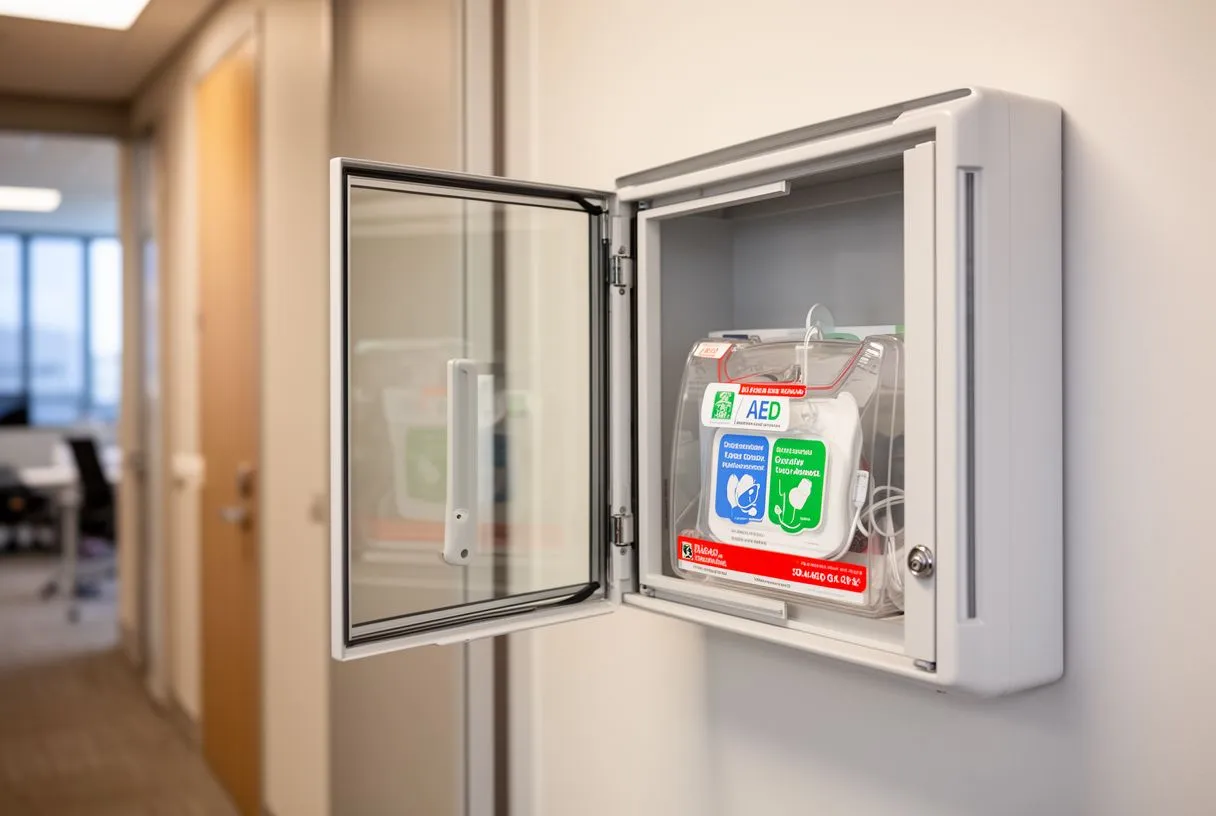
An Automated External Defibrillator, or AED, is a portable device that analyzes the heart's rhythm and can deliver an electric shock to reset a chaotic, life-threatening rhythm. The most common shockable rhythm in sudden cardiac arrest is ventricular fibrillation, where the heart's lower chambers quiver instead of pumping. The AED is designed for use by anyone — it provides voice prompts and will only advise a shock if the rhythm is treatable. The basic sequence is: turn it on, expose the chest, apply the pads, and follow the voice instructions exactly.
Pad placement and skin preparation: The AED comes with two adhesive pads. One goes on the upper right side of the chest, just below the collarbone, and the other on the lower left side, below the armpit. The chest must be dry — wipe away water or sweat. If the person has a medication patch on the chest, remove it and wipe the area. Excessive chest hair can prevent the pads from sticking; the AED kit usually includes a razor, but in an emergency, press firmly and move on. Do not place pads over an implanted pacemaker — if you feel a hard lump under the skin, place the pad at least one inch away.
Clearing the patient for a shock: When the AED prompts that it is about to deliver a shock, you must ensure no one is touching the person. Shout "Clear!" and visually confirm that no one has contact with the patient, including yourself. The device will either deliver the shock automatically or instruct you to press a flashing button. After the shock, do not check for a pulse — immediately resume chest compressions. The AED will re-analyze after two minutes of CPR. Keep this cycle going until emergency responders arrive or the person shows clear signs of life.
CPR Steps for Adults vs Children vs Infants
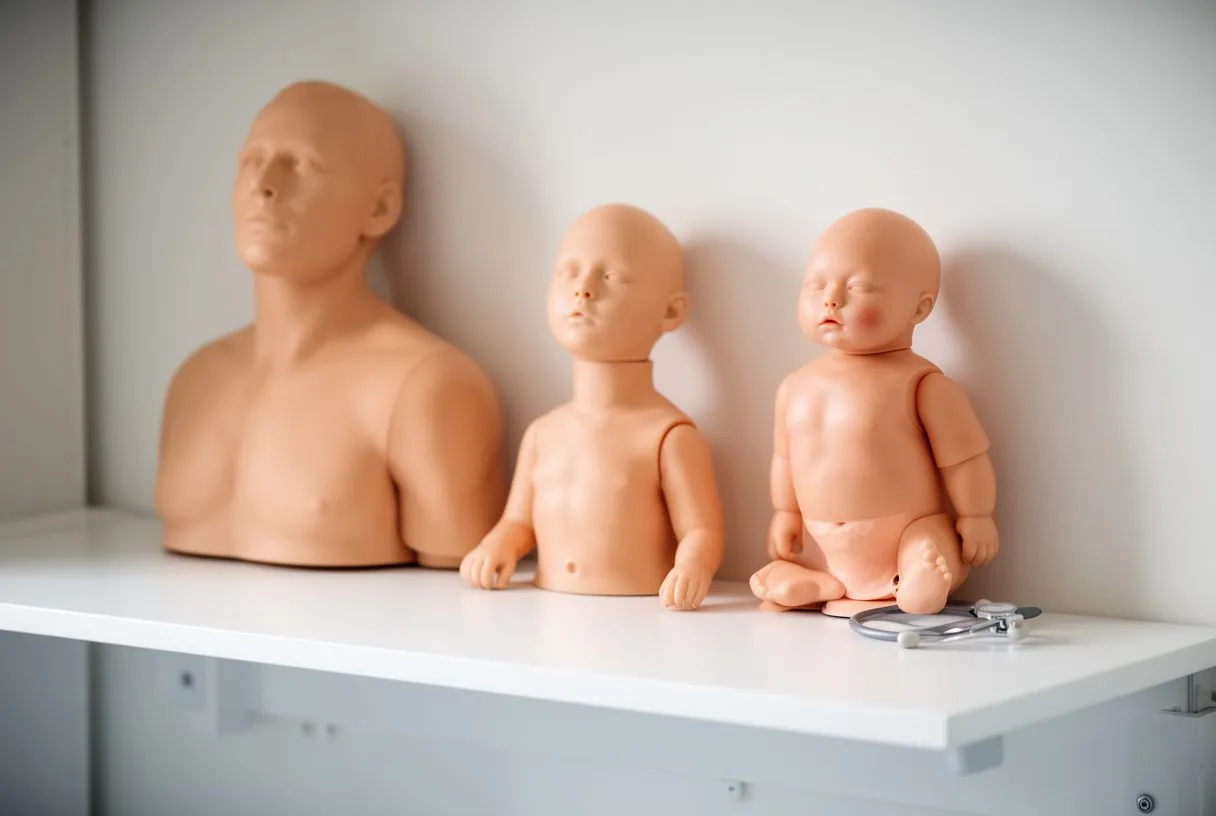
The fundamental CPR steps for cardiac arrest are similar across age groups, but the technique differs in important ways. For adults, use the heel of two hands in the center of the chest. For a child — roughly age one to puberty — use one or two hands depending on the child's size, compressing about one third of the chest depth. For an infant under one year, use two fingers in the center of the chest just below the nipple line. The compression rate remains 100 to 120 per minute for all ages.
Cause differences that change the approach: Adult cardiac arrest is usually a primary heart event — the electrical system fails. For children and infants, the most common cause is a breathing problem leading to a loss of oxygen, which then stops the heart. This is why rescue breaths are essential for pediatric CPR — the child's blood oxygen is already depleted before the heart stops. The sequence for children is often adjusted: if you are alone and witnessed a child collapse, call for help and start CPR. If you did not witness it and you are alone, give two minutes of CPR first, then call emergency services.
- Adult (puberty and older): Hands-only CPR acceptable; two-handed compressions, 2+ inches deep, 100–120/min. Call 911 first if alone.
- Child (1 year to puberty): Always include rescue breaths; one or two hands, ~2 inches deep. Give 2 minutes of CPR before calling if alone and unwitnessed.
- Infant (under 1 year): Two-finger compressions, ~1.5 inches deep; gentle rescue breaths covering both nose and mouth. Same call-first vs CPR-first rule as children.
Using an AED on children and infants: Most AEDs come with pediatric pads or a switch that reduces the shock energy. If only adult pads are available, you can still use them on a child — place one pad on the center of the chest and the other on the back, between the shoulder blades, to avoid the pads touching each other on a small chest. Never let the pads overlap or touch each other, as this can cause the current to arc between pads rather than pass through the heart.
Special CPR Considerations for Cardiac Patients
People who have undergone cardiac surgery or live with structural heart disease face unique considerations during cardiac arrest. A patient who has had sternotomy — the chest bone opened for valve surgery or bypass — may have a chest that is mechanically different. The sternum typically heals over six to eight weeks, and after full healing, CPR compressions can generally be performed as usual. However, in the early postoperative period, there is a real risk of sternal separation. Emergency responders and trained family members should not let this risk delay compressions — the priority is always restoring circulation.
Patients on anticoagulants and antiplatelet drugs: Many cardiac patients take blood thinners or antiplatelet drugs; warfarin or rivaroxaban may be used for atrial fibrillation, but mechanical heart valves require warfarin, because newer oral anticoagulants such as rivaroxaban are not suitable for them. Research on rivaroxaban following different dosage criteria in Asian patients with atrial fibrillation, published in the Journal of the American Heart Association, helps clinicians understand bleeding risk profiles for these patients. During CPR, anticoagulated patients may bruise more visibly, and if resuscitation involves procedures like inserting an arterial line, the risk of bleeding complications is higher. These factors do not change the CPR technique itself, but they matter for the medical team that takes over care after the arrest.
Implanted devices and surgical anatomy: Patients with a pacemaker or defibrillator implanted under the skin need pad placement adjusted — keep AED pads at least one inch away from the device. Those with an artificial heart valve or prior graft surgery may have altered chest anatomy, but external compressions still work by squeezing the heart between the sternum and spine. The Society of Thoracic Surgeons maintains comprehensive outcome data at sts.org that helps surgical teams counsel patients on long-term risks, including the rare event of postoperative cardiac arrest. If you are a family member of a recent surgical patient, ask the cardiac team before discharge whether any modifications to CPR are needed for your loved one's specific situation.
CPR Certification and Training Near Me
Formal CPR training builds muscle memory so that in a true emergency, you do not have to think — your hands know what to do. Certification courses are widely available through hospitals, community centers, fire departments, and organizations like the Red Cross and the American Heart Association. A basic course takes about three to four hours and covers adult, child, and infant CPR, AED operation, and choking relief. The certification is typically valid for two years before a refresher is required. Many employers — especially in healthcare, education, and fitness — cover the cost or require it as a condition of employment.
What a certification course actually teaches: You will practice compressions on a manikin with feedback devices that measure depth and rate. You will learn to assemble and operate an AED, manage choking in conscious and unconscious victims, and work through team-based scenarios. The course addresses legal protections too — most regions have Good Samaritan laws shielding voluntary rescuers from liability when they act in good faith. Knowing this protection exists helps people overcome the fear of being sued if something goes wrong.
Keeping skills fresh: Skills decay faster than people expect. Studies show that compressions skill quality drops significantly within three to six months of training, even though the certificate lasts two years. If you are the primary family caregiver for someone with heart disease, consider reviewing the steps every few months. Some training providers offer free refresher videos and mobile apps that walk you through the sequence in under five minutes. The investment of a weekend afternoon could make you the person who saves a life at home, at work, or in a public space.
Common Mistakes to Avoid During CPR
Even trained rescuers make errors under stress. Being aware of the most frequent mistakes helps you self-correct in real time. The first is compressing too slowly or too shallowly — often because the rescuer is afraid of hurting the person. The second is pausing too long between compressions to check for signs of life or adjust hand position. The third is failing to allow full chest recoil by leaning on the sternum. Each of these errors reduces blood flow to the brain and significantly lowers the chance of a successful resuscitation.
Timing, fatigue, and team rotation: Chest compressions are physically demanding. After one to two minutes, compression quality drops because the rescuer tires. If more than one person is present, rotate the person doing compressions every two minutes — ideally during the AED rhythm analysis to minimize pauses. A smooth switch takes under five seconds. If you are alone, push as long as you can and switch arms or adjust position if needed, but never stop for more than ten seconds. Fatigue is not a character flaw — it is physiology, and planning for it is part of good CPR.
- Too shallow: Less than 2 inches on an adult does not squeeze the heart enough to move blood.
- No full recoil: Leaning on the chest prevents the heart from refilling — each compression pumps less blood.
- Long pauses: Stopping to check pulse or wait for the AED longer than needed drops brain blood flow to zero.
- Wrong hand position: Too low or off-center can fracture the xiphoid process and cause internal injury without effective compressions.
For patients who have complex cardiac histories — including those with conditions like atrial flutter or structural heart disease managed with anticoagulation, as reviewed in clinical literature available through the Russian Journal of Preventive Cardiology — the underlying cause of arrest may differ, but the immediate CPR steps for cardiac arrest remain the same. The key takeaway is universal: push hard, push fast, allow full recoil, minimize interruptions, and use an AED as soon as one is available. If you witness someone collapse and they are unresponsive and not breathing normally, call emergency services, start compressions, and do not stop until help takes over or the person clearly recovers. We encourage every family affected by heart disease to discuss their specific emergency plan with a qualified cardiac team and to seek hands-on training — booking a consultation with your cardiologist is the right next step, not self-diagnosing or improvising when seconds matter.






