

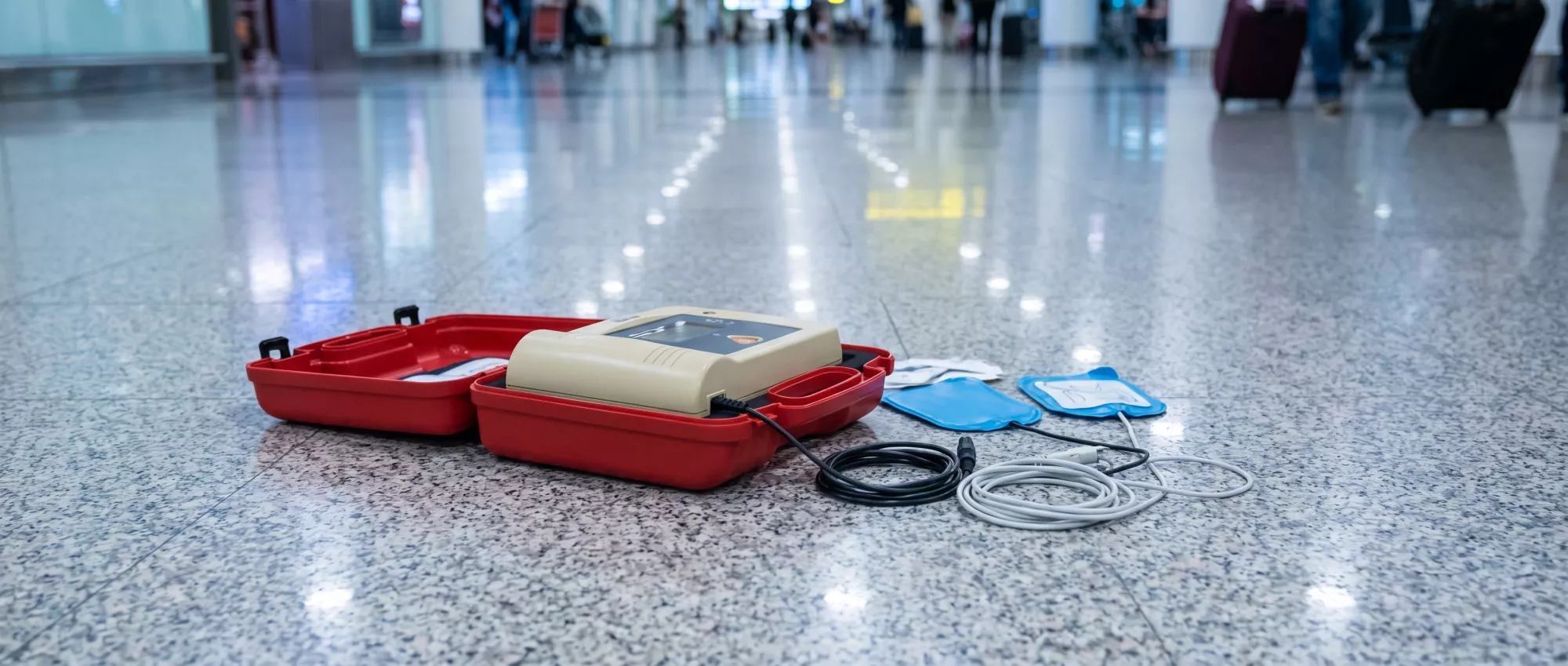
Automated External Defibrillator
Discover how an automated external defibrillator saves lives during cardiac arrest.
What Is an Automated External Defibrillator
An automated external defibrillator is a portable, life-saving medical device designed to treat sudden cardiac arrest. For a patient recovering from heart surgery, or for a family member caring for them, understanding this equipment provides peace of mind. It is specifically engineered to be used by ordinary people in the crucial moments before emergency medical services arrive, requiring no prior medical background to operate successfully.
Sudden cardiac arrest context: During a cardiac arrest, the heart's electrical system malfunctions, causing it to quiver rather than pump blood. This fatal rhythm prevents oxygen from reaching the brain. An automated external defibrillator analyzes the heart's rhythm and, if necessary, delivers an electric shock to help reset the heart back to a normal, healthy pumping pattern.
Having clear information about these devices is a vital part of any postoperative heart health journey. Because time is the most critical factor in survival, public health organizations strongly advocate for widespread access to this technology in homes, public areas, and community centers.
How Automated External Defibrillator Devices Work
These devices are brilliant examples of medical engineering made accessible. When you turn the machine on, it immediately begins communicating with the user through clear, calm voice prompts and visual instructions. The technology inside automatically analyzes the electrical activity of the heart the moment the sticky pads make contact with the patient's chest.
Deciding to shock: The automated external defibrillator will only instruct you to deliver a shock if it detects a specific, shockable chaotic rhythm. If the heart has stopped entirely or is beating normally, the machine will not allow a shock to be delivered. This built-in safeguard ensures that bystanders cannot accidentally shock someone who does not need it.
Once the device determines a shock is required, it charges up and clearly tells everyone to step back from the patient. After the shock is administered, many modern units will then guide the rescuer through performing CPR, creating a seamless bridge of continuous care until professional paramedics take over.
AED vs Manual Defibrillator Key Differences
Understanding the difference between an automated external defibrillator and a manual defibrillator is helpful for families navigating cardiac care. A manual defibrillator is a complex piece of hospital equipment used by trained physicians and paramedics in operating rooms and ambulances. It requires the operator to read and interpret the heart rhythm themselves and manually select the exact energy level for the shock.
User autonomy: The primary distinction lies in decision-making. With a manual device, the clinician decides everything. With an AED, the machine reads the rhythm, decides if a shock is warranted, and dictates the timing, effectively removing human error from a high-stress emergency situation.
For a family at home or an untrained bystander in a mall, an automated external defibrillator is the only viable option. It acts as a digital medic in the room, translating complex clinical diagnostics into simple, safe, and actionable physical steps.
- Analysis: AEDs provide automatic rhythm interpretation, whereas manual units require clinical expertise to read the waveform.
- Energy: Manual defibrillators allow custom energy dosing, while AEDs use pre-programmed, escalating energy protocols.
- Access: AEDs are designed for public spaces, whereas manual units are strictly controlled by medical professionals.
How to Use an AED for Cardiac Arrest
Learning how to use an AED is surprisingly straightforward because the device guides the entire process. If someone collapses suddenly and is unresponsive, the first step is to call emergency services. Once the device is retrieved and turned on, the voice prompts will instruct you to place two pads on the bare chest of the patient.
Pad placement: One pad goes on the upper right side of the chest, just below the collarbone, and the other goes on the lower left side, just below the armpit. This specific placement ensures the electric current travels effectively through the heart muscle to reset the rhythm.
After the pads are applied, the machine takes over analysis. You simply follow the vocal instructions: stop touching the patient while it analyzes, and ensure nobody is touching the patient when the button is pressed to deliver the shock. When considering home readiness after a cardiac event, families often explore a portable AED unit for home use to ensure immediate response capability.
Public Access Defibrillation and AED Placement Guidelines
Public access defibrillation refers to the strategic placement of these devices in accessible public locations so they can be retrieved and used within minutes of a collapse. Time is the absolute most critical element in surviving cardiac arrest, making location guidelines essential for community safety.
Optimal positioning: AEDs should be placed in highly visible, unobstructed areas where large crowds gather or where high-risk individuals might pass through. Typical placement includes lobbies of large office buildings, airports, sports arenas, and shopping malls. The goal is to ensure a bystander can retrieve the device and bring it to the victim within three minutes.
Cardiac surgery patients often worry about exerting themselves during recovery. While a structured recovery is important, understanding community access to these devices provides a safety net. Many public facilities also invest in a wall-mounted emergency defibrillator cabinet to protect the device while keeping it clearly marked and accessible to staff and visitors.
Are Portable Defibrillators Safe for Bystanders
A common fear among bystanders is the risk of hurting the patient or accidentally shocking themselves. Bystander safety is built into the very foundation of how an automated external defibrillator functions. The device is completely safe to touch and operate, provided you follow the simple instruction to stand clear during the shock delivery.
Myth vs reality: People often believe the shock could jump to the person performing CPR or touching the patient's clothing. The electrical current is delivered strictly between the two pads on the chest. As long as no one is in direct contact with the patient's body when the shock button is pressed, there is zero risk to the rescuer.
Furthermore, the machine will never allow a shock to be delivered if the person is not in a shockable rhythm. If you accidentally place the pads on a breathing person with a normal pulse, the AED will simply read the rhythm, determine it is normal, and instruct you not to shock.
Importance of AED Training and Maintenance
While these devices are designed for untrained use, proper AED training builds immense confidence and shaves critical seconds off response times. Knowing exactly how to open the unit, expose the chest, and apply the pads before an emergency occurs removes the panic from an already terrifying situation.
Device upkeep: Like any piece of medical equipment, an automated external defibrillator requires basic maintenance to function reliably. The adhesive pads have expiration dates, as the gel that conducts electricity dries out over time. The backup batteries also need periodic replacement to ensure the unit holds enough charge to deliver a life-saving shock.
- Check expiration dates: Inspect the sealed pad packages at least once a year to ensure the conductive gel remains viable.
- Battery indicators: Pay attention to the device's status indicator light or chirping sound, which signals when a battery change is needed.
- Refresh training: Take a brief refresher course every couple of years to maintain muscle memory and confidence.
Choosing a Defibrillator for Cardiac Arrest Recovery
When a loved one is recovering from heart surgery, families often evaluate their home safety equipment. Deciding to bring a device into the home requires consulting with the surgical team and cardiologist. They can provide guidance on whether the specific cardiac history makes owning a unit a prudent investment for long-term peace of mind.
Cost considerations: People often research automated external defibrillator cost when building out their home emergency plans. While these machines are a significant financial investment, they offer immense psychological comfort for caregivers. Knowing that the tools to handle a sudden arrhythmia are sitting in the hallway closet allows families to focus on recovery rather than living in fear.
When discussing options with a physician, ask about the durability of the device, the clarity of the voice prompts, and whether the unit provides CPR coaching. Selecting a device that talks the user through the process is invaluable during a panicked, high-stress emergency.
Understanding Defibrillator Pads and Safety
The pads are the critical connection between the machine and the human body. Defibrillator pads come in different sizes, typically adult and pediatric. The pediatric pads reduce the energy delivered to the heart, which is crucial if the device is ever needed for a child. Most public devices come with adult pads installed, but many have a separate key or a set of pediatric pads stored in the carrying case.
Skin preparation: For the electrical current to pass effectively, the pads must make solid contact with the skin. If a patient has a very hairy chest, the hair must be quickly shaved off in the areas where the pads go. If the chest is wet from sweat or rain, it must be toweled dry before applying the pads, otherwise the electricity will travel across the skin rather than through the heart.
Understanding these physical requirements ensures that the rescue is not delayed.
Summary of Automated External Defibrillator Preparedness
Understanding the role of an automated external defibrillator in treating sudden cardiac arrest empowers patients and families alike. This portable, user-friendly device acts as an immediate lifeline during a crisis, analyzing dangerous heart rhythms and delivering a controlled shock to restore a normal beat before paramedics arrive.
From knowing the difference between a manual and an automated unit to understanding public placement guidelines, being informed removes the fear from emergency preparedness. The safety features built into the machine are designed to keep bystanders from accidentally injuring themselves or delivering an inappropriate shock.
As you navigate recovery after a cardiac event, prioritize safety and education. Whether you learn how to use an AED through a community course or simply familiarize yourself with the units in your local community centers, this knowledge is a powerful tool in protecting the long-term heart health of you and your loved ones.






