

Cardiac Arrest
Understand cardiac arrest: causes, warning signs, and emergency treatment.
What is cardiac arrest?
When a person experiences cardiac arrest, their heart suddenly stops beating effectively. This is a critical medical emergency that halts blood flow to the brain and other vital organs. Without immediate intervention, this condition can be fatal within minutes. For patients preparing for heart surgery or recovering from a major cardiac event, understanding this term helps clarify why close monitoring in the intensive care unit is so vital.
During a normal rhythm, the heart acts as a pump, delivering oxygen-rich blood throughout the body. Cardiac arrest occurs when the electrical system of the heart malfunctions, disrupting this steady rhythm. The heart cannot pump blood to the lungs or brain, leading to a rapid loss of consciousness and a sudden loss of pulse. It is distinct from a breathing problem, though breathing will stop without urgent assistance.
Why heart surgery patients need to know: The cardiac electrical pathways are highly sensitive, and surgical recovery involves carefully managing these electrical signals. Patients are monitored continuously post-operatively to catch any arrhythmias that could lead to a sudden cardiac event. Knowing the definition empowers families to recognize the severity of the recovery environment and the specialized care provided by the clinical team.
Cardiac arrest vs heart attack?
Many people use these terms interchangeably, but they represent two completely different medical events. A heart attack is a circulation problem caused by a blocked artery, whereas cardiac arrest is an electrical problem that stops the heart from beating. Understanding the difference helps patients grasp the various risks associated with heart disease and surgical recovery.
A heart attack occurs when a coronary artery is blocked, starving a portion of the heart muscle of oxygen. The heart usually continues to beat, though the damaged muscle weakens over time. In contrast, sudden cardiac arrest happens when the electrical system fails, stopping the heart's pumping action immediately. While they are distinct, a severe heart attack can sometimes trigger an electrical malfunction, leading to a secondary arrest.
- Heart Attack: A plumbing problem where blood flow to the heart muscle is blocked.
- Arrest: An electrical problem where the heart's pumping action suddenly stops.
- Shared Risk: Both require immediate emergency medical attention to prevent severe organ damage.
For heart surgery patients, surgeons work to fix the plumbing by bypassing blocked arteries or replacing valves. Post-operative care heavily focuses on stabilizing the electrical system to ensure the repaired heart maintains a healthy, continuous rhythm. Recognizing how these two conditions interact helps families understand the comprehensive approach taken during cardiac rehabilitation.
What causes cardiac arrest?
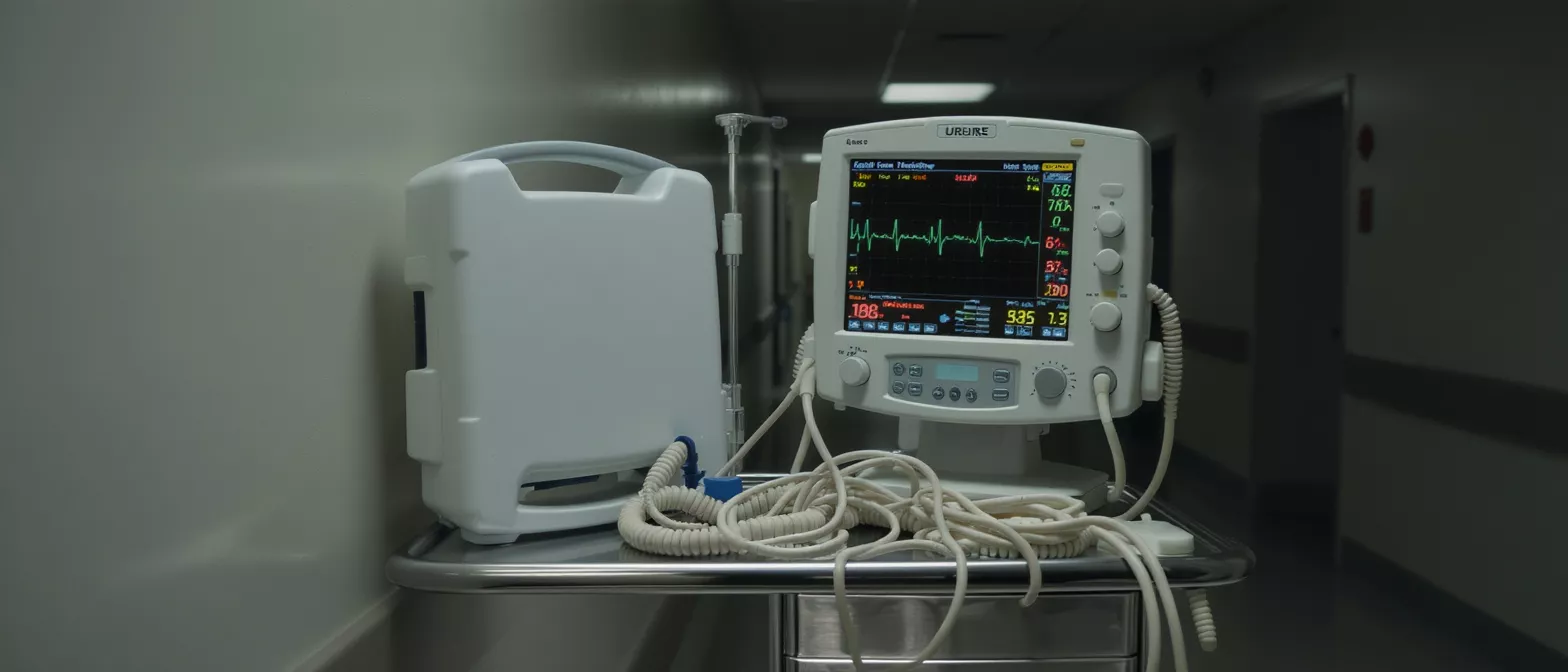
The primary causes stem from severe disruptions to the heart's electrical system. The most common culprit is an arrhythmia, specifically ventricular fibrillation, where the lower chambers of the heart quiver uselessly instead of pumping blood. These electrical storms can be triggered by pre-existing heart disease, structural abnormalities, or acute stress on the cardiac muscle. Finding a reliable advanced cardiac monitoring device is a standard procedure in hospitals to detect these arrhythmias early.
Coronary artery disease: This is a leading underlying cause, as narrowed arteries restrict blood flow and damage heart tissue. When the heart muscle is starved of oxygen, it becomes highly irritable and prone to dangerous electrical spikes. Patients undergoing bypass surgery are treated precisely to relieve these blockages and reduce the long-term risk of sudden electrical failure.
Other structural heart changes, such as an enlarged heart muscle or severe valve disease, can also alter the electrical pathways. The heart's physical stretching and thickening disrupt the normal flow of electrical impulses. Cardiac surgery, including valve repair or replacement, directly addresses these structural risks to restore normal anatomy and stabilize the electrical grid.
What are cardiac arrest warning signs?
Often, this event occurs with no prior warning, striking suddenly and without preamble. However, some individuals experience early signs that a major cardiac event is approaching. Recognizing these symptoms can be the difference between life and death, emphasizing the importance of patient education before and after surgical interventions. It is crucial to remember that true sudden cardiac death happens in minutes, making rapid response essential.
Symptoms in the moments before: Some patients report chest discomfort, shortness of breath, or a sudden feeling of weakness in the hours leading up to the event. Others might experience heart palpitations, a racing heart, or a sudden feeling of lightheadedness. If a patient recovering from heart surgery experiences these acute changes, they must alert nursing staff immediately for rapid electrocardiogram assessment.
The most definitive sign of the event itself is a sudden collapse, accompanied by a total loss of responsiveness and the absence of a normal pulse. The person will not breathe normally, gasping or completely stopping their respiratory effort. Because the brain begins to die within minutes without oxygen, waiting for additional symptoms is not an option.
How to execute a cardiac arrest emergency response?
When a person collapses, immediate action is the only chance for survival. The cardiac arrest emergency response relies on a simple but critical chain of survival. First, call for emergency help immediately. Second, begin aggressive CPR to manually pump blood to the brain and organs until advanced help arrives. Using an automated external defibrillator unit is crucial, as it can analyze the heart rhythm and deliver a shock if necessary to reset the heart's electrical system.
Cardiopulmonary resuscitation keeps oxygenated blood moving through the body, buying vital time. Even hands-only CPR, pushing hard and fast in the center of the chest, can double or triple a person's chances of survival. The goal is to keep the brain and organs perfused until the underlying electrical malfunction can be corrected. Family members of heart patients should strongly consider taking a basic life support course before surgery.
Defibrillation is the definitive treatment for the most common lethal arrhythmias. Modern public spaces and hospital wards are equipped with automated external defibrillators that provide voice instructions. These devices are designed for use by laypeople and ensure that the shock is only delivered when the heart rhythm is truly in a state that requires resetting.
What are cardiac arrest risk factors?
Identifying cardiac arrest risk factors is a major part of preventive cardiology and surgical planning. A previous heart attack is a significant risk factor, as the resulting scar tissue can disrupt electrical pathways. Other major risk factors include coronary artery disease, a family history of sudden cardiac events, and severe structural heart valve abnormalities. Smoking, obesity, and uncontrolled diabetes also compound these risks over time.
Genetic and lifestyle factors: Some individuals are born with inherited arrhythmia syndromes that make their hearts highly susceptible to sudden electrical failure. Lifestyle factors like excessive alcohol consumption, illicit drug use, and severe chronic stress can also act as triggers. Heart surgeons evaluate these comprehensive risk profiles when deciding if surgical intervention is the best path to prevent a catastrophic cardiac event.
For patients with diagnosed severe heart disease, the risk is closely tied to the heart's pumping capacity, measured by the ejection fraction. A severely weakened heart muscle struggles to maintain a steady electrical rhythm. Surgical procedures aim to improve this pumping efficiency, thereby directly lowering the statistical likelihood of a sudden fatal arrhythmia.
Can cardiac arrest in young adults happen?
While less common, cardiac arrest in young adults does happen, often striking seemingly healthy individuals. When this occurs in younger populations, it is usually linked to undiagnosed genetic conditions rather than lifestyle-driven coronary artery disease. Hypertrophic cardiomyopathy, an abnormal thickening of the heart muscle, is a leading cause in young athletes. This structural abnormality makes it harder for the heart to pump and can disrupt the electrical grid during intense physical exertion.
Other genetic conditions, like Long QT syndrome or congenital coronary artery anomalies, can also trigger fatal arrhythmias in young people. These conditions may not present noticeable symptoms until a sudden stressor triggers an electrical storm. Sometimes young patients with these complex structural issues require surgical intervention to reshape the heart and eliminate the electrical hazard.
Because these events often happen during sports, awareness and access to defibrillators at athletic facilities are critical. Identifying young people at risk often involves screening for family histories of unexplained fainting or sudden death. In cases where structural surgery is indicated, early intervention can completely resolve the risk and allow a return to normal activities.
What is cardiac arrest treatment?
Immediate treatment combines high-quality CPR and rapid defibrillation to restore a normal heart rhythm. Once the patient is stabilized, comprehensive cardiac arrest treatment focuses on identifying and reversing the underlying cause. In the hospital, doctors use advanced imaging and catheterization to check for blocked arteries or structural damage. Depending on the findings, patients might require medications, stent placement, or urgent surgical intervention to correct the root problem.
Advanced hospital interventions: After spontaneous circulation is restored, patients are often cared for in a specialized intensive care unit. Medical teams may use targeted temperature management, cooling the body to reduce brain damage and protect neurological function. If severe coronary disease is the culprit, patients are frequently scheduled for bypass surgery to restore long-term blood flow, often utilizing post-operative cardiac recovery equipment.
Pharmaceutical treatments are also heavily utilized to stabilize the heart muscle and prevent future arrhythmias. Anti-arrhythmic drugs help keep the electrical pathways steady, while beta-blockers reduce the workload on the heart. Patients who have survived an arrest may also be candidates for an implantable cardioverter-defibrillator, a small device surgically placed in the chest to automatically shock the heart if a lethal rhythm returns.
What does post cardiac arrest care involve?
Surviving the initial event is just the first hurdle in a long journey. Post cardiac arrest care is highly complex, focusing on neurological recovery, cardiac stabilization, and psychological support. Because the brain is deprived of oxygen during the event, patients are carefully monitored for brain function and cognitive recovery. The clinical team works to optimize oxygen delivery to the brain while preventing secondary damage from swelling or inflammation.
Cardiac rehabilitation begins as soon as the patient is stable and able to participate in supervised physical activity. This structured program helps the heart heal, rebuilds physical strength, and educates patients on necessary lifestyle modifications. For those who have undergone heart surgery following their arrest, this rehabilitation phase is crucial for ensuring the surgical repairs hold and the heart functions optimally.
Families are integral to the recovery process, as the psychological impact of surviving sudden cardiac death is profound. Anxiety, depression, and fear of recurrence are common. Support groups and counseling are frequently recommended to help patients and their loved ones process the trauma and confidently move forward with their lives.
How to focus on cardiac arrest prevention?
Prevention is the ultimate goal of all cardiac care. Cardiac arrest prevention strategies rely heavily on managing underlying risk factors and maintaining a healthy lifestyle. This includes quitting smoking, adopting a heart-healthy diet low in saturated fats, and maintaining a regular exercise routine. Controlling chronic conditions like high blood pressure, diabetes, and high cholesterol is equally essential to keep the heart's plumbing and electrical systems functioning smoothly.
Surgical and medical prevention: For heart surgery patients, the operation itself is a major preventative measure. Bypassing diseased arteries or repairing faulty valves removes the structural stress that can trigger an electrical failure. Post-surgery, patients are closely monitored and often prescribed medications to stabilize heart rhythms and prevent clotting, ensuring the repaired heart remains strong and resilient.
Ultimately, long-term prevention requires a partnership between the patient and their cardiology team. Regular check-ups, adherence to prescribed medications, and ongoing communication about new symptoms are vital. By combining surgical precision with dedicated lifestyle management, patients can dramatically reduce their risk and look forward to a healthier future.
Understanding the risks, causes, and treatments for this severe cardiac event is essential for patients navigating heart surgery. Trusting an expert cardiology team ensures that both the surgical and electrical systems of your heart are expertly managed. By staying informed and proactive, patients and families can face the surgical journey with confidence and clarity.






