Cardiac arrest vs heart attack: are they the same?
Cardiac arrest vs heart attack: learn the critical differences, symptoms, and emergency actions that could save a life.
They are used interchangeably and they are not the same. The difference decides what you should do in an emergency. Cardiac arrest vs heart attack: here is the difference in plain words.
Cardiac arrest and heart attack are used interchangeably in the media. They are not the same thing, and the difference decides what you should do in an emergency.
You have surely heard repeatedly on television, radio and in the media about someone dying of a cardiac arrest or an acute myocardial infarction. The terms are generally used as one, interchangeable, without giving us any real insight into what is actually happening.
Do they seem the same to you? Most people say yes. Guess what? They are not the same.
In this article we discuss two conditions that can have serious consequences for the health of the heart: acute myocardial infarction and cardiac arrest. They are often confused, but they are two very different things.
Heart attack
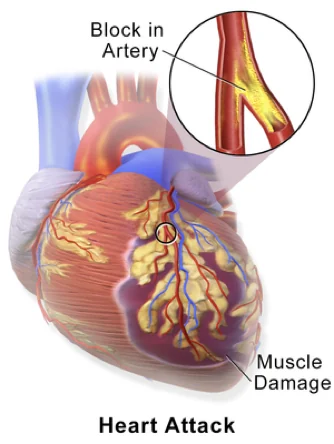
Acute myocardial infarction is a medical emergency occurring when there is an obstruction in a coronary artery. These are the arteries on the surface of the heart muscle with the vital role of supplying it with oxygen-rich blood.
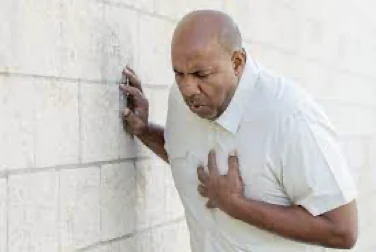
The lack of blood and oxygen supply, as happens with acute partial or total obstruction of these arteries, can cause permanent damage to the heart muscle. That can lead to a series of symptoms: chest pain, sweating, nausea, pain in the arm or jaw, and difficulty breathing. People frequently describe it as feeling "as though an elephant were sitting on my chest".
Sometimes the chest pain is not so obvious, especially in women and in people with diabetes. In those cases the symptoms can include fatigue, nausea, pain that is mistaken for gastritis or reflux, and other symptoms that are not so specific or classic.
The most important point is that if there were a total obstruction of the artery, flow would cease completely, and that is when we speak of an acute myocardial infarction. The heart muscle cannot survive long without that flow, which is why, very early in a doctor's career, we are taught this:
Time is muscle.
That phrase means that the faster you receive medical attention, the greater your chances of saving the heart that is suffering. We cover this in depth in our guide to what a heart attack is.
Cardiac arrest
Cardiac arrest is a medical emergency occurring when the heart stops beating suddenly — but when we speak of cardiac arrest we are referring to a problem in the electrical conduction of the heart.
That is, the electrical conduction system, which for various reasons can produce arrhythmias — including genetic factors that do not necessarily have anything to do with our way of living. The symptoms include sudden loss of consciousness and absence of a pulse. Here, rapid emergency response is vital to saving the patient's life.
If you suspect someone is having a cardiac arrest, call the emergency number immediately and begin cardiopulmonary resuscitation (CPR) until medical help arrives. If you do not know CPR, start looking today for a certified course. You could save a life.
Prevention
To prevent these conditions it is essential to lead a healthy life. That includes a balanced diet, regular exercise, and avoiding smoking and excessive alcohol. It is also important to control blood pressure, cholesterol and blood sugar, especially if there is a family history of heart disease.
If you have risk factors — high blood pressure, diabetes, high cholesterol, obesity or a family history — it is important to talk to your doctor about how to reduce your risk. But basically none of this is anything you do not already know. It is the same thing your mother told you as a child: exercise, eat well, don't smoke, don't drink, keep good company, get checked. The same! Give your mother a medal.
Knowing the symptoms of a heart attack and of cardiac arrest can also help you act quickly to save a life. Learning basic CPR matters so you can give immediate care in an emergency. The American Heart Association recommends that everyone learn basic CPR so they can respond to a cardiac emergency.
Small changes to your diet — adding more fruit and vegetables, reducing processed foods and saturated fats — can have a large impact on heart health. The same thing your mother said.
Exercising regularly is also key to keeping the heart in good shape. Even walking or doing moderate physical activity for 30 minutes a day can make a great difference. If you currently lead a sedentary life, start gradually and try to increase the amount of exercise over time. This small habit could add years to your life — above all, years of quality.
Treatment
Treatment for an acute myocardial infarction and for a cardiac arrest can vary significantly depending on the severity of the condition and the state of the patient. In both cases emergency treatment must begin immediately to minimise damage to the heart and improve the chances of recovery.
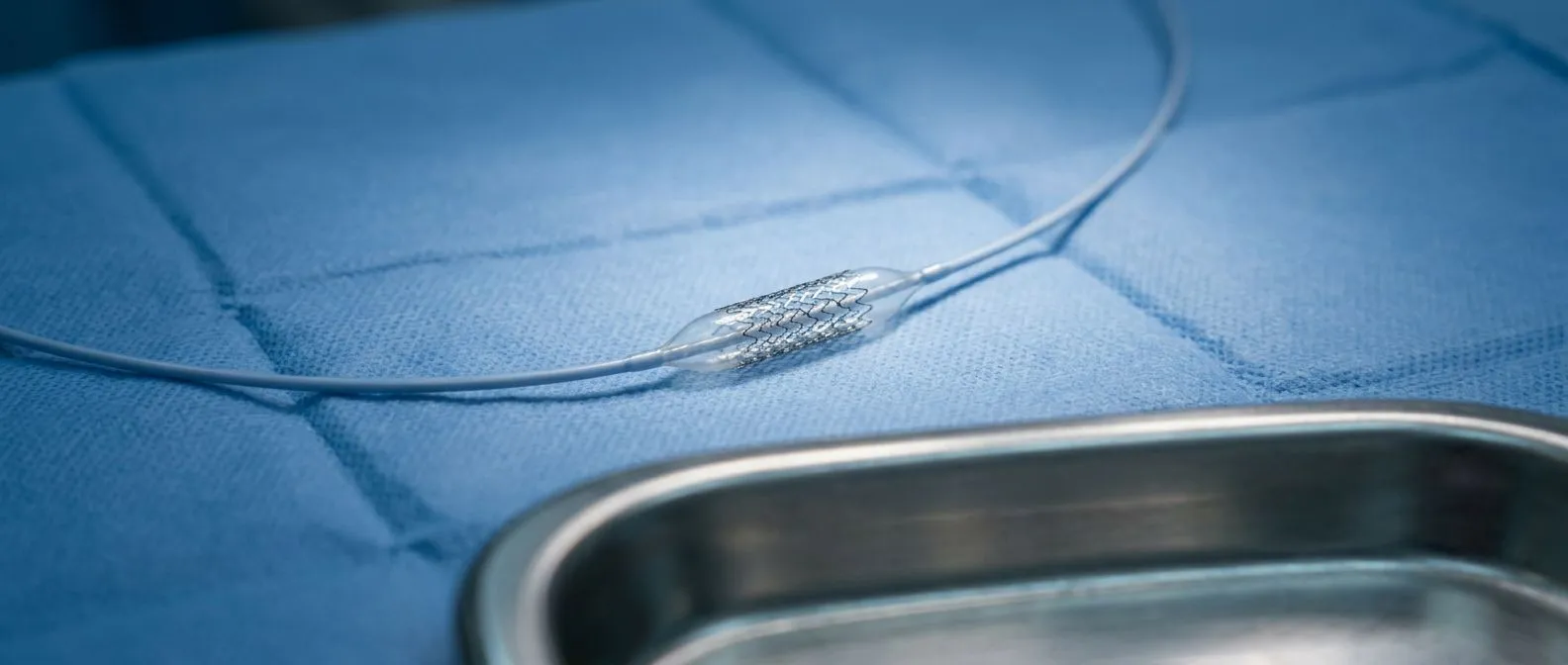
For an acute myocardial infarction, initial treatment can include several medicines to relieve the chest pain and improve blood flow to the heart. If the blockage in the artery is significant, coronary angioplasty with a stent may be needed to open the artery and restore flow.
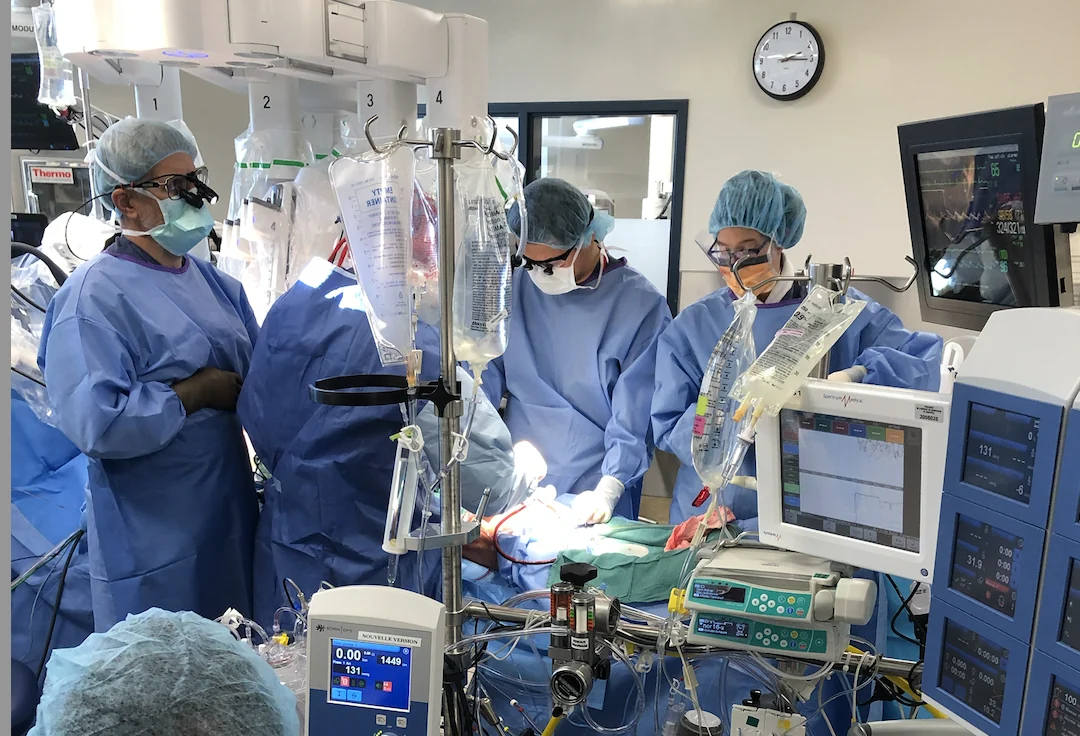
In some cases, where the obstruction is more complex or affects several arteries, coronary bypass surgery may be required to restore blood flow. This is open-heart surgery, which usually has excellent results and long-term benefits, particularly compared with a stent.
Coronary bypass surgery is used in patients with severe coronary artery disease and significant obstruction in one or more coronary arteries. During the operation a segment of an artery or vein is taken from elsewhere in the body and used to create a new conduit that bypasses the obstruction and lets blood flow freely to the heart.
Surgery is generally performed after the patient has been stabilised and given initial medical treatment such as aspirin and nitroglycerin. Bypass surgery can help prevent future heart attacks and improve quality of life.
It is important to bear in mind that bypass surgery is a major procedure carrying some risks and requiring a prolonged recovery. The decision to operate should therefore be considered carefully and discussed with the treating medical team, weighing the risks and benefits in each particular case.
Cardiac arrest vs heart attack: the fundamental difference
In the case of a cardiac arrest, since this is not an obstruction of the coronary arteries but an electrical disturbance, emergency treatment involves cardiopulmonary resuscitation to maintain the circulation, and the administration of electric shocks with a defibrillator to restore normal heart rhythm. In some cases medication may be needed to stabilise the rhythm.
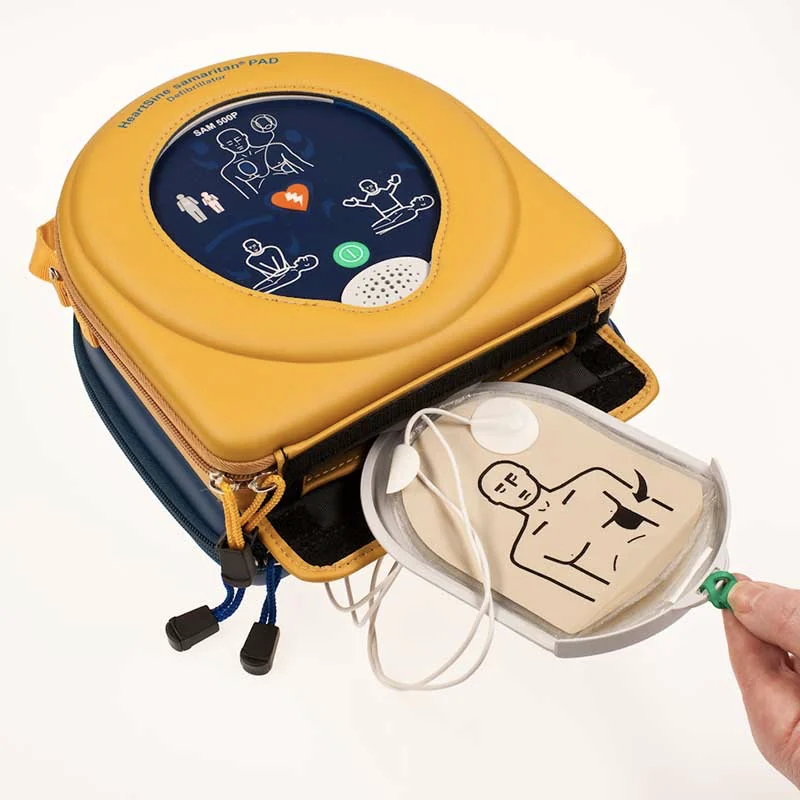
The defibrillators available today are usually automatic — the well-known AEDs, automated external defibrillators. The truth is that anyone can use them; it is not complicated.
The problem is that there are not enough of them in public places. There should be one in every park, every gym, every shopping centre, every school, every sports ground — one everywhere. Everywhere! The problem is that there is neither the social nor the governmental awareness to establish mass campaigns for prevention, CPR and AED use.
As a good friend and great cardiologist and electrophysiologist, Dr Manuel Celaya, says: CPR and AEDs save lives.
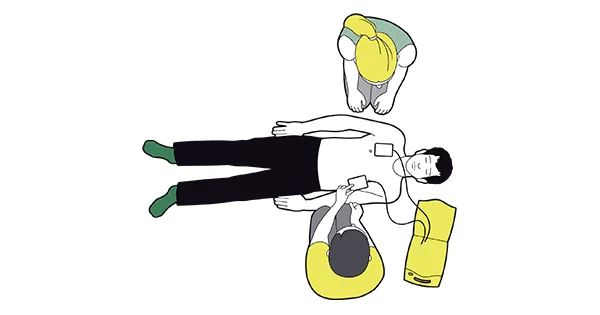
I promise you, the day AEDs are distributed on a mass scale, we will hear less and less about people who died in the square, at the gym, in the park, playing sport. Many more lives can be saved.
Once the patient is stabilised, continuing medical care may be needed to control and treat any underlying condition such as heart disease. Treatment can include medication to control blood pressure, reduce cholesterol and prevent blood clots, along with lifestyle changes. In almost all cases, regular follow-up with a cardiologist will be necessary to monitor cardiac health and carry out diagnostic tests such as electrocardiograms and echocardiograms.
Heart attack symptoms and myocardial infarction signs at a glance
We often meet patients who waited hours at home before seeking help. Many thought the discomfort would pass. Knowing the common heart attack symptoms makes it easier to act early.
The classic myocardial infarction signs include:
- Pressure, tightness or pain in the centre of the chest that lasts more than a few minutes, or goes away and comes back.
- Pain that spreads to one or both arms, the neck, the jaw, the back or the upper abdomen.
- Shortness of breath, with or without chest discomfort.
- Cold sweat, nausea, light-headedness or unusual tiredness.
Remember that women, older people and people with diabetes may have milder or less typical symptoms. A person having a heart attack is usually awake and talking. That is a key clue in the cardiac arrest vs heart attack question.
Heart emergency first aid: what to do in the first minutes
Whatever the answer to cardiac arrest vs heart attack, good heart emergency first aid starts with one simple step. Call the emergency number straight away. Do not drive the person to hospital yourself unless there is truly no other option.
If you suspect a heart attack and the person is conscious:
- Help them sit or rest in a comfortable position and keep them calm.
- Loosen tight clothing and stay with them until help arrives.
- Follow the advice of the emergency operator, who may suggest chewing an aspirin if the person is not allergic to it.
If the person collapses, does not respond and is not breathing normally, treat it as a cardiac arrest emergency:
- Call for help and ask someone to bring an AED.
- Start chest compressions in the centre of the chest, hard and fast, at about 100 to 120 per minute.
- Switch on the AED as soon as it arrives and follow its voice prompts.
- Keep going until the paramedics take over or the person starts breathing normally.
Cardiac arrest vs heart attack: how one can lead to the other
The two conditions are different, but they are linked. A heart attack damages heart muscle. Damaged or starved muscle can trigger a dangerous, chaotic rhythm. That rhythm can stop the heart from pumping, which is a cardiac arrest.
This is why coronary artery disease is the most common cause of cardiac arrest in adults. It is also why we insist on treating heart attacks quickly and controlling risk factors for life. Seen this way, cardiac arrest vs heart attack is less a contest and more a chain of events. Breaking that chain early saves lives.
Other causes of cardiac arrest exist too. They include inherited rhythm disorders, heart muscle diseases and severe valve disease. Your cardiologist can tell you whether you need any tests if there is a family history of sudden death.
Control what you can control
Acute infarction and cardiac arrest are two serious but different cardiac conditions. It is important to know the differences between them and to be alert to the symptoms of each. It is also vital to lead a healthy life, control the risk factors and learn basic CPR so you can respond properly in a cardiac emergency.
The heart has peculiar ways of warning us that something is not right. It can start with subtle symptoms — palpitations, breathlessness, a reduced capacity to exercise or to do the activities we normally did without difficulty. These milder symptoms can come before what we usually recognise as crushing chest pain, pain in the arm or jaw, sweating. The key is knowing how to listen to them.
In my clinical experience, we men tend to ignore these warnings for longer — we tend to play dumb, wanting to justify it with some other reason and not wanting to accept that something is wrong. Do not become part of that statistic. If you feel something is not right, you are usually correct.
Success in all of this lies in prevention and in being well informed. Get checked regularly by a doctor who has earned your trust.
If you read this far, congratulations — and remember: we are here for you. In the meantime, learn CPR and how to use an AED.
Live well, live better, live healthy.

About the author
Dr Alejandro Molina is a cardiovascular surgeon practising in Guadalajara, Querétaro and Hermosillo. He trained in cardiothoracic surgery at the Universidad de Guadalajara, completed advanced training in cardiac surgery, minimally invasive surgery, robotic surgery and structural interventions at the University of Montreal, and a fellowship in structural cardiology and TAVR at CHU Bordeaux, France. He performed the first robotic mitral valve repair in the Ángeles Health System and the first robotic heart surgery in Guadalajara.
Medical degree: Universidad Autónoma de Guadalajara, Cédula Profesional 5757260 · Cardiothoracic surgery: Universidad de Guadalajara, Cédula de Especialidad 10768871 · Current certification, Consejo Nacional de Cirugía del Tórax, no. 447
Talk to a specialist
Request a free video consultation to clear up your questions and make a better-informed decision.