Why Choose a High-Volume Centre for Heart Surgery
High-volume centre heart surgery delivers better outcomes and lower complications.
Choosing where — and by whom — your heart operation is performed may matter as much as the operation itself. Research consistently shows that outcomes differ between a high-volume centre for heart surgery and a hospital that performs these procedures only occasionally. This guide explains what "volume" means, why it influences safety, and how to weigh it alongside cost, travel and second opinions when you are deciding on surgery for yourself or a family member.
What Is a High-Volume Centre for Heart Surgery?
Volume means the number of procedures a hospital or surgeon performs each year. A high-volume centre for heart surgery is a hospital where cardiac operations — coronary bypass, valve repair or replacement, aortic surgery, structural heart procedures — are carried out regularly, not as occasional events. Regularity shapes everything: the operating room team knows the routine, the equipment is maintained and familiar, and the intensive care unit staff see post-operative hearts every week.
Volume is a marker of a whole system, not just a surgeon. Behind every operation stands an anaesthesia team experienced in cardiac cases, perfusionists who manage the heart-lung machine, nurses who recognise early complications, and a rehabilitation service that has guided hundreds of recoveries. At a centre that operates rarely, each of those links in the chain is less practised, and the weakest link determines the outcome as much as the surgeon's hands do.
In our practice, this is why every case is reviewed by the multidisciplinary team against international practice guidelines before a recommendation is given. Where the patient's anatomy and condition suit it, we also offer minimally invasive, robotic and transcatheter options — and we recommend the less invasive route only where the evidence supports it for that specific patient.
Why Does Surgeon and Hospital Experience Matter?
Experienced heart surgeon, high-volume team: the learning curve is real. Complex procedures have a learning curve — a documented period during which complication rates fall as a team gains experience. Robotic mitral valve repair and transcatheter aortic valve replacement (TAVR) are clear examples. An experienced team anticipates problems before they become emergencies, selects the right approach for the right anatomy, and converts smoothly to an open operation when needed.
Hospital experience affects the "rescue" capacity. Even in the best hands, complications happen. What differs at a high-volume centre is how quickly they are recognised and treated: the ICU team has seen the warning signs many times, the blood bank is geared to cardiac cases, and a second surgical opinion is minutes away rather than hours. This is sometimes called failure-to-rescue, and it explains a significant part of the difference in outcomes between centres.
Stroke volume — the amount of blood the heart pumps with each beat — is one of the measurements watched closely in the first hours after surgery, because a falling trend is often the earliest sign that something needs attention.
How Many Heart Surgeries Per Year Is High Volume?
There is no single universal threshold, but published research offers useful benchmarks. Studies in surgical volumes typically define "high volume" relative to the procedure in question: for pancreatic or complex cancer surgery, national quality bodies have used thresholds as low as 10–20 cases per year, while for more common operations the numbers run higher. For cardiac surgery, what matters most is not a magic number but regularity — a team performing several cases a week lives inside the routine; a team performing a handful a year does not.
When you evaluate a hospital, it is fair and reasonable to ask directly: how many of this specific procedure does this team perform here, each year? You can also ask about the surgeon's personal series and the centre's published or audited results. A confident, experienced team will answer these questions without hesitation.
- Ask per procedure, not per specialty: a hospital may do many cardiac cases overall but very few of the specific operation you need, such as robotic mitral repair.
- Ask about the whole team: anaesthesia, perfusion and ICU experience matter as much as the surgeon's count.
- Ask how results are tracked: centres that measure their own outcomes are usually the ones improving them.
High-Volume Centre vs Low-Volume Heart Surgery
The volume-outcome relationship is one of the most studied findings in surgery. Across many procedures, research has shown that mortality and complication rates tend to be lower where the operation is performed more often. The effect is strongest for complex, lower-frequency operations — exactly the profile of many cardiac procedures, from aortic root surgery to reoperative bypass. The difference between high-volume centre vs low-volume heart surgery is not that complications never occur at busy centres; it is that they are rarer, recognised earlier and handled better.
What actually differs day to day? At a busy centre, the same operating room configuration is set up the same way each time; the checklist is lived, not read. Recovery pathways are standardised, so physiotherapy starts on schedule and discharge criteria are clear. Rare-but-critical situations — a difficult weaning from the heart-lung machine, sudden bleeding, an unexpected valve finding — have been rehearsed.
At a centre that operates occasionally, each case carries more novelty and less redundancy. That does not mean good surgery is impossible there — skilled individual surgeons exist everywhere — but the safety net around the surgeon is thinner, and for high-risk operations that net matters.
What Are the Outcomes at High-Volume Cardiac Centres?
High-volume centre heart surgery outcomes are usually reported as risk-adjusted survival and complication rates. Good centres report their results adjusted for how sick their patients were to begin with, using scoring tools such as EuroSCORE II, which estimates operative risk from factors like age, reduced heart function, prior operations and other conditions. When you compare centres, always ask whether the numbers are risk-adjusted — a centre taking on the sickest patients may have higher raw numbers and still be the safer choice.
Beyond survival, look at quality-of-life outcomes. Modern cardiac surgery is judged not only by whether patients survive, but how well they live afterwards: freedom from repeat intervention, valve function years later, return to normal activity. In structural heart procedures such as TAVR — a catheter-based aortic valve replacement done through a small puncture in the groin rather than opening the chest — recovery times are typically shorter than with open surgery, which is why we offer it where the evidence supports it for the patient's age, anatomy and valve disease.
High-sensitivity troponin, a blood test that detects even tiny amounts of heart muscle injury, is part of how modern centres monitor the heart after surgery and after catheter procedures. We use it as part of a wider picture — never as a single number standing alone — before telling a family that recovery is on track.
High-Volume Centre Heart Surgery Cost in Mexico
Cost and volume are linked more than patients expect. A high-volume centre spreads the fixed costs of cardiac surgery — a dedicated operating room team, specialised ICU, equipment maintenance — across many cases, and the reduced rate of complications avoids the enormous costs of reoperation and prolonged intensive care. For international patients comparing a high-volume centre heart surgery cost in Mexico with prices at home, the meaningful comparison is total value: the quoted package, the probability of needing extra days or procedures, and the quality of follow-up.
Ask what the quote includes — and what it does not. Transparent centres will itemise. The first contact with our team is a free video consultation, where we get to know the patient and the condition and explain which studies are genuinely still needed.
Travel adds its own costs: flights for the patient and often a family member, accommodation during recovery before flying home, and contingency funds for the unexpected. A reputable centre will help you plan all of this in writing before you commit.
Should I Travel for High-Volume Heart Surgery?
Travel is reasonable when the gain in safety and quality is real and documented. Many patients from the United States and Canada travel to Mexico for cardiac care, and Mexico has internationally trained cardiac surgeons and modern private hospitals. The question is not "is surgery abroad acceptable?" but "does this specific team, at this specific centre, offer the volume, the results and the follow-up my condition requires?"
Plan the practicalities before the surgery date. Ask how long you should stay locally after the procedure before flying — flying too soon after chest surgery carries its own considerations, and your team should give you a clear timeline. Ask who handles your follow-up once you are home: which tests, how often, and how the team communicates remotely.
For patients travelling from abroad, the first contact is a free video consultation where we talk through the condition and which studies are still needed, and a face-to-face visit follows when the patient decides to go ahead.
- Before booking flights: confirm in writing the expected stay, the follow-up plan and who to call with a concern once home.
- Bring your records: complete reports, not summaries, let the team avoid repeating studies and save you cost.
What Is a Second Opinion Before High-Risk Heart Surgery?
There are five reasons to ask for a second opinion before high-risk surgery, and all of them are legitimate. First, to confirm the diagnosis and that surgery is truly needed. Second, to confirm the specific procedure — sometimes a less invasive alternative suits your anatomy better. Third, to compare risk estimates between centres. Fourth, to meet the team who would actually perform the operation. Fifth, to understand the alternatives, including managing the condition with medication where that is a reasonable path.
Seeking a second opinion is normal, not disloyal. Serious cardiac teams expect it and answer it well; a team that resents the question is itself information. We encourage second opinions openly and treat seeking one as a normal part of deciding about heart surgery — the final decision always belongs to the patient, and our role is to make sure it is an informed one.
Dr Alejandro Molina trained in cardiothoracic surgery at the Universidad de Guadalajara, in cardiac, minimally invasive, robotic and structural surgery at the University of Montreal, and in structural cardiology and TAVR at CHU Bordeaux; patients often bring opinions from other centres to that first video consultation, and we welcome the comparison.
What to Expect at a Multidisciplinary Cardiac Consultation
The consultation should feel like a conversation, not a sales visit. A multidisciplinary consultation means more than one specialist weighs your case: surgeon, cardiologist and, where relevant, imaging and intensive-care colleagues review the studies together against international practice guidelines. The patient receives a clear proposal — with the alternatives spelled out — and the final decision is always theirs.
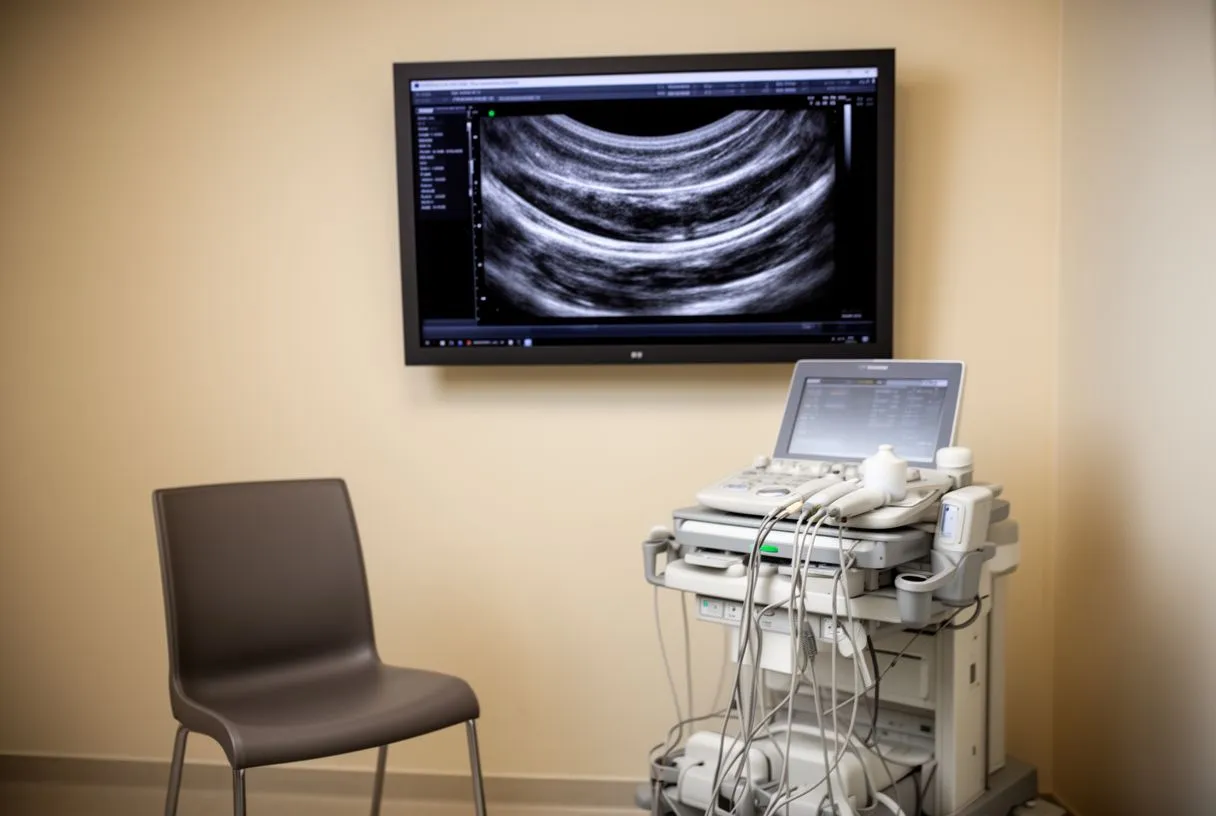
Expect plain language. In the consultation we take the time to explain what the studies actually show, in words a non-doctor can follow, and to answer every question before any decision. You should leave knowing what the echocardiogram means, why one approach was proposed over another, and what recovery will realistically involve.
Bring your questions written down. Good ones include: What happens if you open my chest and find something unexpected? How many of this procedure has this team performed this year? What does recovery look like week by week? Who do I call if something worries me after I go home?
How to Choose a High-Volume Heart Centre
Use a short, firm checklist. You do not need medical training to evaluate a centre well — you need the right questions. A structured comparison between two or three centres will usually make the right choice obvious.
- Specific volume: how many of the exact procedure I need does this team perform annually, here, with this core team?
- Multidisciplinary review: is my case formally reviewed by a team against international guidelines, or decided by one opinion?
- Transparent results: are outcomes tracked and shared, and are risk estimates explained in plain language?
- Second-opinion culture: is the team comfortable with me comparing them against another centre?
- Aftercare plan: who follows me, where, and how do we communicate after I travel home?
Trust how the team communicates, not just the brochure. Dr Molina performed the first robotic mitral valve repair in the Ángeles Health System and the first robotic heart surgery in Guadalajara, and our team also trained at Jena, Bad Berka and Buffalo — but credentials tell only half the story. The other half is whether the team listens, explains and puts your decision in your hands.
Choosing where to have heart surgery is one of the most consequential decisions a family makes, and it deserves the same rigour as the surgery itself. A high-volume centre for heart surgery offers practised hands, a rehearsed safety net and results that can be measured — and those advantages are worth the effort of asking about. If you are weighing an operation for yourself or a loved one, talk it through with a qualified cardiac team before deciding, and start with a consultation: bring your studies, bring your questions, and choose the team — and the place — that answers both honestly. We are a multidisciplinary team of cardiac surgeons led by Dr Alejandro Molina, with consulting rooms in Guadalajara, Querétaro and Hermosillo, and we would be glad to review your case.