

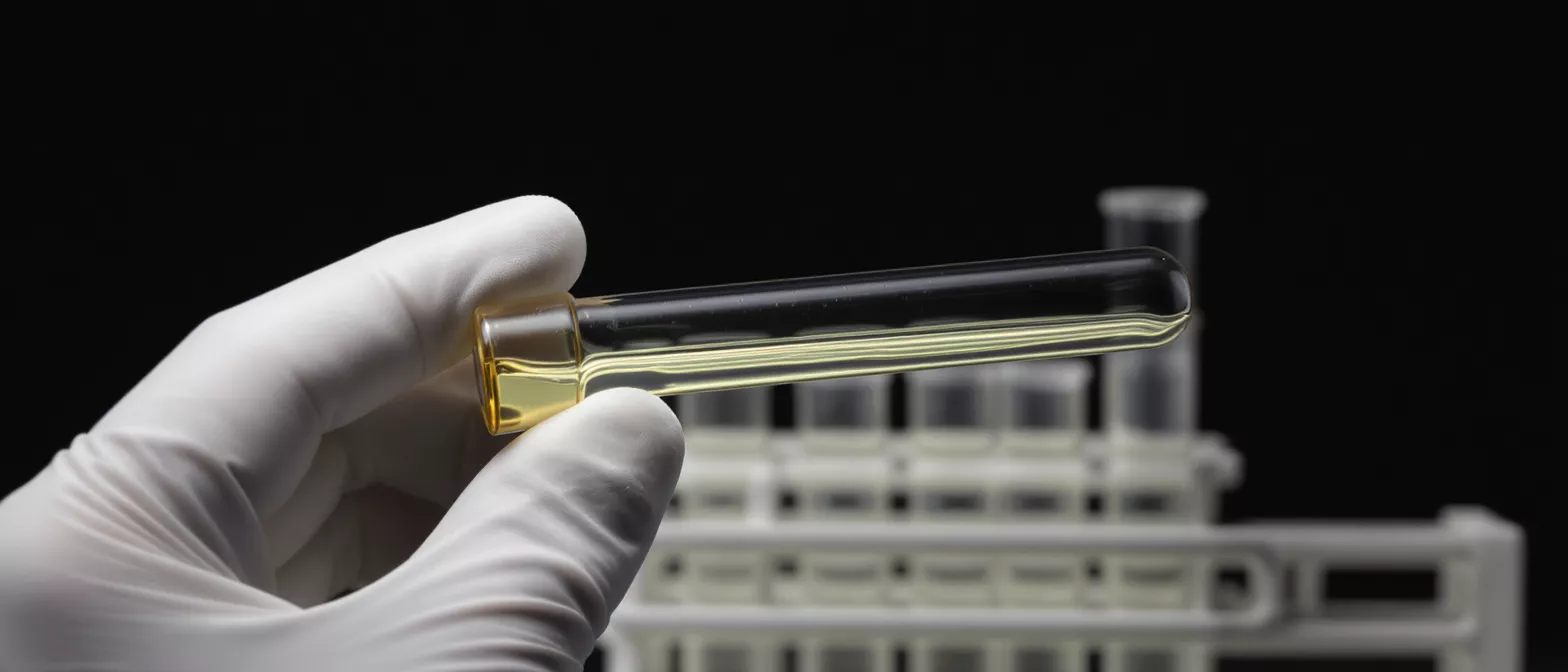
High-sensitivity Troponin
High-sensitivity troponin detects early heart damage.
What is high-sensitivity troponin
High-sensitivity troponin refers to an advanced blood test that measures very small amounts of cardiac troponin, a specific protein found in heart muscle cells. When heart muscle is stressed or injured, these proteins leak into the bloodstream. Because the test is highly sensitive, it can detect even trace amounts of this protein much earlier than older, conventional assays. For patients preparing for or recovering from heart surgery, this test serves as a critical early warning system.
Understanding cardiac biomarkers: Cardiac biomarkers are measurable substances in the blood that indicate how well the heart is functioning or if it has sustained damage. Troponin I and T are the most specific and reliable markers for cardiac muscle injury. When cardiologists or surgeons need to know if the heart muscle is under stress, they rely on these precise proteins to guide their clinical decisions.
The primary goal of measuring this protein is to distinguish between cardiac and non-cardiac causes of chest pain or heart distress. If you or a loved one is undergoing a cardiac procedure, your medical team will use this specific marker to establish a baseline and monitor your heart health throughout the surgical journey.
Why is troponin important for heart surgery patients
Monitoring perioperative cardiac stress: Any cardiac surgery, whether it is a coronary artery bypass or a valve repair, naturally involves manipulating the heart muscle. Because the heart is physically operated on, some degree of enzyme release is entirely expected. The surgical team uses advanced post-operative cardiac monitoring to differentiate between expected surgical stress and true perioperative myocardial infarction.
By tracking these levels before, during, and after surgery, clinicians gain a real-time view of how the heart is coping with the physical trauma of the operation. If levels rise higher than the expected surgical threshold, it alerts the team to potential complications such as a graft failing or a new blockage forming. This allows for immediate intervention before severe damage occurs.
For patients and families, understanding that elevated markers are a normal part of heart surgery can relieve unnecessary anxiety. Your surgeon will explain what trends they are looking for, ensuring you know exactly how your recovery is being tracked in the intensive care unit.
How does the high sensitivity troponin test work
The test itself is a simple, routine blood draw, usually taken from a vein in the arm or sometimes from an existing intravenous line. The collected sample is then sent to the laboratory where specialized immunoassay equipment analyzes the blood. This equipment uses highly specific antibodies designed to bind exclusively to cardiac troponin I and T proteins.
Measuring trace proteins: The analytical advantage of this assay lies in its ability to detect protein concentrations in the nanograms-per-liter range. Conventional tests could only detect the protein once a massive amount of heart tissue had died. This modern diagnostic tool identifies the exact moment muscle cells begin releasing proteins during the earliest stages of injury, shaving critical hours off the diagnostic window.
Once the laboratory analysis is complete, the results are transmitted directly to the electronic medical record. In emergency or post-surgical settings, this turnaround time is remarkably fast, often providing your medical team with actionable data within an hour.
What do elevated troponin levels mean after surgery
Seeing an elevated result after cardiac surgery does not automatically mean a heart attack has occurred. During procedures where the heart is stopped and put on a heart-lung machine, or when the pericardium is opened, heart muscle cells naturally release proteins into the blood. Your medical team expects a temporary rise and will compare your post-operative levels against your pre-operative baseline.
Differentiating surgical stress from acute coronary syndrome: Surgeons look at the pattern of release rather than a single isolated number. A slow, steady rise that plateaus and falls over a few days indicates normal healing. A sharp, exponential spike, however, may suggest a new blockage or complication requiring urgent attention.
- Baseline comparison: Pre-surgery levels are compared against post-op levels to measure the relative change.
- Trend analysis: Doctors track the trajectory of the rise over 24 to 48 hours.
- ACS exclusion: If a sharp spike occurs, doctors use ECGs and imaging to rule out a new heart attack.
If complications are ruled out, the surgical team will simply continue to monitor the downward trend until the proteins clear from your system, indicating that the heart muscle is healing properly.
High sensitivity troponin vs conventional troponin tests
The primary difference between these two assays is the limit of detection. Conventional tests could only detect protein at levels indicating significant, often irreversible, muscle death. High-sensitivity troponin tests can measure the protein in the blood of healthy individuals, establishing a clear normal range that makes identifying minute pathological changes much easier.
Speed of clinical diagnosis: Because the high-sensitivity assay detects lower concentrations, it shortens the time required to diagnose a heart attack. Instead of waiting six hours for traditional markers to rise, doctors can identify dangerous trends in as little as one to two hours, which is crucial in emergency or acute care settings.
Furthermore, high-sensitivity tests have much better analytical precision at very low levels. This means there is less variation between test runs, providing cardiologists with greater confidence when tracking subtle changes in a post-operative patient's recovery trajectory.
What is a normal high sensitivity troponin range
Normal values can vary slightly depending on the specific laboratory and the exact assay used, but generally, a healthy individual will have very low levels, often near the limit of detection. Cardiologists look for the 99th percentile upper limit of a healthy reference population to define what is considered normal.
Reference ranges and sex-specific cutoffs: Biological differences mean that men and women naturally have slightly different baseline levels. Many high-sensitivity assays utilize sex-specific reference ranges to ensure higher accuracy. For women, the upper limit of normal is generally lower than it is for men, making sex-specific criteria essential for avoiding misdiagnosis.
- Healthy baseline: Usually near the assay's limit of detection in healthy adults.
- Sex-specific limits: Distinct 99th percentile cutoffs for male and female patients.
- Lab variation: Absolute numbers differ between hospitals; only trend interpretation is universal.
It is crucial not to compare your absolute number directly with a friend's result from a different hospital. Your surgical team will interpret your results based on the specific reference range provided by their laboratory and your clinical presentation.
How are troponin test results interpreted
Interpreting results is never about looking at a single static number; it is about observing the kinetic trend over time. A single elevated value provides limited information, but serial blood draws taken hours apart show whether cardiac injury is ongoing, resolving, or worsening. Your doctor will always evaluate the bloodwork alongside your physical symptoms and electrocardiogram findings.
Clinical context is essential: If a patient has chest pain and a rising trend in cardiac markers, the diagnosis of acute coronary syndrome is clear. However, if a patient feels fine and a routine post-op blood test shows a mildly elevated but stable number, the clinical interpretation is completely different. The severity of the situation is directly tied to the clinical context, not just the lab result.
This is why patients should never panic over a single lab printout. The medical team synthesizes the biomarker data with physical examinations, imaging, and the knowledge of what exactly occurred during the surgical procedure itself.
What causes troponin elevation besides a heart attack
While acute coronary syndrome is the most life-threatening cause of elevated markers, many other conditions can cause heart muscle stress and result in a positive test. Severe physical stress, such as intense exercise like running a marathon, can temporarily elevate levels. Other systemic conditions can also stress the heart muscle, leading to enzyme release without true myocardial infarction.
Non-ischemic causes of elevated cardiac markers: Conditions like heart failure, myocarditis, severe infections, and pulmonary embolism can all cause the heart to stretch or pump against high resistance. In these cases, the test still accurately indicates heart distress, even if it is not a blocked artery. Proper diagnosis requires comprehensive cardiac biomarker evaluation to rule out structural or infectious causes.
For cardiac surgery patients, the operation itself is the primary non-ischemic cause. The physical handling of the heart, the use of surgical sutures, and the placement of heart-lung bypass cannulas all cause minor, temporary cellular stress that results in measurable protein release.
How often is troponin monitored post cardiac surgery
Immediately following heart surgery, patients are usually in the intensive care unit where vital signs and bloodwork are monitored continuously. The medical team typically draws blood for analysis immediately upon arrival in the ICU, and then again at regular intervals, such as every six to eight hours, for the first 24 hours.
Scheduled serial measurements: The frequency of testing depends on the specific surgical procedure and the patient's stability. If levels are rising as expected and the patient remains hemodynamically stable, the testing frequency decreases. Once transferred to the regular ward, daily checks may suffice to confirm the downward trend continues until discharge.
If at any point the patient becomes unstable, experiences new chest pain, or develops arrhythmias, the team will immediately resume frequent testing. This dynamic approach to monitoring ensures that any sudden change in heart health is caught and addressed instantly, which is why recovering from heart surgery involves advanced cardiac recovery support.
Understanding your high sensitivity troponin results
Receiving lab results as a heart surgery patient can be overwhelming, but understanding what these markers mean empowers you to engage in informed conversations with your care team. Remember that a temporary rise in these enzymes is a normal physiological response to surgical manipulation of the heart muscle.
The key takeaway for patients and families is that trends matter more than absolute numbers. Your surgical team is expertly trained to differentiate between expected cellular stress and true surgical complications. They will not act on a single number without correlating it with your clinical presentation and ECG data.
Ultimately, the high-sensitivity troponin test is a tool of reassurance. It provides a highly accurate window into your heart's healing process, allowing your medical team to guide your recovery safely and intervene immediately if the need arises.






