

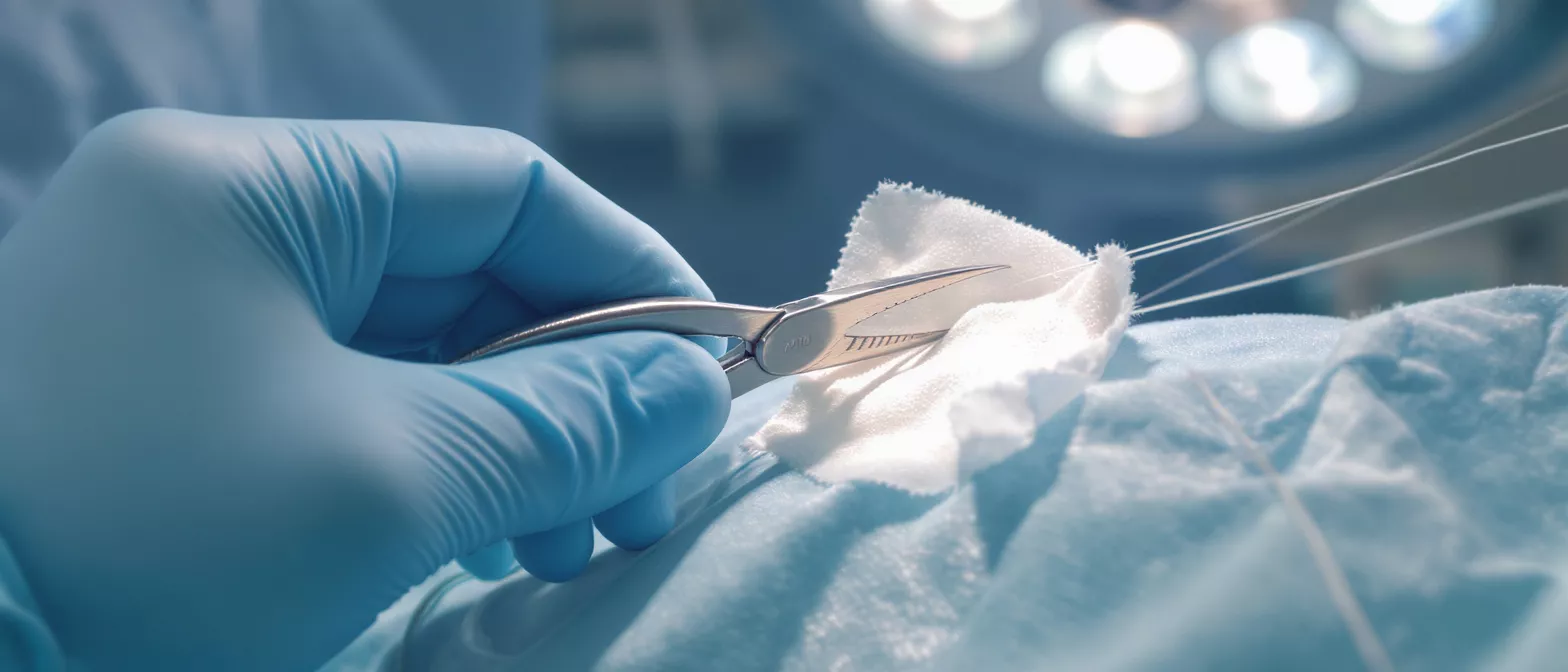
Surgical Haemostasis
Learn surgical haemostasis techniques, agents, and protocols for cardiac surgery, with expert guidance on bleeding control, recovery, and safety.
What is Surgical Haemostasis
Defining the procedure for patients: Surgical haemostasis is the deliberate, controlled stopping of bleeding that occurs during or immediately after a surgical operation. When surgeons talk about haemostasis, they are describing the combined physical, mechanical, and chemical methods used to ensure that cut blood vessels do not continue to leak. For a patient undergoing heart surgery, this is a routine but vital part of the procedure.
During any operation, the surgeon must cut through skin, fat, muscle, and sometimes vascular tissue to reach the heart. This cutting naturally opens blood vessels. Achieving surgical haemostasis means systematically closing those vessels to maintain a clear, bloodless field so the surgeon can work safely. It is one of the most fundamental skills in the operating room.
Understanding this term helps families make sense of the surgical timeline. A procedure may pause to secure bleeding before moving to the next step. This is not a complication; it is the standard of care.
Why Surgical Haemostasis Matters in Cardiac Surgery
Protecting the heart and circulatory system: The heart pumps the entire blood supply through the body every minute. Because the volume and pressure of blood moving through the chest is so high, maintaining absolute control of bleeding is even more critical here than in other surgeries. Secure bleeding control surgery protects the patient from unnecessary blood loss and the need for transfusions.
Cardiac operations often require the use of a heart-lung machine, which thins the blood and alters its natural clotting ability. Once the operation is finished and the machine is disconnected, the surgical team must meticulously check every surface. They rely on careful absorbable haemostatic sponges and sutures to manage the most delicate tissue beds before closing the sternum.
By prioritising meticulous haemostasis, the surgical team reduces the risk of post-operative complications, such as blood collecting around the heart. This careful attention to detail is what allows patients to heal smoothly and avoid a second operation to drain accumulated fluid.
How Surgical Haemostasis Works in the Body
The natural clotting cascade explained: The human body stops bleeding through a complex, step-by-step process known as the coagulation cascade. Platelets rush to the site of an injured vessel, sticking together to form a soft plug. Proteins in the blood plasma then activate sequentially, creating a sturdy mesh that holds this plug firmly in place.
During intraoperative bleeding management, the surgical team supports this natural cascade. However, surgery introduces challenges the body was not designed to handle on its own. Rapid bleeding can wash away clotting proteins before they have a chance to act, and tissue manipulation can disrupt fragile clots as they form.
That is where physical and chemical assistance comes in. Surgeons use pressure, heat, and specialised tools to give the blood a stable environment to clot. When the natural process is overwhelmed by the surgical field, the team steps in to artificially bridge the gap and secure the vessels manually.
Types of Surgical Haemostasis Techniques
Surgeons have a wide array of tools at their disposal to control bleeding. The choice of method depends on the size of the vessel, the location of the bleed, and the surrounding tissue. The primary goal is always to use the gentlest effective method to prevent collateral damage to critical structures.
- Electrocautery: Uses an electrical current to generate heat, sealing small blood vessels and cutting tissue simultaneously.
- Suture ligation: Involves tying off blood vessels with specialised, non-absorbable or absorbable surgical threads.
- Mechanical clips: Small metal fasteners applied to vessels to physically pinch them closed, often used in bypass surgeries.
Choosing the right method for the tissue: For large, pulsing arteries, surgeons rely on heavy sutures or rigid clips to withstand the high pressure. For delicate, oozing surfaces like the pericardium, they might prefer gentle electrocautery or gentle pressure applied with specialized surgical instruments.
By combining these techniques, the surgical team adapts to the real-time conditions of the operation. This layered approach ensures that both major vessels and minor capillary leaks are addressed systematically before the operation concludes.
Surgical Haemostasis Protocols and Team Communication
Structured approaches to bleeding control: Operating rooms rely on strict surgical haemostasis protocols to ensure no step is missed. These protocols dictate exactly when and how the surgical team addresses bleeding, creating a predictable rhythm that minimises risk and keeps the operation moving forward safely.
Communication is the cornerstone of these protocols. The lead surgeon will call out bleeding sites, and the anaesthesia team will monitor blood pressure to ensure the patient remains stable while the surgical team works. This coordinated effort is essential, as unchecked bleeding can rapidly obscure the surgical field and increase the risk of accidental damage to nearby tissues.
Before any incision is closed, the team performs a final, exhaustive sweep of the surgical site. They lower the patient's blood pressure slightly and watch for any signs of oozing. This standardised check is the final safeguard against post-operative bleeding, ensuring the patient leaves the table completely dry and stable.
Topical Haemostatic Agents Used During Surgery
Enhancing natural clotting locally: When physical methods are not enough, surgeons use topical haemostats to encourage clotting directly at the source of the bleed. These agents are applied directly to the tissue and work by providing a scaffold for platelets to gather or by delivering concentrated clotting proteins straight to the wound.
These agents are particularly useful on broad, raw surfaces that cannot be easily tied off with a suture, such as the areas where the heart was manipulated. They act rapidly, breaking down safely within the body over days or weeks as the tissue heals naturally beneath them.
Common forms include powders that conform to irregular shapes, gels that can be squeezed into deep crevices, and woven matrices that provide immediate physical structure. The choice depends entirely on the specific anatomy and the nature of the bleeding the surgeon faces.
Haemostasis in Cardiac Surgery Specific Considerations
Navigating blood thinners and bypass circuits: Achieving haemostasis cardiac surgery requires managing unique challenges. Most cardiac patients take blood-thinning medications before surgery to prevent clots in diseased arteries, and these drugs linger in the system, making the blood slower to clot naturally during the operation.
The heart-lung machine used during bypass introduces another challenge. To prevent blood from clotting inside the machine's tubing, patients are given a powerful anticoagulant called heparin. After the surgery, the team must neutralise this heparin, but the body's natural clotting system can remain temporarily disrupted.
Because of these specific hurdles, cardiac surgeons rely heavily on a combination of mechanical ties and advanced topical treatments.
Are Surgical Haemostasis Methods Safe
Biocompatibility and risk management: The methods and agents used to control bleeding in the operating room are rigorously tested for safety. Electrocautery and mechanical clips have been standard practice for decades. Topical haemostatic products are typically derived from natural proteins or synthetic polymers designed to be absorbed safely by the body without triggering an immune response.
Surgical haemostasis techniques carry a very low risk of complications when applied by an experienced team. The primary risk is not the agents themselves, but failing to achieve complete haemostasis before closing the chest. Surgeons mitigate this risk through meticulous inspection and adherence to strict protocols.
As a patient or family member, it is completely normal to feel anxious about internal bleeding. Rest assured that bleeding control surgery is one of the most refined aspects of modern medicine. The team is highly trained to manage these risks and will not finish the operation until they are confident the field is entirely secure.
Recovery and What to Expect After Achieving Haemostasis
Healing inside the chest: Once the surgical team achieves absolute haemostasis, the incision is closed. The clips and sutures remain in place permanently, holding the vessels shut while the body heals. Topical agents dissolve naturally over the following weeks as new tissue grows to permanently seal the area.
In the intensive care unit, the medical team will monitor drainage tubes to ensure no blood is collecting around the heart. It is normal to see a small amount of fluid, but the rapid stopping of significant drainage indicates the surgical haemostasis was successful. As the hours pass, the body takes over entirely, relying on its own natural clotting cascade.
Patients are often moved out of the intensive care unit within a day or two once this drainage stabilises. The careful work done in the operating room allows the body to redirect its energy toward healing the surgical wounds rather than dealing with ongoing blood loss.
Questions to Ask Your Surgical Team
Empowering your pre-operative consultation: Understanding what happens in the operating room can greatly reduce anxiety before heart surgery. Discussing surgical bleeding control with your surgeon helps clarify the procedure and ensures you feel confident in the care you are receiving.
Patients and families often benefit from asking practical questions about the operation. Inquiring about the specific methods and protocols used can demystify the process and highlight the expertise of the surgical team. A few helpful questions include:
- What methods: Will you primarily use sutures, clips, or electrocautery for my procedure?
- Topical agents: Do you anticipate using any specific haemostatic agents inside my chest?
- Blood management: How will my blood thinners be managed before and after the operation?
By having this conversation, you build trust with your medical team. They are there to guide you through the process, and understanding the fundamentals of surgical haemostasis is a powerful step toward a calm, informed recovery.






