

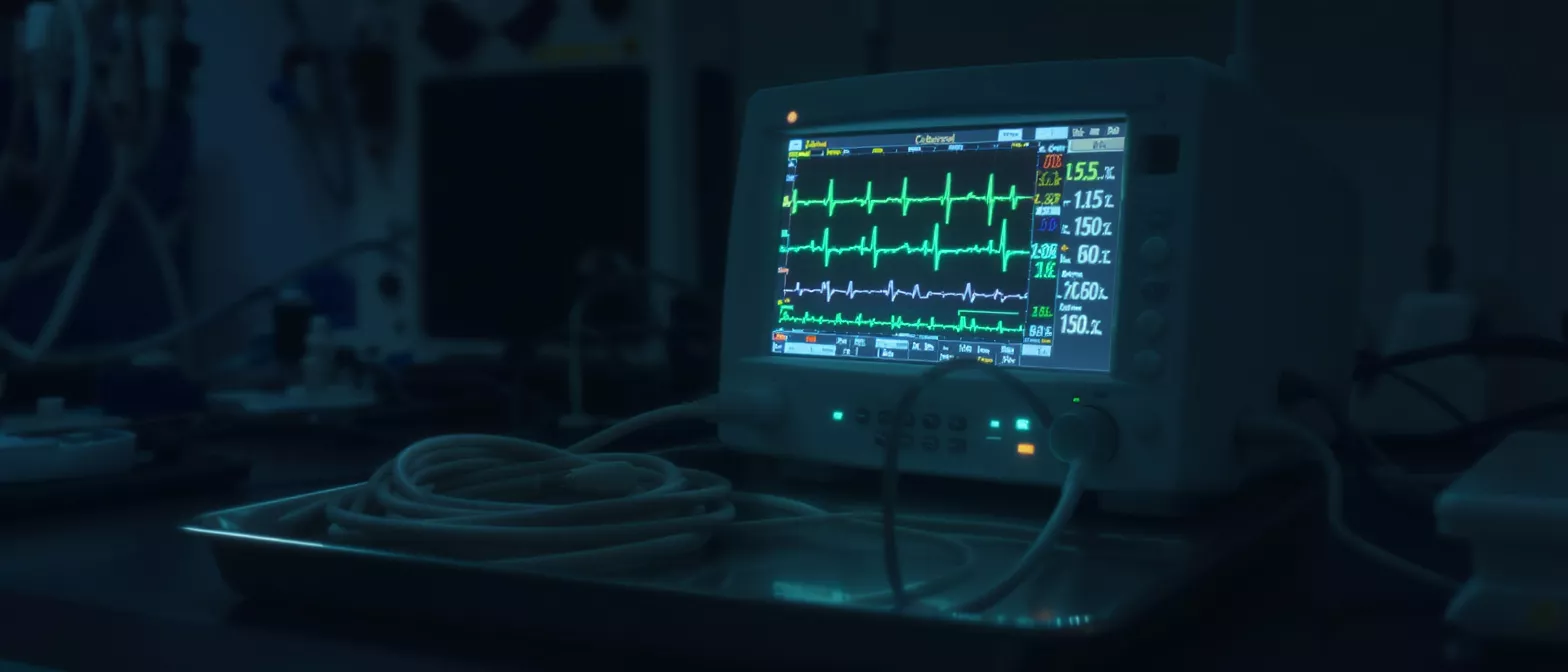
Electrophysiologist
Learn what an electrophysiologist does, how they treat arrhythmias, and when to seek heart rhythm care.
What is an electrophysiologist?
An electrophysiologist is a highly specialised doctor who focuses on the electrical system of the heart. While a general cardiologist looks after the plumbing of the heart—its valves, muscle, and blood vessels—an electrophysiologist zeroes in on the internal wiring that tells the heart muscle when and how to beat. Their role is to diagnose and treat the estimated millions of people worldwide who live with an irregular heartbeat.
Understanding the electrophysiologist meaning in simple terms: If you imagine your heart as a house, this specialist is the master electrician. When a light flickers or a circuit trips, you do not call a plumber; you call someone who understands the wiring. In the same way, when your heartbeat becomes too fast, too slow, or simply erratic, an electrophysiologist is the person with the precise training to find the short circuit and fix it.
These doctors complete medical school, a full internal medicine residency, and a general cardiology fellowship, and then undertake an additional one to two years of subspecialty training solely in clinical cardiac electrophysiology. That extra layer of education allows them to interpret the faintest signals within the heart and offer therapies that go beyond standard cardiology.
Electrophysiologist vs cardiologist: what's the difference?
It is very common for patients, especially those newly diagnosed with a heart condition, to wonder about the difference between these two roles. Both are heart doctors, and both care deeply about your cardiovascular health, but their day-to-day work and the tools they use can look quite different.
- General cardiologist: Focuses on the overall structure and blood supply of the heart, managing conditions like coronary artery disease, heart failure, and high blood pressure.
- Electrophysiologist (EP doctor): Focuses exclusively on the heart's timing and electrical pathways, treating conditions such as atrial fibrillation, SVT, and other forms of arrhythmia.
Referral pathways and shared care: In practice, the two specialities work hand in hand. Your general cardiologist or primary care physician will usually be the first person to detect an irregular rhythm on a routine electrocardiogram (ECG). If that rhythm needs specialised mapping or a targeted procedure like cardiac ablation, they will refer you to a cardiac electrophysiologist for that specific, expert phase of your treatment.
What does an electrophysiologist do for heart patients?
The core mission of an electrophysiologist is to restore a safe, steady, and symptom-free heartbeat. Patients are usually sent to one because they are experiencing palpitations, unexplained fainting, dizziness, or fatigue tied to an erratic pulse. Rather than just prescribing medication, this specialist works to uncover exactly where in the heart muscle the rogue electrical signals are coming from.
Diagnosing the source of the short circuit: To see what is happening inside the heart in real time, the doctor may perform an electrophysiology study. This involves threading thin, flexible wires called electrode catheters through a vein in the groin and guiding them gently into the heart. These catheters do not hurt; they simply listen to the heart's internal electrical conversation, allowing the doctor to pinpoint the exact cell cluster causing the problem.
Once the diagnosis is confirmed, the electrophysiologist will explain the findings in plain language and discuss the safest path forward. That plan might include a watch-and-wait approach with monitoring, medication, or a minimally invasive procedure to silence the faulty signals.
When to see a heart rhythm specialist for palpitations
Palpitations—the feeling that your heart is fluttering, pounding, or skipping a beat—are incredibly common. Most of the time, they are harmless and brought on by caffeine, stress, or poor sleep. However, certain patterns of palpitations are a clear sign that you should ask your doctor for a referral to an arrhythmia specialist.
Red-flag symptoms that prompt a referral: You should seek prompt specialist review if your palpitations are accompanied by dizziness, light-headedness, chest discomfort, or fainting. A family history of sudden cardiac events or arrhythmia is also a strong reason to see an electrophysiologist, even if your own symptoms feel mild.
You should also ask for a specialist opinion if your symptoms interfere with your daily life. Many people live with an irregular heartbeat for years, assuming their tiredness or breathlessness is simply a sign of ageing, when in fact a highly treatable rhythm problem is to blame. Seeing a specialist can quickly clarify whether what you feel is benign or needs attention.
Electrophysiology study: how heart rhythm tests work
For many patients, the thought of an electrophysiology procedure sounds intimidating, but understanding what actually happens can take away much of the fear. The test is usually performed in a dedicated room called an EP lab, which looks a little like an operating theatre but is filled with advanced imaging and mapping screens.
The catheter mapping process: You will be given a light sedative so you are comfortable and relaxed. The doctor makes a tiny needle puncture in the skin—usually at the top of the leg—and threads the catheters up into the heart. Because there are no pain nerve endings inside the blood vessels or the heart's inner chambers, you will not feel the catheters moving. The electrodes at the tips of the wires create a three-dimensional electrical map of your heart, showing the doctor exactly how the signals travel.
In some cases, the doctor will gently try to trigger your palpitations under controlled, safe conditions. This is invaluable, because it lets them confirm the exact diagnosis. If they find the faulty spot, they can often treat it in the very same sitting, moving straight from diagnosis to a fix without needing a second procedure.
Types of arrhythmia an EP doctor treats
Arrhythmia is a broad umbrella term, and an electrophysiologist treats many different forms of it. The two main categories are rhythms that are too fast (tachycardia) and rhythms that are too slow (bradycardia). Each type has its own signature pattern on a monitor, and each requires a different strategy.
- Atrial fibrillation (AFib): A rapid, chaotic rhythm in the upper chambers of the heart, and the most common reason patients are referred to an EP lab.
- Supraventricular tachycardia (SVT): Sudden bursts of a very fast heartbeat, often starting and stopping abruptly, which are usually caused by a small, extra electrical pathway present from birth.
- Bradycardia: A heartbeat that is too slow, often treated with a pacemaker to ensure the heart never drops below a safe rate.
Within these broad groups, the doctor will look for specific entry points or damaged cells that are firing off-schedule. By matching your exact rhythm to the right therapy, the specialist can dramatically improve your quality of life and reduce your risk of future complications.
Cardiac ablation and other electrophysiology procedures
When medication alone is not enough, an electrophysiologist has a remarkable toolkit of procedures to offer. The most common of these is cardiac ablation, a minimally invasive technique that targets the tiny area of heart tissue causing the abnormal signals.
How ablation works: During the procedure, the doctor guides a special catheter to the problematic spot. Once in position, the tip of the catheter delivers a small amount of energy—either heat from radiofrequency or a controlled freeze from cryoablation. This creates a microscopic scar that blocks the rogue signal from travelling, acting like an insulating barrier on a faulty wire. For many patients looking for a long-term solution rather than daily pills, a minimally invasive ablation device is a highly effective option.
Beyond ablation, these specialists also implant life-saving devices. If the heart's natural wiring is too slow, a pacemaker can be slipped just under the skin to keep the rhythm steady. For patients at risk of dangerous, very fast rhythms from the lower chambers, a specialist might recommend an implantable defibrillator. Some patients benefit from a leadless cardiac pacemaker system or, for certain types of fainting, a heart rhythm monitor patch that records the heartbeat continuously over several weeks to catch elusive problems.
How to find an electrophysiologist near you
Searching for the right specialist can feel overwhelming, but the process is usually straightforward. The most common route is a referral from your primary care doctor or your general cardiologist, who will know the local experts and can send your medical history ahead of you so your first appointment is productive.
What to look for in a heart rhythm specialist: When researching a doctor, look for board certification in clinical cardiac electrophysiology. This confirms that the doctor has passed rigorous exams in this narrow field. It is also perfectly reasonable to ask how many times the specialist has performed the specific procedure you need; high-volume experience is a reassuring sign of expertise.
If you are travelling or seeking a second opinion, many major hospital networks have dedicated heart rhythm clinics with online directories. You can search online using terms related to your location and needs, and you should never hesitate to call a clinic directly to ask whether the doctor on staff has the specific subspecialty training required to treat your particular arrhythmia.
Are electrophysiology procedures safe for patients?
Understandably, anyone facing a heart procedure wants to know about the risks. It is reassuring to know that electrophysiology studies and catheter ablation are considered routine in modern cardiology and have been refined over decades of continuous improvement.
Understanding the safety profile: Because these procedures are minimally invasive, they do not involve large incisions or opening the chest. The catheters travel through natural blood vessels, which means recovery is remarkably quick; most patients go home the same day or after a single night in hospital. Serious complications are rare, and your doctor will review your individual risk factors with you beforehand.
Your team will take extensive precautions throughout the process, including continuous monitoring of your heart rhythm and blood pressure. You will be awake but sedated, meaning you can communicate with the team if you feel anything unusual. Before the day of the procedure, your specialist will explain exactly what safeguards are in place and answer any lingering worries you have.
Preparing for your appointment with an arrhythmia specialist
A little preparation can make your visit far more productive. The most valuable thing you can bring is a clear account of your symptoms. Try to note exactly when your palpitations happen, how long they last, and what you are doing when they strike. If you ever catch your pulse racing, count the beats per minute using a watch or phone.
Gathering your medical history: Bring a list of all your current medications, including over-the-counter drugs and supplements, as some of these can affect heart rhythm. If you have any old ECGs or records from an urgent care visit, bring those too. The more data the specialist has from the start, the faster they can pinpoint the problem.
Finally, write down a list of questions before you arrive. It is easy to forget what you wanted to ask once you are in the consulting room. Remember that an electrophysiologist is there not just to perform procedures, but to guide you. By understanding your condition and working together with your specialist, you can take control of your heart rhythm and get back to living your life with confidence.






