


Chest Pain: When to Worry About Your Heart
Chest pain when to worry: learn heart attack warning signs, anxiety vs cardiac causes, and when to seek emergency care.
If you have ever wondered about chest pain when to worry and when to simply wait it out, you are asking one of the most important questions in medicine. Chest pain has many causes. Some are harmless, some are muscular, and some are a warning from your heart that needs action within minutes. This guide walks through the common causes, the warning signs that demand urgent care, the symptoms that differ between men and women, and what a proper heart evaluation involves. The goal is not to replace a doctor but to help you decide, calmly and quickly, what to do next.
What Are the Possible Causes of Chest Pain?
Chest pain comes from more than the heart. The chest wall itself, including ribs, muscles and cartilage, can cause pain after a strain, a cough or an awkward sleeping position. The lungs, the esophagus, the stomach and even the nerves between the ribs can all produce discomfort that feels like it is coming from the chest. This is why doctors ask so many questions before ordering tests.
Heart-related causes are the ones that matter most. When the arteries that feed the heart muscle narrow, the heart receives less blood during exertion, and that shortage produces a pressure or tightness called angina. The pericardium, the thin sac around the heart, can become inflamed and cause sharp pain. The aorta, the large artery leaving the heart, can also be the source in rare but dangerous conditions.
Digestive causes are surprisingly common. Acid reflux can burn behind the breastbone and mimic heart pain, and chest pain after eating heart concerns often turn out to be reflux or esophageal spasm. That said, no one can distinguish these by feeling alone. The safest approach is to treat any unexplained chest discomfort as a heart problem until proven otherwise. In our practice, every case is reviewed by the multidisciplinary team against international guidelines before any recommendation is made, so the patient receives a clear proposal with the alternatives.
How to Know if Chest Pain Is Serious
The character of the pain matters more than the location. A crushing chest pain, like a heavy weight or a tight band squeezing the chest, is a classic warning sign. Pressure that lasts more than a few minutes, or that comes with sweating, nausea or shortness of breath, should never be ignored. Pain that spreads, or radiating pain, into the left arm, the neck, the jaw or the back also points toward the heart.
Timing gives important clues. Pain that appears with exercise and fades with rest follows a pattern typical of angina, which means the heart muscle is not getting enough blood during effort. Pain that wakes you at night, or pain that arrives at rest and stays, is even more concerning. When is chest pain serious as a rule of thumb? When it is new, heavy, lasts more than a few minutes, or comes with any of the other symptoms described below.
Some features argue for a non-cardiac cause. Pain that changes with position, that sharpens when you press on a rib, or that is clearly linked to a specific movement, is more often musculoskeletal. But these patterns are helpful, not definitive. A heart attack can masquerade as indigestion. If there is any doubt, emergency assessment is the right call, because the tests needed to rule out a heart problem are quick and widely available.
Chest Pain Heart Attack Symptoms: What to Feel For
The classic picture is pressure, not a needle. Most chest pain heart attack symptoms include a sustained pressure or heaviness in the center or left of the chest, lasting more than 15 minutes, often with cold sweat, nausea, and a sense of impending doom. The pain may spread to the arm pain on one or both sides, the jaw pain, the neck, or the back pain between the shoulder blades. Shortness of breath often accompanies it.
Sudden chest pain causes can include emergencies beyond the heart. A tearing chest pain that strikes at full intensity from the first second and radiates to the back can indicate an aortic dissection, a tear in the body's largest artery. This is a surgical emergency of the highest order. Pain that worsens with breathing and comes with a rapid heartbeat may suggest a pulmonary embolism, a clot in the lungs. These conditions demand immediate hospital care.
Time is muscle. Every minute a heart attack goes untreated, heart muscle is lost. Modern treatment, often a stent opened in the blocked artery, works best within the first hours. If you suspect a heart attack, the correct response is to call emergency services immediately, not to drive yourself and not to wait to see whether it improves. In our practice, we treat this urgency as a core principle: every patient we see is told, in plain words, that sudden chest pain is a call-an-ambulance event, not a wait-and-see event.
Chest Pain That Comes and Goes: What Dull Pain Means
Intermittent discomfort is a very common question. Many people describe chest pain that comes and goes as a dull ache or a brief twinge that appears for a minute or two and disappears. This pattern is frightening precisely because it is unpredictable. The most common explanations are musculoskeletal irritation, reflux, or stable angina, where the heart complains briefly during exertion and then settles.
Dull pain that follows a pattern deserves a checkup. If the discomfort appears at the same level of effort, such as climbing the same hill, or after the same size of meal, it deserves an evaluation rather than repeated waiting. A stable pattern can be treated and often improved significantly. An evolving pattern, where the same activity produces worse or longer pain, is a red flag for a narrowing artery.
Migrating chest pain that moves around the chest from one visit to the next is more often muscular or nervous in origin. Still, the first episode of any new chest discomfort should be checked by a doctor, especially after age 40, or earlier if you have diabetes, high blood pressure, high cholesterol, or a family history of early heart disease.
Sharp Pain in My Chest When I Breathe: What It Means
Sharp pain that changes with breathing usually points away from the heart. When people ask about sharp pain in my chest when I breathe, the most frequent causes are inflammation of the cartilage between the ribs, called costochondritis, irritation of the lung lining, or a pinched nerve. These pains are typically stabbing, brief, and clearly linked to a deep breath or a twist of the torso.
But some lung conditions are serious. Pain that is sharp, worsens with breathing, and comes with sudden breathlessness can indicate a pulmonary embolism or a collapsed lung. Fever with sharp chest pain can signal pneumonia or inflammation of the lining around the heart. These conditions need prompt medical evaluation, often with a chest X-ray and blood tests.
Epigastric pain, discomfort just below the ribcage, is another frequent imitator. It can come from the stomach, the gallbladder or the pancreas, but in some patients, especially those with diabetes, a heart problem can present as upper abdominal discomfort rather than classic chest pain. Any persistent pain in this region, particularly with nausea or sweating, should be checked.
Chest Pain Anxiety vs Heart: How to Tell the Difference
Anxiety can genuinely hurt the chest. A panic attack can produce a racing heart, chest tightness, breathlessness and even tingling in the hands. Many people who ask about chest pain anxiety vs heart are surprised to learn that the two can feel almost identical in the moment. Anxiety-driven pain often peaks within minutes, is associated with a known stressor or sudden fear, and may come with a sense of unreality or hyperventilation.
Stress also affects the heart directly. People ask why do I get chest pain when I'm angry or stressed, and the answer is physiological: strong emotion releases adrenaline, which raises heart rate and blood pressure and can trigger spasm in coronary arteries. In rare cases, extreme emotional stress can even cause a temporary heart condition that mimics a heart attack. Emotional chest pain should therefore be taken seriously, not dismissed.
The safest rule is that the first episode belongs to a doctor. Only an evaluation, including an electrocardiogram and often blood tests, can separate anxiety from cardiac causes with confidence. Once a heart cause is excluded and a pattern is recognized, a person can learn to distinguish their own panic symptoms. Before that first clear diagnosis, guessing at home is a risk no one should take.
Chest Pain Women Heart Symptoms and Left-Side Pain
Women often experience heart attacks differently. The classic crushing pain is less common in women. Instead, chest pain women heart symptoms frequently include unusual fatigue, breathlessness, nausea, indigestion-like discomfort, or pain in the back, shoulder or jaw without obvious chest pain at all. This is one reason heart disease in women is under-recognized and diagnosed later.
Left side chest pain when to see a doctor is a frequent question. Pain in the left chest can come from muscles, ribs or the lung, and the heart actually sits more centrally than most people imagine. Still, left-sided discomfort combined with effort, breathlessness, sweating or nausea should be evaluated promptly rather than waited out. The combination matters more than the side.
After COVID-19, new chest symptoms deserve attention. Persistent fatigue, cognitive difficulties and other lingering problems are well documented in Post-COVID-19 Syndrome research, and some patients also report new chest discomfort after infection. Anyone with persistent post-viral chest symptoms should have a cardiac evaluation rather than assume the virus is the whole explanation.
First Aid Steps to Take in Case of a Heart Attack
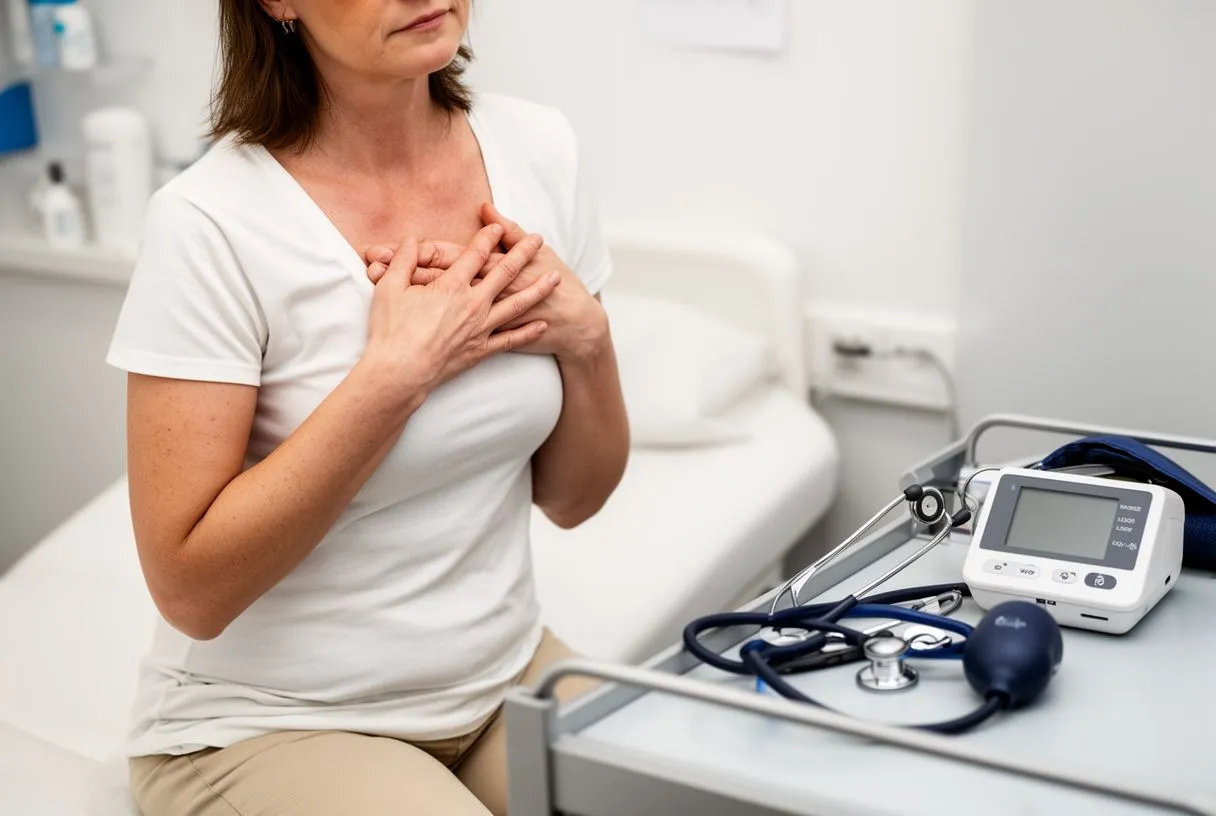
Act in the first minutes, not the first hours. If someone has chest pain emergency signs — sustained pressure, sweating, nausea, breathlessness, or pain spreading to the arm or jaw — the response follows a clear sequence. Knowing it in advance, before it is ever needed, is what saves lives.
- Call emergency services immediately. Do not drive yourself or the patient to the hospital; paramedics can start treatment on the way.
- Stop all activity. Sit the person down, keep them calm and still, and loosen tight clothing.
- Chew a regular aspirin if the person is not allergic and has no contraindication their doctor has mentioned, as it helps limit clot growth.
- Be ready for cardiac arrest. If the person collapses and stops breathing normally, begin chest compressions — firm, fast presses in the center of the chest — and use an automated defibrillator if one is available.
Do not wait to see if it passes. A heart attack can improve briefly and then worsen. The fastest way to get rid of dangerous chest pain is not a home remedy but restoring blood flow to the heart, which only a hospital can do. If the pain turns out to be muscular or anxiety-related, no harm is done by being cautious; if it is a heart attack, caution is everything.
Chest Pain Evaluation: What Cardiac Testing Looks Like
A proper evaluation follows a logical order. When you see a heart doctor for chest pain evaluation, the first steps are simple and non-invasive: a history of your symptoms, a physical exam, an electrocardiogram, and often blood tests that detect heart muscle injury. From there, testing is tailored to your risk rather than applied to everyone equally.
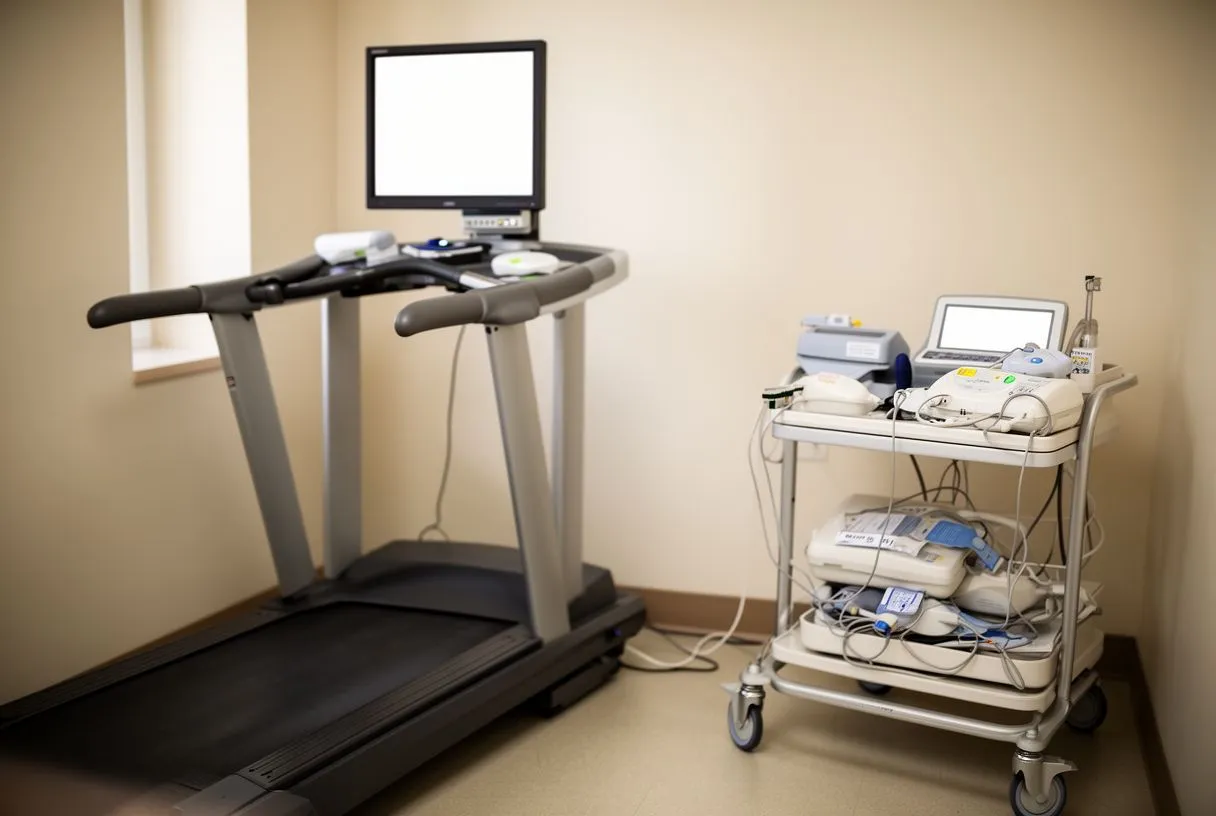
Common cardiac tests each answer a different question. An exercise stress test looks for changes during exertion. An echocardiogram, an ultrasound of the heart, shows how the valves and pumping function look. A coronary CT scan visualizes the arteries directly. In some cases, a catheterization, where dye is injected into the coronary arteries, gives the most precise map. Cardiac chest pain testing is chosen based on your risk profile, not on a one-size-fits-all formula.
Understanding the results matters as much as having them. In our consultations we take the time to explain what the studies actually show, in plain words, and to answer every question before any decision is made — and the first contact is a free video consultation where we get to know the patient, talk through the condition, and say which studies are still needed so no unnecessary ones are ordered. Telehealth and mobile monitoring tools now allow symptom tracking between visits, and research summarized in a PLOS Medicine systematic review shows that mobile-health interventions can support meaningful behavior change in patients managing chronic conditions.
Chest Pain Risk Factors and When to Seek Help
Knowing your risk changes how you respond to symptoms. The main chest pain risk factors heart disease brings are smoking, high blood pressure, high cholesterol, diabetes, obesity, physical inactivity, chronic stress, and a family history of early heart attacks. The more of these you carry, the lower the threshold at which chest discomfort deserves urgent evaluation.
When chest pain is not heart related, treatment still matters. Chest pain not heart related causes — reflux, muscle strain, costochondritis, anxiety — are real conditions with real treatments. A clear diagnosis brings relief and a plan, rather than months of vague worry. It also protects you from the opposite mistake, brushing off a genuine heart symptom as "just stress."
Choosing the right specialist is a decision you control. If you are looking for a chest pain specialist Guadalajara patients trust, or a heart doctor chest pain consultation in Querétaro or Hermosillo, ask about the team's experience with your specific condition and feel free to seek a second opinion — we encourage second opinions and treat seeking one as a normal part of deciding about heart care. Our team, led by Dr Alejandro Molina, covers valve disease, coronary disease, the aorta and structural heart conditions, and we recommend the less invasive route only where the evidence supports it for that patient. Every case is reviewed by the multidisciplinary team before any recommendation, and the final decision always rests with the patient.

The bottom line on chest pain when to worry. Worry enough to call an ambulance when chest pain is heavy, lasts more than a few minutes, or comes with sweating, breathlessness, nausea or pain spreading to the arm, jaw or back. Worry enough to book an evaluation when discomfort is new, recurrent with effort, or simply unexplained — especially if you carry risk factors. And worry enough not to diagnose yourself, because the tests that answer the question are quick, widely available, and give you either a clear plan or genuine peace of mind. If you are living with unexplained chest symptoms, discuss your own situation with a qualified cardiac team rather than waiting and wondering; a consultation is the first step, and it costs far less than the alternative.






