Life after heart surgery: a new beginning
Discover what to expect after heart surgery recovery, from ICU to driving, working and sleeping again.
What to expect from the first days in hospital through to driving, working, flying and sleeping again — and how to support someone going through it.
A practical guide to what to expect after heart surgery: the first days in hospital, the gradual return to normal life, cardiac rehabilitation, sleeping, driving, flying, and the emotional changes that come with it.
Welcome to this article, dedicated to heart surgery and to life after the procedure. My aim is to give information and support to patients and families going through this important chapter of their lives.
Heart surgery can be a demanding process, but it can also be the start of a new and encouraging stage of wellbeing. Here we talk about what to expect after the operation, the gradual return to normal life, how to support a partner who has had cardiac surgery, cardiac rehabilitation, how to sleep afterwards, and the emotional changes that are common.
What to expect in the first days after heart surgery
After heart surgery, the first days are crucial to recovery and require particular care and attention. Here are some of the things you can expect during that period:
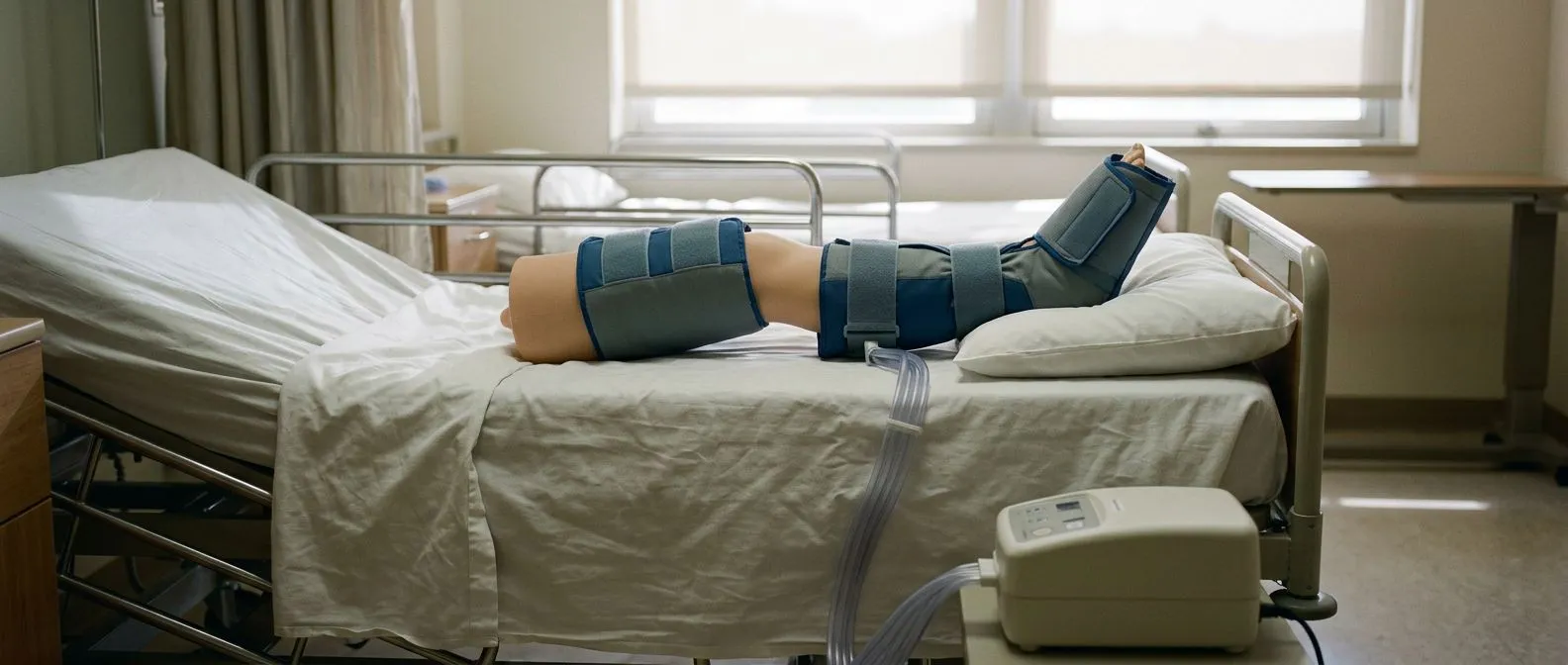
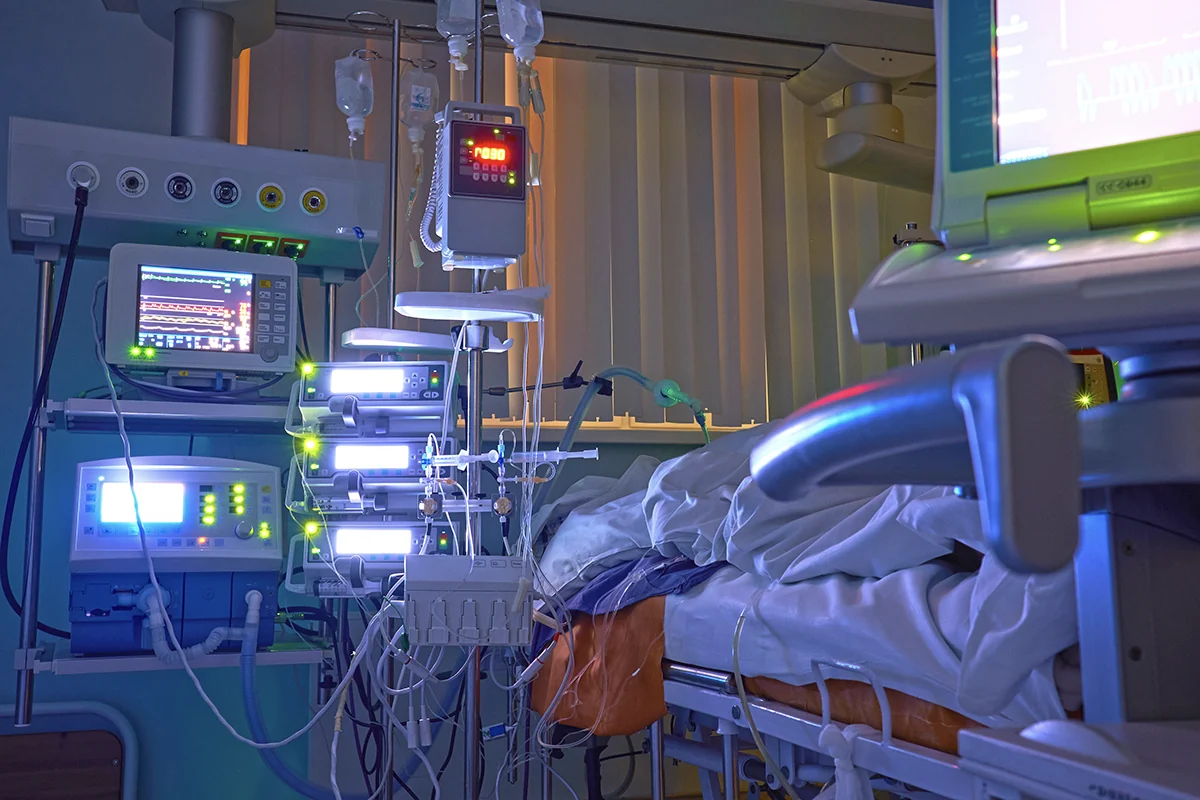
- A stay in the intensive care unit. After surgery you will be moved to intensive care for specialist attention. During this time you will be under close medical observation and receive intensive care to ensure a safe recovery.
- Constant monitoring. In intensive care your vital signs will be checked regularly — blood pressure, heart rate and oxygen saturation. You may also be placed on a continuous cardiac monitor to watch the rhythm and activity of the heart.
- Pain control. It is normal to have pain and discomfort after surgery. The medical team will give you medication to relieve it and keep you comfortable. Tell them about any discomfort you feel so treatment can be adjusted as needed.
- Tubes and lines. During the first few days you will probably have various tubes and lines connected to your body to give fluids, drain excess fluid and monitor your condition. These include intravenous lines, chest drains and possibly a breathing tube if you needed mechanical ventilation during surgery.
- Early mobilisation. Although it may seem daunting, it is important to start moving as soon as possible after surgery. Staff will help you sit up in bed, walk briefly and do breathing exercises to prevent complications and encourage a quicker recovery.
- A progressive diet. Initially you will be given a liquid diet to make digestion easier and to be sure your body receives the nutrients it needs. As you recover and your digestive system strengthens, more solid food will gradually be introduced.
- Medical follow-up. During the first days after surgery the team will carry out regular assessments to monitor your progress and adjust treatment as needed. This includes laboratory tests, chest X-rays and electrocardiograms to assess cardiac function.
What to expect after leaving intensive care
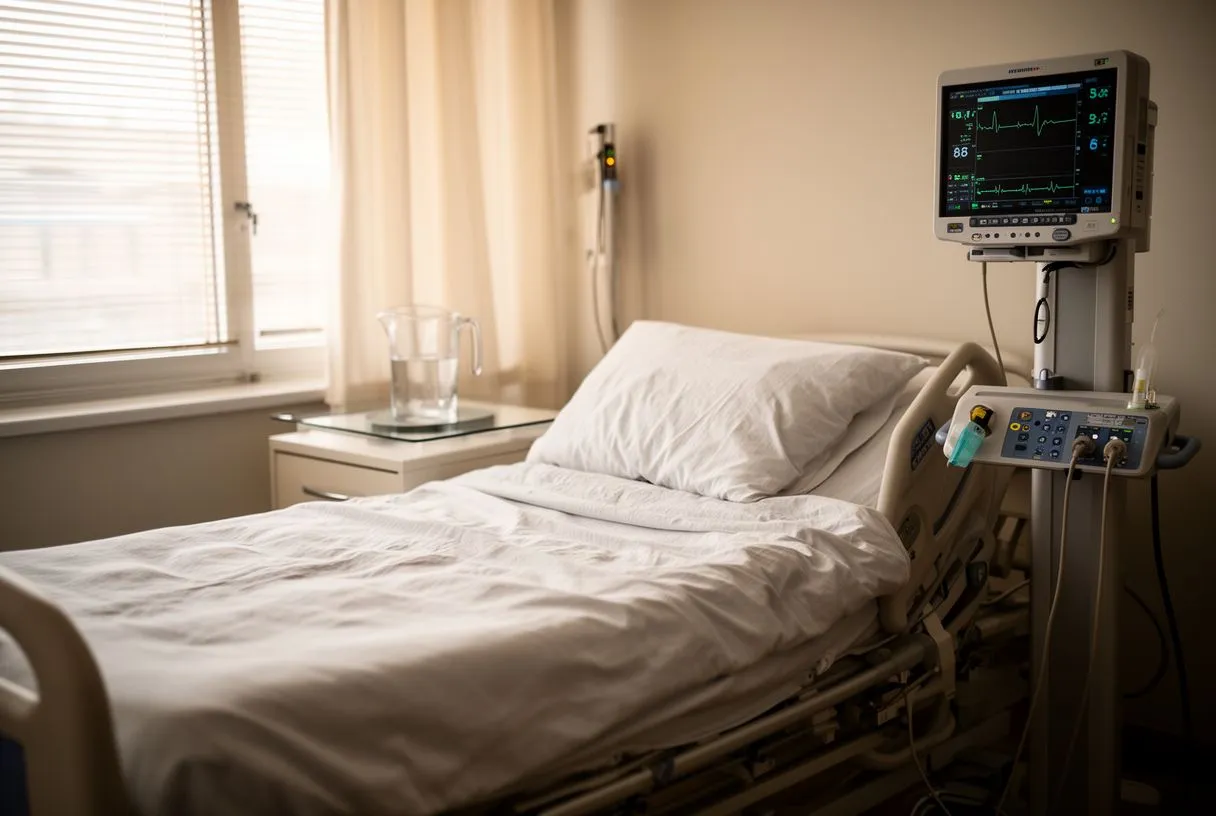
After leaving the intensive care unit you will move to a cardiac care unit or an ordinary hospital room. Here is what you can expect during that transition:
- Continued monitoring. Although you are no longer in intensive care, you will still be closely monitored. Staff will check your vital signs regularly and assess your cardiac progress. You may also have blood tests and other studies to assess cardiac function and confirm you are recovering properly.
- Pain management. If you have pain or discomfort, the team will continue to provide medication to control it and keep you comfortable. It is important to tell them about anything you feel so treatment can be adjusted.
- Mobilisation and physiotherapy. Early mobilisation and physiotherapy are important parts of recovery after heart surgery. As you recover, the team will encourage you to do gentle exercises and to start walking, to strengthen the muscles and encourage circulation. A physiotherapist can work with you to develop a personalised exercise programme and help you regain strength and mobility.
- Diet and nutrition. Your diet will continue to be supervised and adjusted as needed. You will start with a liquid diet and easily digestible solid food will gradually be introduced. The medical team and a dietitian can give you specific dietary guidance to promote healing and maintain healthy eating.
- Education and follow-up. After leaving intensive care you will receive more information about your operation, postoperative care and the lifestyle changes needed to maintain good cardiovascular health. The team will guide you on medication, incision care, warning signs and medical follow-up.
- Emotional support. Recovery after heart surgery can be emotionally demanding. You can expect emotional support from the medical team, including the chance to talk through your worries and fears. You might also consider joining a support group for people with heart conditions, or looking for additional support resources to help with the emotional changes you may experience.

What to expect on leaving hospital
Leaving hospital after heart surgery brings you to the next stage of recovery, which generally means the transition to care at home. Here is what you can expect during that period:
- Home care instructions. Before you are discharged, the team will give you detailed instructions on how to care for yourself at home. This can include information about prescribed medication, wound healing, dietary changes, activity restrictions and warning signs to watch for. Make sure you fully understand these instructions and ask every question you have.
- Medication and follow-up. You may be given prescriptions for medicines to take at home. Make sure you understand how and when to take each one, and any possible side effects. Follow-up appointments will also be arranged with your doctor to monitor your progress and make any necessary adjustments to your treatment plan.
- Incision care. During this period you will continue caring for your incisions. The team will give you specific guidance on how to clean and protect them, and what changes or signs of infection to watch for. You will also be told when and how to arrange removal of stitches or staples.
- Changes to diet and physical activity. You may need to make changes to your diet and physical activity on medical advice. This can include following a low-sodium, low-fat diet, limiting fluid intake and avoiding certain foods. Your doctor will also give you guidance on when and how to gradually begin physical activity and exercise. Follow these recommendations carefully and check with your doctor if you have any doubts.
- Gradual recovery. Full recovery after heart surgery takes time. It can be weeks or even months before you feel completely recovered. During this time it is normal to have emotional and physical ups and downs. It is important to be patient with yourself and to allow yourself to rest when you need to. Follow medical advice and report any new concern or symptom to your care team.
- Emotional support and follow-up. You may want to seek additional emotional support as you adjust to life after heart surgery. Consider joining a support group, talking to a counsellor or looking for resources online. Keep attending your scheduled follow-up appointments so your recovery can be confirmed as progressing the way it should.
What does cardiac rehabilitation refer to?
Cardiac rehabilitation is a comprehensive, multidisciplinary programme designed to help people who have had heart surgery — such as coronary bypass or valve replacement — to recover and improve their physical condition and quality of life.
The programme is usually supervised by a specialist team including doctors, nurses, physiotherapists, dietitians and psychologists. Its main aim is to help patients regain physical strength, improve cardiovascular health and prevent long-term complications.

Cardiac rehabilitation generally has several components:
- Supervised physical exercise. An exercise programme is prescribed, adapted to each patient's individual needs and capacity. It can include walking, a stationary bike, resistance exercises and other aerobic work. The exercise is done under the supervision of health professionals to ensure it is safe and effective.
- Education about a healthy way of living. Information is given on the importance of a balanced, healthy diet, managing weight, stopping smoking, managing stress and keeping blood pressure and cholesterol at healthy levels. Patients receive guidance on making positive changes to reduce the risk of future cardiac problems.
- Emotional and psychological support. Cardiac rehabilitation also addresses the emotional and psychological aspects of heart disease. Patients receive support in dealing with stress, anxiety, depression and the changes in body image that can follow heart surgery.
- Medical monitoring and follow-up. During the programme, regular medical checks assess progress and monitor blood pressure, heart rhythm and other cardiovascular risk factors. Medication is adjusted as needed and diagnostic tests are carried out to assess cardiac function.
Cardiac rehabilitation is a gradual and personalised process that can last several weeks or even months, depending on the individual. On completing a programme, patients generally experience improvements in physical condition, emotional wellbeing and their capacity to lead an active, healthy life.
When can I drive again after heart surgery?
When you can drive again after heart surgery varies according to several factors, including the type of operation you had, your individual recovery and your medical team's advice. It is essential to check with your doctor before starting to drive again, to be sure you are in a fit and safe condition to do so.
In general it is recommended to wait at least four to six weeks after heart surgery before driving again. During that period your body needs time to heal and to regain the strength and mobility needed to handle a vehicle safely.

Bear in mind the following as well:
- Check with your doctor. Before driving again, arrange a follow-up appointment so your doctor can assess your recovery and give you the go-ahead. They will assess your physical condition, your ability to make quick movements and your general level of comfort.
- Do not drive under the influence of medication. Some medicines prescribed after heart surgery can affect your ability to drive safely. Make sure you understand the side effects of what you are taking and check with your doctor if you have any question or concern.
- Comfort and safety at the wheel. Before driving again, consider how comfortable and confident you feel turning the wheel, using the pedals and checking the mirrors. If you feel pain, stiffness or a lack of strength, you may need to wait a little longer.
- Build up gradually. When you feel ready to drive again, consider starting with short, undemanding journeys. That lets you judge how comfortable you are and how well you are adapting. Over time, as you feel more confident and your physical condition improves, you can gradually increase the length and complexity of your trips.
When can I go back to work?
Here are some general considerations:
- Recovery time. Recovery after heart surgery can take several weeks or even months, depending on the complexity of the operation and your individual response. During this time your body needs to heal and grow stronger. It is important to let your body recover properly before returning to work.
- The kind of work you do. The type of work you do will be an important factor in determining when you can return. If you have a sedentary job that does not require intense physical effort, you may be able to return sooner than someone whose work is physically demanding or involves activities that could put your recovery at risk. Your medical team will consider these factors in assessing your fitness for work.
- Medical advice. Follow your medical team's advice on the right moment to return to work. They will assess your physical condition, your progress in recovery and your capacity to carry out the tasks involved. They may give you specific guidance on restrictions, adaptations or adjustments to consider in your working environment.
- A gradual return. You may need to consider returning to work gradually, starting with reduced hours or less demanding tasks. That lets you judge how comfortable you are and how well you are adapting, and avoids overdoing it too soon. It is also important to talk to your employer about any need for adaptation or modification at work to make the transition a safe one.
- After minimally invasive surgery, the return to normal life, to work and to physical activity is usually substantially faster than after conventional surgery.

Can I travel by plane?
The right time to travel by air will depend on several factors, including the type of surgery you had, your individual recovery and your doctor's specific advice. You should usually wait four to six weeks, though in some cases it can be after two.
Here are some things to consider:
- Recovery time. Your body needs time to heal and recover after heart surgery. It is important to let it recover properly before putting it through the stress of a flight. The length of that recovery period varies with the operation and with your individual response. Your medical team can give you a more precise estimate for your case. It can range from two to six weeks.
- Cabin pressure. During a flight, cabin pressure can affect the circulatory system and cardiac function. That can be particularly relevant if you have cardiovascular risk factors or if your heart surgery was recent. Your doctor can assess whether you are in a condition to handle those pressure changes without risk to your health.
- Medication and care. If you are taking prescribed medication as part of your recovery, make sure you have enough for the duration of your trip. It is also important to follow your doctor's instructions on taking it correctly while travelling. If you might need medical attention or follow-up during the trip, consider what medical services are available at your destination.
- Mobility and comfort. The limited space on a plane and the need to stay seated for long periods can be a challenge after heart surgery. If your recovery is still under way, you may need to consider your mobility and comfort during the flight. If necessary, ask your medical team whether any adaptation or special assistance is advisable.

How should I sleep after heart surgery?
After heart surgery, proper sleep is crucial to an optimal recovery. Here are some recommendations for sleeping comfortably and safely:
- Sleeping position. During the first weeks after surgery it is recommended to sleep on your side or on your back. Avoid sleeping face down, as it can put pressure on the sternum and the incisions.
- Pillows for comfort. Use extra pillows for support and comfort. Place one under your head and neck to keep a neutral position. You can use additional pillows to support your arms and legs as needed.
- Avoid pressure on the sternum. If you have incisions in the sternum, avoid placing weight or direct pressure on that area while sleeping. You can use pillows or cushions to keep sheets or blankets from pressing on it.
- Pain control. If you feel pain when sleeping, follow your doctor's advice on taking painkillers before bed. That can help you sleep better and relieve any discomfort.
- A suitable sleeping environment. Create conditions that help you sleep. Keep the room dark, quiet and at a comfortable temperature. Use blackout curtains, earplugs or a white-noise machine if you need to block outside noise and encourage restful sleep.
- Establish a sleep routine. Try to establish a regular sleep routine. Going to bed and getting up at the same time every day can help regulate your body clock and improve the quality of your sleep.
- Avoid stimulants before bed. Limit or avoid caffeine, nicotine and alcohol, as they can interfere with your ability to fall asleep and to sleep deeply.

What will long-term follow-up be like?
Long-term follow-up after heart surgery is essential to ensure continued recovery and good cardiovascular health. The type and frequency will depend on your specific medical condition, the operation performed and your medical team's advice. Here are some common aspects of long-term follow-up:
- Follow-up appointments. After surgery, regular follow-up appointments will be arranged with your cardiovascular surgeon and cardiologist. These let you assess your recovery, carry out diagnostic tests such as echocardiograms or stress tests, and adjust your treatment plan as needed.
- Medication. You may need to take medication long-term to control underlying conditions such as coronary artery disease or high blood pressure. Your doctor will review what you are taking regularly, adjust doses as needed and tell you about possible side effects and changes.
- Lifestyle changes. Long-term follow-up also means maintaining a healthy way of living to support cardiovascular health. This can include a balanced, low-sodium diet, keeping to a healthy weight, exercising regularly and stopping smoking if you were a smoker. Your medical team will guide you on how to build these changes into daily life.
- Diagnostic tests. You may need periodic diagnostic tests to assess cardiac function, blood flow and other factors relating to your cardiovascular health. These can include echocardiograms, stress tests, blood tests and imaging studies such as angiography or MRI.
- Continuing education. Long-term follow-up also involves continuing education about your condition and self-care. Your medical team will give you up-to-date information about your heart condition, treatment guidance and how to maintain good cardiovascular health. They may also offer additional resources such as support groups or patient education programmes.
- Watching for risk factors. During long-term follow-up your doctor will regularly assess cardiovascular risk factors such as blood pressure, cholesterol levels and diabetes. The aim is always to identify and control these to prevent cardiovascular disease progressing.
How can I support a relative or someone I love after heart surgery?
When someone you love has had heart surgery, giving solid support through their recovery matters enormously. Here are some ways you can support someone who has had a heart operation:
- Learn about the surgery and the recovery process. Find out about the specific operation your relative has had and the recovery that goes with it. That will help you understand better what they are going through and how to give the right support.
- Listen actively and offer emotional support. Let them express their worries, fears and feelings about the surgery and the recovery. Listen actively, show empathy and give emotional support. Sometimes simply being there and listening is a great help.
- Help with daily tasks. During recovery they may have physical limitations. Offer help with everyday tasks such as preparing healthy meals, running errands, cleaning the house or taking on family responsibilities. Your practical support lets them focus on recovering.
- Go with them to medical appointments. Accompany them and make a note of the doctor's instructions and recommendations. Being a support at these appointments can help them remember the important information and gives peace of mind.
- Encourage a healthy way of living. Support them in adopting healthy habits. You can prepare balanced meals, encourage regular exercise in line with medical advice, and model healthy habits yourself. Together you can create conditions that help recovery and maintain good cardiovascular health.
- Offer distraction and positive activities. Help them find distractions and activities that bring them enjoyment and relief from stress during recovery. That might be reading, watching films, hobbies or low-impact social activities.
- Be patient and understanding. Recovery from heart surgery takes time and there can be emotional ups and downs. Be patient and understanding through the process. Respect their pace of recovery and give them the space and time they need to heal fully.
To take home
For those who have had heart surgery and for their families, I want to remind you that resilience and inner strength are powerful tools on the road to recovery. Every step you take, every challenge you overcome, brings you closer to a life of health and wellbeing. Keep faith in your capacity to heal, and remember that you are not alone on this journey. Draw on the support of the people who love you, seek the knowledge and guidance of your medical team, and find inspiration in the stories of others who have come through similar challenges.
Remember — you are not alone.

About the author
Dr Alejandro Molina is a cardiovascular surgeon practising in Guadalajara, Querétaro and Hermosillo. He trained in cardiothoracic surgery at the Universidad de Guadalajara, completed advanced training in cardiac surgery, minimally invasive surgery, robotic surgery and structural interventions at the University of Montreal, and a fellowship in structural cardiology and TAVR at CHU Bordeaux, France. He performed the first robotic mitral valve repair in the Ángeles Health System and the first robotic heart surgery in Guadalajara.
Medical degree: Universidad Autónoma de Guadalajara, Cédula Profesional 5757260 · Cardiothoracic surgery: Universidad de Guadalajara, Cédula de Especialidad 10768871 · Current certification, Consejo Nacional de Cirugía del Tórax, no. 447
Talk to a specialist
Request a free video consultation to clear up your questions and make a better-informed decision.