Anxiety and the Heart: Palpitations, Chest Pain and Fear
Anxiety and the heart palpitations can cause chest pain and fear.
Anxiety and the heart palpitations go hand in hand. Your chest pounds, your breath shortens, and a quiet thought appears: is this my heart, or is this me? That question deserves a real answer, not reassurance without evidence. In this guide, we walk through how anxiety affects the cardiovascular system, why its symptoms so closely imitate heart disease, which warning signs must never be ignored, and how a proper cardiac evaluation can give you certainty instead of fear.
What Are Anxiety and the Heart Palpitations?
Palpitations are simply your awareness of your own heartbeat. Normally you do not feel your heart at all. When anxiety triggers a surge of adrenaline, the heart beats faster, harder, or skips in a way you suddenly notice. This is anxiety heart palpitations symptoms at their most basic: a racing pulse, a flutter, a thud in the chest that arrives with worry and fades when you calm down.
The link between anxiety and the heart runs both ways. Anxiety activates your sympathetic nervous system, the body's fight-or-flight machinery. Your heart rate rises, blood pressure climbs, and stress hormones flood the bloodstream. Over time, chronic anxiety can contribute to higher cardiovascular risk, which is why National Heart, Lung, and Blood Institute guidance treats mental health as part of heart health, not something separate from it.
Understanding this connection removes half the fear. The palpitations you feel during a stressful moment are a normal body response, not proof of damage. But because symptoms overlap so much with cardiac conditions, the sensible path is never to guess. It is to have the heart examined once, properly, so that future episodes no longer frighten you.
Can Anxiety Cause Heart Palpitations?
Yes, and the mechanism is well understood. Stress induced heart palpitations treatment begins with understanding why they happen. When your brain perceives a threat, real or imagined, it releases adrenaline. Adrenaline tells the heart's natural pacemaker to speed up and tells the muscle to contract more forcefully. The result is that pounding, fluttering sensation, especially when you are resting or trying to relax.
Other contributors stack on top of adrenaline. Caffeine, poor sleep, dehydration, alcohol, and thyroid overactivity all make palpitations more likely. Anxiety magnifies all of them. A person who has had a rough night, drinks three coffees, and is dreading a difficult conversation can easily experience a racing heart that feels alarming but is fully reversible.
What matters clinically is the pattern. Palpitations that arrive with stress, resolve with rest, and never come with fainting or chest pain are usually benign. Palpitations that come with dizziness, blackouts, or Chest Pressure that persists need a cardiologist's assessment. This distinction matters, and it is the first thing to explore when a patient describes their episodes.
Anxiety vs Heart Attack Symptoms: How to Tell Them Apart
The difference between anxiety and heart problems is real, but it is subtle. Both can cause chest discomfort, sweating, a racing pulse, and a feeling of doom. This overlap is exactly why people end up in emergency rooms unsure which they are having. Knowing the patterns helps, though it never replaces a proper examination.
- Anxiety pattern: pain that is sharp or stabbing, stays in one spot, lasts seconds, and shifts with breathing or pressing on the chest; it usually starts during a stressful moment and eases as you calm down.
- Cardiac pattern: crushing or squeezing Chest Pressure, often with Arm Pain, Jaw Pain, or Back Pain; it lasts more than a few minutes, does not change with position, and may come with nausea, cold sweat, or shortness of breath.
- Red flags either way: fainting, Chest Pain with exertion like climbing stairs, or pain radiating to the left arm deserve urgent evaluation, not self-diagnosis.
Women in particular deserve special attention here. Research has shown that women having cardiac events more often present with atypical symptoms, such as fatigue, nausea, and Anxiety, rather than the classic chest-clutching picture. That means women should be especially sceptical of the phrase "it's just stress" when their symptoms persist. When a woman's episodes have been dismissed as anxiety, the cardiac possibilities should be taken seriously and the studies reviewed properly.
Why Anxiety Chest Pain Feels Real (and Usually Is Not Heart)
Anxiety chest pain not heart-related still hurts, and that is not imaginary. During a panic response, the muscles between the ribs tighten, breathing becomes rapid, and the esophagus can spasm. Each of these produces genuine Chest Pain or Chest Tightness. The pain is real; only its origin is muscular or nervous rather than cardiac.
This is why the experience is so convincing. Your brain cannot distinguish between pain from a strained muscle and pain from a deprived heart muscle, at least not by sensation alone. Panic attacks can even produce a Tearing Chest Pain quality or Epigastric Pain in the upper abdomen that mimics cardiac emergencies. Only testing settles the question.
There is also a physical connection worth knowing. A structure in the chest called the pectus, sometimes described in pectus excavatum: understanding and treating "funnel chest", can produce palpitations and chest discomfort that feel identical to anxiety symptoms, because the heart's position shifts within the chest. Knowing the anatomy of your own body, once, is worth a hundred nights of guessing.
Heart Palpitations at Night: When Anxiety Strikes in Bed
Heart palpitations at night anxiety episodes are among the most common we hear about. During the day, distractions keep your attention outward. In a quiet, dark room, your attention turns inward, and every heartbeat becomes audible. Lying on your left side puts your heart physically closer to the chest wall, so you literally feel it more strongly. Add a day's accumulated stress, and the result is a pounding heart at 2 a.m.
Night-time palpitations are also affected by physiology. Cortisol, the stress hormone, follows a natural rhythm, and for some people anxiety peaks when the day's stimulation ends. Sleeping after heavy alcohol, a late large meal, or an unresolved argument can all set the stage. None of this means your heart is diseased, but it does mean the pattern deserves honest examination.
One caution: sleep apnea, a condition where breathing repeatedly stops during sleep, is a genuine cardiac risk factor and can cause night-time palpitations with morning headaches and unrefreshing sleep. If your partner reports that you snore loudly or gasp at night, mention this to your doctor. It changes the evaluation entirely.
When to See a Cardiologist for Palpitations
Some situations call for a specialist without delay. Palpitations that occur with fainting, that arise during exercise, or that come with sustained shortness of breath are never something to wait out. The same applies to a family history of sudden cardiac death or unexplained accidents, or a personal history of heart disease. These are the moments when to see cardiologist for palpitations rather than assume stress.
For everyone else, the decision is about certainty. If palpitations are frequent, escalating, or genuinely affecting your life, a one-time cardiac evaluation is worth it regardless of how likely anxiety turns out to be the cause. A clean bill of cardiac health is itself treatment: it gives your mind a firm floor to stand on when the next episode arrives. Our team encourages patients to bring their questions, even the ones that feel embarrassing, because a patient who understands their own heart is a safer patient.
Telemedicine has made this step far easier. A telemedicine heart palpitations consultation lets you describe your episodes from home before committing to travel or testing. Our first contact is a free video consultation: we get to know the patient, talk through the condition, and say which studies are still needed so no unnecessary ones are ordered. Only when you decide to go ahead does a face-to-face visit at our consulting rooms follow.
What Tests Rule Out Heart Problems?
Evaluation starts simple and escalates only when needed. The basic workup for palpitations is straightforward. Here is the usual sequence:
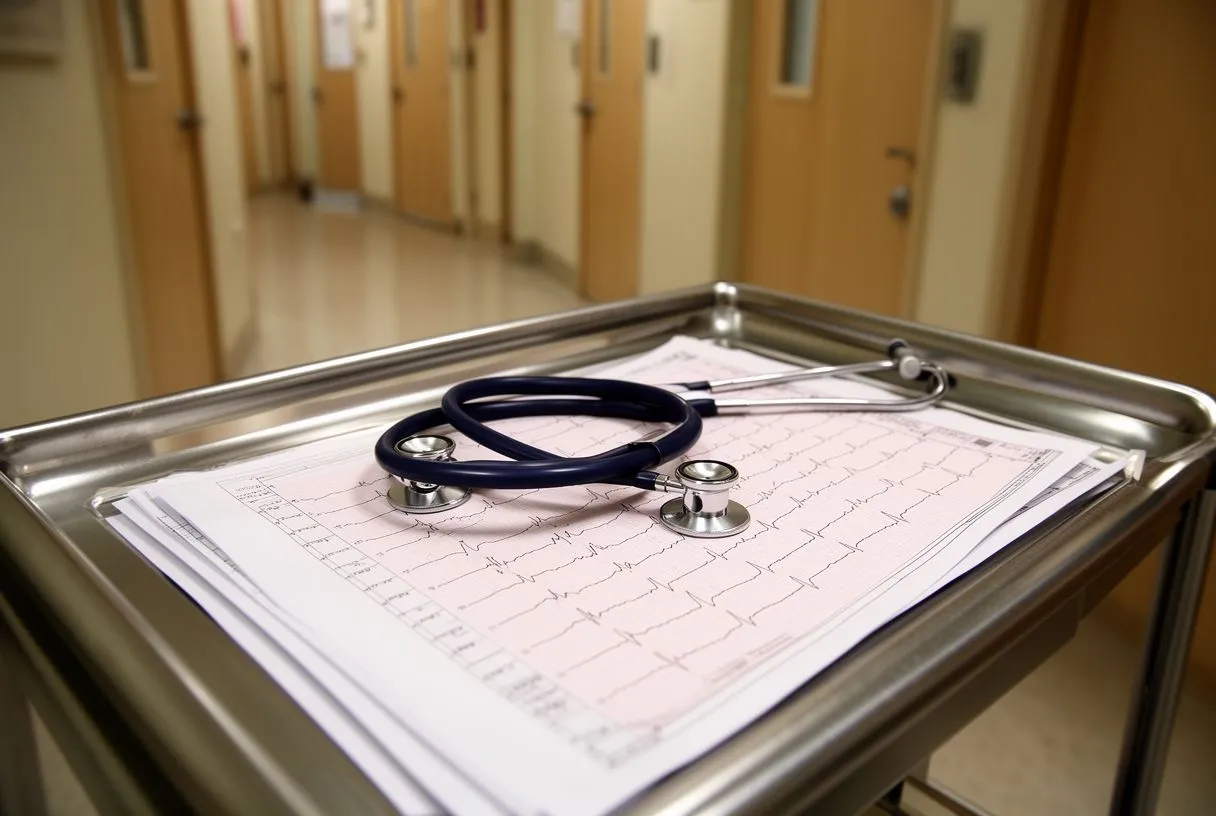
- Electrocardiogram (ECG): a painless, minutes-long recording of your heart's electrical activity; it catches rhythm problems that occur during the test.
- Chest X-ray: shows the heart's size and position and rules out lung causes of chest symptoms.
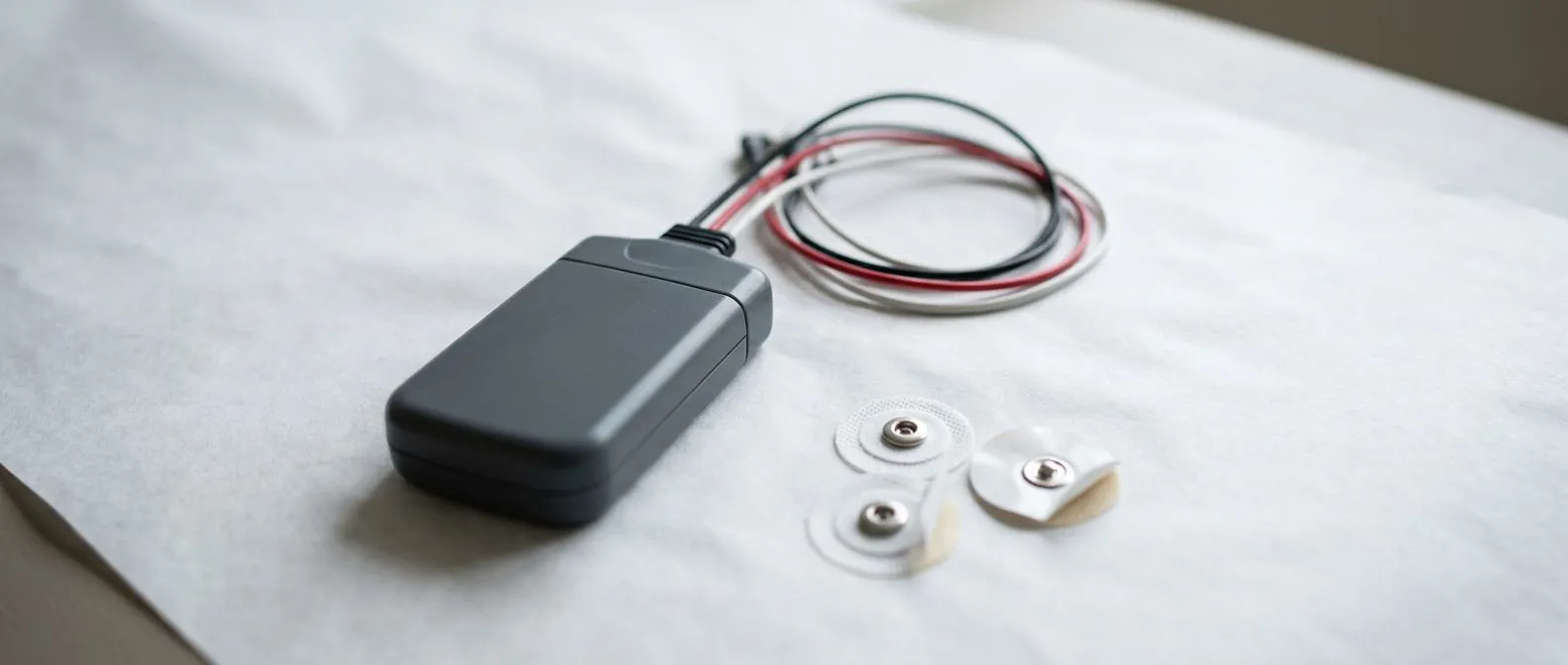
- Holter monitor: a portable device worn for 24 to 48 hours, or longer, that records every beat, so a heart monitor for anxiety ruling out cardiac causes can capture episodes that never appear during an office visit.
- Stress test: a treadmill test that reveals how the heart behaves under exertion, useful when palpitations occur with activity.
For patients with structural concerns, an echocardiogram, an ultrasound of the heart, shows valves, chambers, and pumping function in detail. If coronary disease is suspected, a CT angiogram or catheterization may follow. Each step is chosen for a reason, and each is skipped when the evidence says it is not needed. Every case is reviewed by our multidisciplinary team against international practice guidelines before a recommendation is given, and the patient receives a clear proposal with the alternatives.
How to Stop Anxiety Palpitations
The immediate technique is simple and works for many people. When palpitations start, sit down, breathe out slowly through pursed lips for a count of six, and breathe in for a count of four. Slow exhalation activates the vagus nerve, the body's natural brake on heart rate, and can calm a racing pulse within a few minutes. This is the first answer to how to bring down heart rate without any equipment.
Longer-term strategies carry the real weight. Regular aerobic exercise, consistent sleep, reduced caffeine, and limiting alcohol all lower the frequency of anxiety-driven palpitations. Structured approaches such as cognitive behavioural therapy have strong evidence for reducing panic symptoms, and mobile health tools can help: a systematic review of mHealth interventions found that technology-based programmes can meaningfully support health behaviour change and disease management in consumers. Even brief daily breathing practice measurably reduces baseline anxiety.
Medication has a role when lifestyle and therapy are not enough. Beta-blockers can dampen both the palpitations and the physical surge of anxiety, and some patients benefit from anti-anxiety treatment prescribed by a mental health professional. Never start or stop such medication on your own; coordination between your cardiologist and your doctor is what makes it safe. When symptoms persist despite a clean cardiac evaluation, that pattern itself deserves attention, because persistent cardiac anxiety responds to treatment.
Cardiac Anxiety Disorder: When Fear of the Heart Becomes the Problem
Cardiophobia is a recognised pattern, and it is more common than you might think. It describes intense, persistent fear that something is wrong with your heart, even after medical tests come back normal. Symptoms include checking your pulse dozens of times a day, avoiding exercise out of fear, repeatedly seeking reassurance, and interpreting every innocent sensation as danger. The symptoms of cardiophobia are the fear itself driving the very palpitations you dread.
The loop is cruel but understandable. Anxiety produces palpitations. Palpitations feel like evidence of heart disease. The fear deepens, adrenaline rises, and the palpitations worsen. Breaking the loop requires two things together: certainty about the heart, which only a proper evaluation provides, and treatment of the anxiety itself, which a psychologist or psychiatrist provides. One without the other rarely lasts.
Chronic stress also has long-term physical consequences worth respecting. Persistent anxiety is associated with higher blood pressure, sleep disruption, and inflammation, and post-viral conditions such as Long COVID have drawn attention to how deeply fatigue and cognitive symptoms can affect daily life, as documented in research on post-COVID syndrome and persistent fatigue. The lesson is the same: take anxiety seriously as a health matter, not a character flaw.
Finding a Heart Specialist in Guadalajara and Beyond
Choosing care starts with credentials and honesty. For patients in Jalisco and across northern Mexico, finding a heart specialist in Guadalajara, Querétaro, or Hermosillo means looking for a team that explains, not just prescribes. Ask whether the recommendation was reviewed by more than one specialist. Ask what the alternatives were, and why one was chosen. A trustworthy team welcomes these questions.
We are a multidisciplinary team of cardiac surgeons led by Dr Alejandro Molina, with consulting rooms in Guadalajara, Querétaro and Hermosillo, and we encourage second opinions, treating them as a normal part of deciding about heart care. Dr Molina trained in cardiothoracic surgery at the Universidad de Guadalajara and in cardiac, minimally invasive, robotic and structural surgery at the University of Montreal, with further training in structural cardiology and TAVR at CHU Bordeaux. In the consultation, our team takes the time to explain what the studies actually show, in plain words, and to answer every question before any decision is made.
Cost and access matter, especially for international patients. A heart check-up for palpitations typically involves an initial consultation, an ECG, and possibly a Holter monitor. Travel and insurance logistics should be discussed openly with the clinic before booking; a good team will tell you what is needed before you fly.
Anxiety and the heart palpitations are a real, common, and manageable combination. The palpitations themselves are usually harmless, but the only way to know your own situation is to have your heart examined once, properly, by people who take both your symptoms and your fears seriously. Do not self-diagnose, and do not live in uncertainty. Book a consultation with a qualified cardiac team, bring your questions, and let certainty replace fear.