

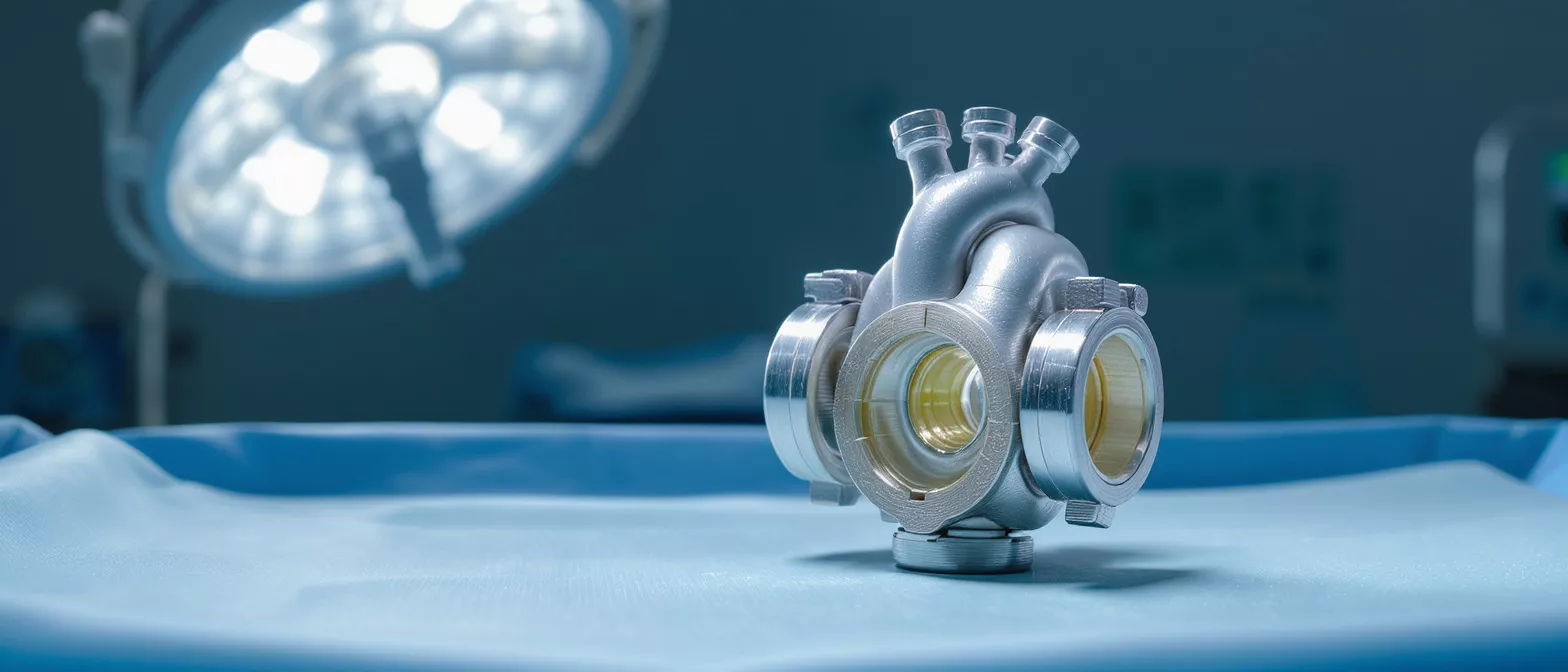
Valve Replacement
Valve replacement surgery restores blood flow and relieves heart strain.
What is valve replacement?
Valve replacement is a surgical procedure designed to remove a damaged or diseased heart valve and replace it with a new, fully functioning artificial valve. The human heart relies on four specialized valves to keep blood flowing in the correct direction. When one of these valves—most commonly the aortic or mitral valve—fails to open fully or close tightly, the heart must work significantly harder to pump blood throughout the body.
By implanting a durable substitute, a cardiac surgeon restores normal blood flow and relieves the severe strain on the heart muscle. This intervention is a highly effective treatment for severe valve stenosis, where the valve opening becomes rigid and narrow, or valve regurgitation, where the valve leaks and allows blood to flow backward. Correcting these structural problems is essential for preserving long-term heart function.
For patients facing structural heart disease, this operation can be life-saving and significantly improves everyday quality of life. Under the expert care of Dr Alejandro Molina at Cirugía de Corazón, this complex procedure is approached with meticulous precision to ensure the best possible outcome for the patient.
Why is heart valve surgery necessary?
Heart valve surgery becomes necessary when diagnostic tests show that a failing valve is causing significant symptoms or damaging the heart muscle. Patients might experience severe shortness of breath, chest pain, extreme fatigue, or dizziness during routine activities. These symptoms occur because the heart is struggling to maintain adequate blood circulation against the mechanical resistance of a diseased valve.
Aortic stenosis progression: This is a common reason for aortic valve surgery, where the valve leaflets become calcified and stiff over time, restricting blood flow from the heart to the rest of the body.
Mitral regurgitation risks: A leaky mitral valve forces the heart to pump twice as hard to move the same volume of blood, eventually leading to heart enlargement and potential heart failure if left untreated.
Without surgical intervention, severe valve disease will progressively worsen and can lead to life-threatening complications such as heart failure, arrhythmias, or sudden cardiac arrest. Replacing the damaged valve interrupts this decline, allowing the heart to heal and return to a normal workload.
What are the heart valve replacement options?
When facing this operation, patients have two primary types of artificial valves to choose from. The selection depends on the patient's age, overall health, and specific cardiac anatomy. Your surgical team will help you weigh the benefits of each option to find the most suitable match for your body and lifestyle.
- Mechanical valves: Made from highly durable materials like carbon and titanium, these valves are designed to last a lifetime, though they require long-term blood-thinning medication to prevent clots.
- Biological valves: Constructed from animal tissue (such as cow or pig) or occasionally human donor tissue, these valves function naturally and typically do not require lifelong blood thinners, but they may need to be replaced after 15 to 20 years.
Understanding these choices empowers patients to make informed decisions about their cardiac care. Selecting the right valve is a highly individualized process that balances the desire to avoid long-term medication with the potential need for a future reoperation.
Mechanical vs biological valve replacement?
Longevity and durability: Mechanical valve replacement is often recommended for younger patients because the artificial materials are incredibly resilient and rarely wear out. However, this durability comes with the absolute requirement of taking daily anticoagulant medications to prevent blood clots from forming on the metal components.
Biological valves offer the distinct advantage of a more natural blood flow profile and free patients from the strict daily routine of blood thinners. These tissue valves are generally preferred for older adults or patients who have a higher risk of bleeding complications from anticoagulants.
The primary trade-off when choosing a biological valve is its limited lifespan. Over time, the animal tissue gradually degenerates, meaning a younger patient receiving a biological valve will likely require a second valve replacement surgery later in life. A thorough discussion with your cardiologist and surgeon is essential to navigate this critical decision.
How to prepare for valve replacement surgery?
Preparation for valve replacement surgery involves a comprehensive evaluation phase to ensure the patient is in the best possible condition for the operating room. This includes a series of diagnostic tests such as echocardiograms, electrocardiograms (ECG), chest X-rays, and comprehensive blood work. These tests give the surgical team a complete picture of the heart's current state and overall health.
Patients are usually advised to stop taking certain medications, such as blood thinners or anti-inflammatory drugs, several days before the surgery to reduce the risk of excessive bleeding. It is also crucial to arrange for post-operative support, including a designated family member or caregiver to assist with transportation and daily activities during the initial recovery period.
Lifestyle adjustments play a vital role in surgical success. Smoking cessation is strongly emphasized in the weeks leading up to the procedure, as smoking significantly impairs lung function and slows down the healing process of both the heart and the surgical incisions.
What happens during cardiac valve replacement?
During cardiac valve replacement, the patient is placed under general anesthesia, and the surgical team safely stops the heart to create a still and bloodless environment for the delicate procedure. A heart-lung bypass machine is temporarily used to take over the pumping of blood and circulation of oxygen throughout the body.
The surgeon makes a precise incision in the chest to access the heart, then carefully removes the diseased valve. The new artificial valve—whether mechanical or biological—is securely sewn into place, ensuring a perfect fit and immediately restoring unobstructed blood flow.
Once the new valve is functioning perfectly, the bypass machine is gradually weaned off, and the heart resumes its normal beating rhythm. The entire operation requires immense skill and typically takes several hours to complete safely.
What is valve replacement recovery like?
Valve replacement recovery begins in the intensive care unit (ICU), where patients are closely monitored for the first 24 to 48 hours. Medical staff carefully track vital signs, heart rhythm, and the function of the new valve. Patients usually wake up with a breathing tube for a short period, which is removed once they are fully awake and breathing independently.
After the ICU, patients are transferred to a regular hospital room to begin a structured cardiac rehabilitation program. This involves gradually increasing physical activity, performing gentle breathing exercises, and closely monitoring incision healing. The total hospital stay typically lasts about a week, depending on the individual's overall progress and response to the surgery.
Full recovery at home takes several weeks to a few months. During this time, patients slowly return to their normal routines while attending scheduled follow-up appointments. Post-surgical wound care requires proper hygiene and protection, often utilizing antibacterial surgical skin cleansers to keep the incision site free from infection as it heals.
Are valve replacement surgeries safe?
Valve replacement surgeries are highly established procedures with excellent track records in modern cardiac centers. Advancements in surgical technology, enhanced anesthesia protocols, and specialized post-operative care have significantly improved survival rates and reduced the incidence of major complications over the past few decades.
Like any major surgical intervention, there are inherent risks involved, which your surgeon will discuss thoroughly beforehand. These risks can include infection, bleeding, adverse reactions to anesthesia, or the possibility of a stroke.
However, for the vast majority of patients with severe heart valve disease, the risk of leaving the disease untreated is far greater than the risk of the surgery itself. In the hands of an experienced specialist, the benefits of a successful operation almost always outweigh the potential surgical risks, leading to a longer and much more active life.
Understanding valve replacement cost?
The total valve replacement cost encompasses several distinct medical components, including the surgical team's fees, anesthesia, the operating room time, and the specific type of artificial valve selected. The cost can also vary based on the patient's length of stay in the ICU and the specific cardiac rehabilitation protocols required.
The focus should always remain on finding a facility that maintains strict international standards for hygiene, technology, and surgical expertise rather than simply choosing the lowest price.
Patients should always request a detailed, itemized quote from their healthcare provider to fully understand what is included in their care package. During the delicate recovery phase, maintaining proper air quality at home is crucial for respiratory health, and using hospital-grade HEPA air purifiers can create a much safer healing environment.
Choosing a cardiac surgeon in Guadalajara?
Choosing the right specialist is the most critical step in ensuring a successful cardiac outcome. When looking for a cardiac surgeon in Guadalajara, patients should carefully verify the surgeon's credentials, board certifications, and the overall volume of valve replacement surgeries they perform annually. High-volume surgeons and hospitals consistently report better patient outcomes and lower complication rates.
Dr Alejandro Molina and the dedicated team at Cirugía de Corazón offer a combination of advanced surgical expertise and deeply compassionate patient care. A trustworthy surgeon will take the time to fully explain your diagnosis, walk you through the surgical plan, and answer all your questions with patience and clarity, ensuring you feel confident and informed every step of the way.
Ultimately, choosing the right team brings profound peace of mind to both the patient and their family. By combining technical excellence with a patient-centered approach, the journey through valve replacement becomes a deeply supported path back to robust cardiovascular health and a revitalized life.






