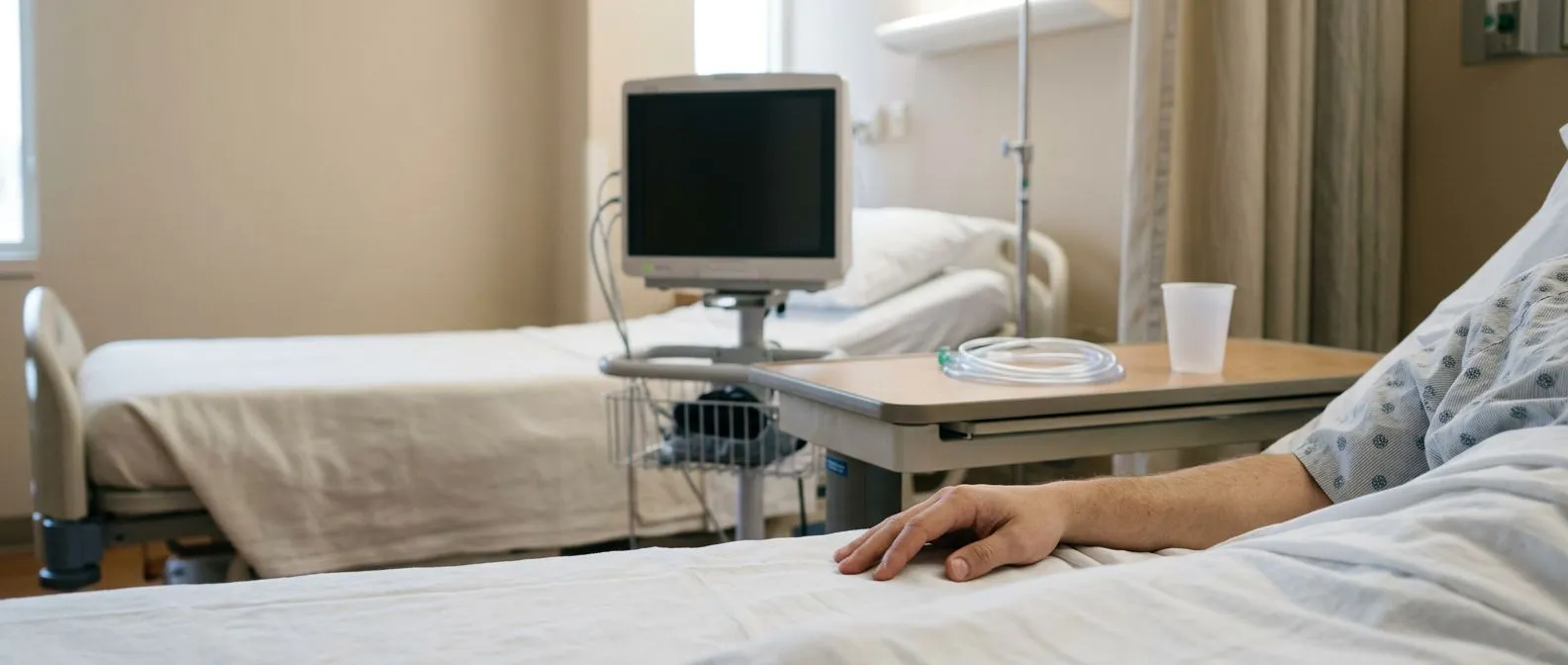
Aerobic Training After Heart Surgery: Building Back Fitness
Discover how safe aerobic training rebuilds fitness after heart surgery.
What Is Aerobic Training After Heart Surgery?
Aerobic training after heart surgery refers to continuous, rhythmic physical activity that raises your heart rate to a controlled, therapeutic level while your body heals from a cardiac operation. Whether you have had coronary artery bypass grafting, a valve repair or replacement, or surgery on the ascending aorta, the cardiovascular system must relearn how to handle exertion efficiently. Aerobic exercise — walking, stationary cycling, gentle swimming at later stages — trains the heart muscle to pump blood with less effort per beat, improves oxygen delivery to healing tissues, and helps reverse the deconditioning that bed rest and hospital stays impose. The goal is not athletic performance; it is a safe, graded return to functional independence.
What does aerobic exercise actually do to a healing heart? When you walk at a brisk but comfortable pace, your skeletal muscles demand more oxygen. The heart responds by increasing its output — pumping slightly faster and ejecting more blood per contraction. Over weeks of repeated, gentle exposure, the left ventricle (the main pumping chamber) becomes more efficient, and your resting heart rate often drops. This means the heart does less work at rest and during daily activities, which is precisely what a post-operative cardiac patient needs. The process also encourages collateral blood vessel growth in the legs and around the heart, reducing the workload on any arterial graft or native coronary vessel that was bypassed.
Why is this different from exercise before surgery? Before an operation, your baseline fitness, heart function, and symptom threshold were established over years. After surgery, your sternum (breastbone) may be healing if you had a median sternotomy, your chest wall may be tender from incisions, and your heart may still be recovering from being stopped and restarted on a heart-lung machine or from being operated on a beating heart. Everything must be reintroduced gradually. The thresholds for safe heart rate, perceived exertion, and duration are lower and are guided by your surgical team, not by what you could do six months ago. Aerobic training after heart surgery is a medical recovery tool, not a fitness challenge — the pace is set by healing, not by ambition.
How Aerobic Exercise Supports Heart Surgery Recovery
The physiological benefits of aerobic training after heart surgery extend far beyond the heart itself. Surgery triggers a systemic inflammatory response — your body releases stress hormones, holds onto fluid, and breaks down muscle protein during the first days of recovery. Controlled aerobic movement counteracts all three. Light walking stimulates blood flow through the deep veins of the legs, reducing clot risk. It helps the kidneys shed retained fluid. And it signals muscles to resume protein synthesis, halting the rapid strength loss that follows prolonged bed rest. According to guidelines from the European Society of Cardiology, structured cardiac rehabilitation with aerobic exercise is a class IA recommendation for patients recovering from cardiac surgery, meaning the evidence is strong and the benefit is clear.
How does aerobic exercise affect your blood vessels? Regular, moderate aerobic activity improves endothelial function — the ability of the inner lining of your arteries to dilate and constrict in response to blood flow demands. This is especially important if your surgery involved bypassing an atheromatous plaque, a fatty deposit that narrowed a coronary artery. Better endothelial function means the arteries that were not bypassed are less likely to narrow further, and the ones that were grafted receive better downstream flow. If you are on medications such as Aspirin or anticoagulants after surgery — for example, if you have a history of atrial flutter or atrial fibrillation — exercise also helps maintain a lower, more stable heart rate, which can reduce the workload on the atrium (the upper chambers of the heart) and support rhythm stability.
What about mood, sleep, and energy? Cardiac surgery recovery is emotionally taxing. Anxiety about exertion, disrupted sleep from incision discomfort, and a sense of lost physical confidence are common. Aerobic training, even at modest intensity, releases endorphins and promotes deeper sleep architecture. Patients who walk daily in the weeks after surgery consistently report improved mood and a faster return of daily energy compared with those who remain sedentary. The psychological milestone of completing a structured walk — say, walking ten minutes without stopping — often matters more to recovery than any measurable cardiac metric, because it rebuilds confidence in the repaired heart.
When Can You Start Exercise After Cardiac Surgery?
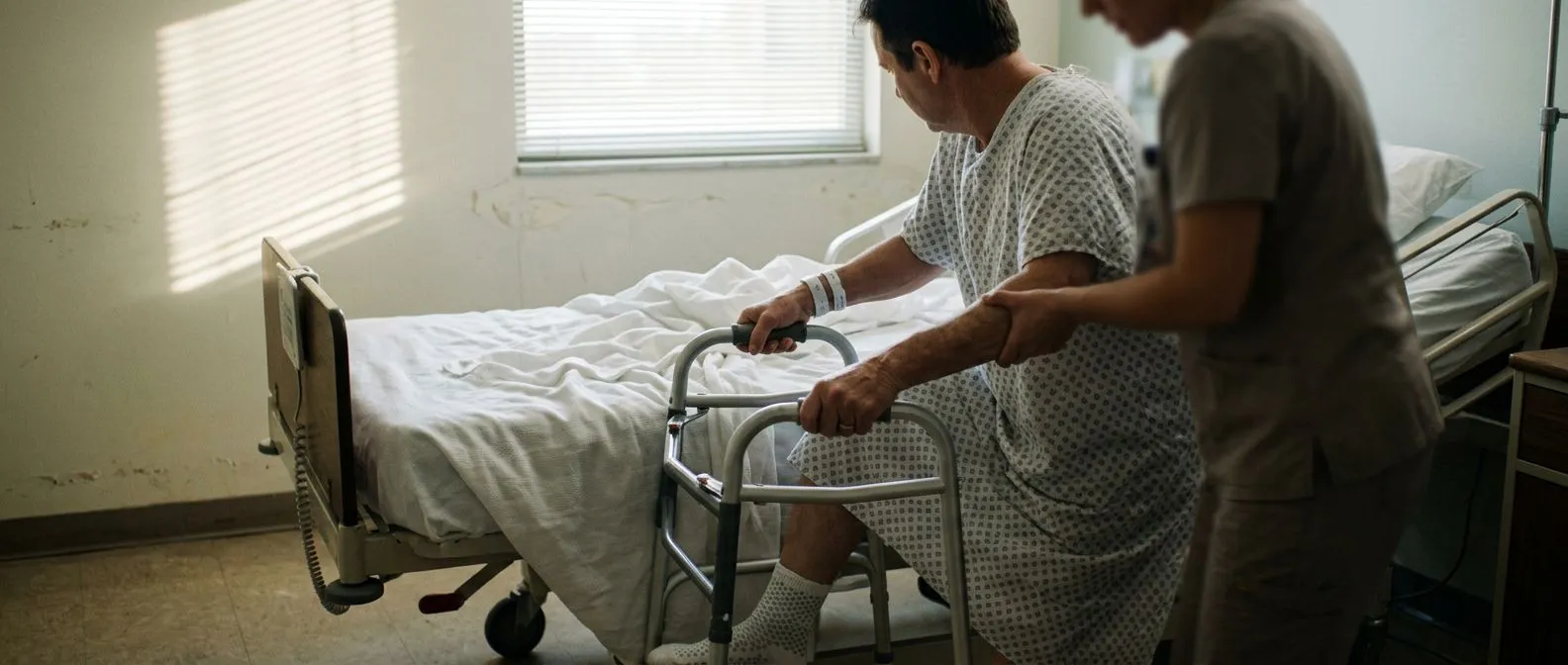
The timeline for starting aerobic training after heart surgery depends on the type of procedure, your surgical approach, and your overall condition before the operation. For most patients undergoing elective coronary bypass or valve surgery through a sternotomy, gentle walking begins on the first or second post-operative day in the hospital — first around the bed, then to the bathroom, then down the corridor with assistance. This is not yet "training" in the fitness sense; it is mobilisation designed to prevent blood clots, lung collapse, and muscle wasting. True aerobic training — walking with a target duration and slight elevation in heart rate — typically begins two to four weeks after discharge, once your surgeon has confirmed that your sternal incision is stable and your wound is healing without signs of infection.
What if your surgery was minimally invasive? Patients who undergo minimally invasive valve surgery, including transcatheter aortic valve replacement (TAVR), may mobilise faster because the breastbone is not fully divided. Some TAVR patients walk within hours of the procedure and begin structured aerobic training within one to two weeks. However, the rapid physical recovery does not eliminate the need for a cardiac rehabilitation assessment. The heart still needs graded aerobic reconditioning, and the medications that protect the new valve — including anticoagulation or antiplatelet therapy — must be factored into your exercise plan. Your surgical team will determine the right entry point into formal cardiac rehab based on your individual risk profile.
What milestones must be met before formal training begins? Before you join a cardiac rehabilitation programme or begin unsupervised walking at home, several clinical checks are standard: your incision should be closed and dry, your resting heart rate and blood pressure should be within a range your cardiologist considers acceptable for your situation, and you should be free of uncontrolled arrhythmias. If you had surgery for a condition involving the aorta or if you have a residual murmur detected on auscultation (listening with a stethoscope), your team may order an echocardiogram before clearing you for exercise. The clearance conversation is not a formality — it is the single most important safety checkpoint in your recovery, and it should happen before you take your first sustained walk outdoors.
Safe Exercises After Heart Surgery: First Weeks
In the first two to four weeks after discharge, safe aerobic training after heart surgery is built almost entirely around walking on flat ground at a conversational pace. "Conversational" means you can speak in full sentences without gasping — if you cannot, you are walking too fast. The distance matters less than consistency. A typical starting prescription is five to ten minutes of walking, two or three times per day, gradually increasing the single-session duration rather than adding speed. The goal is to accumulate twenty to thirty minutes of continuous walking by the end of week four, assuming no setbacks. Stationary cycling with no resistance can be introduced around week three if your surgeon approves, but outdoor cycling, swimming, and any activity involving arm leverage above shoulder height remain off-limits during this phase.
Why are arm movements restricted early on? If you had a median sternotomy, the breastbone is held together with wires that take six to eight weeks to achieve full bony union. Pulling, pushing, or levering with the arms stresses the sternal repair and can cause pain, delayed healing, or in rare cases separation of the bone edges. Even patients who had minimally invasive approaches through a smaller incision may have an arterial line or arterial cannula site in the wrist or groin that needs vascular healing. The general rule in the early weeks is: legs move, arms stay close to the body. Your cardiac rehab team will teach you how to get out of bed, stand from a chair, and walk without using your arms to push off — techniques that protect the chest while maintaining mobility.
What about stairs and daily household activity? Climbing stairs is permitted in most cases once you are home, but the technique matters: lead with the unoperated leg on the way up, and lead with the operated side on the way down, taking one step at a time and using a handrail without pulling hard with the arms. Daily tasks like light cooking, washing, and dressing are encouraged as part of functional recovery — they are mild aerobic activity in their own right. Heavy lifting, vacuuming, carrying groceries, and any activity that makes you hold your breath and bear down (the Valsalva manoeuvre) should be avoided for at least six weeks. If you are on anticoagulation therapy after a procedure such as an ablation for atrial flutter, you also need to avoid activities with a fall or impact risk during the early weeks.
Walking After Heart Surgery: Your Foundation Movement
Walking is the single most important aerobic exercise after heart surgery, and for good reason: it is low-impact, uses the largest muscle groups, requires no equipment, and allows precise control of intensity. For patients who have had an autograft (using your own tissue) or prosthetic valve placed, or who are recovering from an operation on the ascending aorta, walking offers cardiovascular reconditioning without the sudden force or rotational stress that running or cycling can place on healing tissue. The foundation of any post heart surgery workout is a walking progression — a structured weekly increase in duration that mirrors the heart's growing capacity to sustain effort.
How do you structure a walking progression? A safe, widely used progression starts with five to ten minutes per walk, three times daily, in the first week home. By week two, you consolidate to two walks of ten to fifteen minutes. By week three or four, you aim for one continuous walk of twenty to thirty minutes. From week five onward, if you are symptom-free and cleared by your team, you can begin increasing pace slightly and adding gentle inclines. The key metric is the talk test: if you can hold a conversation, your intensity is in the safe aerobic zone. If you must pause mid-sentence to breathe, slow down. This simple self-regulation tool is more reliable than any heart rate monitor in the early weeks, because your resting and maximal heart rates after surgery may not follow predictable formulas, especially if you are on beta-blockers or other rate-controlling medications.
What surfaces and footwear matter? Choose flat, even surfaces — a track, a park path, or a shopping mall in hot weather. Uneven ground increases fall risk, which is a particular concern if you are taking medications that affect balance or if you are still rebuilding leg strength. Wear supportive, well-cushioned shoes that fit securely. Walk at a time of day when you feel rested — for many patients, mid-morning after breakfast is ideal, because medications have taken effect, blood sugar is stable, and afternoon fatigue has not yet set in. Keep a simple log: date, time walked, distance or route, and how you felt. This record becomes invaluable at your follow-up appointments and helps your cardiac rehab team tailor the next phase of your programme.
Cardiac Rehab Aerobic Training: Building a Structured Program
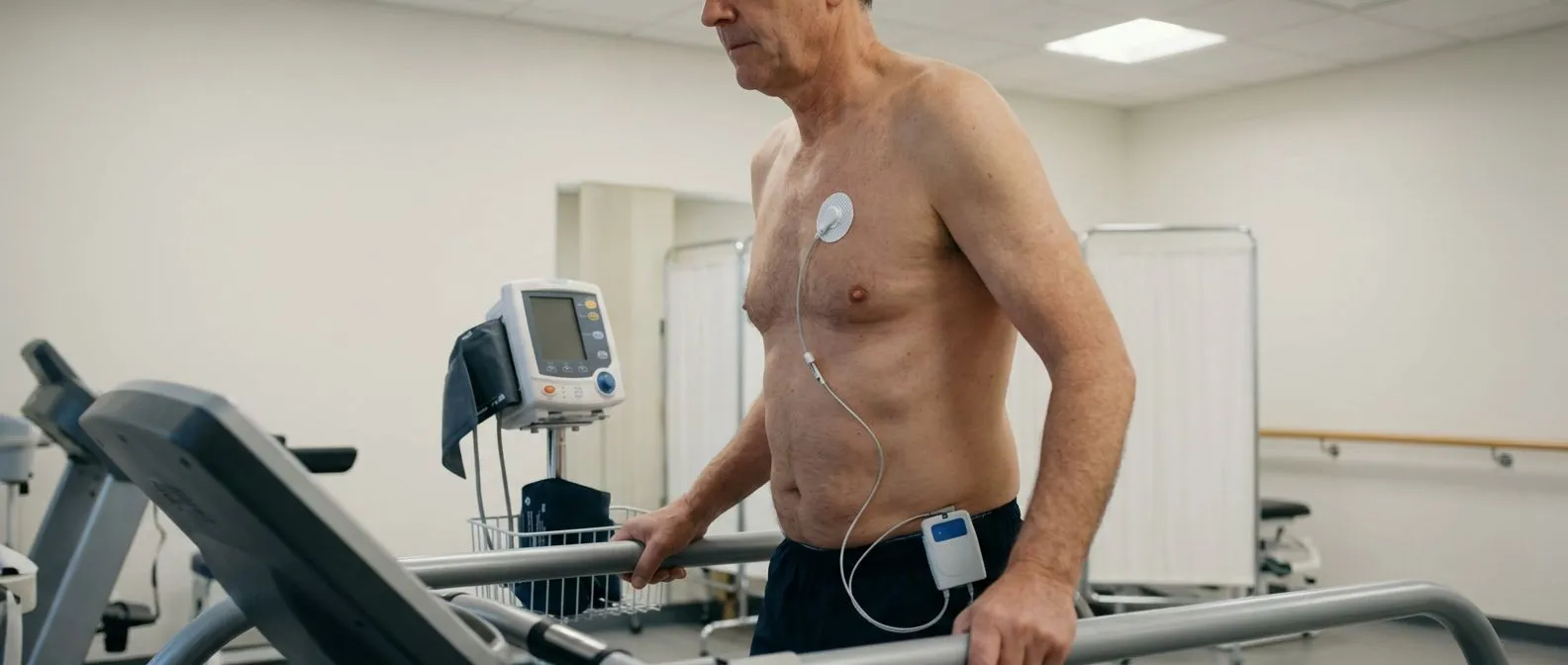
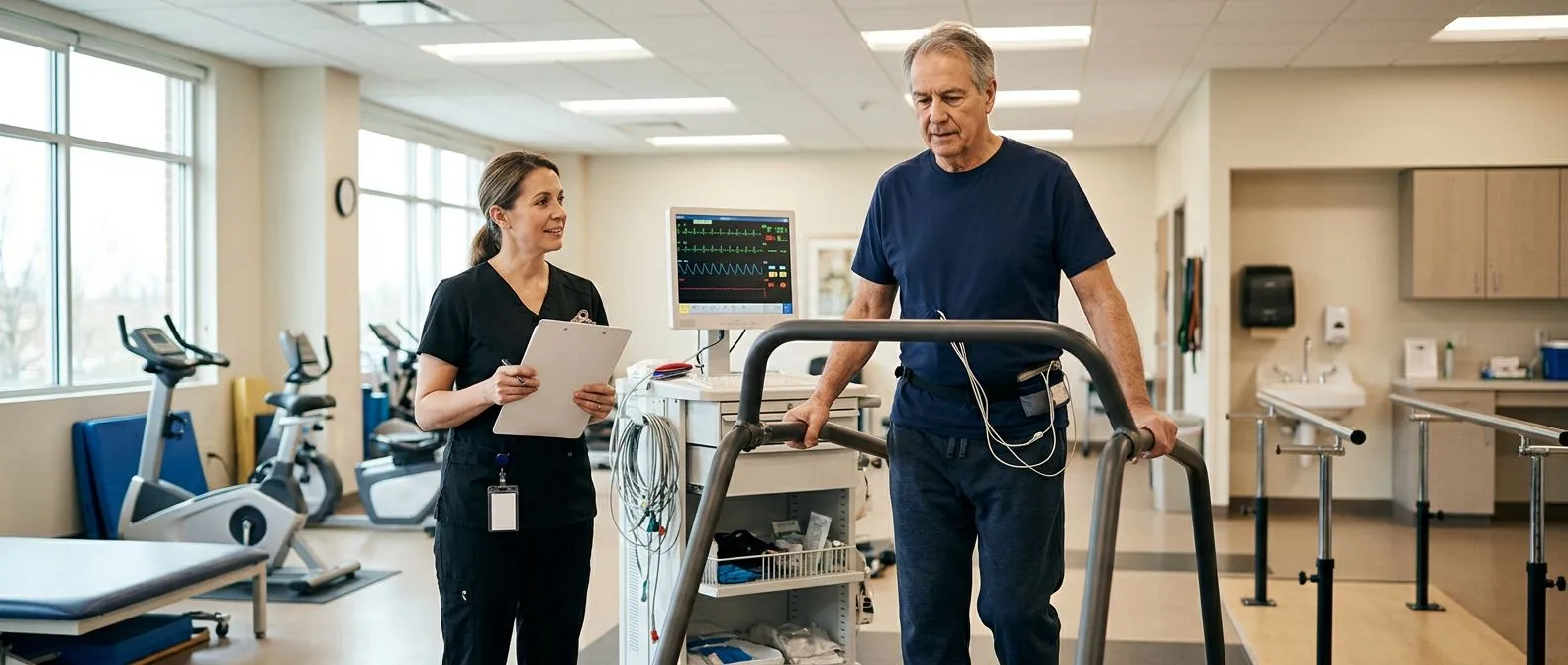
Formal cardiac rehabilitation is the safest environment for aerobic training after heart surgery. These programmes — typically based in a hospital or outpatient clinic — combine supervised exercise, education, and risk-factor management under the watch of nurses and exercise physiologists. Sessions usually run two to three times per week for six to twelve weeks. During each session, your heart rhythm is monitored with telemetry, your blood pressure is checked before and after exercise, and your intensity is adjusted based on your real-time response. This supervision is especially valuable if your surgery was complicated by arrhythmia, if you have reduced heart function (a low ejection fraction), or if you are among the patients for whom the ARISTOTLE trial and similar studies have shaped anticoagulation decisions that affect exercise tolerance.
What happens inside a typical rehab session? A session usually begins with a five-minute warm-up — slow walking or stationary cycling with no resistance — followed by twenty to thirty minutes of aerobic training at a prescribed intensity. The intensity target is often set as a heart rate range derived from a baseline exercise test, or as a rating of perceived exertion on the Borg scale (aiming for "somewhat hard," around 12 to 13 out of 20). The session ends with a five-minute cool-down and stretching. Between the exercise components, you may receive education on medication, nutrition, stress management, and incision care. If your surgery involved a balloon aortic valvuloplasty or balloon angioplasty as a bridge to definitive treatment, the rehab team will account for the residual gradients and vascular access sites when designing your aerobic prescription.
What if no formal programme is available near you? For patients in smaller cities or rural areas — a reality for many of our international patients travelling from regional Mexico to Guadalajara, Querétaro, or Hermosillo — supervised cardiac rehab may not be accessible. In that case, your surgical team can provide a written home-based programme with specific walking targets, heart rate or perceived-exertion zones, and clear warning signs that mean "stop and call." The principles are the same: gradual progression, conversational intensity, daily consistency, and honest self-monitoring. Research cited in studies such as Screening of Multiple Biomarkers Associated With Ischemic Stroke in Atrial Fibrillation underscores the importance of individualised risk assessment, particularly for patients with atrial fibrillation, who may need closer monitoring during the early phases of exercise resumption.
Resuming Exercise After Heart Surgery: Intensity and Duration
One of the most common questions patients ask is how hard and how long they should exercise as recovery progresses. The answer depends on where you are in the timeline, but the general principle is straightforward: duration increases first, then intensity. This means you extend the time you spend walking comfortably before you try to walk faster. Jumping to higher intensity too early — even if you feel capable — can stress healing tissue, trigger arrhythmias, and delay sternal or vascular recovery. A well-structured post-op cardiac exercise programme respects this sequence and builds the aerobic base before introducing any intensity that makes conversation difficult.
How do you know your intensity is right? Beyond the talk test, your cardiac rehab team may give you a target heart rate zone, often calculated as 50 to 70 percent of your maximum heart rate for the first six to twelve weeks, rising to 70 to 85 percent in later phases if you are low-risk and symptom-free. If you are taking beta-blockers, your resting and exercise heart rates will be lower than expected, so perceived exertion becomes the primary guide. Another practical approach is the "plus-one rule": you should be able to walk at a pace where you feel you could go one notch faster but choose not to. That restraint is the hallmark of correct aerobic training intensity in cardiac recovery — it leaves reserve for the heart that is still healing.
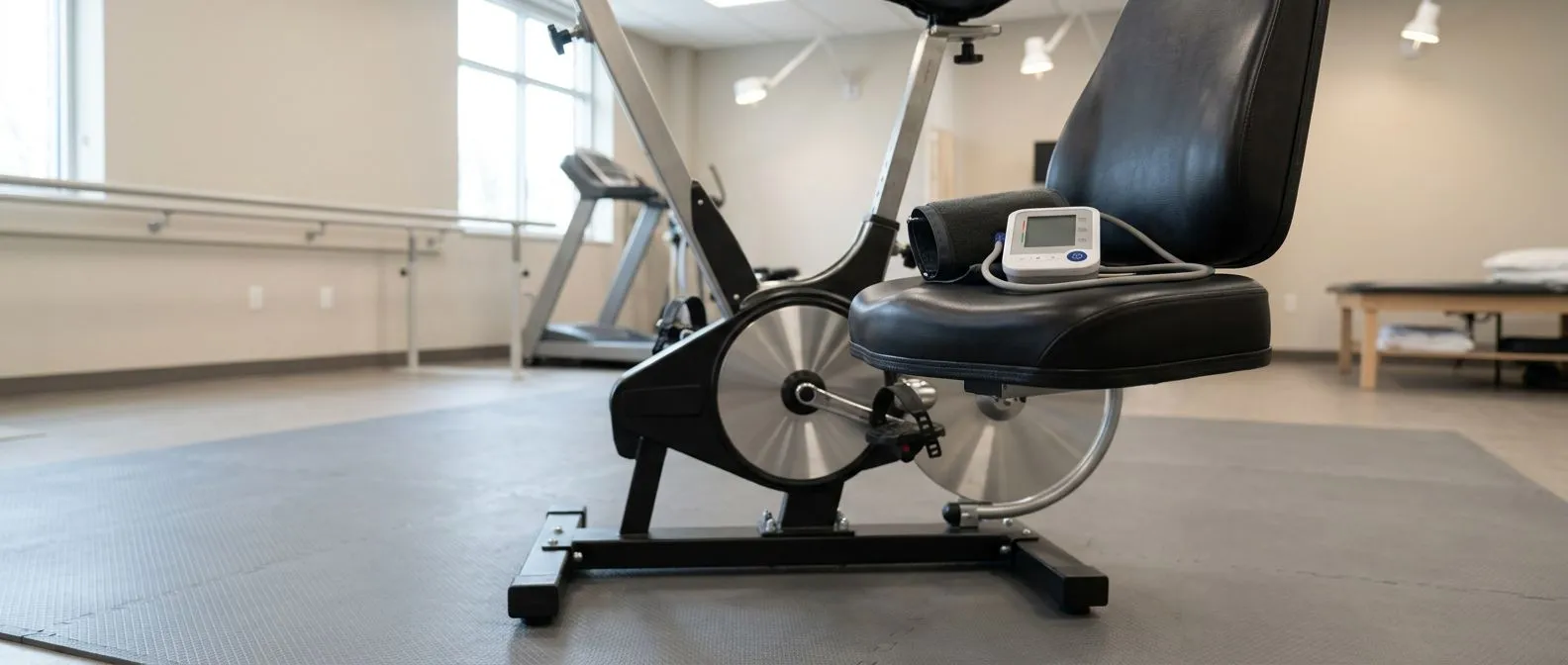
When can you add other activities? Swimming is generally cleared at eight to twelve weeks, once the sternum is fully healed and all incisions are closed and waterproof. Stationary cycling with light resistance can begin around week four to six. Outdoor cycling on flat terrain may start around week eight, but only with your surgeon's approval and with a helmet, given the anticoagulation-related bleeding risk if you fall. Resistance training with light weights — focused on the legs and core, avoiding heavy upper-body loading — can be introduced around week eight to ten as part of a comprehensive cardiac rehab aerobic training plan. Activities that involve sudden bursts, heavy lifting, contact, or breath-holding remain off the list until your team explicitly clears them, which may be three months or longer depending on the complexity of your surgery.
Aerobic Fitness After Cardiac Surgery: Monitoring Your Progress
Tracking your aerobic recovery is not about chasing numbers — it is about confirming that your heart is tolerating increasing effort safely and identifying any regression early. Useful markers include the distance you can walk in a set time, the pace at which the talk test shifts from "easy" to "somewhat hard," your resting heart rate (which should gradually trend downward over weeks), and your recovery heart rate — how quickly your pulse returns toward baseline after you stop walking. A faster recovery heart rate is a reliable sign of improving cardiovascular fitness. If your resting heart rate starts climbing, or if the same walk feels harder than it did the previous week, those are signals to pause and consult your team rather than push through.

- Walk distance: Track how far you walk in 15, 20, or 30 minutes — gradual increases confirm improving aerobic capacity after cardiac surgery.
- Resting heart rate: A slow, steady decline over weeks signals that the heart is becoming more efficient at pumping blood per beat.
- Talk test zone: If you can speak in full sentences, you are in the safe aerobic range. If you must pause to breathe, you are above your current threshold.
- Recovery heart rate: Measure how quickly your pulse drops in the first minute after stopping — a faster drop indicates better fitness.
Should you use a wearable device? A simple wrist heart rate monitor or pedometer can be a useful motivational and tracking tool, provided you understand its limitations. Consumer devices can be inaccurate by ten to twenty beats per minute, and they do not replace clinical assessment. If you are on medications that lower heart rate, the device's "target zones" may be misleading. Use the device as a rough log — note trends, not absolute numbers. If anything feels wrong — chest pressure, unusual breathlessness, irregular palpitations — the correct response is to stop and contact your cardiac team, not to check a device. The device is a supplement to your body's own signals, never a replacement for them.
Exercise Guidelines After Heart Surgery: Warning Signs
Every patient recovering from cardiac surgery needs a clear, written list of symptoms that mean "stop exercising and seek medical advice." These warning signs are not reasons to panic — they are reasons to pause, assess, and let your team decide whether adjustment is needed. Some symptoms, like mild incision pulling or a slight increase in breathlessness as you increase effort, are expected parts of recovery. Others — chest pain that mimics the pain you had before surgery, new palpitations, fainting, or sudden swelling in one leg — are red flags that require immediate attention. The distinction is not always obvious to patients, which is why the warning-sign conversation with your cardiac team should happen before you start any home exercise.
What symptoms warrant stopping immediately? Stop and rest if you experience chest pain or pressure that does not resolve within two to three minutes of stopping exercise, new or worsening shortness of breath at a level of effort you previously handled well, dizziness or lightheadedness that makes you unsteady, an irregular or very rapid heartbeat that feels different from your usual rhythm, or pain in the jaw, arm, or back that radiates from the chest. Arm pain that follows exertion, in particular, can sometimes signal a cardiac issue rather than a muscular one, especially in the early months after bypass surgery. If any of these occur, stop, sit down, and call your surgical team or emergency services. Do not attempt to "walk it off."
What about incision and wound signs? Watch your sternotomy or minimally invasive incision sites for increased redness, warmth, drainage, or separation of the wound edges. These can indicate infection or delayed healing and should be reported to your surgeon. Sternal "clicking" or a popping sensation when you move or cough can indicate partial sternal separation and requires prompt evaluation — it does not always mean surgery is needed, but it does mean your activity restrictions may need to be tightened. If you are on anticoagulants — for example, after a valve replacement or for atrial fibrillation management — any new bruising, nosebleeds, or blood in urine or stool should also be reported, as these can signal that your medication level needs adjustment rather than that exercise is the problem. As noted in clinical discussions such as Rivaroxaban in stroke prevention in patients with non-valvular atrial fibrillation: what facts are important for the clinician?, medication management and exercise tolerance are closely linked in patients on newer oral anticoagulants.
Fitness Recovery After Cardiac Surgery: Long-Term Maintenance
Long-term aerobic fitness after cardiac surgery is not a six-week project — it is a lifelong commitment that protects the investment you and your surgical team made in your heart. Once you have completed formal cardiac rehabilitation, the goal shifts from recovery to maintenance. The principles remain the same: consistent aerobic activity, gradual progression, honest self-monitoring, and regular medical follow-up. The difference is that you now have the foundation, the confidence, and the knowledge to manage your own programme safely, with your cardiologist as a periodic consultant rather than a daily supervisor.

- Aim for 150 minutes per week: Five thirty-minute walks, or three fifty-minute sessions, at a moderate, conversational pace — this is the widely endorsed maintenance target for cardiac patients.
- Keep your follow-up echocardiograms: Regular imaging confirms that valve function, ventricular size, and graft patency remain stable as you increase activity.
- Take medications consistently: Aspirin, statins, and any prescribed anticoagulants work in partnership with exercise — never substitute one for the other without medical guidance.
- Reassess every six to twelve months: A brief review with your cardiologist ensures your exercise plan still matches your current cardiac status and medications.
Aerobic training after heart surgery is one of the most powerful tools you have for reclaiming a full, active life after a cardiac operation. It rebuilds the heart's efficiency, restores confidence in your body, and helps prevent the very conditions that led to surgery in the first place. The key is patience: progress is measured in weeks and months, not in single sessions. Listen to your body, follow your team's guidance, keep a simple log, and remember that every walk is a step toward long-term cardiovascular health. If you have questions about your specific recovery timeline, your medications, or whether a particular exercise is safe for your situation, the most important step is to discuss it with a qualified cardiac team. We encourage you to book a consultation so we can review your individual case and help you build a recovery plan that fits your body, your surgery, and your life.