INR Range on Warfarin: Targets for Mechanical Valves
Learn the INR range mechanical valve patients need on warfarin to prevent clots and bleeding.
What Is the INR Range for a Mechanical Valve?
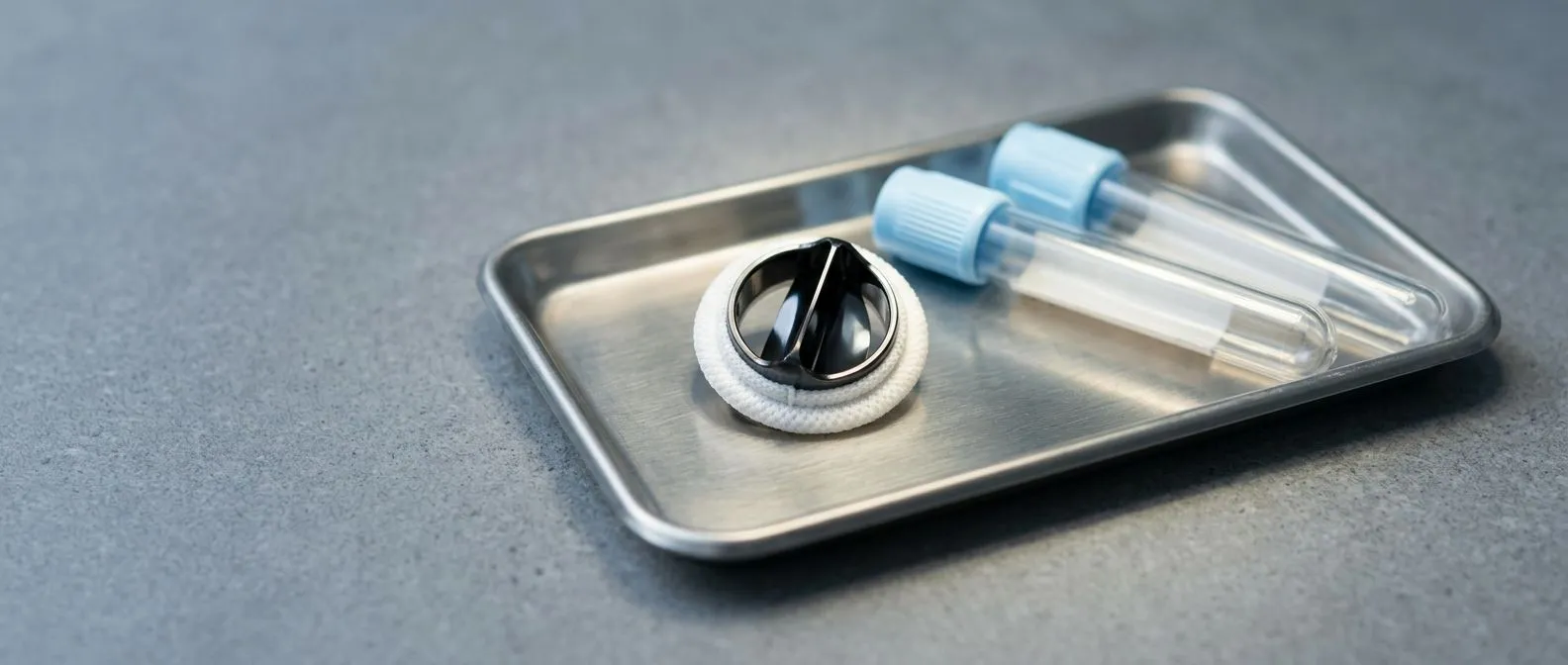
Understanding the correct inr range mechanical valve patients must maintain is the most critical aspect of life after valve replacement. When you receive a mechanical heart valve, it is made from durable synthetic materials like carbon and titanium. While these materials last a lifetime, blood tends to clot when it touches them. To prevent dangerous clots from forming on the valve and traveling to your brain or lungs, you must take a daily blood thinner called warfarin.
The International Normalized Ratio (INR) is a standardized blood test that measures how long it takes your blood to clot. For a person not taking blood thinners, the INR is typically around 1.0. However, for someone with a mechanical valve, the blood must be thinned deliberately and safely. The therapeutic INR warfarin target creates a precise window where the blood flows smoothly over the artificial leaflets without excessive thinning.
Standard INR targets: The exact target depends on which valve was replaced, but most mechanical valve patients aim for an INR between 2.5 and 3.5. Dropping below this range increases the risk of a valve thrombosis, while rising above it significantly increases the risk of severe bleeding. International clinical databases and medical registries, accessible through platforms like DOAJ, consistently reinforce the importance of staying within this narrow therapeutic window.
How Warfarin INR Targets Work for Mechanical Heart Valves
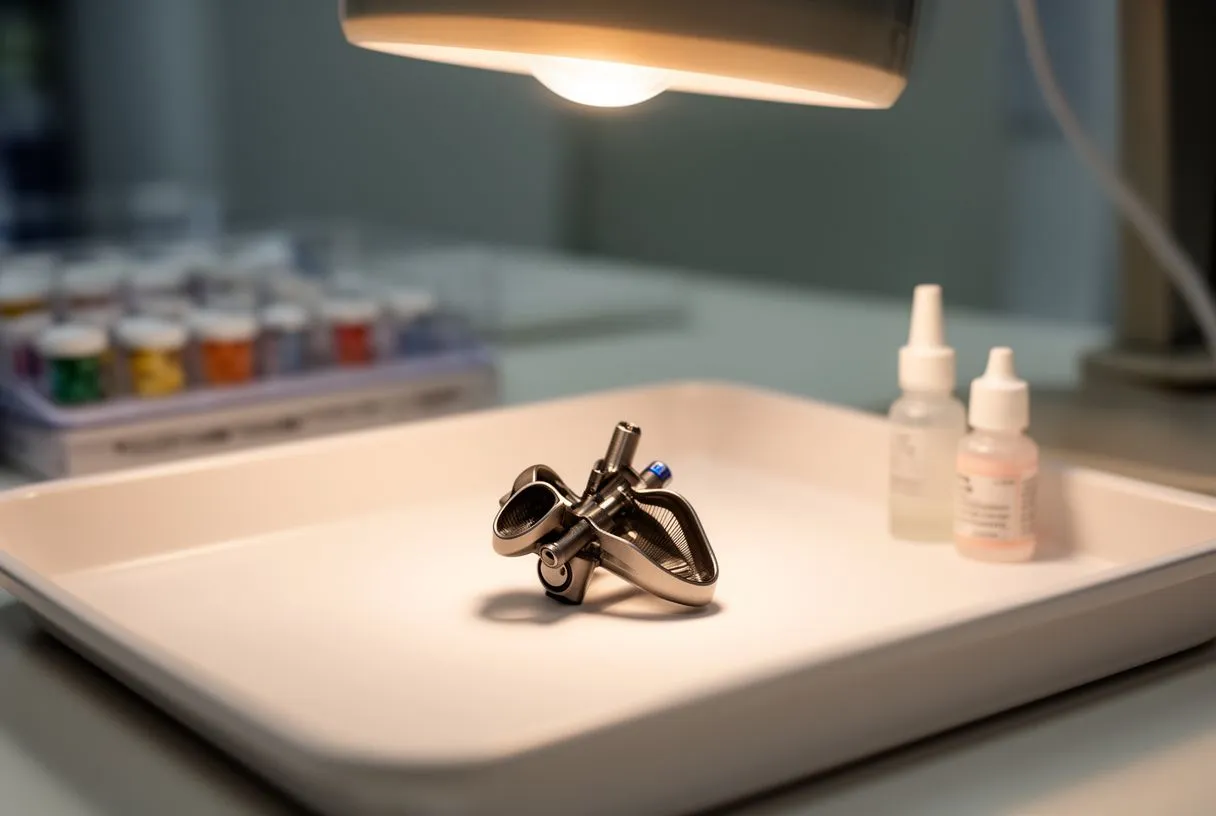
Mechanical heart valve anticoagulation relies on a delicate biological balance. Warfarin works by blocking the production of vitamin K-dependent clotting factors in your liver. By doing so, it extends the time it takes for a blood clot to form. Your medical team uses the INR test to ensure this delay is exactly right for your specific prosthetic valve.
The mechanics of blood flow: Blood flows through the heart under high pressure. When a mechanical valve opens and closes, the blood swirls around the artificial leaflets. If the blood is too thick, it will stick to the hinges or edges of the valve. A clot here can freeze the valve shut, which is a life-threatening emergency.
Setting the warfarin INR target involves balancing two opposing risks. If the INR is too low, you risk a stroke or valve failure. If the INR is too high, a simple bump or bruise could lead to uncontrolled internal bleeding. Your cardiac team calculates your specific target based on the position of your valve, your overall heart anatomy, and any other conditions you might have, such as a history of atrial flutter.
Target INR Aortic Valve vs Mitral Valve INR Range
Not all mechanical valves require the same level of blood thinning. The target INR aortic valve patients follow is often slightly lower than the mitral valve INR range. This difference is due to how blood naturally moves through the different chambers of the heart and the pressure gradients within them.
Aortic valve targets: The aortic valve sits at the exit of the left ventricle, leading to the ascending aorta. Blood moves through this valve very rapidly, which naturally washes the valve clean. Because the rapid flow reduces the chance of clots forming, the target INR for a mechanical aortic valve is usually 2.5.
Mitral valve targets: The mitral valve sits between the left atrium and the left ventricle. Blood flow here is slower and under less pressure, making it easier for blood to pool and clot on the artificial surface. Consequently, patients with a mechanical mitral valve usually require a higher INR target of about 3.0, within a range of 2.5 to 3.5. This higher mitral valve INR range ensures that even the slower-moving blood does not stick to the mechanical structure.
Best INR Blood Test Frequency for Lifelong Anticoagulation
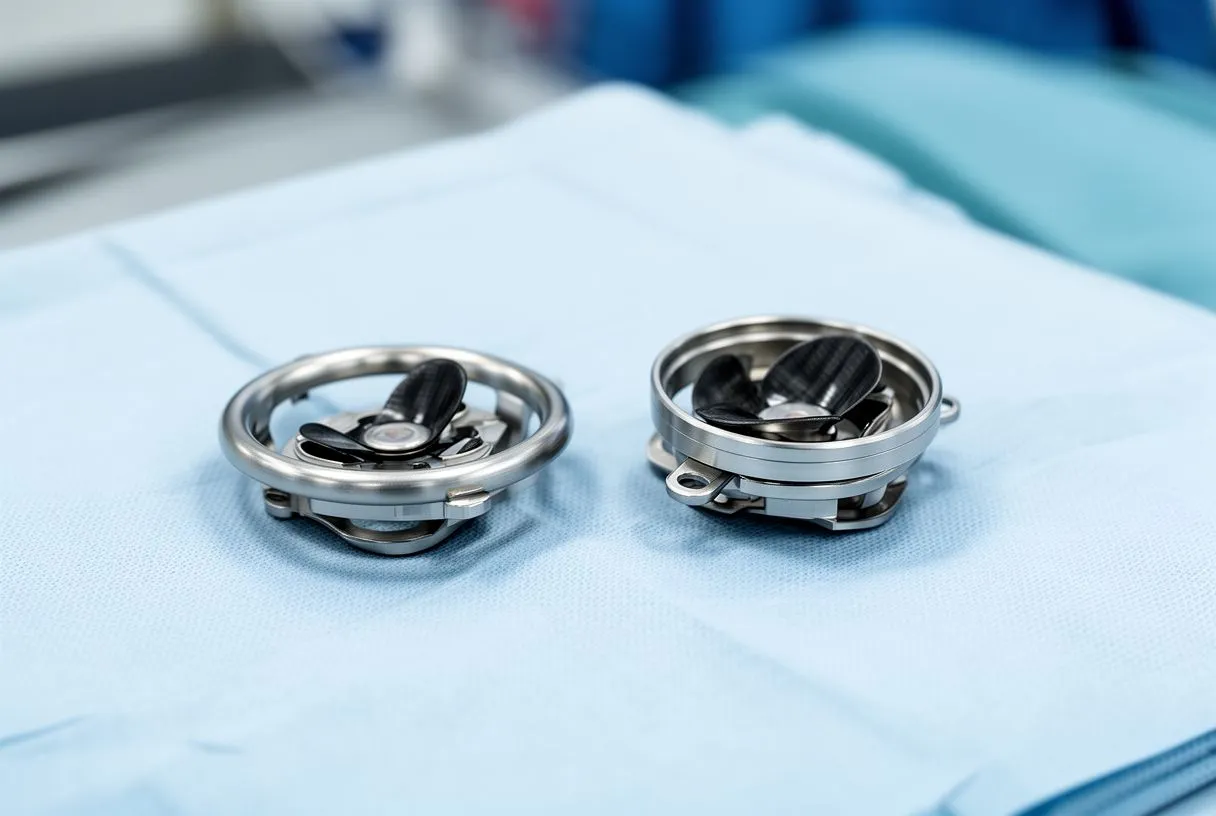
Because warfarin is highly sensitive to diet, illness, and other medications, establishing a strict INR blood test frequency is vital for lifelong anticoagulation. When you first start warfarin therapy after surgery, your blood levels can fluctuate wildly. You will likely need testing every few days until your dose stabilizes.
Once your INR remains consistently within your target range, the testing frequency decreases. Most patients transition to testing once a week or once every two weeks. However, any major change in your health—such as starting a new medication, developing an infection, or experiencing significant weight loss—requires more frequent monitoring to ensure your warfarin dose is still appropriate.
Consistent testing prevents extreme highs and lows in your INR. Skipping tests means you are flying blind; a low INR gives clots time to form over weeks, while a high INR can cause spontaneous bleeding without warning. Patients must integrate testing into their routine, much like checking blood pressure or monitoring apolipoprotein B levels for cholesterol.
- Initial phase: Test every 2 to 3 days until the INR stabilizes.
- Maintenance phase: Test weekly or bi-weekly once stable.
- Illness or medication changes: Test immediately and consult your anticoagulation clinic.
Managing Bleeding Risk Warfarin Valve Patients Face
While warfarin protects your mechanical valve, it inherently increases the risk of bleeding. Managing bleeding risk warfarin valve patients face requires daily vigilance. You may notice that you bruise more easily, or minor cuts take longer to stop bleeding. Understanding what is normal and what is an emergency is a crucial part of your education.
Everyday bleeding: Bleeding gums after brushing your teeth or a small bruise from minor arm pain after an injection is generally expected. You can manage these by applying firm pressure and avoiding medications like aspirin unless specifically prescribed by your cardiologist, as combining them drastically increases bleeding risk.
Emergency bleeding: If you experience nosebleeds that do not stop after 15 minutes, blood in your urine or stool, or a severe headache with confusion, you must seek immediate medical attention. These are signs that your INR may be dangerously high. Clinical literature, including case studies on terminal ischemic cardiomyopathy and stenting complications from Scielo, highlights how rapidly uncontrolled bleeding or clotting can compromise cardiac patients.
Vitamin K Warfarin Interaction in Mechanical Valve Diets
The vitamin K warfarin interaction is one of the most common challenges for patients adjusting to life with a mechanical valve. Warfarin works by antagonizing vitamin K, which your body uses to create clotting factors. If you suddenly eat large amounts of vitamin K, the warfarin cannot work effectively, and your INR will drop.
Dietary consistency is key: You do not need to eliminate vitamin K-rich foods, but you must consume a consistent amount. Dark leafy greens like spinach, kale, and broccoli are very high in vitamin K. If you usually eat a salad three times a week, continue that routine. Do not suddenly start a green juice cleanse or drastically increase your vegetable intake without notifying your anticoagulation clinic.
Other foods and supplements can also affect your INR. Cranberry juice, grapefruit, and alcohol can alter how your liver metabolizes warfarin. Always read labels and discuss any new dietary supplements with your healthcare team to ensure they do not interfere with your therapeutic INR warfarin levels.
Dental Work INR Management and Surgical Procedures
Undergoing minor medical procedures requires careful planning when you are on lifelong warfarin. Dental work INR management is a prime example. Dental cleanings and extractions carry a risk of bleeding, and your dentist needs to coordinate with your cardiologist before the appointment.
Minor procedures: For routine dental cleanings or simple fillings, you often do not need to stop warfarin. Your dentist may use local measures like sutures or special rinses to control bleeding. However, for multiple extractions or deep surgeries, your doctor may temporarily lower your warfarin dose or pause it entirely.
Major surgeries: If you require a major non-cardiac surgery, such as an arterial graft placement or the repair of an arterial line, your medical team will likely "bridge" your anticoagulation. This means stopping warfarin a few days before the surgery and using short-acting injections to protect the valve until it is safe to resume oral medication. Research on procedural outcomes, such as data from Dove Press, emphasizes the importance of precise anticoagulation bridging to prevent both clotting and severe bleeding during interventions.
INR Self Monitoring at Home for Mechanical Valve Patients
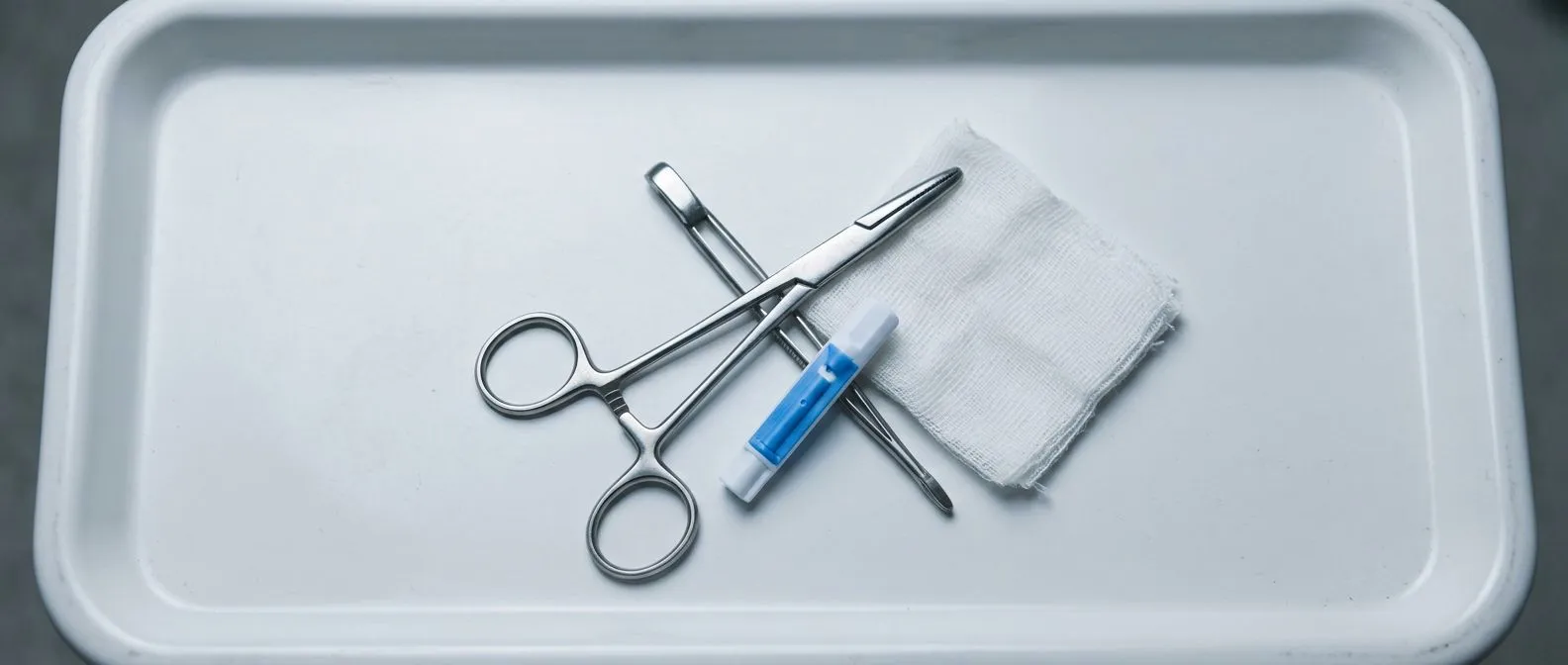
Advancements in medical technology have made INR self monitoring at home a reality for many mechanical valve patients. Instead of traveling to a lab for every blood draw, you can use a portable device similar to a blood sugar monitor. You prick your finger, apply a drop of blood to a test strip, and get your INR result in minutes.
Benefits of home testing: Home monitoring significantly improves quality of life. It reduces travel time, allows for immediate dose adjustments after illness or diet changes, and provides a sense of control over your therapy. Patients who use home monitors tend to stay within their target range more consistently than those who rely solely on lab draws.
However, home monitoring requires thorough training. You must learn how to calibrate the machine, store the strips properly, and accurately report results to your medical team. In rare emergencies, such as an atypical infarction or sudden heart rhythm changes, you should not rely solely on a home test; you must seek immediate hospital care where clinicians can use advanced tools like an automated external defibrillator if necessary.
- Convenience: Test in your own home without traveling to a clinic.
- Better control: More frequent testing leads to tighter INR management.
- Medical backup: Always keep your anticoagulation clinic's emergency number accessible.
Travel with Mechanical Valve and Warfarin Therapy Safety
Having a mechanical valve does not mean you must stay home, but traveling with mechanical valve safety requires preparation. Whether you are flying across borders or taking a long road trip, the primary concern is maintaining your warfarin schedule and having access to medical care if your INR fluctuates.
Medication logistics: Always pack your warfarin in your carry-on luggage to avoid losing it if your checked bags are delayed. Because warfarin is a narrow-therapeutic-index drug, take your dose at the same local time every day. If you cross multiple time zones, ask your doctor how to adjust your schedule temporarily. Also, carry a medical alert card detailing your valve type and target INR.
When traveling internationally, locate nearby hospitals or laboratories at your destination before you arrive. If you plan to be away for several weeks, you may need to have your INR checked locally. Avoid risky activities that could cause trauma, and be mindful that changes in diet while abroad—especially consuming unfamiliar local foods rich in vitamin K—can affect your blood thinning levels.
Heart Valve Surgery Recovery and Transitioning to Therapeutic INR Warfarin
Heart valve surgery recovery is a gradual process that begins in the intensive care unit. Immediately after surgery, while you are recovering and perhaps receiving an autologous blood transfusion, your medical team starts administering warfarin. It takes a few days for the medication to build up in your system and effectively thin your blood.
Transitioning safely: During the early days, you will receive short-acting blood thinners through an arterial cannula or intravenous line while waiting for the warfarin to take effect. Your care team will monitor your INR daily, making small adjustments to your oral warfarin dose. Once your INR reaches the therapeutic target consistently, the other blood thinners are stopped.
Life with a mechanical valve is highly manageable when you commit to the monitoring process. The key is partnering closely with a cardiac team that understands your specific anatomy, from the auscultation of your new valve's clicking sound to the long-term management of your anticoagulation. If you or a family member are preparing for valve replacement or struggling with your current warfarin management, we encourage you to discuss your situation with a qualified cardiac team. Please book a consultation with us at Cirugía de Corazón to develop a personalized, evidence-based anticoagulation plan.