Knowing your heart: the mitral valve and your treatment options
Mitral valve treatment options explained by Guadalajara heart specialists.
People rarely look up how the inside of the heart works out of pure curiosity, so if you are reading this, you or someone you love has probably been diagnosed with a problem in one or more heart valves. These moments can be a turning point in the life of a person and their loved ones, because they have the potential to change your life completely. That is why it matters so much to be well informed.
In this article, written precisely for you and your family, we will look at some of the most common reasons why one particular valve, the mitral valve, can be affected and, most importantly, what treatment options exist. By the end you will have a clear idea of the causes of the disease, how it is diagnosed and the treatment options, and you will be able to make well-informed decisions. We are here for you.
The anatomy of the mitral valve
The mitral valve is an essential part of your heart. It sits between the left atrium and the left ventricle and works like a door that makes sure blood flows in one direction only: from the atrium into the ventricle. Remember that the heart has 4 valves with similar functions: the aortic, mitral, tricuspid and pulmonary valves.
The mitral valve has two leaflets that open and close in perfect time with each heartbeat, letting blood flow efficiently and preventing it from flowing back from the ventricle into the atrium. For it to work properly, several structures have to work together: the left atrium, the valve itself with its annulus, the apparatus of muscles and cords beneath it, and the left ventricle, all working in harmony for the best possible function.
Which diseases affect the mitral valve?
Unfortunately, the mitral valve does not always work properly, and various conditions can make it fail. The two most common are:
- Mitral stenosis: the valve narrows and its leaflets become thick and cannot open properly.
- Mitral regurgitation: the valve does not close properly, so part of the blood flows back into the left atrium with each heartbeat, in the wrong direction. The valve loses its one-way function and the heart is progressively damaged.
Common causes of mitral valve problems
- Rupture of the chordae tendineae, the cords that hold the mitral valve in place and anchor it to the heart muscle known as the papillary muscle.
- Rheumatic disease (see below).
- Heart attacks.
- Arrhythmias.
- Endocarditis (infections of the heart).
- Enlargement of the ventricle or atrium.
- Problems with another valve (the aortic) that can affect how the mitral valve works.
- Previous radiotherapy or chemotherapy.
- Heart tumours.
What is rheumatic mitral valve disease?
Rheumatic mitral valve disease is a chronic heart condition that develops as a result of a previous bacterial infection called rheumatic fever. This disease can affect various parts of the body, including the joints, the skin and the heart. When the heart is affected, one of the most commonly damaged areas is the mitral valve.
The process behind the disease
During rheumatic fever, the immune system reacts abnormally to the bacterial infection. This can inflame the heart and, if not properly treated, cause long-term damage to the mitral valve leaflets. Over time, the inflammation can make the leaflets thicker and scarred, or make them stick together, affecting their ability to open and close properly.
How is mitral valve disease diagnosed?
Your doctor will usually notice something on examination, such as an abnormal sound (a murmur) or other signs that suggest a heart problem. To diagnose mitral valve problems we use several tests:
- Echocardiogram (ultrasound of the heart): usually the test that tells us most about how the heart valves are working.
- Chest X-ray.
- Electrocardiogram: gives information about the heart rhythm and can indirectly show enlargement of a chamber.
- Cardiac CT.
- MRI.
- Cardiac catheterisation, depending on the case.
Not every test is always needed; usually one or two are combined, although some cases need several to fully identify the problem and its consequences. These tests give us detailed information about how your mitral valve is working and help us make informed decisions about treatment.
What are the options for treating the mitral valve?
When we face mitral valve problems, the first question is: how can we treat them? The answer depends entirely on the cause of the disease and how badly the valve has been affected as a result. As we have said, the causes vary and so does their effect on the valve. In some infections of the heart, known as endocarditis, for example, treatment is usually with medication, at least at first, to control the infection; we then assess what treatment the valve needs. The same applies to arrhythmias and heart attacks: the underlying cause that made the valve fail must also be treated.
Once the options for medical treatment have been exhausted, the definitive treatment will often be surgical, that is, a repair or replacement of the valve using one of the various options available. Sometimes the situation is much more urgent: acute failure of the mitral valve can put the heart in severe and potentially catastrophic trouble if it is not treated immediately. Fortunately, this is the smallest percentage of cases. These procedures may require open-heart surgery, minimally invasive surgery or a transcatheter procedure.
Open surgery versus minimally invasive surgery
Open surgery is the traditional procedure, in which an incision is made in the chest (a sternotomy) to reach the heart; this is what we know as open-heart surgery. It has been the conventional approach for the last 70 years and has proven its safety and effectiveness.
Minimally invasive surgery, on the other hand, uses an incision of about 5 cm on the right side of the chest and advanced techniques to reach the mitral valve. We rely on 3D cameras and special instruments to repair or replace the valve. With this procedure we expect a faster recovery, less pain, fewer transfusions and a return to normal life much sooner than with traditional surgery. Both options have their advantages and disadvantages, and the choice depends on your specific situation. Find out more in our guide to minimally invasive heart surgery.
New transcatheter options
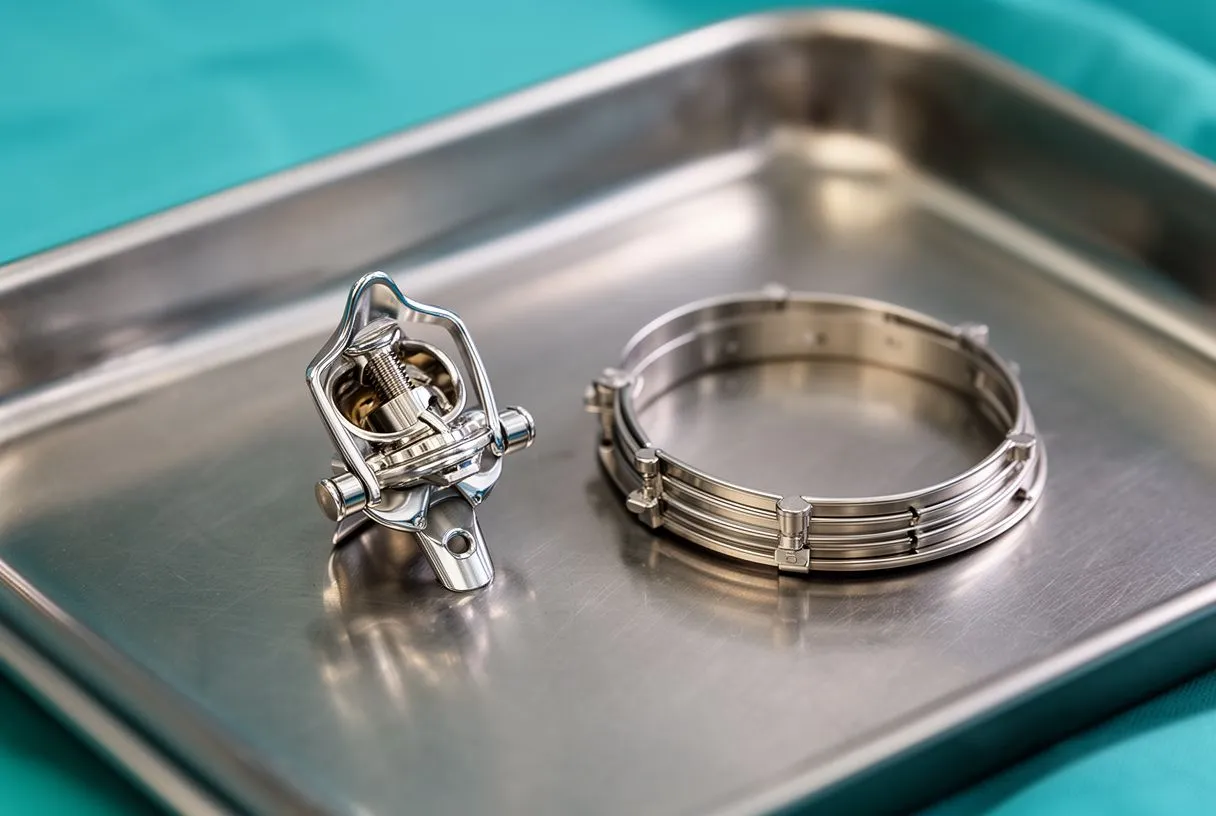
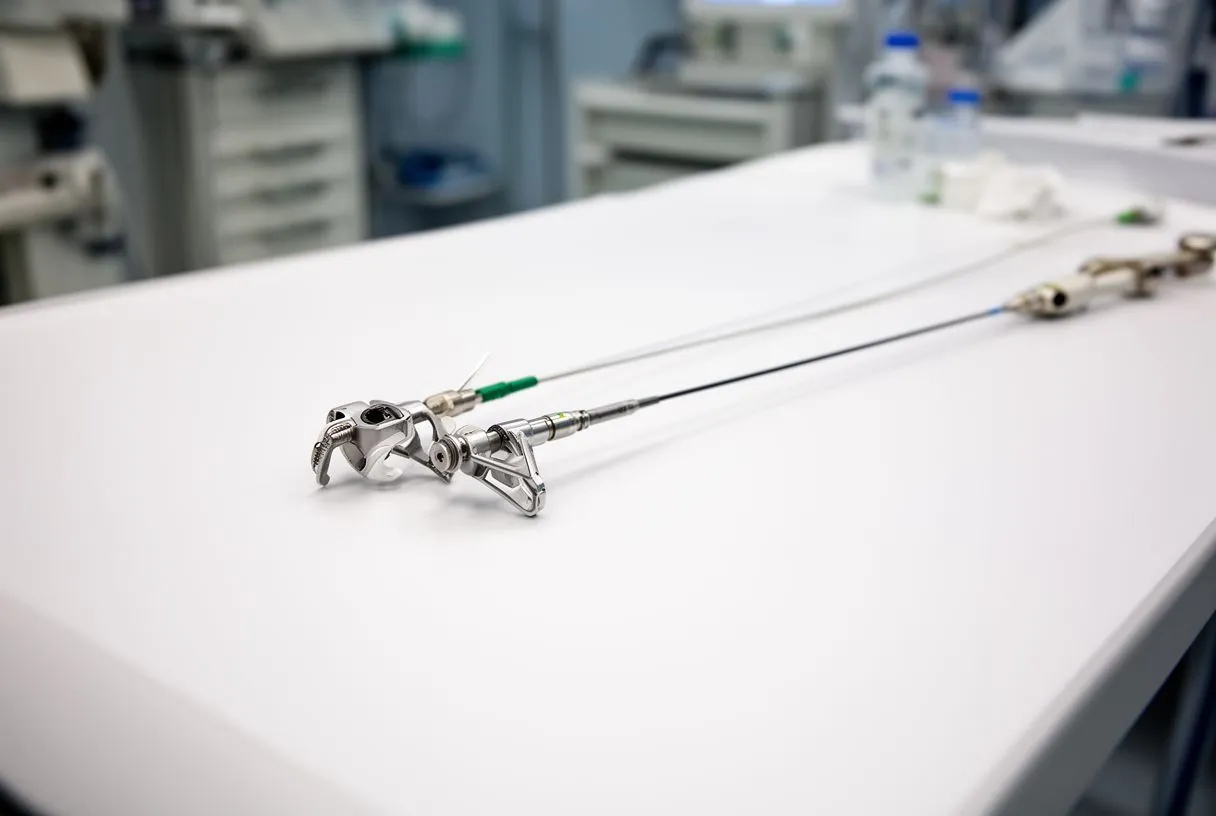
In recent years there have been significant advances in repairing and replacing the mitral valve with transcatheter procedures. These less invasive procedures may be suitable for certain patients and offer a faster recovery. Biological valves can be compressed into a special device and taken up to the heart through a catheter, allowing us to replace the valve without stopping the heart or opening the chest — that is, without surgery as such. A device known as MitraClip or PASCAL can also be used to repair a leaking valve without replacing it.
It is important to know that not every procedure is suitable for every patient: the best decision will depend on your age, your anatomy, your risk factors and so on.
Mitral valve replacement
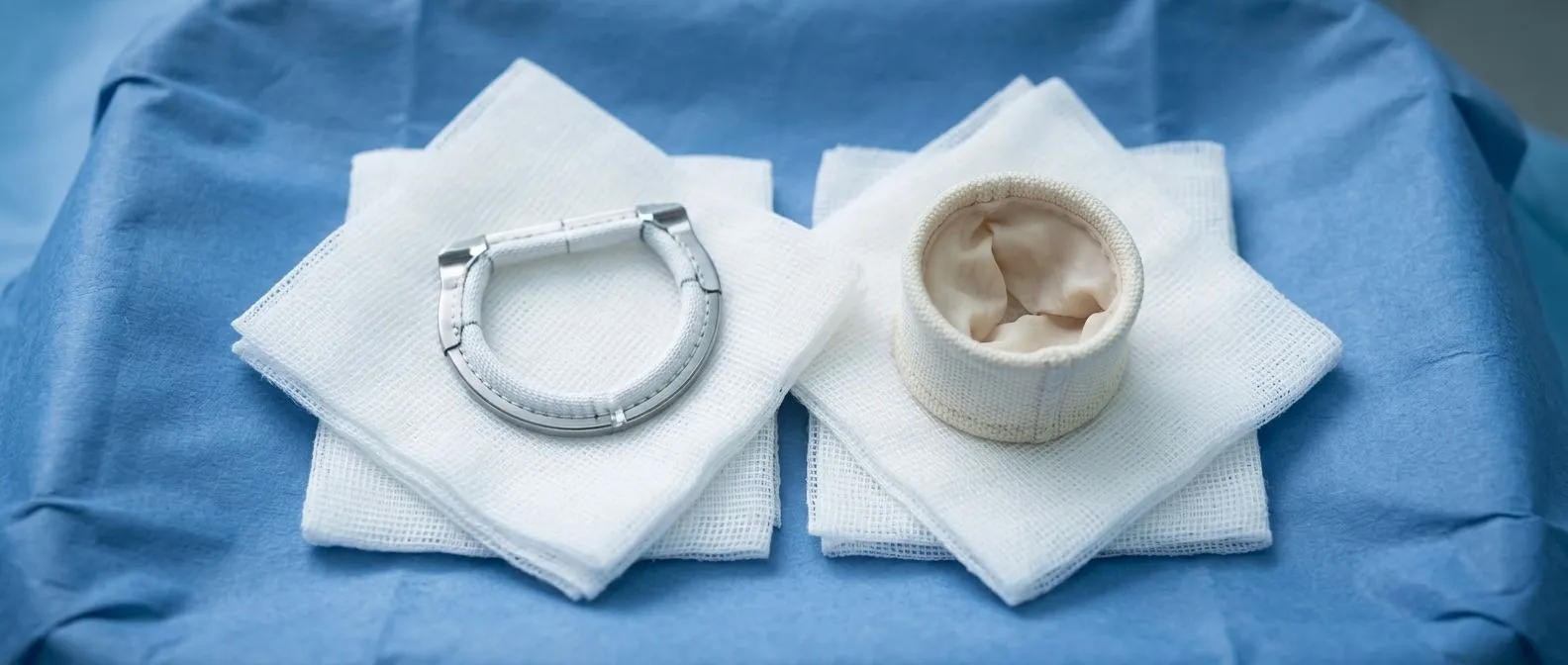
When repair is not possible, the mitral valve needs to be replaced. Broadly speaking there are two types of prosthesis, mechanical and biological, each with its own advantages and disadvantages. The choice depends on the severity of the disease, your age, your general health and your personal preferences. For more information, see the options for replacing a heart valve. The most common options are:
- Mechanical valve: made of durable materials such as metal and carbon, and known for its longevity. It requires the patient to take anticoagulants (such as warfarin) for life to prevent clots forming on the valve, and medical follow-up is essential to make sure anticoagulation levels are right. Mechanical valves usually last a long time, but carry a risk of clots and bleeding.
- Biological valve (bioprosthesis): made of biological tissue (pig or cow) and in most cases does not require long-term anticoagulants. It is often the preferred option for older patients or those who do not want to take anticoagulants for life. However, it can wear out over time and may need to be replaced after several years.
Replace or repair the valve: which is better for me?
The short answer: repair. Note that not every patient is a candidate for repair. When the features of a diseased valve are suitable, repair is preferred, that is, preserving your own valve whenever conditions allow. Scientific publications show that the results tend to be better in terms of life expectancy, quality of life and freedom from complications. It makes sense: in the end, it is your own valve, with its normal function restored.
It is important to say that repairing the valve aims to return its function to normal. In the vast majority of cases, the repair requires a prosthetic ring implanted around the valve to prevent it dilating in the future; in other words, prosthetic or artificial material is placed around the valve even when we preserve your own valve. When the anatomy is unfavourable or the disease is too advanced, the valve is replaced with a biological or mechanical prosthesis, as appropriate. These valves have also shown excellent results over the years.

Outlook and expectations
The outlook after mitral valve surgery depends on many factors, including the severity of the condition and your general health. In general, most patients see a significant improvement in their quality of life after surgery, and minimally invasive surgery and transcatheter techniques have made recovery much faster. With proper medical follow-up and a healthy lifestyle, it is possible to lead an active, full life. The results depend a great deal on the condition you are in when you come to surgery, your history, your risk factors, your frailty and so on: after all, this is heart surgery.
How long does a biological mitral prosthesis last?
On average, a biological prosthesis lasts 12 to 15 years; that is an average, and some have lasted many years longer. A mechanical valve lasts roughly 20 to 30 years if there are no complications. One important thing to know is that the younger you are when a biological valve is implanted, the faster it deteriorates: in these cases it tends to last less, around 5 to 7 years.
What happens if a biological prosthesis fails years after it is implanted?
If a prosthesis fails through degeneration over the years, or through infection, you may need a further procedure, either open-heart or transcatheter. You will need an in-depth discussion with your specialist about which type of valve is right for you in a second procedure.
How much does mitral valve surgery cost in Mexico?
The cost of mitral valve surgery in Mexico can vary widely depending on many factors, including the location, the hospital, the severity of the condition, the type of procedure needed (repair or replacement of the valve) and any medical insurance cover. Here is a general estimate of average costs at private hospitals in Mexico, but bear in mind that these figures are approximate and can change over time and from place to place.
In general, mitral valve surgery, whether open or minimally invasive, costs between 600,000 and 900,000 pesos (roughly US$35,000 to US$65,000). Minimally invasive surgery tends to be closer to 900,000 pesos because of the instruments and cameras required. These prices include medicines, the prosthesis, instruments, hospital stay, intensive care, tests, fees, operating room hire and other items; in other words, the approximate total cost.
The great irony is that the transcatheter procedure, the least invasive of all, is currently the most expensive, at least in Mexico at the time of writing, because the technology it uses tends to cost more. The transcatheter valves alone cost between 700,000 and 900,000 pesos, not including medical fees, hospital, intensive care and so on — just the valve.
The take-home message
I hope this information helps you make an informed decision and have a full discussion with your family. Remember that you are not alone, and that you can request a video consultation with a specialist to discuss your particular case.
There are currently several options for treating mitral valve disease, and technology will no doubt advance in the near future and the options will keep growing. This will bring more competition to the market and make prices more accessible. Most important of all is to find a team of specialists you trust and with whom you can build a good doctor–patient relationship before making a decision.