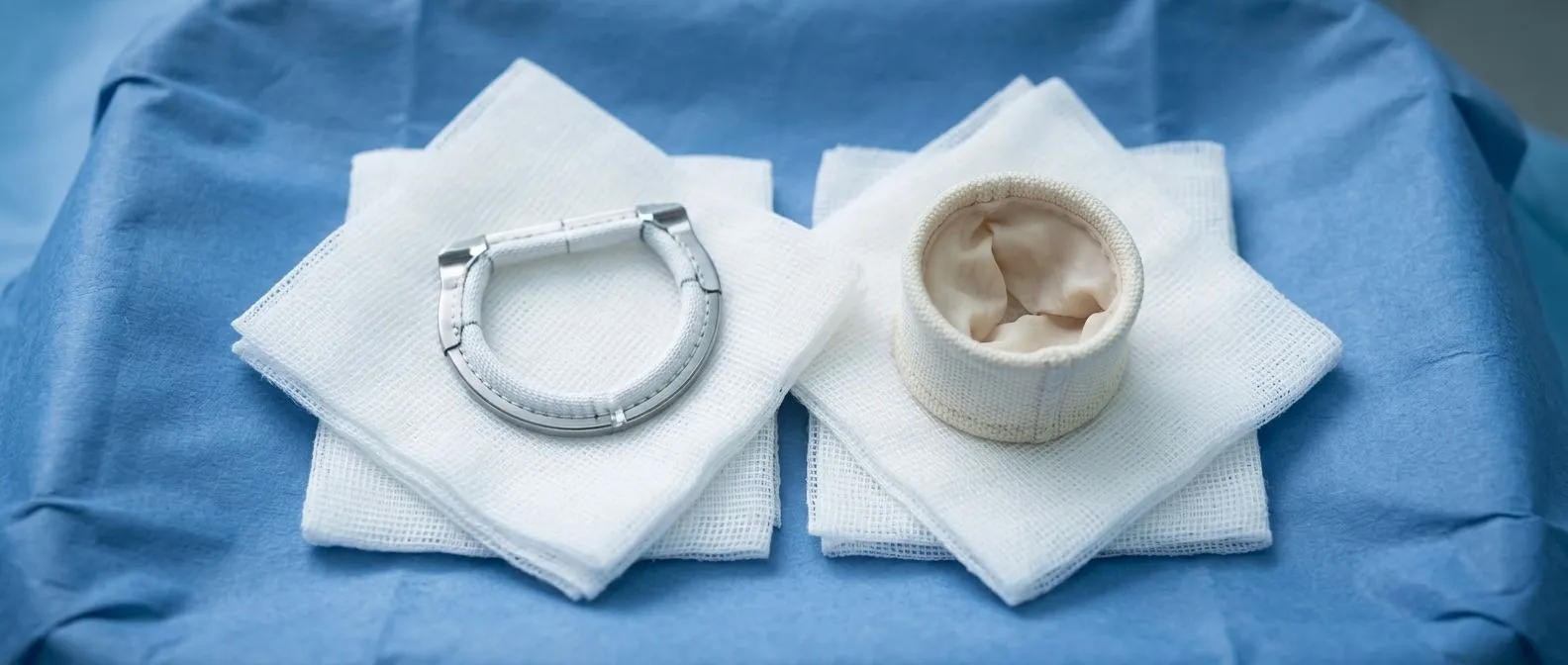
Knowing your heart: the aortic valve and your treatment options
Aortic valve treatment options explained by Guadalajara heart specialists.
It is no secret that the heart is a vitally important organ that allows every other organ in the body to do its job. A magnificent pump that beats 100,000 times in a single day and around 31 million times a year, in perfect synchrony, like a symphony of life. We rarely pay attention to this miracle: we are so used to everything working automatically that we almost never stop to think about it. That is, without doubt, until we find out that something in our heart is not quite right. That moment in the life of a person and their family can change everything.
If you are reading this article, you or someone close to you is probably facing a diagnosis involving one of the heart valves. These moments can be crucial, and being well informed is essential. I understand exactly what you are going through, which is why I wrote this short article. Written especially for you and your loved ones, it looks at the most common problems affecting one of the most important heart valves, the aortic valve, and, more importantly still, at the treatment options and alternatives available.

The anatomy of the aortic valve
The aortic valve is one of the heart's four valves and sits between the left ventricle and the body's main artery, the aorta. Its job is to make sure blood flows from the left ventricle into the aorta and then on to the rest of the body. Like the other heart valves, the aortic valve works like a door that opens and closes in perfect time with each heartbeat, ensuring that blood flows in one direction only.
Diseases of the aortic valve
Unfortunately, the aortic valve does not always work properly, and various conditions can make it malfunction. The two most common are:
- Aortic stenosis: the valve narrows, making it hard for blood to flow properly from the left ventricle into the aorta. It can cause symptoms such as tiredness, dizziness and shortness of breath.
- Aortic regurgitation: the valve does not close properly, so blood leaks back from the aorta into the left ventricle. This puts extra strain on the heart and can lead to serious heart problems in the long term.
Common causes of aortic valve problems
Several factors can contribute to the aortic valve not working properly:
- Stenosis, or narrowing, of the valve: the most common problem, caused by calcification or degeneration of the valve, which becomes progressively narrower and puts extra strain on the heart. It is more common after the age of 60 but can happen at any age.
- Rheumatic disease: a previous bacterial infection called rheumatic fever can inflame the aortic valve and cause long-term damage.
- Heart attacks: a heart attack can affect how the aortic valve works.
- Arrhythmias: abnormal heart rhythms can affect how the valve functions.
- Endocarditis: infections of the heart can damage the aortic valve.
- Enlargement of the ventricle or atrium: changes in the size of the heart's chambers can affect how the valve works.
- Problems with other valves (such as the mitral): these can have a knock-on effect on the aortic valve.
- Previous radiotherapy or chemotherapy: these treatments can increase the risk of aortic valve problems.
- Heart tumours: tumours in the heart can affect the aortic valve.
What are the symptoms of aortic valve disease?
- Shortness of breath (dyspnoea) that gets progressively worse with physical activity.
- Palpitations or a fast heart rate.
- Chest tightness or pain.
- Fainting (syncope) or feeling about to faint (presyncope).
- Tiredness.
- Being unable to carry out everyday activities.
Note: aortic valve problems can remain silent for many years before they become obvious.
Diagnosing aortic valve disease
Diagnosing aortic valve problems usually involves several tests:
- Echocardiography: an ultrasound of the heart that gives detailed information about how the aortic valve is working.
- Chest X-ray: can show changes in the size of the heart.
- Electrocardiogram: gives information about the heart rhythm and other abnormalities.
- Cardiac CT: gives detailed images of the heart.
- MRI: can add information about the aortic valve and how it works.
- Cardiac catheterisation: sometimes needed for a more detailed assessment.
- Others: an exercise test, a physical examination, blood tests and so on.
Treatment options for the aortic valve
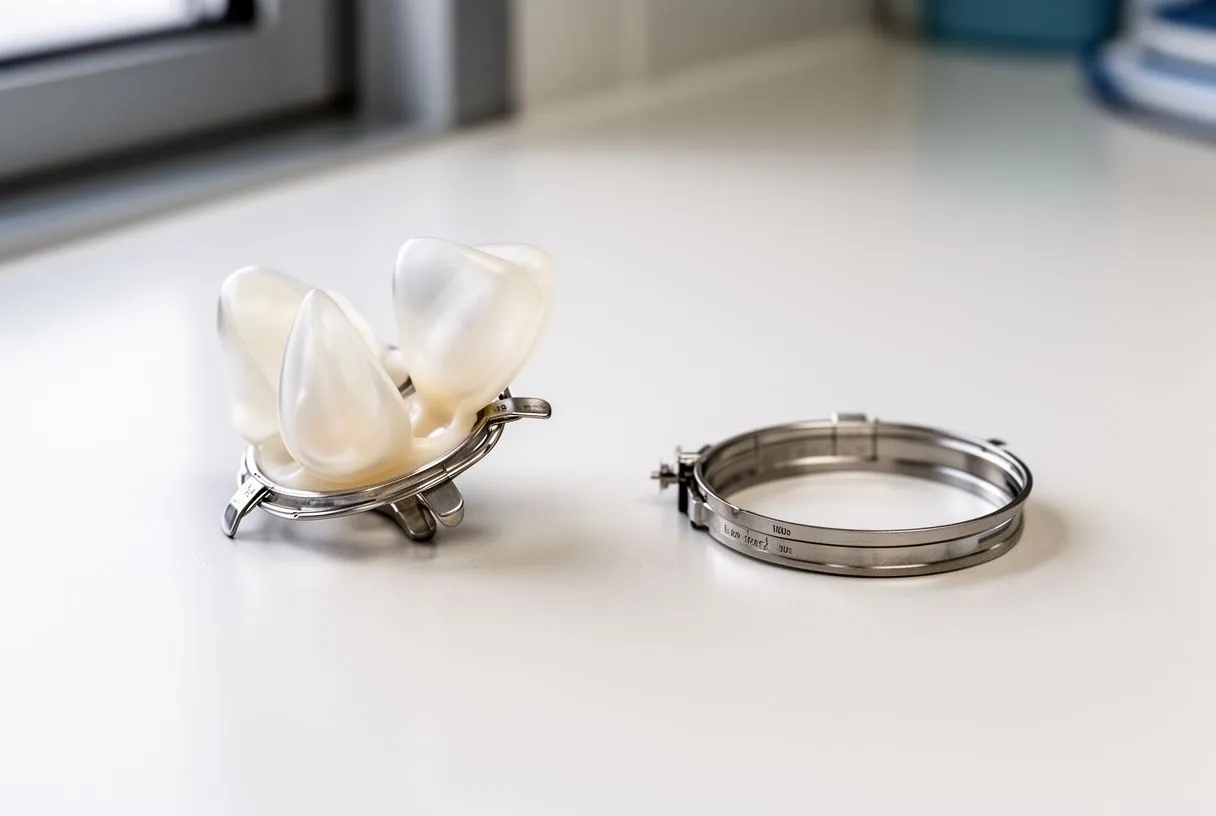
Treatment depends on the cause and the severity of the problem. The options include:
- Medical management: in some cases, especially when the underlying cause is treatable, medical treatment may be enough to control symptoms and prevent further complications. In our experience it is usually only a temporary option, sometimes reserved for patients who cannot undergo any procedure because of the high risk involved.
- Open-heart surgery: in severe cases it may be needed to repair or replace the aortic valve. It usually involves an incision in the chest and stopping the heart temporarily during the procedure.
- Minimally invasive surgery: in some cases the aortic valve can be repaired or replaced through smaller incisions and less invasive techniques, which can mean a faster recovery. Find out more in our guide to minimally invasive heart surgery.
- Transcatheter procedures: recent advances allow the aortic valve to be repaired or replaced through a catheter, avoiding open-heart surgery. Find out more in our TAVR guide.
Outlook and expectations
The outlook after treatment of the aortic valve depends on several factors, including the severity of the condition and the patient's general health. In general, most patients see significant improvements in their quality of life and life expectancy after treatment. It is important for the patient and their medical team to discuss the treatment options and the specific outlook in light of their individual situation.
The cost of aortic valve surgery
The cost of aortic valve surgery in Mexico can vary widely depending on many factors, including the location, the hospital, the severity of the condition, the type of procedure needed (repair or replacement of the valve) and any medical insurance cover. Here is a general estimate of average costs at private hospitals in Mexico, but bear in mind that these figures are approximate and can change over time and from place to place.
In general, aortic valve surgery, whether open or minimally invasive, costs between 500,000 and 900,000 pesos (roughly US$35,000 to US$65,000). Minimally invasive surgery tends to be closer to 750,000–900,000 pesos because of the instruments and cameras required. These prices include medicines, the prosthesis, instruments, hospital stay, intensive care, tests, fees, operating room hire and other items; in other words, the approximate total cost.
The great irony is that the transcatheter procedure, the least invasive of all, is currently the most expensive, at least in Mexico at the time of writing, because the technology it uses tends to cost more. The transcatheter valves alone cost between 700,000 and 900,000 pesos, not including medical fees, hospital, intensive care and so on — just the valve.
It is important to discuss the specific costs with your medical team and to consider financing options or health insurance if needed. Often, if you have major medical insurance, you will only have to cover a fraction of the bill (co-insurance, deductible and so on).
Open surgery versus minimally invasive surgery
Open surgery is the traditional procedure, in which an incision is made in the chest (a sternotomy) to reach the heart; this is what we know as open-heart surgery. It has been the conventional approach for the last 70 years and has proven its safety and effectiveness.
Minimally invasive surgery, on the other hand, uses an incision of about 5 cm on the right side of the chest and advanced techniques to reach the aortic valve. We rely on 3D cameras and special instruments to repair or replace the valve. With this procedure we expect a faster recovery, less pain, fewer transfusions and a return to normal life much sooner than with traditional surgery. Both options have their advantages and disadvantages, and the choice depends on your specific situation.
New transcatheter options
In recent years there have been significant advances in repairing and replacing the aortic valve with transcatheter procedures, known as TAVI or TAVR. These less invasive procedures may be suitable for certain patients and offer a faster recovery. Biological valves are compressed into a special device and taken up to the heart through a catheter, allowing us to replace the valve without stopping the heart or opening the chest — that is, without surgery as such.
It is important to know that not every procedure is suitable for every patient: it will depend on your age, your anatomy, your risk factors and so on. That is why it is so important to have a good doctor–patient relationship and a comprehensive multidisciplinary assessment before making a decision.
Aortic valve replacement
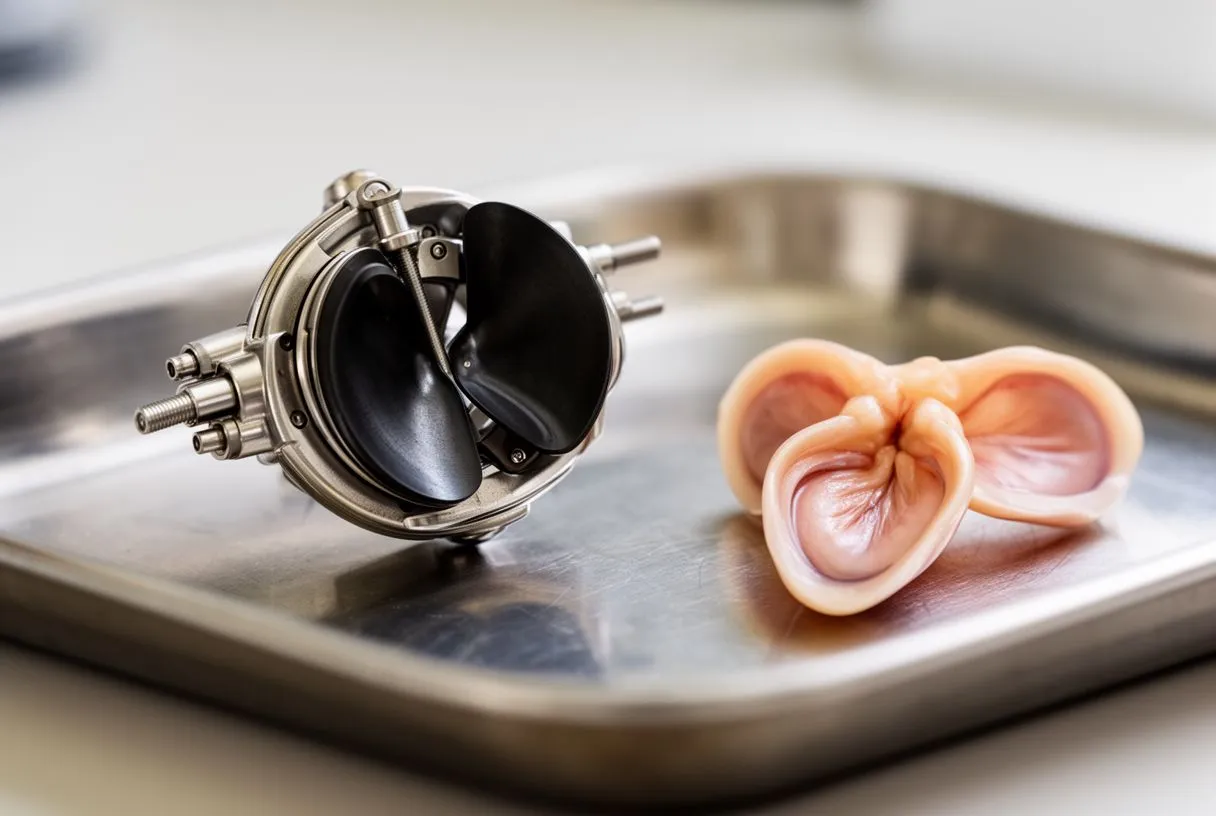
When repair is not possible, the aortic valve needs to be replaced. Broadly speaking there are two types of prosthesis, mechanical and biological, each with its own advantages and disadvantages. The choice depends on the severity of the disease, your age, your general health and your personal preferences. For more information, see the options for replacing a heart valve. The most common options are:
- Mechanical valve: made of durable materials such as titanium and carbon, and known for its longevity. It requires the patient to take anticoagulants (such as warfarin) for life to prevent clots forming on the valve, and medical follow-up is essential to make sure anticoagulation levels are right. Mechanical valves usually last a long time, but carry a risk of clots and bleeding.
- Biological valve (bioprosthesis): made of biological tissue (pig or cow) and in most cases does not require long-term anticoagulants. It is often the preferred option for older patients or for those who do not want to take anticoagulants for life. However, it can wear out over time and may need to be replaced after several years.
How long does a biological aortic prosthesis last compared with a mechanical one?
On average, a biological prosthesis lasts 12 to 15 years; that is an average, and some have lasted many years longer. Newer technologies promise greater durability. A mechanical valve lasts roughly 20 to 30 years if there are no complications.
One important thing to know is that the younger you are when a biological valve is implanted, the faster it deteriorates: in these cases it tends to last less, around 5 to 7 years.
What happens if a biological prosthesis fails years after it is implanted?
If a prosthesis fails through degeneration over the years, or through infection, you may need a further procedure, either open-heart surgery or a transcatheter TAVI. You will need an in-depth discussion with your specialist about which type of valve is right for you in a second procedure.
The take-home message
As with all our articles, I hope this information helps you make an informed decision and have a full discussion with your family. Remember that you are not alone, and that you can request a video consultation with a specialist to discuss your particular case.
There are currently several options for treating aortic valve disease, and technology will no doubt advance in the near future and the options will keep growing. This will bring more competition to the market and make prices more accessible. Most important of all is to find a team of specialists you trust and with whom you can build a good doctor–patient relationship before making a decision. The final decision is yours, according to your expectations and your personal circumstances in the long term; we are here to help you make the best decision.