Intensive Care Unit Stay After Heart Surgery: How Long
Intensive care unit stay heart surgery timelines explained: what to expect hour-by-hour, discharge milestones, and factors affecting your recovery.
Waking up after a major cardiac procedure is a profound and often overwhelming experience. Knowing exactly what to expect during your intensive care unit stay heart surgery recovery can significantly reduce anxiety for both you and your family. When the operation concludes, you will not return to a standard hospital room immediately; instead, you will be transferred directly to a specialized cardiac intensive care unit where a dedicated team monitors your vital signs continuously.
What to Expect During Your Intensive Care Unit Stay Heart Surgery Recovery
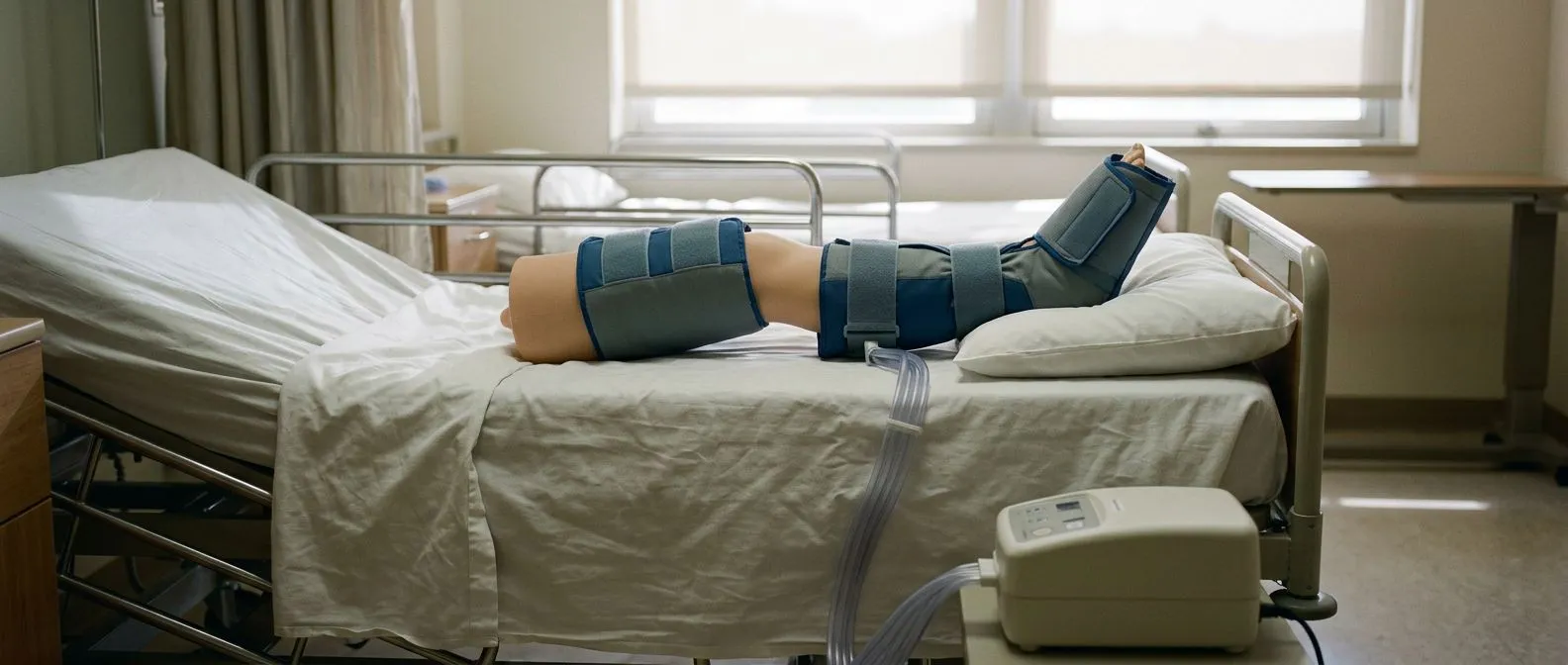
The environment in the cardiac ICU is highly controlled and can initially seem intimidating. It is completely normal to see multiple monitors displaying various waveforms, hear rhythmic beeping from different machines, and notice specialized equipment surrounding your bed. This high level of observation is not a cause for alarm; rather, it is the standard protocol to ensure your heart and body are stabilizing properly after the immense physical stress of surgery.
During this initial phase, the medical team focuses entirely on maintaining your hemodynamic stability. This means keeping your blood pressure, heart rate, and oxygen levels within safe, targeted ranges. Depending on your specific health profile, which might include factors like high Apolipoprotein B levels indicating cardiovascular risk, the team will gradually adjust medications and support systems as your body begins to wake up and resume independent functions.
Your nursing team will act as your primary advocates and caregivers during this time. They are specially trained in post-operative cardiac care and will be by your bedside constantly. They will manage your fluid intake, monitor your incision sites, and ensure that all the life-supporting equipment is functioning perfectly as you rest.
How Long Is the Intensive Care Unit Stay After Heart Surgery?
Standard timelines for different procedures. The duration of your ICU stay depends heavily on the specific type of cardiac surgery you undergo. For a standard coronary artery bypass grafting procedure, patients typically spend one to two days in the intensive care unit. More complex operations, such as combined valve and bypass surgeries, may require a slightly longer observation period to ensure optimal recovery.
It is important to understand that these timeframes are general guidelines rather than strict rules. Your surgical team will evaluate your progress based on your individual physiological response to the operation. Factors such as your preoperative health status, age, and the presence of other medical conditions all play a critical role in determining your exact length of stay.
Minimally invasive techniques, including robotic-assisted surgeries and transcatheter aortic valve replacement (TAVR), often result in shorter intensive care durations. Because these approaches involve smaller incisions and significantly less trauma to the chest wall, many patients are able to transition out of the ICU within 24 hours. These advanced techniques are supported by guidelines from the American College of Cardiology.
What Happens in the First 24 Hours of Your ICU Stay?
The first day in the cardiac intensive care unit is focused on strict monitoring and gentle, controlled awakening. You will likely feel groggy, cold, and disoriented as the anesthesia gradually wears off. The nursing staff will frequently check your neurological status, asking you to follow simple commands like squeezing a hand, opening your eyes, or wiggling your toes.
A key priority during this period is managing your breathing. Most patients arrive in the ICU with a breathing tube connected to a ventilator to support their lungs while their heart recovers. Once you are fully awake, coughing effectively, and breathing comfortably on your own, typically within a few hours, the respiratory team will remove this tube and monitor your oxygen levels closely.
Fluid management is another critical focus in the initial hours. Intravenous fluids are carefully balanced to support your blood pressure without overloading your recovering heart. The medical team will monitor your urine output closely to ensure your kidneys are functioning well and clearing excess fluid from the anesthesia and the heart-lung bypass machine. Routine Auscultation, or listening to your chest with a stethoscope, helps detect any fluid accumulation in the lungs early.
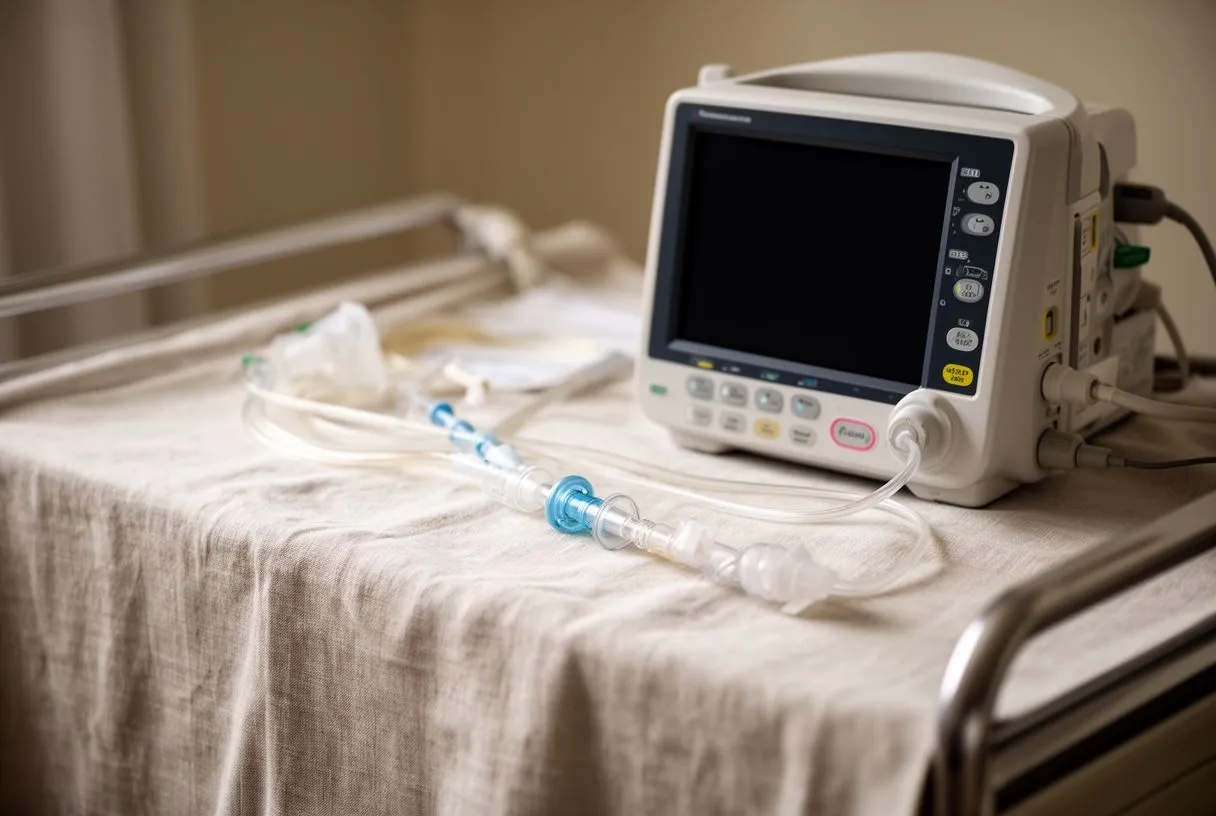
Understanding the Monitoring Lines and Equipment in the Cardiac ICU
Arterial lines and central venous catheters. When you wake up, you will notice several tubes and lines attached to your body. An Arterial Line is typically inserted into your wrist to provide continuous, beat-by-beat blood pressure readings. This is far more accurate than a standard blood pressure cuff and allows the team to draw blood frequently without the need for additional needle sticks.
You may also have a central venous catheter, usually placed in your neck or upper chest, to deliver medications and measure the pressure in the right side of your heart, or Atrium. Additionally, chest tubes are placed near your incision to drain excess blood and fluid that naturally accumulates around the heart and lungs after surgery, especially if the Ascending Aorta was manipulated or an Arterial Graft was placed.
A temporary pacemaker box might be connected to wires attached to the surface of your heart. This is a standard precautionary measure to regulate your heart rate if any arrhythmias occur during the early recovery phase. All of this equipment is entirely normal and will be systematically removed by the nursing staff as your condition stabilizes over the first day or two.
When Will I Wake Up After Heart Surgery?
The process of waking up from cardiac anesthesia is carefully orchestrated by your surgical and anesthesia teams. Unlike standard surgical anesthesia, cardiac procedures often require deeper sedation and the use of a heart-lung bypass machine, which significantly affects how quickly medications clear from your system. The team will begin reducing sedation only once your core vital signs are perfectly stable.
Responding to commands and regaining consciousness. As the sedatives wear off, you will transition from a deep sleep to a light, responsive state. The nursing staff will assess your readiness to breathe independently. They will look for clear signs that you are triggering the ventilator on your own and demonstrating a strong cough reflex before removing the breathing tube.
It is completely normal to feel confused, disoriented, or forgetful during the first few hours of wakefulness. This phenomenon, sometimes referred to as ICU delirium, is temporary and usually resolves as the medications completely leave your bloodstream. The medical team will keep the environment as calm as possible, though the necessary monitoring alarms and routine checks will still occur.
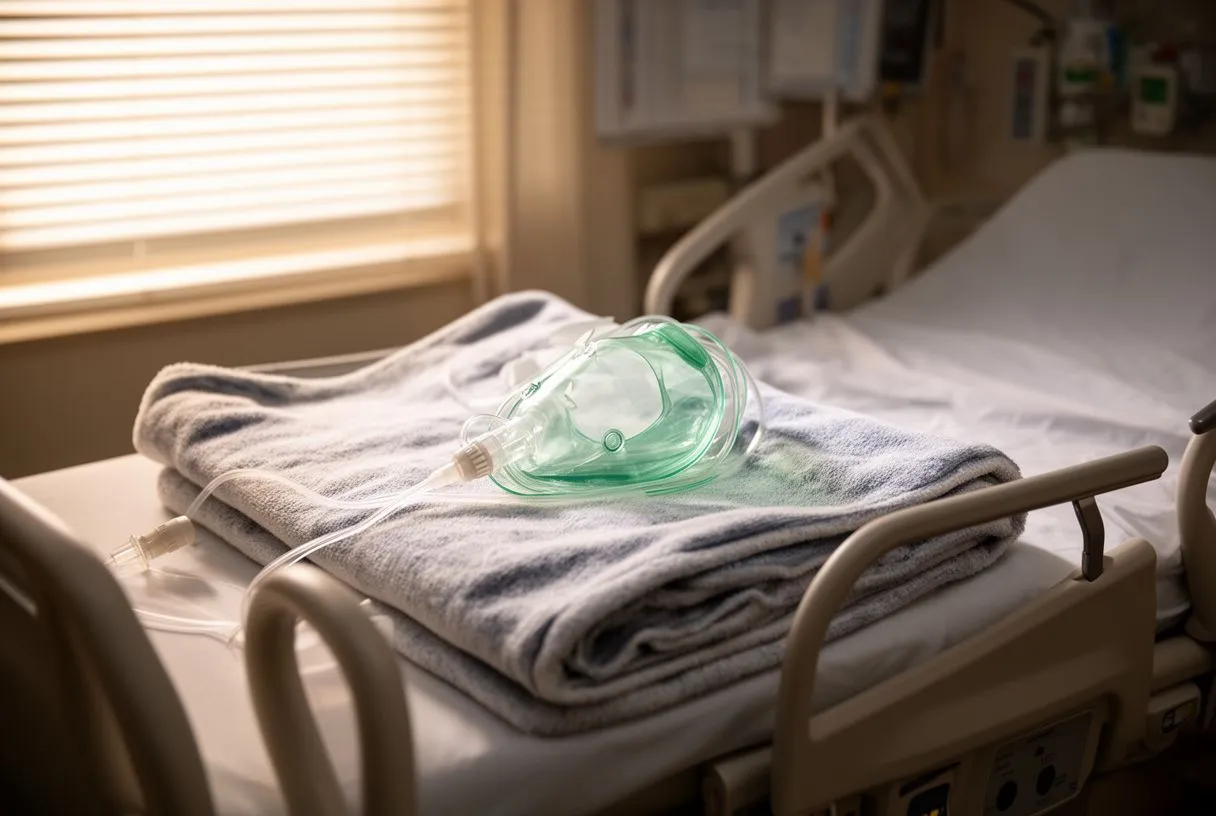
How Pain is Managed During Your Intensive Care Unit Stay
Effective pain control is a cornerstone of your postoperative recovery in the intensive care unit. The surgical team will use a carefully balanced combination of intravenous medications and oral pain relievers to keep you as comfortable as possible. Keeping your pain at a manageable level is essential because it allows you to participate in necessary breathing exercises and early mobilization.
You will likely receive a mix of opioids and non-opioid analgesics tailored to your specific needs. Aspirin is often administered early on, depending on the specific surgery, to prevent dangerous blood clots from forming. If you received an Autograft, or tissue taken from your own body for the repair, your pain management plan will account for discomfort at both the chest and donor sites.
It is crucial to communicate your pain levels actively to the nursing staff. They will frequently ask you to rate your pain on a scale of one to ten. Never wait until the pain becomes severe to ask for help; addressing discomfort early prevents it from escalating and hindering your ability to cough, deep breathe, and eventually walk, which are all vital for preventing pneumonia.
What Are the Milestones for ICU Discharge After Heart Surgery?
Discharge from the intensive care unit is not determined by a strict clock, but rather by achieving specific clinical milestones. The primary goal is to ensure that your heart, lungs, and kidneys are functioning adequately without the need for intensive medical support. Once these criteria are met, you are deemed ready to move to a standard hospital ward.
Key milestones for stepping down to the regular ward.
- Stable vital signs: Your blood pressure and heart rate are stable without the need for continuous blood pressure medication drips.
- No active bleeding: Chest tube output has decreased to safe, minimal levels, and the drainage tubes are ready for removal.
- Independent breathing: You are breathing completely without mechanical support and maintaining healthy oxygen saturation levels.
Reaching these milestones indicates that your body is successfully taking over the work that the ICU equipment was temporarily managing. The transition to a regular ward means you require less frequent monitoring, but you will still receive attentive nursing care as you begin walking independently and eating a normal diet. This progression is a highly positive sign in your recovery journey.
Factors That Can Extend Your ICU Stay After Cardiac Surgery
While most patients follow a predictable and smooth recovery path, certain factors can prolong the intensive care unit stay. Pre-existing conditions such as severe lung disease, advanced kidney dysfunction, or poorly controlled diabetes can naturally slow the recovery process. The surgical team anticipates these challenges and plans for them accordingly, though it may simply require extra days in the ICU for safe recovery.
Bleeding and rhythm disturbances. It is not uncommon to experience minor bleeding after cardiac surgery, but persistent bleeding may require additional interventions, such as a return to the operating room or transfusions of Autologous Blood collected during the procedure. Similarly, irregular heart rhythms, such as Atrial Flutter, can easily develop as the heart muscle heals and reacts to the trauma of surgery, requiring medication to stabilize the beat.
Sometimes, the heart simply needs more time to regain its full pumping strength. Research on Increased contractility affects left ventricular kinetic energy in pulmonary hypertension demonstrates how heart muscle performance is complex and deeply individualized. If the heart struggles to maintain adequate circulation, specialized medications or temporary mechanical support may be needed for a longer period, safely extending your monitored stay.
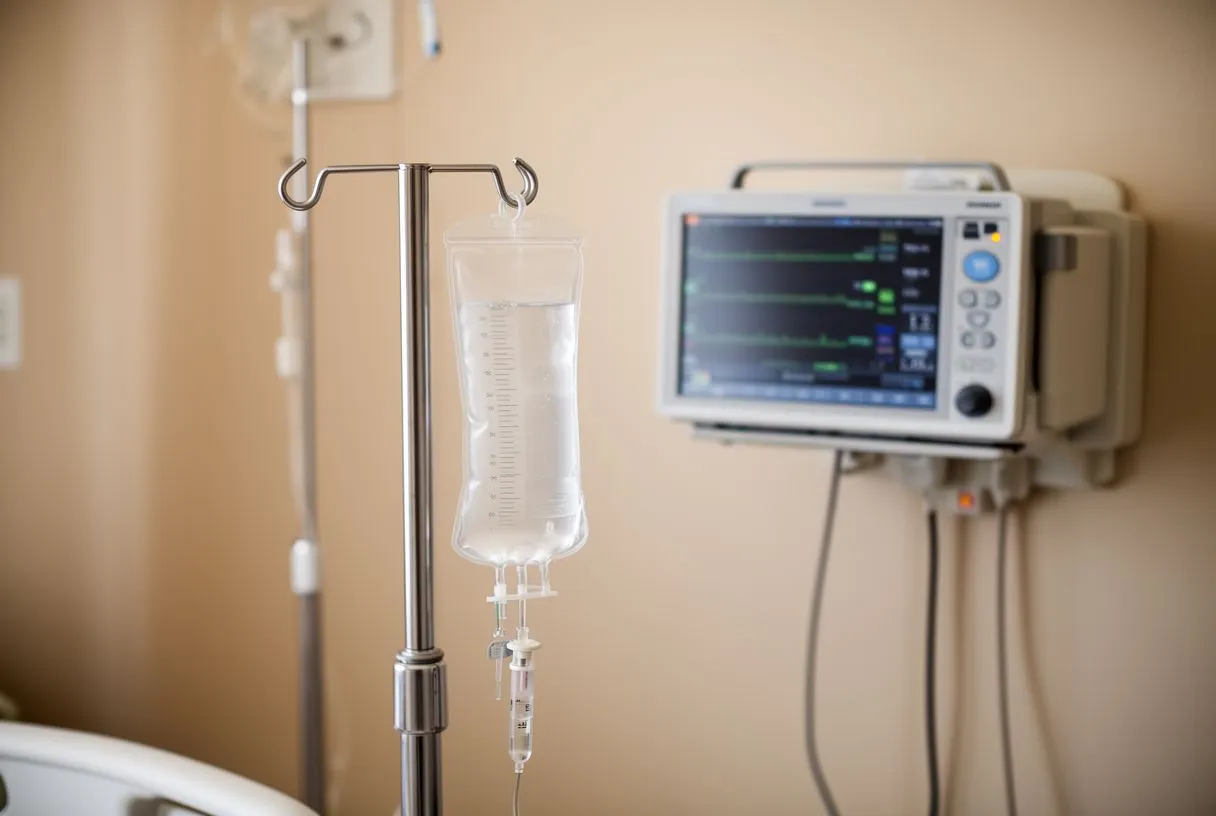
Family Visitation and Support During the Cardiac ICU Stay
Having family nearby is deeply reassuring for patients recovering from major heart surgery. However, intensive care units have strict visitation policies designed to protect vulnerable patients from infections and to allow the medical staff to perform necessary procedures without unnecessary interruptions. Visitors should expect structured visiting hours and specific guidelines regarding who can enter the unit.
Preparing for your visit to the cardiac ICU.
- Stay calm and positive: Your loved one is highly sensitive to emotional cues while recovering; a calm, encouraging presence is highly therapeutic.
- Respect equipment space: Avoid touching any lines, tubes, or monitors, and turn off phone ringers to maintain a quiet, restful environment.
- Ask the nurse first: Always check with the nursing staff before entering the room, as immediate care needs or sterile procedures may delay visitation.
It is important for families to remember that the initial appearance of the patient can be startling. Seeing a loved one connected to multiple tubes, monitors, and a breathing apparatus is naturally stressful. The nursing staff is always available to explain what each piece of equipment does, reassure you of the patient's progress, and answer any questions you may have.
Transitioning From the ICU to the Regular Hospital Ward
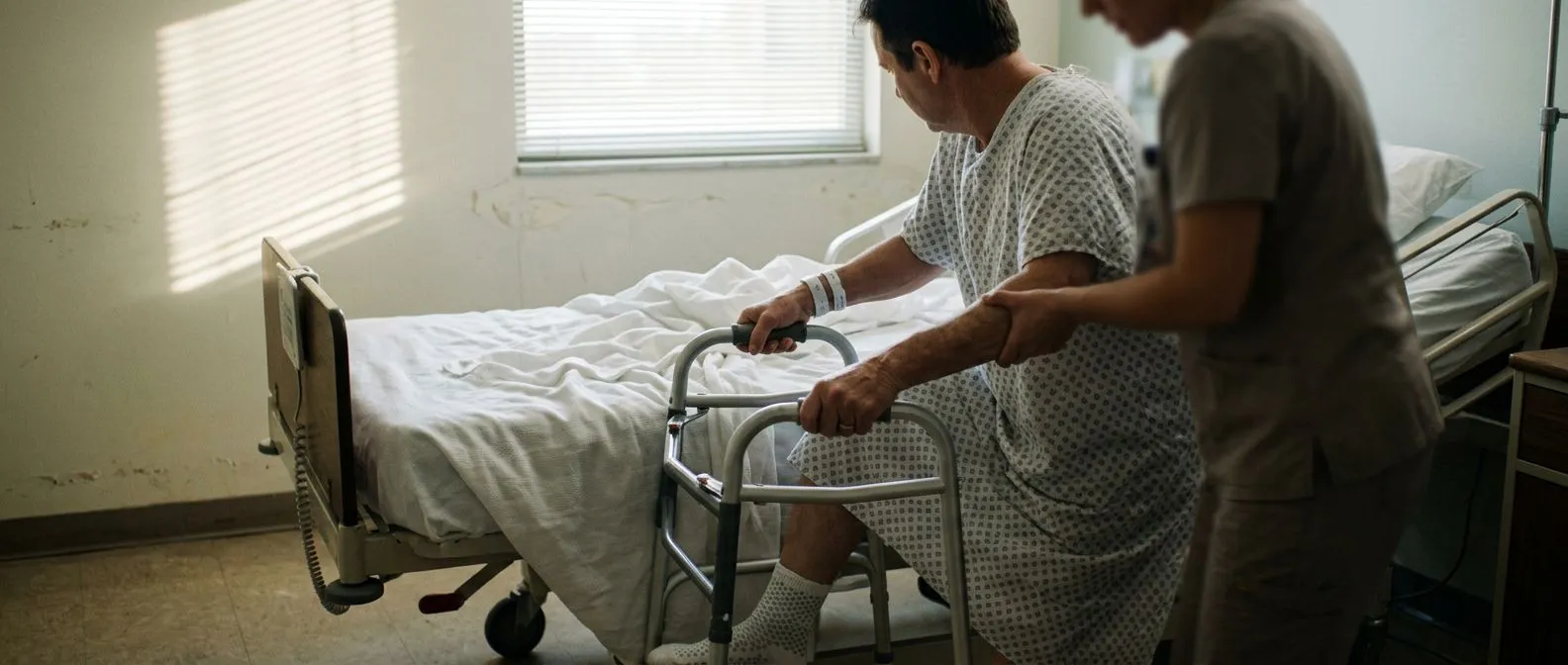
Moving from the intensive care unit to a standard hospital room marks a major and positive step in your overall recovery. In the regular ward, the clinical focus shifts from intensive medical monitoring to active physical rehabilitation. You will be actively encouraged to sit up in a chair, walk in the hallways with assistance, and begin eating a heart-healthy solid food diet.
The frequency of vital sign checks will naturally decrease, and most of the remaining IV lines and catheters will be safely removed. You will begin working closely with specialized physical therapists who focus exclusively on cardiac rehabilitation. Their expert guidance is vital for helping you safely regain physical strength and confidence in your body's ability to heal completely.
Planning for the journey home. Studies like Sex-based differences in characteristics, management, and outcomes in heart failure with reduced ejection fraction highlight the critical importance of individualized care plans. As you progress, the medical team will begin educating you and your family about wound care, medication schedules, and warning signs to watch for once you return home. We encourage you to schedule a consultation with our cardiac team to discuss your specific surgical plan, expected recovery timeline, and personalized care.