

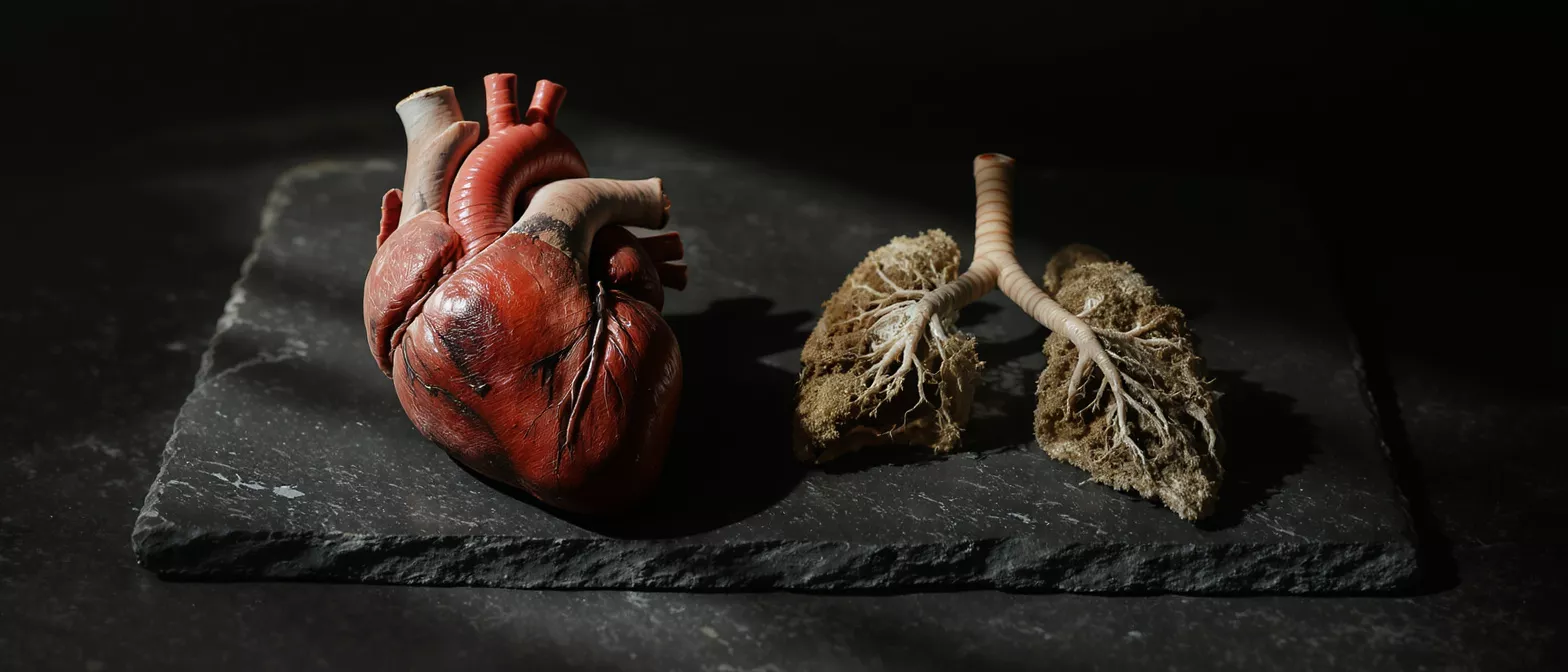
Pulmonary Hypertension
Learn pulmonary hypertension causes, symptoms, stages, and treatments.
What is pulmonary hypertension?
Pulmonary hypertension is a specific type of high blood pressure that affects the arteries in the lungs and the right side of the heart. When you have systemic high blood pressure, your doctor measures the force of blood against the walls of your body's main arteries. Pulmonary hypertension, however, occurs when the blood vessels that carry blood from the right side of your heart to your lungs become narrowed, blocked, or damaged. This restricts blood flow and forces the heart to work much harder than normal.
To understand why this matters, imagine your heart as a pump that constantly moves blood through two separate loops. The left side sends blood to the rest of your body, and the right side sends blood to the lungs to pick up oxygen. When the lung arteries are narrowed, the right side of the heart must pump against high resistance. Over time, this extra strain causes the right heart muscle to weaken and enlarge, which is a condition known as cor pulmonale.
Because the heart cannot efficiently push blood through the lungs, patients often experience a severe drop in oxygen levels. This leads to chronic fatigue, dizziness, and difficulty breathing. Pulmonary hypertension is a serious condition, but understanding its cause is the first step toward effective management.
How the heart and lungs work together
The pulmonary circulation loop: The cardiovascular system functions as a double-pump mechanism. After your body uses oxygen from the blood, that oxygen-depleted blood returns to the right side of the heart. The right ventricle then pumps this blood through the pulmonary artery directly into the lungs, where it picks up a fresh supply of oxygen before returning to the left side of the heart to be pumped throughout your body.
Gas exchange and vascular resistance: Inside the lungs, tiny blood vessels called capillaries wrap around the alveoli, which are the air sacs where gas exchange happens. Normally, this area has very low vascular resistance, allowing blood to flow easily. Pulmonary hypertension disrupts this balance by thickening the walls of these vessels, making the passageways much smaller. The body struggles to get enough oxygen into the bloodstream, leaving patients feeling chronically short of breath.
When the vascular resistance in the lungs remains high, the right ventricle has to generate much higher pressures to push blood forward. This continuous strain is what links pulmonary hypertension directly to heart failure. If the right side of the heart fails, blood backs up into the body's veins, causing swelling in the legs and abdomen.
What causes pulmonary hypertension?
Doctors classify pulmonary hypertension into five groups based on the underlying cause. Group 1, known as pulmonary arterial hypertension, involves diseases that directly affect the small arteries of the lungs. Group 2 is caused by left-sided heart diseases, such as mitral valve stenosis or heart failure, which is the most common cause seen in cardiac surgery patients.
Left heart disease and valve disorders: When the left side of the heart does not pump efficiently, or when heart valves leak or narrow, pressure builds up and backs into the lungs. This backup increases pressure in the pulmonary veins and eventually the pulmonary arteries.
Other causes include lung diseases like chronic obstructive pulmonary disease (COPD) or interstitial lung disease, which reduce the amount of functional blood vessels in the lungs. Blood clots that travel to the lungs can also block arteries and cause chronic thromboembolic pulmonary hypertension. Sometimes, the condition develops without any clear known cause, which is called idiopathic pulmonary hypertension.
Early pulmonary hypertension symptoms to watch for
Pulmonary hypertension symptoms are often subtle in the early stages and may go unnoticed for months or even years. The most common initial symptom is dyspnea, or shortness of breath, especially during physical activity like climbing stairs or carrying groceries. Because these symptoms mimic general aging or lack of fitness, early diagnosis is frequently delayed.
Advancing physical signs: As the disease progresses and the right side of the heart begins to struggle, symptoms become more pronounced. Patients may experience chest pain or pressure, fainting spells known as syncope, and a racing heartbeat. Swelling in the ankles, legs, and abdomen often indicates that the right side of the heart is failing to pump blood forward effectively.
Other notable symptoms include extreme fatigue, dizziness, and a bluish tint to the lips or skin known as cyanosis. If you or a loved one experience unexplained shortness of breath that worsens over time, it is crucial to seek evaluation from a cardiac specialist to rule out elevated pulmonary pressures.
- Shortness of breath: Especially noticeable during light physical exertion.
- Peripheral edema: Swelling in the lower legs and ankles caused by right heart strain.
- Cyanosis: A blue tint to the lips or skin indicating low blood oxygen.
How doctors diagnose pulmonary hypertension
Diagnosing pulmonary hypertension requires a series of specialized tests because the condition cannot be detected by a standard blood pressure cuff. The first clue often comes from an echocardiogram, which is a non-invasive ultrasound of the heart. This test shows the size and function of the right ventricle and can estimate the pressure inside the pulmonary artery.
Confirming the diagnosis with catheterization: If an echocardiogram suggests high pulmonary pressures, the gold standard for confirming the diagnosis is right heart catheterization. During this procedure, a cardiologist threads a thin, flexible tube into the right side of the heart and directly into the pulmonary artery. This provides an exact measurement of the blood pressure inside the lungs and evaluates how well the heart pumps.
Additional tests may include lung function tests, ventilation-perfusion scans to check for blood clots, and blood tests to look for underlying autoimmune conditions. The diagnostic workup is thorough because identifying the exact cause of the pulmonary hypertension is essential for prescribing the correct treatment.
Pulmonary hypertension stages and classification
Medical professionals use the World Health Organization functional classification system to stage pulmonary hypertension, which is similar to the system used for general heart failure. This staging system ranges from Class I to Class IV and helps doctors understand the severity of the disease and guide treatment plans.
Functional status and disease progression: Class I means the patient has pulmonary hypertension but no physical limitations and no symptoms during ordinary activity. Class II indicates mild limitations where patients are comfortable at rest but experience shortness of breath during normal daily activities. Class III marks a significant decline, where patients are comfortable only at rest and symptoms appear with less-than-ordinary exertion. Finally, Class IV indicates severe limitations where patients experience symptoms even at rest and cannot perform any physical activity without severe discomfort.
Staging is not static; patients may move between stages as the disease progresses or as treatments take effect. Understanding the current stage helps the medical team monitor how the condition responds to medications or interventions.
- Stage I-II: Mild to moderate symptoms, typically managed with medications and lifestyle adjustments.
- Stage III-IV: Severe symptoms, often requiring aggressive therapies or surgical evaluation.
Pulmonary hypertension treatment and medication options
Pulmonary hypertension treatment depends entirely on the underlying cause. When the condition is driven by left-sided heart disease or valve problems, repairing the valve or improving heart function is the primary goal.
Targeted medication pathways: For pulmonary arterial hypertension, doctors use specific targeted therapies that target different pathways in the blood vessels. These include endothelin receptor antagonists, phosphodiesterase-5 inhibitors, and soluble guanylate cyclase stimulators. Diuretics are often prescribed to help the body eliminate excess fluid that builds up from right heart failure.
When medications are not sufficient, patients may require advanced surgical interventions. These can include atrial septostomy to relieve pressure in the heart, or in the most severe cases, a lung or heart-lung transplant. A specialized cardiac care team will determine the safest and most effective path based on the patient's overall health.
How pulmonary hypertension affects heart surgery patients
For patients facing cardiac surgery, pulmonary hypertension is a critical factor that surgeons must carefully evaluate. Elevated pressure in the lungs increases the risk of complications during and after surgery. It makes anesthesia management more complex and can complicate the recovery of right heart function immediately following procedures like valve replacements or bypass surgery.
Pre-operative optimization: Before any surgical intervention, the cardiac team will aggressively optimize the patient's condition. This may involve administering targeted medications to lower pulmonary artery pressures and reduce right heart strain. Ensuring the heart is in the best possible state prior to the operation significantly improves postoperative outcomes and reduces the risk of right ventricular failure.
During surgery, the anesthesiology team and the surgeon will continuously monitor right heart pressures and hemodynamics. If the pulmonary pressures are extremely high, the surgical strategy may be adjusted to minimize cardiopulmonary bypass time. A careful, multidisciplinary approach is essential for navigating these added risks.
Living with pulmonary hypertension and long-term management
Living with pulmonary hypertension requires a lifelong commitment to medical management and lifestyle adjustments. Patients must closely monitor their fluid and salt intake to prevent fluid overload, which is one of the primary triggers of symptom flare-ups. Daily monitoring of body weight is crucial, as sudden weight gain can indicate worsening right heart failure.
Diet, activity, and prevention: Maintaining a heart-healthy diet low in sodium is essential for minimizing fluid retention and easing the workload on the right ventricle. While physical activity is encouraged to maintain overall cardiovascular health, patients should avoid heavy lifting or strenuous isometric exercises that can spike blood pressure. Light, consistent aerobic activity, like walking, is typically recommended, but patients must pace themselves and rest when needed.
Preventing respiratory infections is another critical aspect of management. Patients with pulmonary hypertension are highly vulnerable to complications from illnesses like pneumonia or influenza. Receiving annual flu vaccines, pneumococcal vaccines, and practicing strict hygiene during cold and flu season are standard medical recommendations to protect against exacerbations.
Pulmonary hypertension life expectancy and outlook
The outlook for pulmonary hypertension has improved significantly over the past two decades due to the development of specialized medications and advanced surgical techniques. However, it remains a chronic, progressive disease that requires ongoing medical supervision. Life expectancy varies widely and depends heavily on the underlying cause, the stage at diagnosis, and how well the patient responds to treatment.
The importance of early detection and adherence: Early detection and prompt initiation of therapy are the most critical factors for improving survival rates and quality of life. Patients who are diagnosed before the right ventricle has suffered irreversible damage have a much better prognosis. Adherence to medication regimens, routine follow-ups with a specialized cardiology team, and careful symptom monitoring are the cornerstones of long-term success.
While a diagnosis of pulmonary hypertension can be frightening, a dedicated medical team can provide a tailored treatment plan to manage symptoms and improve heart function. With proper care, many patients continue to live fulfilling, meaningful lives, managing their condition effectively through modern cardiac care.






