


Living With Pulmonary Hypertension: Causes and Treatment
Pulmonary hypertension treatment starts with understanding causes and options.
Receiving a diagnosis of high lung pressure can feel overwhelming, but understanding your condition is the first step toward reclaiming your quality of life. Finding the right pulmonary hypertension treatment requires a partnership with a dedicated cardiac team who can navigate the complexities of your unique anatomy and medical history. This guide explains the mechanisms, symptoms, and advanced therapies available to you, helping you approach your medical appointments with confidence rather than fear. Our goal is to bridge the gap between complex cardiology and clear, calm explanation, so you can make informed decisions about your heart health. We will explore exactly what happens inside your heart, how doctors pinpoint the problem, and the medical pathways that offer the lowest risk for your specific situation.
What Is Pulmonary Hypertension and How Does It Affect Your Heart
The mechanics of lung blood flow: Pulmonary hypertension occurs when the blood pressure within the arteries of your lungs becomes abnormally elevated. In a healthy heart, the right side pumps oxygen-poor blood into the lungs through a massive circuit of delicate vessels, where the blood picks up oxygen before returning to the left side of the heart. When these lung vessels narrow, become stiff, or are blocked, the right side of your heart must work significantly harder to push blood through the restricted space. Over time, this increased workload strains the heart muscle, leading to thickening and weakening of the right ventricle, which is the lower pumping chamber responsible for pushing blood to the lungs.
Pressure overload and heart strain: As the pressure remains high, the right ventricle struggles to keep pace with the body's demands. Patients often experience fatigue and shortness of breath because the heart cannot deliver enough oxygen-rich blood to the rest of the body during physical exertion. This disparity between oxygen supply and demand is a hallmark of the disease. If left unmanaged, the right side of the heart eventually enlarges and fails, a condition known as cor pulmonale. Understanding this anatomical progression helps patients grasp why early intervention is crucial to preserving heart function.
Listening to the heart's signals: During a physical examination, your cardiologist will perform auscultation, which is the medical term for listening to your heart and lungs with a stethoscope. They are listening for specific sounds, such as a loud pulmonic valve closure or a murmur, which suggest the right side of the heart is under significant stress. The blood eventually returns to the left atrium, the upper receiving chamber, but the primary problem originates in the vessels connecting the right heart to the lungs. By mapping out this plumbing system, patients can better visualize why their symptoms occur and how targeted therapies aim to open these vessels and reduce the workload on the right ventricle.
Recognizing Early Pulmonary Hypertension Symptoms
Breathlessness during daily activities: The most common early symptom of pulmonary hypertension is dyspnea, or shortness of breath, particularly during physical activity. Patients frequently notice that tasks which were once simple, such as climbing a flight of stairs, walking uphill, or carrying groceries, suddenly leave them gasping for air. This happens because the restricted lung arteries prevent the heart from increasing blood flow quickly enough to meet the muscles' oxygen demands during exertion. Because this breathlessness develops gradually over months or years, many patients mistakenly attribute it to aging, lack of fitness, or asthma, delaying a proper diagnosis.
Swelling, fatigue, and systemic signs: Beyond breathlessness, fluid retention is a significant indicator of right heart strain. Patients may develop peripheral edema, which presents as swelling in the ankles, feet, and legs, caused by the heart's inability to pump blood efficiently, leading to fluid backing up into the venous system. Extreme fatigue is also common, as tissues throughout the body receive less oxygenated blood. Some individuals experience chest pressure or a racing heart. In advanced stages, reduced blood flow to the brain can cause dizziness or fainting spells, particularly upon standing up or exerting oneself.
Differentiating from other cardiac events: Because chest discomfort is a frequent complaint, doctors must carefully evaluate whether the pain originates from the lung vessels or the coronary arteries. Sometimes, unexplained chest pain or even arm pain might be evaluated to rule out an atypical infarction, which is a heart attack that presents with non-standard symptoms. It is vital to communicate the exact nature, timing, and triggers of your chest discomfort to your cardiac team. Recognizing these subtle early signs and seeking prompt evaluation prevents the disease from progressing silently and causing irreversible damage to the heart muscle.
Common Pulmonary Hypertension Causes and Risk Factors
Primary versus secondary origins: Pulmonary hypertension is broadly categorized based on its underlying cause. When the disease arises without a clear, associated medical condition, it is termed idiopathic pulmonary arterial hypertension, which is thought to involve genetic mutations or spontaneous cellular changes in the lung vessels. Far more commonly, the disease is secondary, meaning it is a complication of another underlying health issue. Identifying the root cause is absolutely critical, as the treatment strategy shifts dramatically depending on whether the lung vessels are diseased directly or reacting to a problem elsewhere in the body. For reliable overviews of these categories, you can consult resources from WebMD.
Left heart disease and systemic factors: The most frequent cause of secondary pulmonary hypertension is left heart disease. When the left side of the heart struggles to pump or relax properly—due to conditions like valvular disease or chronic high blood pressure—pressure builds backward into the lungs. Systemic issues like severe sleep apnea, chronic obstructive pulmonary disease, and high cholesterol also play a role. For instance, an atheromatous plaque, which is a fatty deposit in the artery wall, can contribute to systemic vascular stiffness. Doctors often monitor levels of apolipoprotein B, a protein that carries harmful cholesterol, to assess cardiovascular risk and guide preventative care.
Connective tissue diseases and genetics: Autoimmune disorders frequently damage the delicate lining of the lung arteries. Conditions like scleroderma or lupus cause inflammation that narrows these vessels, restricting blood flow. There is also a hereditary component; certain genetic mutations predispose families to this condition. If you have a family history of the disease or suffer from an autoimmune disorder, your cardiac specialist will monitor your heart function much more closely. Knowing your risk profile allows your medical team to implement screening protocols and catch the disease in its earliest, most treatable stages.
How Pulmonary Hypertension Diagnosis Works
Non-invasive imaging and testing: Diagnosing this condition requires a stepwise approach. The journey often begins with an echocardiogram, an ultrasound of the heart that estimates the pressure in the lung arteries by observing how fast blood flows through the valves. Your doctor will also review your electrocardiogram and conduct lung function tests to rule out other respiratory diseases. These non-invasive tools provide a detailed picture of the heart's size, structure, and pumping efficiency. If these initial tests raise suspicion, your cardiologist will recommend more definitive diagnostic procedures to confirm the exact pressure readings.
The gold standard of catheterization: To definitively diagnose the disease and assess its severity, doctors perform a right heart catheterization. During this procedure, a thin tube is guided into the right side of your heart and directly into the pulmonary artery to measure the actual blood pressure. Sometimes, the cardiologist evaluates the ascending aorta, the main artery carrying blood from the left heart to the body, to ensure no structural anomalies are contributing to your symptoms. This precise measurement is essential because echocardiograms can only estimate pressure. The catheterization provides the exact numbers needed to design a safe and effective therapy plan.

Ruling out coronary blockages: While evaluating the heart's plumbing, your medical team must ensure that coronary artery disease is not contributing to your symptoms. In some cases, they may perform a balloon angioplasty if they discover a severe blockage in the arteries feeding the heart muscle itself. Opening a blocked coronary artery can sometimes relieve overlapping symptoms and improve overall heart function. By systematically ruling out and treating all potential sources of chest pain and heart strain, your specialists create a complete map of your cardiovascular health. This comprehensive diagnostic phase ensures that the subsequent therapies target the correct physiological problem.
Starting Your Pulmonary Hypertension Treatment Plan
Tailoring therapy to your profile: Once a diagnosis is confirmed, starting your pulmonary hypertension treatment plan requires a highly individualized approach. There is no one-size-fits-all solution, because the disease behaves differently depending on its underlying cause. Your cardiac team will categorize your condition into a specific World Health Organization group, which dictates the medical pathway. The primary goals are to reduce the pressure in the lung arteries, improve blood flow, and prevent the right side of the heart from failing. Regular monitoring is essential to track how well your body responds to the initial medications and to adjust dosages as needed.
Addressing post-viral complications: In recent years, cardiologists have observed that severe viral infections can trigger lasting cardiovascular and respiratory complications. For example, some patients experience persistent breathlessness and reduced exercise capacity long after recovering from a respiratory illness. This complex interplay between lung injury and heart strain is explored in research like the Ongoing Exercise Intolerance Following COVID‐19: A Magnetic Resonance–Augmented Cardiopulmonary Exercise Test Study. Understanding these long-term impacts helps doctors refine their treatment protocols for patients whose pulmonary hypertension may have been triggered by a severe inflammatory response.
Hospital monitoring and safety: During the initial phases of treatment or when adjusting strong medications, you may require close observation in a hospital setting. To continuously track your blood pressure and oxygen levels without repeated needle sticks, nurses will place an arterial line, a thin catheter inserted into an artery, usually in the wrist. This allows for moment-to-moment monitoring of your hemodynamics. Depending on your specific risk factors for blood clots, your doctor might prescribe a mild blood thinner like aspirin to keep the blood flowing smoothly through the narrowed lung vessels. These safety measures ensure your body tolerates the new medications without adverse reactions.
Understanding Pulmonary Hypertension Medication Options
Vasodilators and endothelin receptor antagonists: The cornerstone of medical therapy involves medications that relax the blood vessels in the lungs. Vasodilators widen the restricted arteries, lowering the pressure the right heart must pump against. One major class of drugs is endothelin receptor antagonists, which block a chemical in the body that causes vessels to constrict. By keeping these vessels open, these medications improve blood flow and oxygen delivery, significantly reducing symptoms of breathlessness and fatigue. Patients must take these drugs exactly as prescribed, as consistent blood levels are required to keep the lung pressures stable.
Anticoagulation and structural interventions: Because sluggish blood flow in the lung arteries can increase the risk of clotting, blood thinners are sometimes necessary. While clinical trials like ARISTOTLE primarily focus on stroke prevention in atrial fibrillation, the principles of safe anticoagulation are vital for pulmonary hypertension patients who have clotting risks. If the disease is driven by a diseased heart valve, treating the valve itself is paramount. For severe aortic stenosis, replacing the valve with a balloon-expandable valve through a transcatheter aortic valve replacement (TAVR) can instantly relieve the backward pressure causing the lung hypertension.
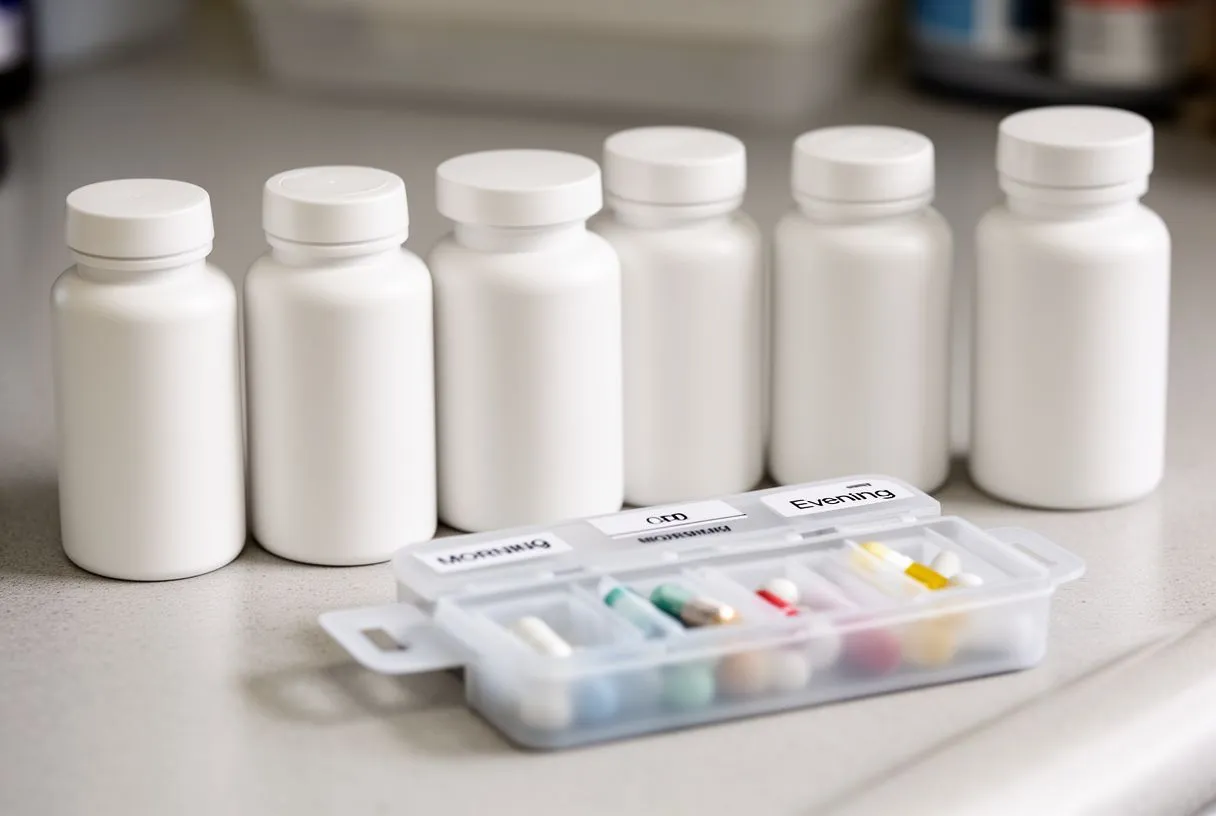
Diuretics and managing fluid overload: When the right heart struggles, fluid inevitably builds up in the body, causing uncomfortable swelling in the abdomen and legs. Diuretics, commonly known as water pills, help the kidneys eliminate this excess fluid. By reducing the overall volume of blood the heart must pump, diuretics decrease the workload on the right ventricle. Patients on diuretics must have their kidney function and electrolyte levels checked regularly, as these medications can alter the balance of essential minerals like potassium. Together, these medications form a robust pharmacological shield, protecting the heart and maintaining a functional circulatory system.
When Pulmonary Hypertension Oxygen Therapy Is Necessary
Correcting low blood oxygen: As lung vessels narrow, blood may rush through them too quickly to absorb adequate oxygen, leading to hypoxemia, or low oxygen levels in the bloodstream. When this occurs, supplemental oxygen therapy becomes a vital component of care. Breathing higher concentrations of oxygen helps ensure that the blood passing through the lungs picks up the maximum possible amount of oxygen, reducing the strain on the heart and relieving the sensation of breathlessness. Your doctor will determine if you need oxygen by monitoring your blood oxygen saturation levels during rest and physical activity.
- Resting hypoxemia: Oxygen is often prescribed if blood oxygen levels fall below a certain threshold while the patient is sitting quietly.
- Exertional desaturation: If oxygen levels drop significantly during walking or light housework, portable oxygen tanks allow patients to stay active and safe.
- Sleep-related hypoxia: Nighttime oxygen therapy may be necessary if breathing slows during sleep, causing dangerous drops in overnight oxygen saturation.
Advanced respiratory support: In severe cases where the lungs and heart cannot maintain adequate oxygen exchange independently, more aggressive interventions may be required. Awake ECMO (Extracorporeal Membrane Oxygenation) is a highly advanced life support system that pumps and oxygenates a patient's blood outside the body, giving the heart and lungs time to rest. Because sudden drops in heart function can occur in severe cases, vulnerable patients may be advised to have an automated external defibrillator (AED) available at home, a portable device that can restart a heart if it goes into a lethal rhythm. These advanced measures are usually reserved for acute crises or as a bridge to more definitive surgical solutions.
Living With Pulmonary Hypertension and Exercise Limits
Pacing your daily activities: Adapting to life with lung vessel disease requires a careful balance between staying active and avoiding exhaustion. Exercise is highly beneficial, as it maintains muscle tone and overall cardiovascular health, but it must be approached with realistic boundaries. Patients must learn to pace themselves, taking frequent rests and avoiding heavy lifting or extreme endurance sports. Cardiac rehabilitation programs are excellent resources, as they teach patients how to monitor their heart rate and oxygen levels during physical activity, ensuring they stay within a safe, therapeutic zone.
Preparing for potential surgical needs: If your condition progresses or if you develop a secondary complication requiring surgery, maintaining your physical fitness becomes even more critical. A stronger body recovers faster from major interventions. If you were to require a complex operation, the surgical team might utilize an autograft, which is tissue transplanted from one part of your body to another, to repair damaged vessels or valves. Being in the best possible physical shape prior to such an event reduces surgical risks and shortens the recovery timeline.
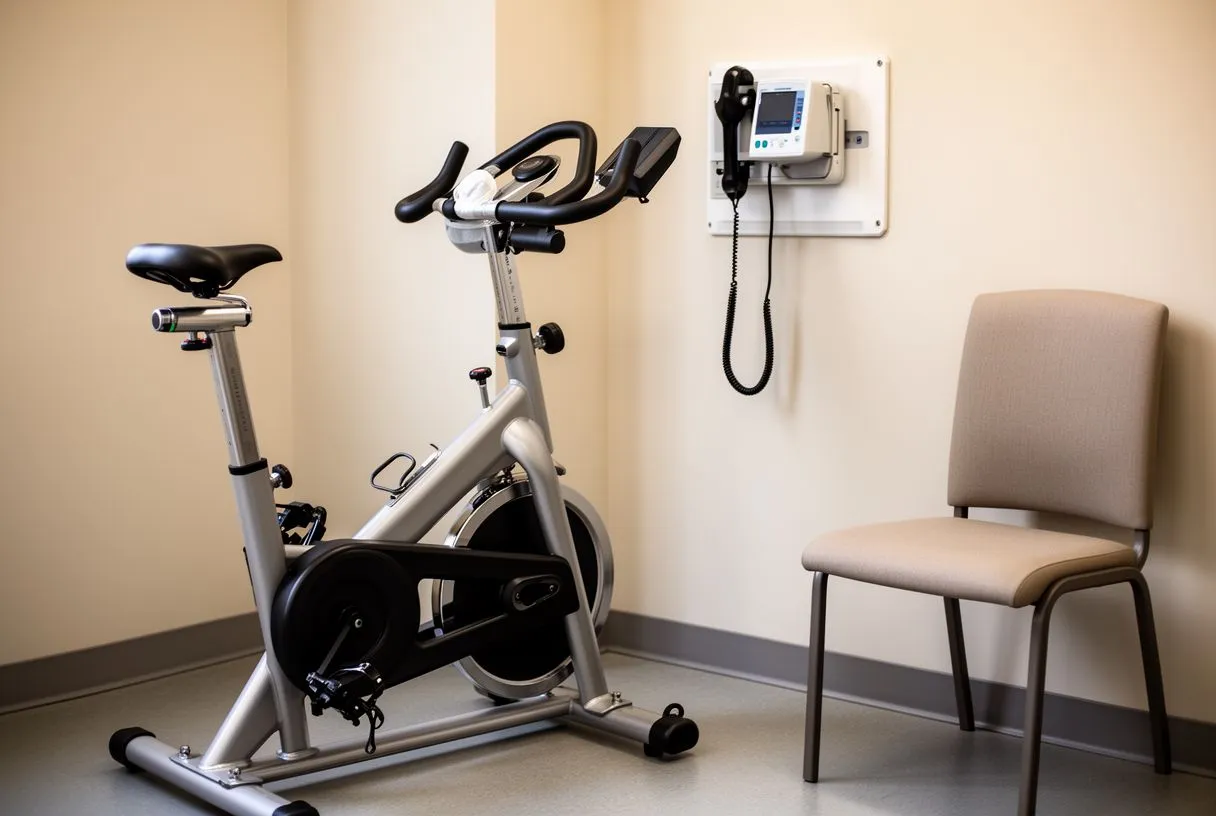
Optimizing your overall physical state: Preparing for surgical needs also involves ensuring your blood is healthy enough for potential transfusions. In elective cardiac procedures, surgeons prefer to use autologous blood, which is blood donated by the patient prior to their own surgery, to minimize the risk of transfusion reactions. Regular, gentle exercise helps maintain healthy hemoglobin levels and overall stamina. By respecting your physical limits while keeping your body conditioned, you actively participate in your care and build resilience against the progressive nature of the disease.
Preventing Pulmonary Hypertension Right Heart Failure
Protecting the right ventricle: The ultimate goal of all therapies is to prevent the right ventricle from failing. Right heart failure is a life-threatening condition where the heart can no longer pump sufficient blood to the lungs to meet the body's needs. By aggressively lowering lung artery pressures with medications and oxygen, we give the right ventricle a chance to rest and recover its normal shape and function. Regular echocardiograms allow your doctor to track the size and pumping strength of the right ventricle, providing early warning signs if the heart is beginning to struggle despite medical therapy.
Managing overlapping systemic diseases: Because pulmonary hypertension often stems from other conditions, managing those root causes is essential to preventing right heart failure. For instance, patients with advanced kidney disease face a significantly higher risk of developing severe lung pressure issues. This dangerous connection is explored in the A Cross-sectional Study on Pulmonary Hypertension in Patients with Stage 5 Chronic Kidney Disease. Dialysis patients, in particular, must have their fluid volumes tightly controlled to prevent overload on an already strained heart. A multidisciplinary approach involving cardiologists and nephrologists is often required.
Surgical interventions to relieve pressure: If medications fail to halt the progression of right heart failure, surgical options must be considered to correct structural problems. If a diseased aortic valve is the source of the back pressure, a balloon aortic valvuloplasty, a procedure that uses a balloon to stretch a stiff heart valve open, might offer temporary relief. In cases of severe coronary artery blockages contributing to heart weakness, a surgeon might perform an arterial graft, using a healthy blood vessel from the chest or arm to bypass the blocked artery. These structural repairs aim to instantly reduce the workload on the heart and prevent irreversible muscle damage.
Finding a Pulmonary Hypertension Specialist in Mexico
The importance of expert multidisciplinary care: Navigating this complex disease requires a team of experts who communicate seamlessly. Finding a pulmonary hypertension specialist in Mexico means looking for a center that offers cardiology, pulmonology, and specialized nursing under one roof. Dr Alejandro Molina and the team at Cirugía de Corazón understand the anxieties faced by international patients seeking advanced cardiac care. We provide clear explanations of your anatomical realities and the trade-offs of various treatment options. Our priority is to offer the lowest risk procedures for your specific situation, never claiming a one-size-fits-all "best" approach, but rather the most medically sound pathway for your body.
Managing complex arrhythmias and surgical risks: Patients with advanced heart strain often develop irregular heartbeats, such as atrial flutter, a rapid rhythm originating in the upper chambers of the heart. Managing these arrhythmias is crucial, as they can drastically worsen heart failure. If your condition requires surgical intervention, our cardiac surgical team utilizes precise techniques to ensure your safety. During open-heart procedures, an arterial cannula, a specialized tube, is carefully inserted into a large artery to maintain blood circulation while the heart is temporarily stopped.

- Centralized expertise: Access to advanced diagnostics and targeted therapies across multiple state-of-the-art locations in Mexico.
- International patient support: Compassionate coordination for families traveling for care, ensuring a smooth medical journey.
- Personalized consultations: Direct discussions with your cardiac team to evaluate your specific risks and recovery milestones.
Your next step toward better heart health: Living with elevated lung pressure is a lifelong journey, but with the right medical guidance, it is a manageable one. Understanding the causes, recognizing the symptoms, and adhering to a carefully constructed pulmonary hypertension treatment plan empowers you to live a fuller, more comfortable life. We encourage you to discuss your specific situation, your test results, and your personal goals with a qualified cardiac team. Do not self-diagnose or delay seeking expert care. Book a consultation with us today to explore your options, map your recovery milestones, and take control of your heart health with confidence and clarity.






