


Tricuspid Regurgitation: When to Worry and Treat
Tricuspid regurgitation treatment: learn when symptoms need surgery versus monitoring, what heart surgeons in Guadalajara recommend.
If you or a family member have just been told the tricuspid valve — the valve between the right upper and right lower chambers of the heart — is leaking, you are probably wondering how serious it is and whether anything needs to be done. Tricuspid regurgitation treatment has changed a great deal in recent years, and the right decision depends on how severe the leak is, what is causing it, and how you feel. This guide walks through what the condition is, what symptoms to watch for, when doctors recommend acting, and what every treatment option involves — including tricuspid regurgitation surgery, catheter-based procedures, and careful monitoring.
What Is Tricuspid Regurgitation?
The Tricuspid Valve has three thin leaflets that sit between the right atrium and the right ventricle. Every heartbeat, it opens to let blood flow from the atrium into the ventricle, then closes so blood moves forward to the lungs instead of backward. When the leaflets do not close fully, some blood leaks backward — that leak is called regurgitation. Another name for the tricuspid valve is the right atrioventricular valve, because it is the only valve between the two chambers on the right side of the heart.
Unlike the aortic or mitral valves on the left side, the tricuspid valve works under low pressure, which is one reason a leak can grow quietly for years. Another reason is that many patients feel few symptoms early on, so the problem is often discovered on an echocardiogram — an ultrasound scan of the heart — ordered for something else. That is why cardiologists once called the tricuspid the "forgotten valve," a label that has changed as awareness and treatment options have grown.
What does "trivial TR" mean on an echo? If your echo report says "trivial" or "mild" tricuspid regurgitation, it means a tiny trace of leakage that is extremely common, often seen in completely healthy hearts, and almost never needs treatment. The report is describing a finding, not a disease that requires action. In our consultations we take the time to explain what the studies actually show, in plain words, so patients know whether a finding like this is something to watch or something to ignore.
What Are the Symptoms of a Leaky Tricuspid Valve?
A leaky valve on the right side of the heart sends blood backing up into the veins that return blood from your body. That is why tricuspid regurgitation symptoms treatment conversations usually start with signs of congestion rather than chest pain. Many patients notice swelling in the legs and ankles first, because fluid gathers in the lowest parts of the body. Others describe fullness or discomfort under the right ribs, where the liver can become congested.
Everyday signs to watch for:
- Swelling: puffiness in the ankles, feet, or abdomen that is worse by evening and improves overnight.
- Fatigue and breathlessness: feeling unusually tired or short of breath with activities you used to manage easily.
- Digestive changes: early fullness, poor appetite, or nausea caused by a congested liver and stomach.
- Pulsing neck veins: a visible, prominent pulse in the jugular veins of the neck, which your doctor can check during an exam.
These symptoms overlap with many other conditions, so none of them alone confirms a valve problem. But if you have a known murmur, an abnormal echo, or a history of left-sided valve disease, new swelling and fatigue deserve attention. Severe tricuspid regurgitation treatment is usually considered once symptoms like these begin to limit daily life, because that is when the leak is affecting the heart's function rather than just appearing on a scan.
What Causes Tricuspid Regurgitation?
Most cases are secondary, meaning the valve leaflets themselves are normal but the valve is stretched open by something else. The most common driver is disease on the left side of the heart — Mitral Regurgitation (a leak in the mitral valve, the valve between the left atrium and left ventricle) or left-heart failure — which raises pressure in the lungs and, over time, stretches the right ventricle and the ring of tissue the tricuspid leaflets attach to, called the annulus. As the annulus widens, the leaflets can no longer meet in the middle, and a leak begins. Pulmonary Regurgitation and other conditions that raise lung artery pressure have the same stretching effect.
Less often, the valve itself is the problem. Primary tricuspid regurgitation can come from infection of the valve (endocarditis, often linked to intravenous drug use or devices), from rheumatic fever earlier in life, from a birth defect such as Ebstein's anomaly, or from injury caused by pacemaker leads or implanted defibrillator wires crossing the valve. Certain appetite-suppressant medications and some chemotherapy agents have also been implicated historically. Identifying which type you have matters enormously, because the cause shapes both the timing and the type of intervention.
Atrial fibrillation — an irregular, chaotic rhythm of the upper chambers — deserves its own mention. When the right atrium fibrillates and enlarges, it pulls the annulus open the same way a stretched drumhead loosens. For this reason, any evaluation of the tricuspid valve includes careful assessment of heart rhythm, right ventricle size, and the pressures inside the lungs.
How Quickly Does Tricuspid Regurgitation Progress?
For most patients, the answer is: slowly. Tricuspid regurgitation usually advances over years, not months, which is why periodic echocardiograms — often yearly, or every six months when the leak is more than mild — are the standard approach for mild and moderate cases. The exception is a rapidly developing cause, such as an infection on the valve or a lead-related injury, where progression can be fast and urgent.
What speeds it up:
- Left-sided valve disease that worsens: an untreated mitral valve leak can drive tricuspid stretching forward.
- Sustained atrial fibrillation: ongoing rhythm disturbance enlarges the right atrium and annulus.
- Pulmonary hypertension: persistent high lung pressures load the right ventricle and widen the valve.
Slow progression is not the same as no progression. Studies reviewed in the Interventional Cardiology Review note that once severe regurgitation and right ventricle dysfunction are established, outcomes worsen and the window for a good result narrows. That is the logic behind regular monitoring: catching the transition before the heart remodels permanently.
When to Treat Tricuspid Regurgitation: Monitoring vs Surgery
This is the question patients ask most, and the honest answer is that tricuspid regurgitation monitoring vs surgery is a genuine decision point with trade-offs on both sides. For mild or moderate leaks without symptoms, monitoring with periodic echocardiograms and medical management of any underlying cause is appropriate. Intervention is generally reserved for severe regurgitation — especially when symptoms are present, the right ventricle is starting to enlarge or weaken, or the patient is already undergoing left-sided valve surgery and the tricuspid can be addressed in the same operation.
The timing matters because waiting too long has a cost. Research comparing transcatheter and medical management in symptomatic severe tricuspid regurgitation, summarized in work from the University of Cologne, shows that once patients develop advanced right-heart failure, results of any intervention are worse and symptom relief is harder to achieve. Treating before the heart has remodeled — often at the stage of severe leak with early right ventricle changes, even with modest symptoms — tends to give better outcomes. The European Society of Cardiology and American guidelines reflect this "treat before the damage" philosophy. The BMJ has also highlighted that the forgotten valve is forgotten at the patient's peril: severe untreated tricuspid regurgitation carries a poor long-term outlook.
Every case is reviewed by our multidisciplinary team against international practice guidelines before a recommendation is given; the patient receives a clear proposal with the alternatives, and the final decision is always theirs. We encourage second opinions and treat seeking one as a normal part of deciding about heart surgery.
Tricuspid Valve Repair vs Replacement: Which Is Better?
When intervention is needed, the first choice is nearly always repair rather than replacement. Tricuspid valve repair keeps your own tissue, avoids the need for lifelong blood thinners that a mechanical replacement requires, and carries lower operative risk in most published series. Repair techniques range from tightening the annulus with a supporting ring (see the next section) to more complex reconstructions of the leaflets themselves. Replacement — using either a tissue (bioprosthetic) or mechanical valve — is reserved for valves too damaged to repair, such as after destructive infection.
Why repair is usually preferred: the tricuspid sits in a low-pressure environment where even a modest improvement in leaflet coaptation — the way the leaflets meet — dramatically reduces the leak. Replacement, by contrast, carries specific risks in this position, including higher rates of clot formation on the prosthesis and, with tissue valves, earlier structural deterioration than on the left side.
When replacement makes sense: if the leaflets are destroyed, if prior repair has failed, or if the annulus and leaflets are so distorted that repair would leave significant residual leak. In our practice, covering valve disease, coronary disease, the aorta and structural heart conditions, we recommend the less invasive route only where the evidence supports it for that patient — and the same principle applies here: the choice is driven by the anatomy, not by preference for one technique.
What Is a Tricuspid Annuloplasty Procedure?
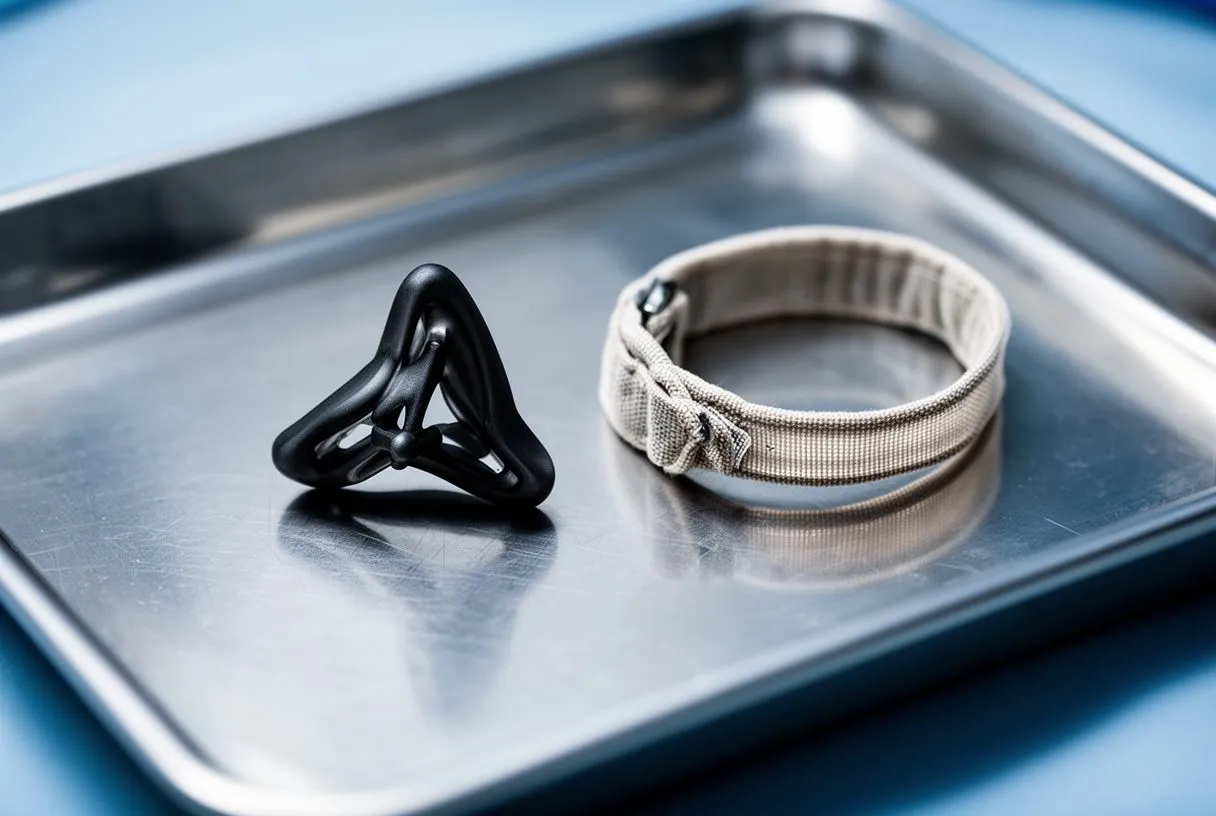
A tricuspid annuloplasty is the workhorse repair for secondary regurgitation. The surgeon implants a ring — usually made of fabric-covered material — around the annulus, the fibrous ring where the leaflets attach. This plicates, or cinches in, the stretched ring so the leaflets can close properly again. Because the back portion of the annulus near the conduction system is avoided, the repair tightens the parts that are safe to tighten.
The annuloplasty is frequently done at the same time as mitral or aortic valve surgery, when the tricuspid leak is found to be moderate or worse. Guidelines recommend not leaving a significant tricuspid leak unrepaired during left-sided valve operations, because a second operation years later is far riskier than fixing the valve during the first one. The procedure itself adds time to the operation but uses the same exposure, so the incremental risk is comparatively small.
Results depend heavily on patient selection. When the right ventricle is still functioning well and the annulus is not extremely dilated, annuloplasty can restore competence reliably. When regurgitation has been severe for years, the leaflets may be tethered and the ventricle remodeled, and annuloplasty alone can leave residual leak — one reason early evaluation matters.
Minimally Invasive and Transcatheter Tricuspid Options
Not every patient is a candidate for open-heart surgery, and the field has responded with less invasive approaches. Minimally invasive tricuspid surgery uses small incisions between the ribs, often on the right side of the chest, with the same repair techniques as open surgery but without dividing the breastbone. Recovery is typically faster and the cosmetic result better, though the operation demands specific surgical training and careful patient selection.
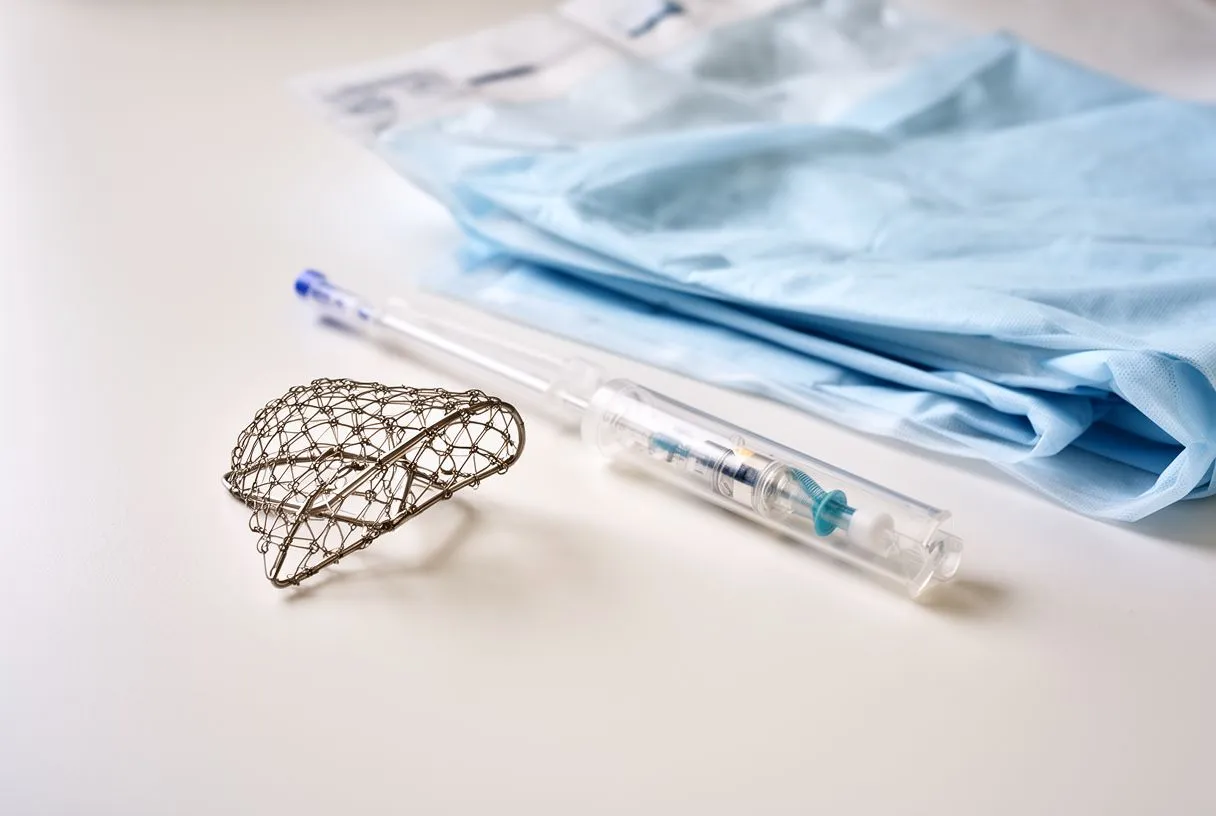
Catheter-based options: the most established is edge-to-edge repair, the same technique used for mitral regurgitation, adapted here as a catheter-based treatment. A thin tube is threaded from a vein in the groin up to the heart, and small clips are placed between the leaflets to reduce the leak — often bridging the widest gap between the anterior and septal leaflets. Other catheter technologies target the annulus, replace the valve entirely through a vein, or create a controlled shunt to relieve congestion in patients too fragile for repair.
Transcatheter Tricuspid Intervention is advancing quickly, but it works best in carefully selected patients — typically those with severe symptomatic regurgitation who are high risk for conventional surgery. Our team performs conventional, minimally invasive, robotic and transcatheter procedures, and for each patient we weigh which route gives the lowest risk for their situation. Dr Molina trained in structural cardiology and TAVR at CHU Bordeaux, so these catheter-based options are part of the discussion.
Tricuspid Valve Surgery Recovery and Risks
Tricuspid valve surgery recovery follows a predictable arc, though the details depend on whether the operation was open or minimally invasive and whether it was combined with other procedures. Most patients spend one to two nights in intensive care, then several days on the ward. Walking is encouraged within days; most people are back to light daily activities within four to six weeks. Full recovery — meaning return to work, driving, and unrestricted exercise — commonly takes two to three months after a sternotomy (breastbone incision) and somewhat less after a minimally invasive approach.
Exercise restrictions: in the first weeks, patients avoid lifting anything heavy, pushing, pulling, and overhead activity while the breastbone or incisions heal. Cardiac rehabilitation, a supervised program of gradually increasing exercise, is strongly recommended and helps patients regain confidence safely. Long term, most patients return to normal activity; your own limits will be set by your heart function, not by the valve repair itself.
Honest risks: like all heart operations, tricuspid valve surgery risks include bleeding, infection, stroke, kidney injury, abnormal rhythms, and the possibility that the repair leaves residual leak. Tricuspid operations also carry a specific consideration — because many tricuspid procedures are done in patients with advanced right-heart disease or as part of larger combined operations, the published operative risk is higher than for isolated left-sided procedures in healthier patients. This is precisely why timing matters: operating before the right ventricle fails keeps the risk profile closer to routine valve surgery. Patients who understand the risks in advance tend to recover with less anxiety, which is why every question deserves an answer before any decision is made.

Getting a Second Opinion and Understanding Cost in Mexico
Facing valve surgery is a major decision, and tricuspid valve surgery second opinion requests are far more common than patients assume — good surgeons welcome them. A second opinion gives you a fresh reading of your echocardiogram, an independent view on timing, and often a choice between surgical and catheter-based approaches you did not know existed. Bring your most recent echo images (not just the report), your medication list, and your questions written down.
Cost is a real concern for many families, particularly international patients. Tricuspid valve replacement cost Mexico varies widely with the hospital, the type of valve, whether the procedure is surgical or transcatheter, and how long the stay lasts; no responsible team quotes a figure before reviewing the individual case. If you are looking for the best heart surgeon Guadalajara tricuspid patients can consult, look for multidisciplinary review, transparency about risks, and a surgeon who explains alternatives rather than pushing one solution.
We are a multidisciplinary team of cardiac surgeons led by Dr Alejandro Molina, with consulting rooms in Guadalajara, Querétaro and Hermosillo. The first contact is a free video consultation: we get to know the patient, talk through the condition, and say which studies are still needed so no unnecessary ones are ordered; a face-to-face visit at the consulting rooms follows when the patient decides to go ahead.
The takeaway: trivial and mild tricuspid regurgitation usually need nothing more than awareness and periodic checks. Severe regurgitation with symptoms, or with early signs of right-heart change, deserves a serious conversation about tricuspid regurgitation treatment — whether that is an annuloplasty during a planned valve operation, a standalone repair, or a catheter-based procedure. The tricuspid valve is no longer forgotten; the options are real, and the best outcomes belong to patients who act before the heart has stretched too far. If your echo mentions more than a trace of tricuspid leak, discuss your own situation with a qualified cardiac team and book a consultation rather than self-diagnose — the earlier the conversation, the more options you will have.






